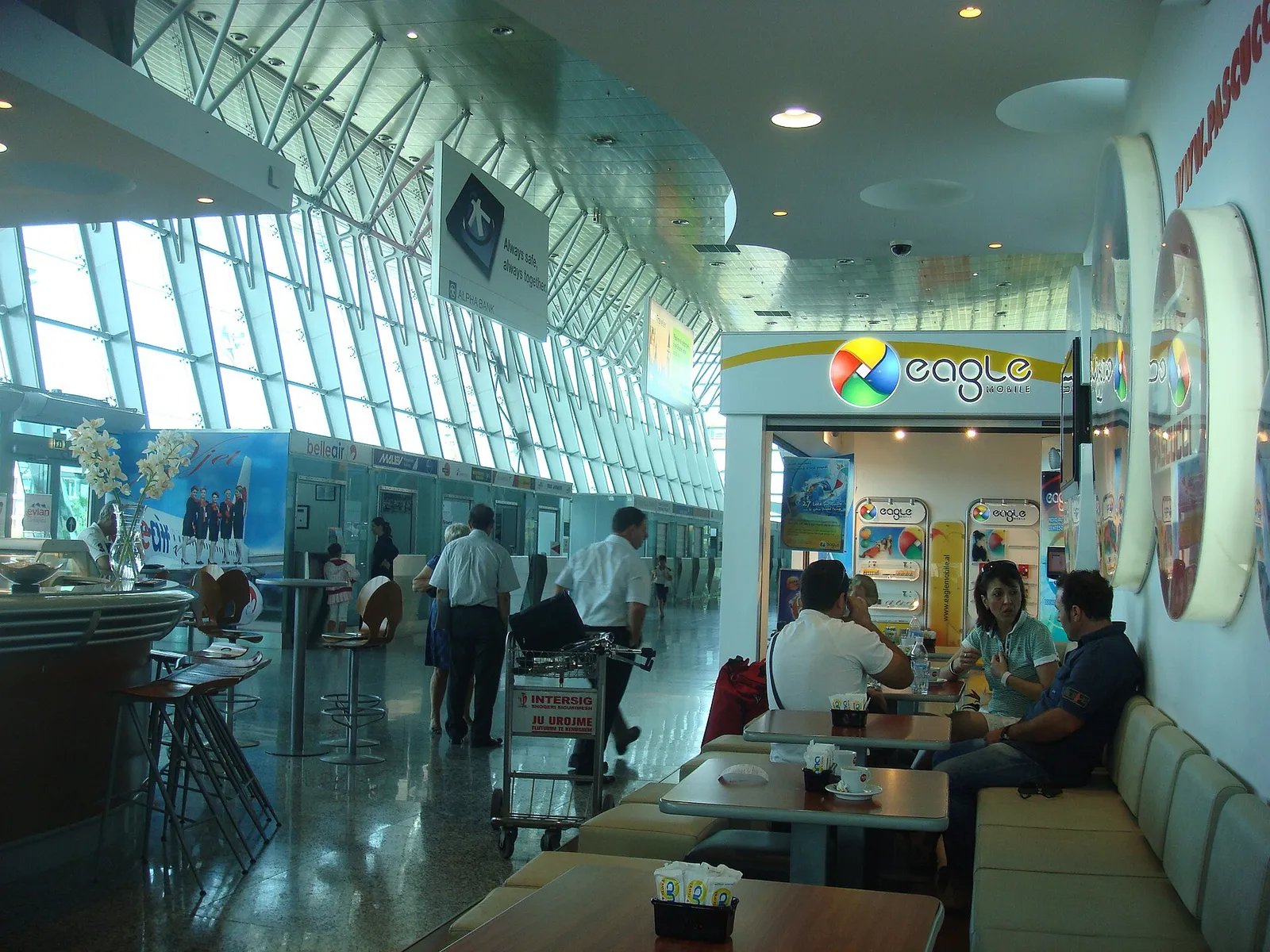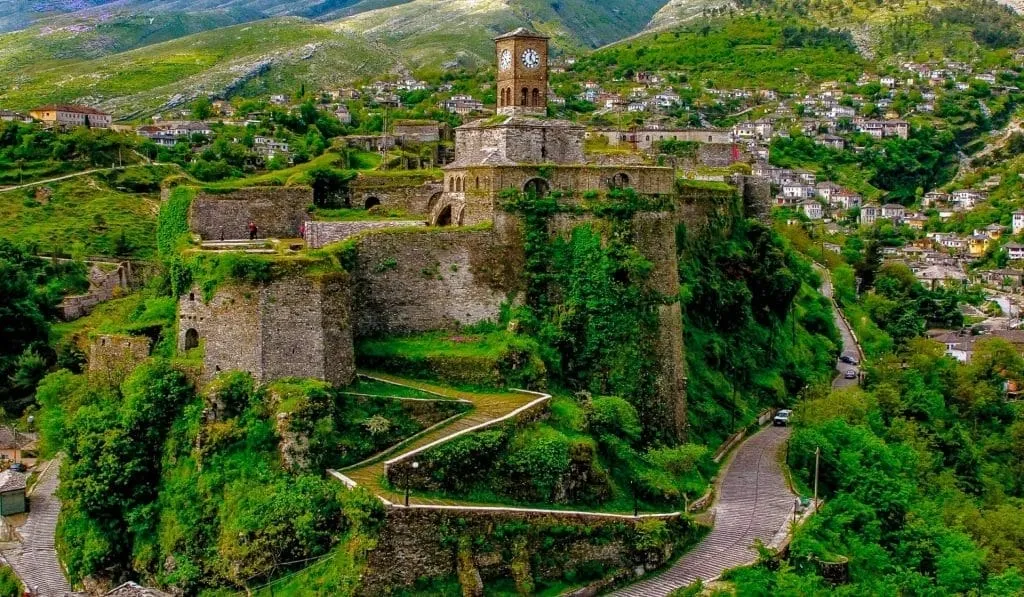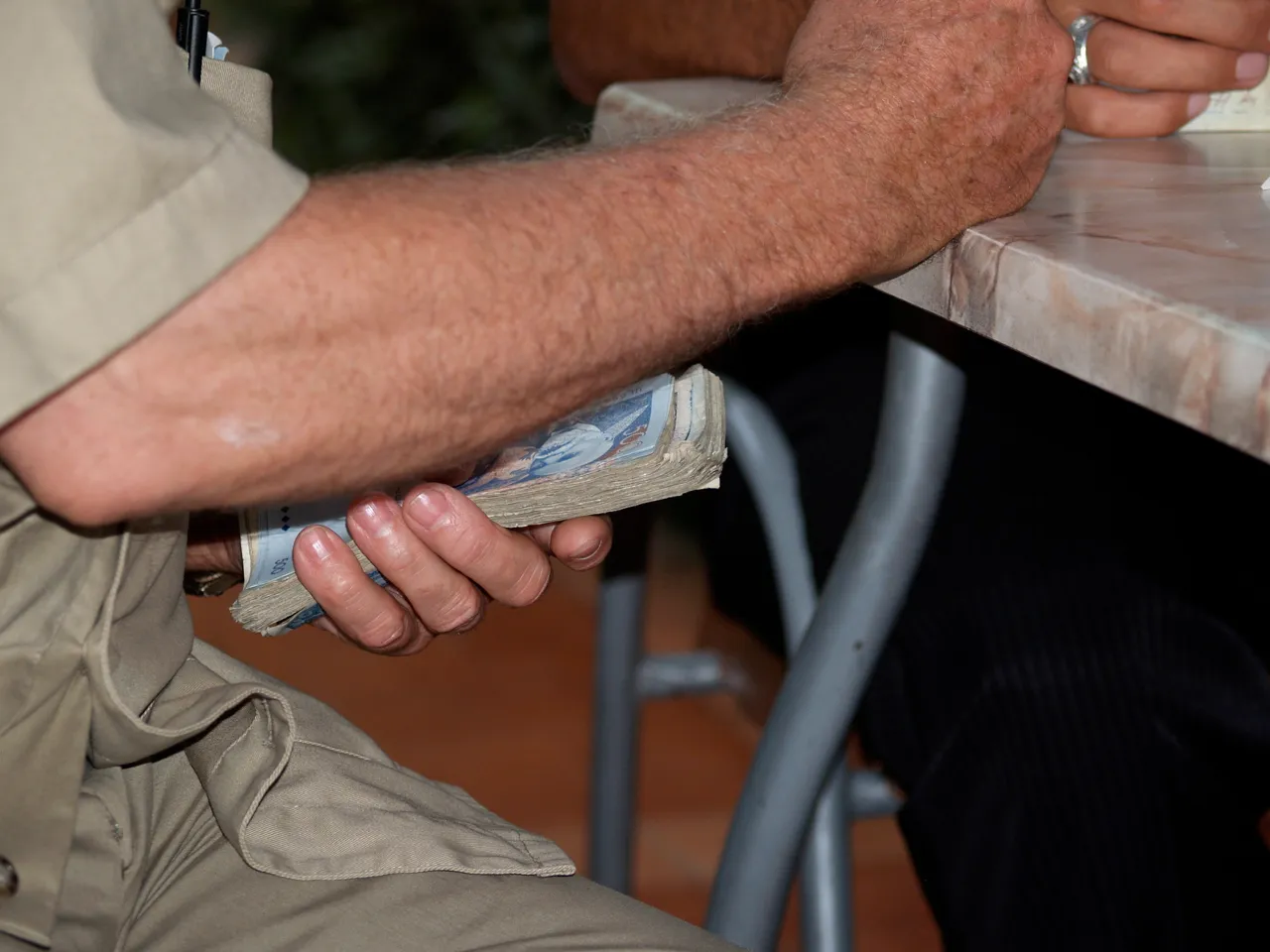
Money in Albania: ATMs, Cash and Cards Without the Fees
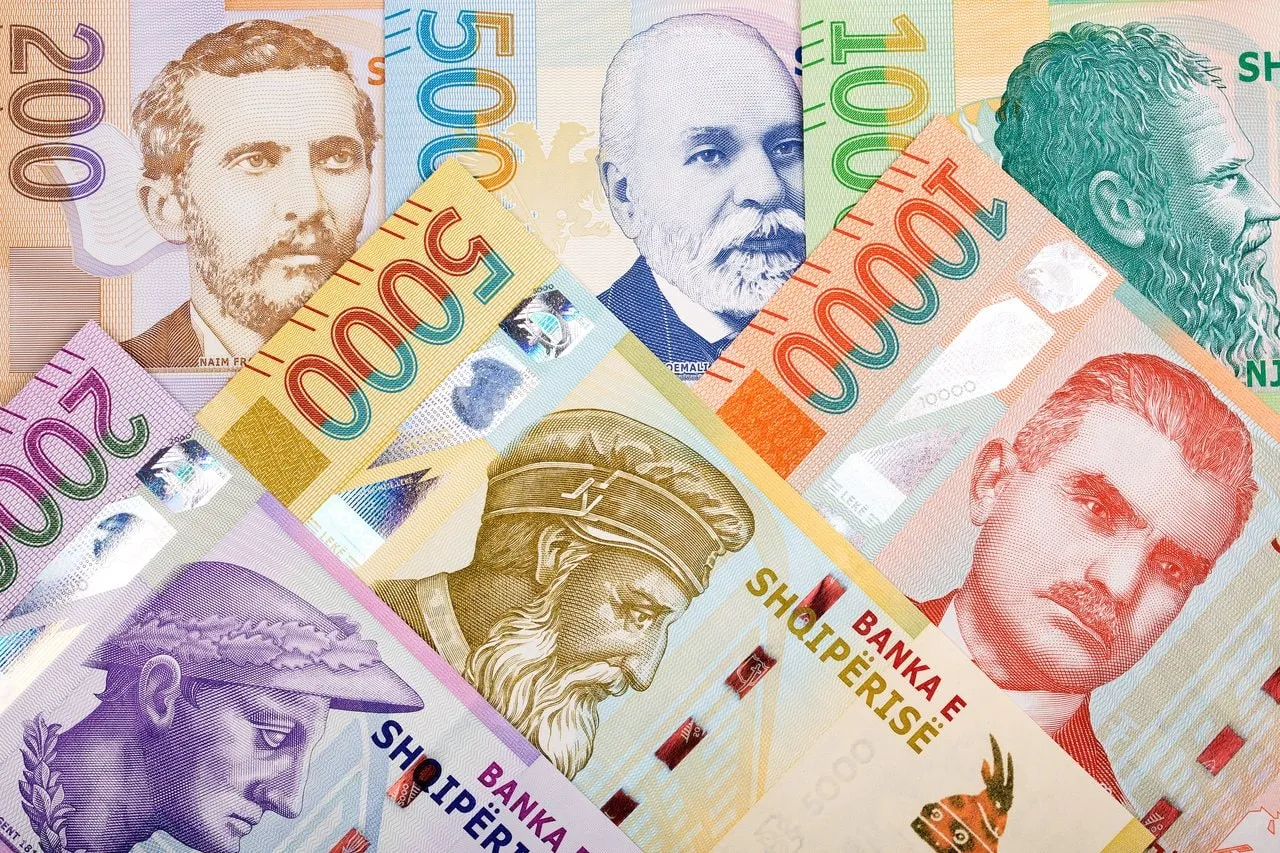
Which Albanian ATMs charge least, why the yellow machines cost more than they look, when you actually need cash, and how tipping works. A practical money guide for Albania.
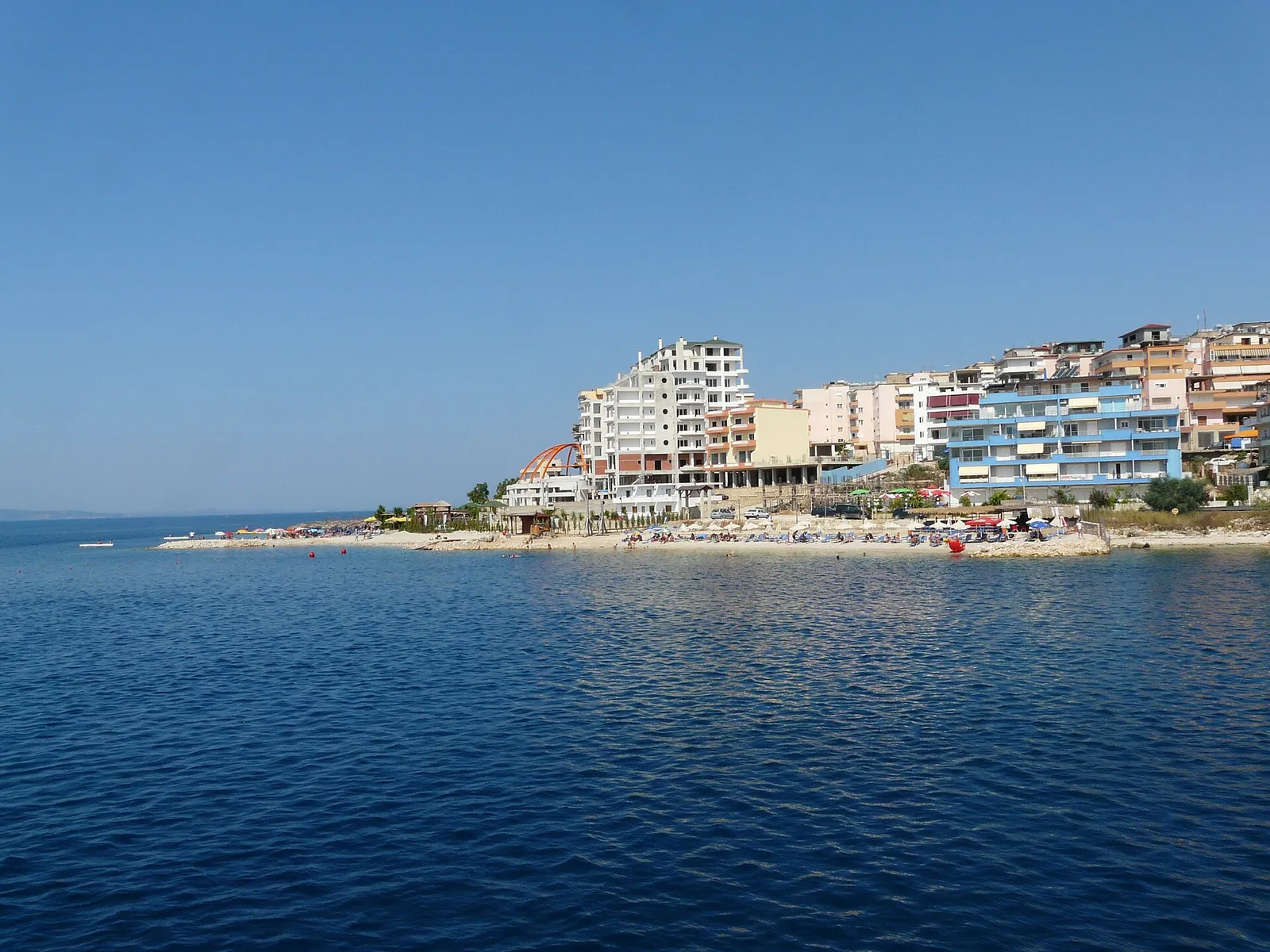
Everything you need to know about Albania, sorted by topic, from the beaches and the Riviera to the northern Alps, the historic towns and the practical stuff.
Which Albanian ATMs charge least, why the yellow machines cost more than they look, when you actually need cash, and how tipping works. A practical money guide for Albania.
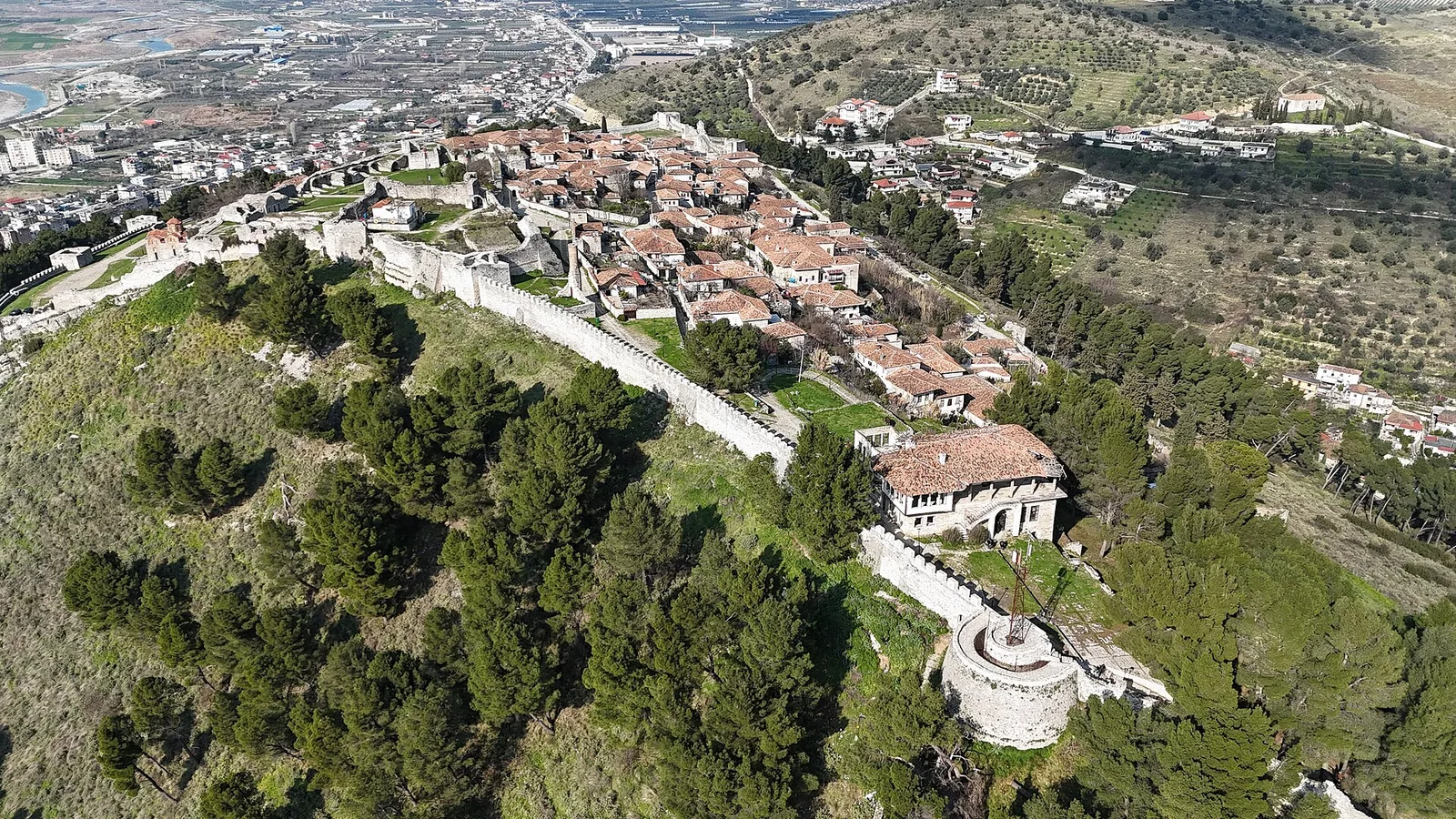
The capital and the coastal south offer completely different trips, and they are far enough apart that most visitors have to choose. A direct comparison.
Albania rewards slow travel and punishes tight schedules, which suits some older travellers very well and others not at all. An honest look at terrain, roads and comfort.
Almost every Albania plan fails the same way: too many regions and not enough respect for the roads. The method, the realistic drive times, and where to cut.
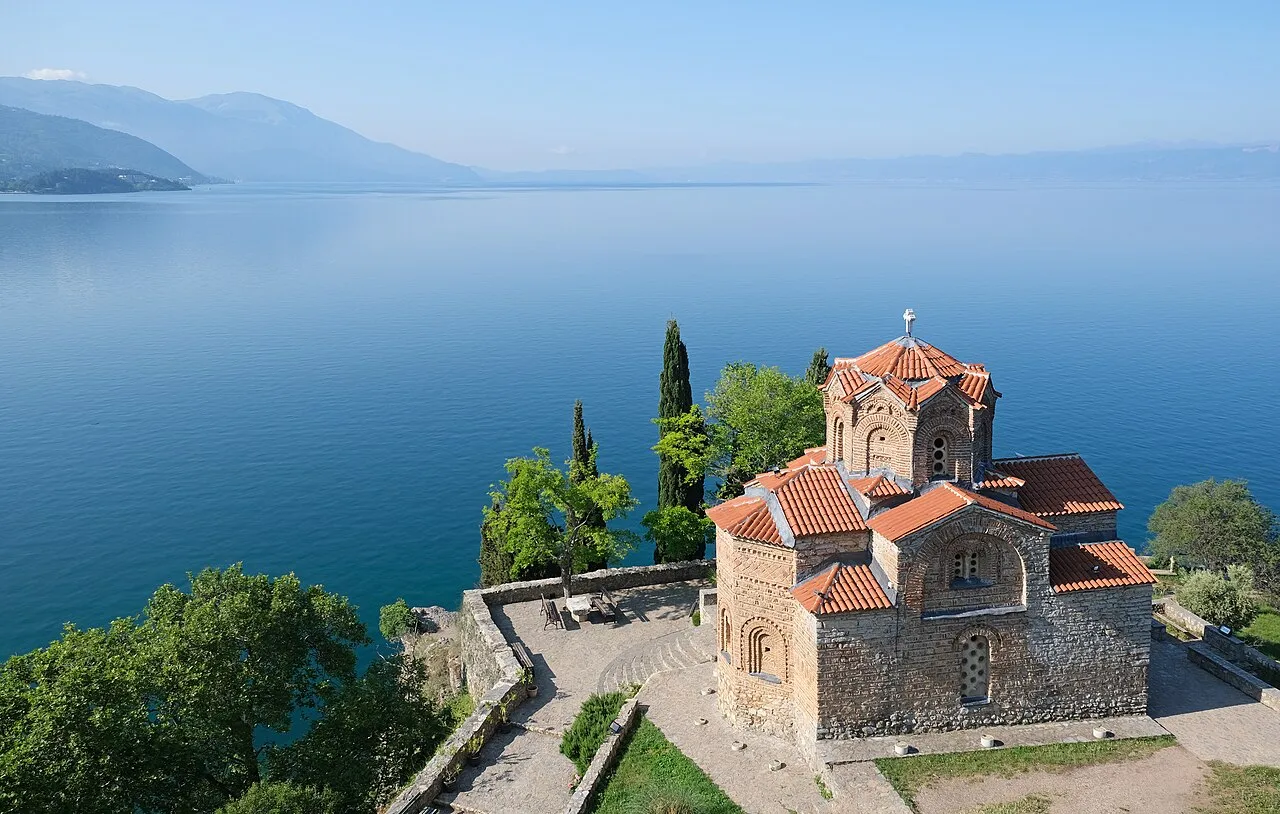
A cliffside church, a walkable old town and a monastery with peacocks, all on the North Macedonian side of a lake Albania shares. What the border crossing actually involves, passport by passport.
Three or four days is enough for one region done properly and not enough for the country. Which single region to pick, how to lose the least time, and what to leave out.
They share a sea and a border and they are not the same holiday. Where each one wins, where Albania is genuinely behind, and how to do both.
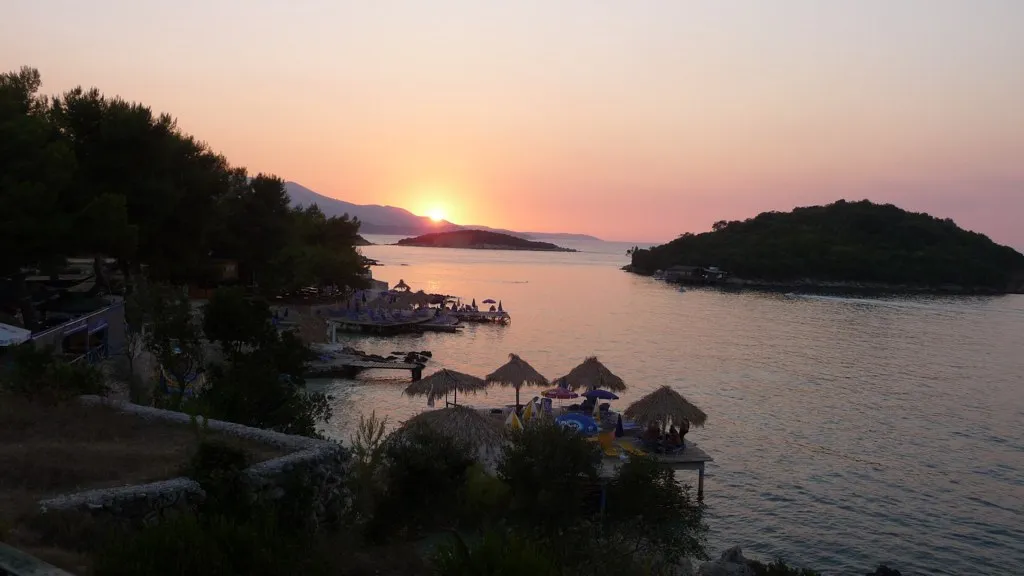
Sea view terraces in the south, a stone town lit at night, an empty cove reached by boat and dinner that costs less than a taxi at home.
Why travel insurance matters for Albania, from hiking the Accursed Alps and driving winding coastal roads to watersports, private clinics in Tirana, medical evacuation and theft, plus what a good policy should cover.
The coast is warm and calm, the drives are shorter than the map suggests, and a cable car out of Tirana buys you an afternoon that nobody complains about.
Every way from Tirana Airport to the city centre: the Rinas Express bus, taxi flat rates, car rental at the terminal, and how to continue to Saranda, the Riviera or Shkodra.
Late spring and early autumn get you warm sea, open mountain passes, thin crowds and half the coastal room rates. Everything else is a compromise.
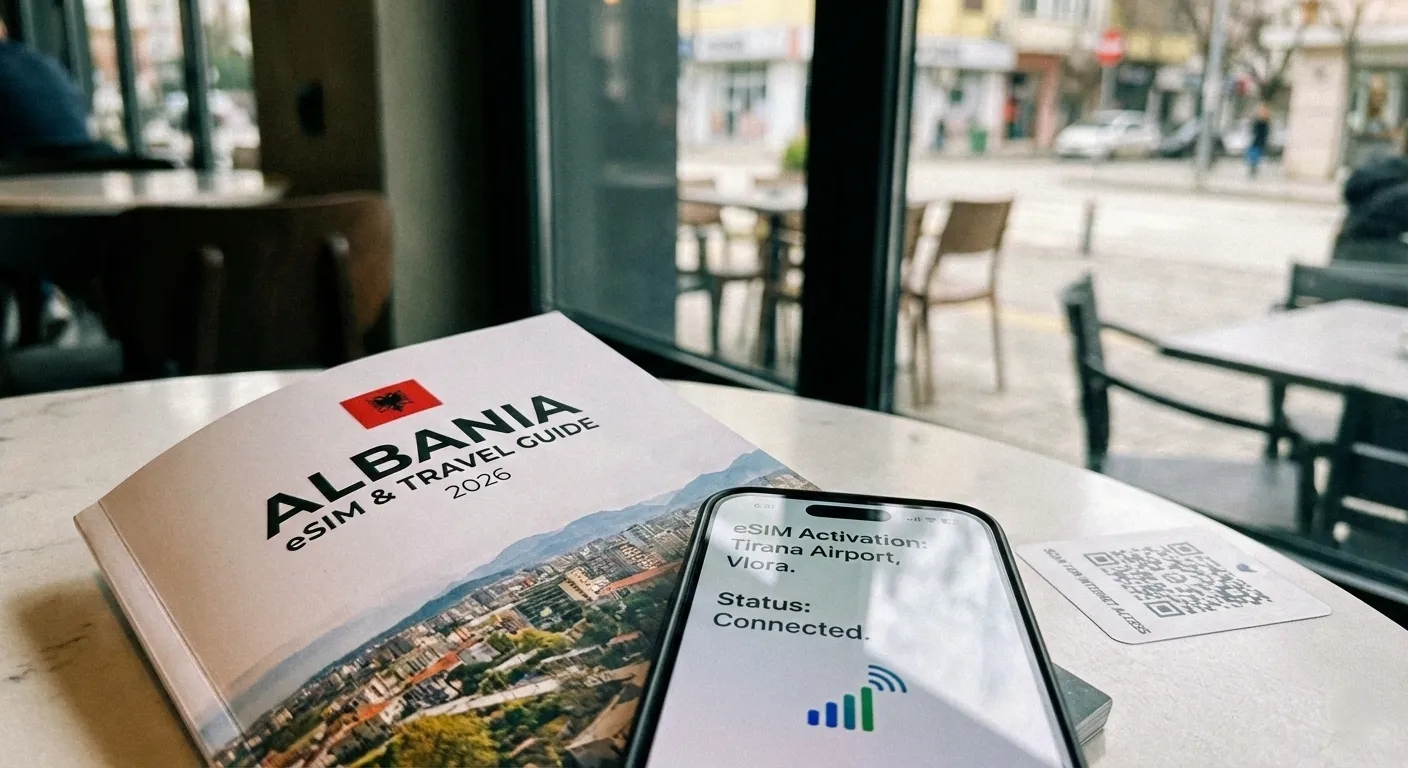
A local SIM costs less than a coffee in western Europe, the cities are well covered, and the valleys you came for have nothing at all.
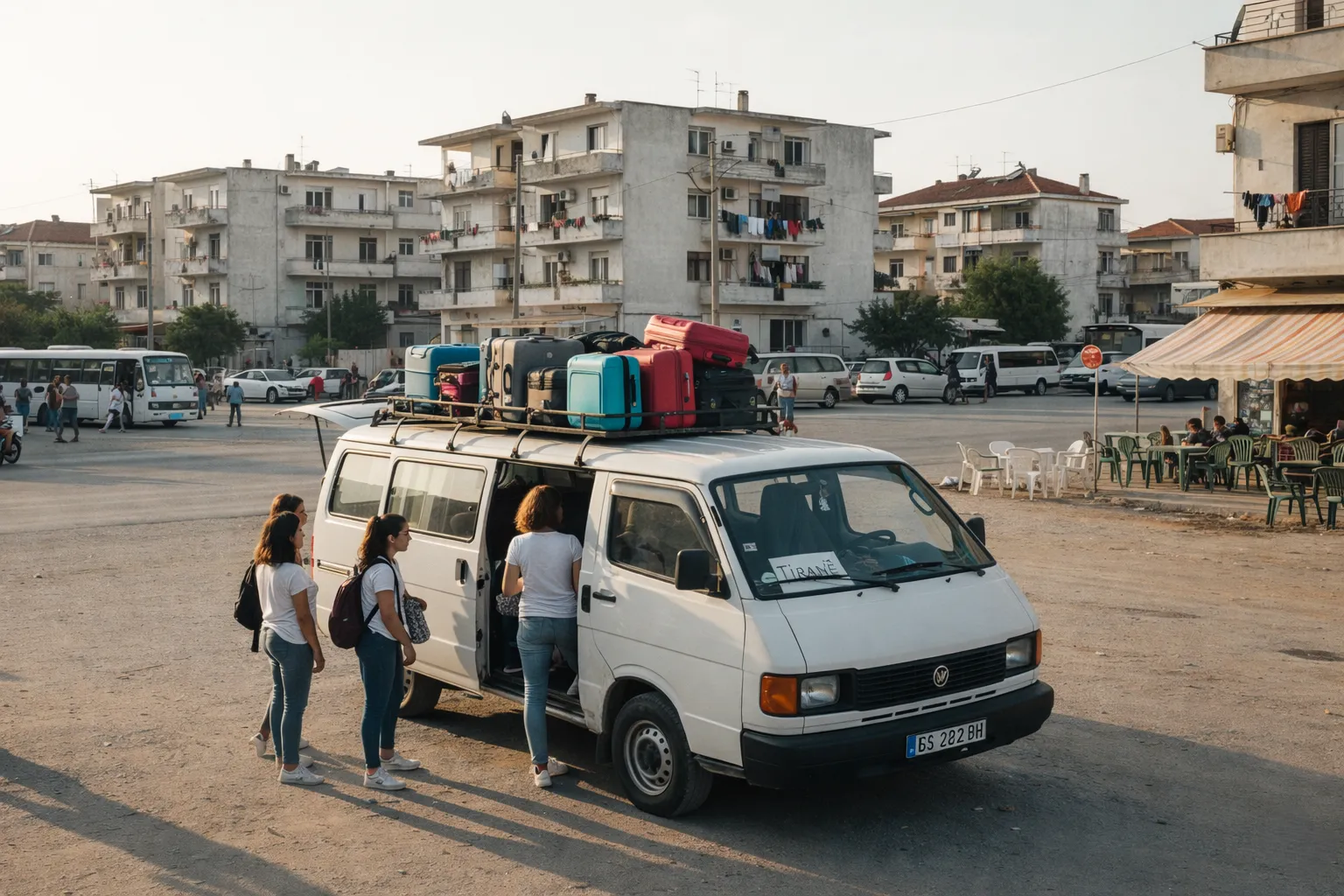
Shared minibuses that leave when they are full, buses that do not appear on any website, and a railway you should forget about.
A clear breakdown of what Albania costs, with daily budgets for backpackers, mid-range and comfort travellers, plus money, cash and saving tips for Europe's best-value coast.
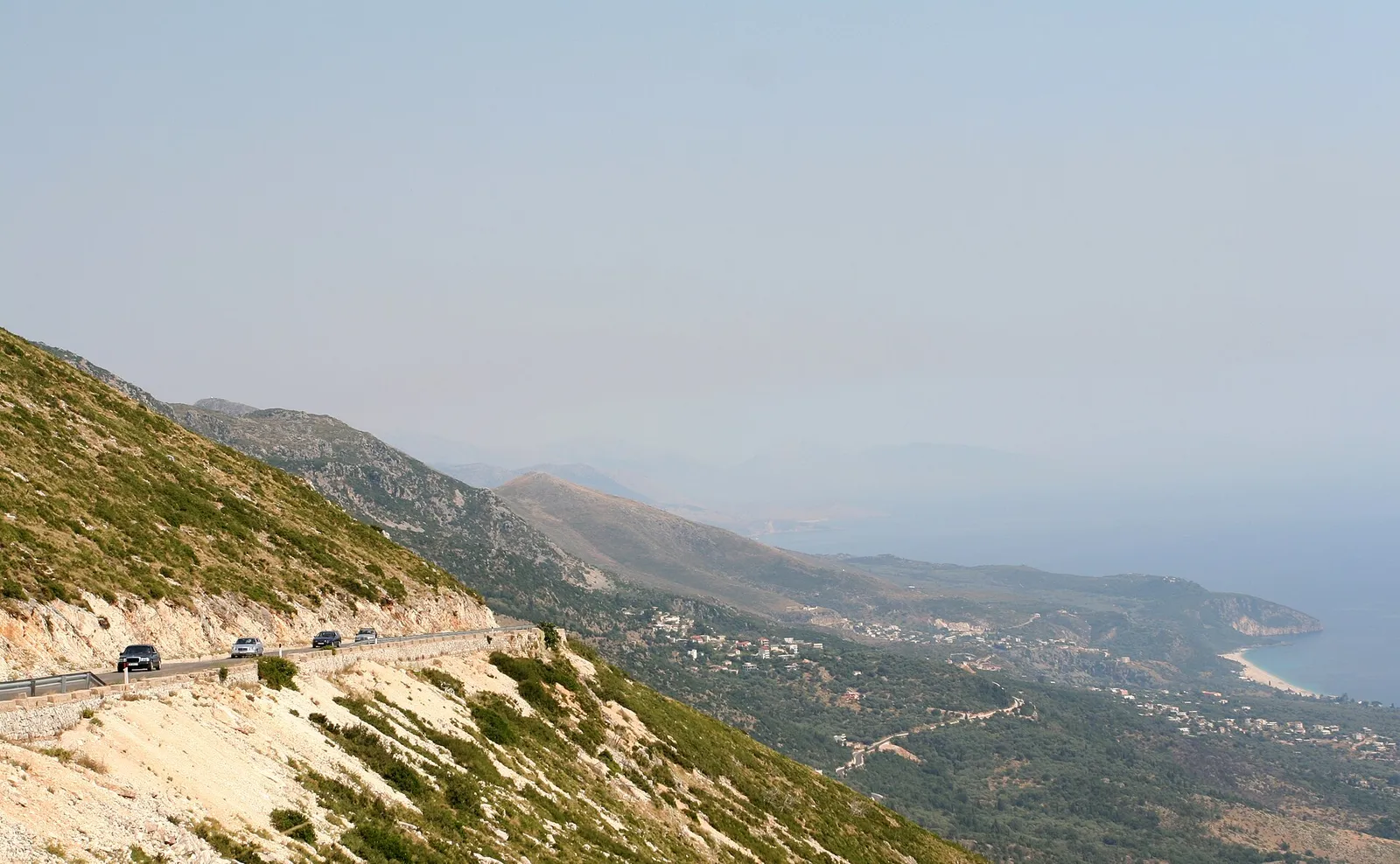
The main roads are largely fine, the mountain roads are the reason to come, and the driving culture treats lane markings as decoration.
The emergency numbers every visitor to Albania should save: 112, ambulance, police and fire, plus hospitals in Tirana, how pharmacies work, mountain rescue and embassy help.
Albania vs Montenegro compared honestly: coast and beaches, cost and value, mountains, food, crowds and ease of travel, plus a clear verdict on which country suits which kind of traveller.
Everything you need to rent a car and drive in Albania: what it costs, what to know about the roads, insurance, fuel and parking, and why a car is the best way to see the country.
Albania month by month: sea temperatures on the Riviera, hiking season in the Alps, Tirana city weather, the crowded peak and the golden shoulder months. Pick your perfect window.
Do you need a visa for Albania? Many travellers do not, but not everyone. Here are the rules by nationality, passport requirements, what happens at the border, and customs basics.
Planning your first trip to Albania? Here is when to go, how to get around, the visa and money basics, where to base yourself, and how to skip the rookie mistakes.
Which Albanian ATMs charge least, why the yellow machines cost more than they look, when you actually need cash, and how tipping works. A practical money guide for Albania.
Albania is cheap, but not evenly: the coast in August behaves like a different country from the same coast in June, and a few decisions account for most of the difference.
A local SIM costs less than a coffee in western Europe, the cities are well covered, and the valleys you came for have nothing at all.
Shared minibuses that leave when they are full, buses that do not appear on any website, and a railway you should forget about.
A clear breakdown of what Albania costs, with daily budgets for backpackers, mid-range and comfort travellers, plus money, cash and saving tips for Europe's best-value coast.
Everything you need to rent a car and drive in Albania: what it costs, what to know about the roads, insurance, fuel and parking, and why a car is the best way to see the country.
Everyone does Berat, Gjirokaster and the riviera. These five are on nobody's standard route, and between them they cover stone architecture, Ottoman streets and mountain valleys.
Almost every Albania plan fails the same way: too many regions and not enough respect for the roads. The method, the realistic drive times, and where to cut.
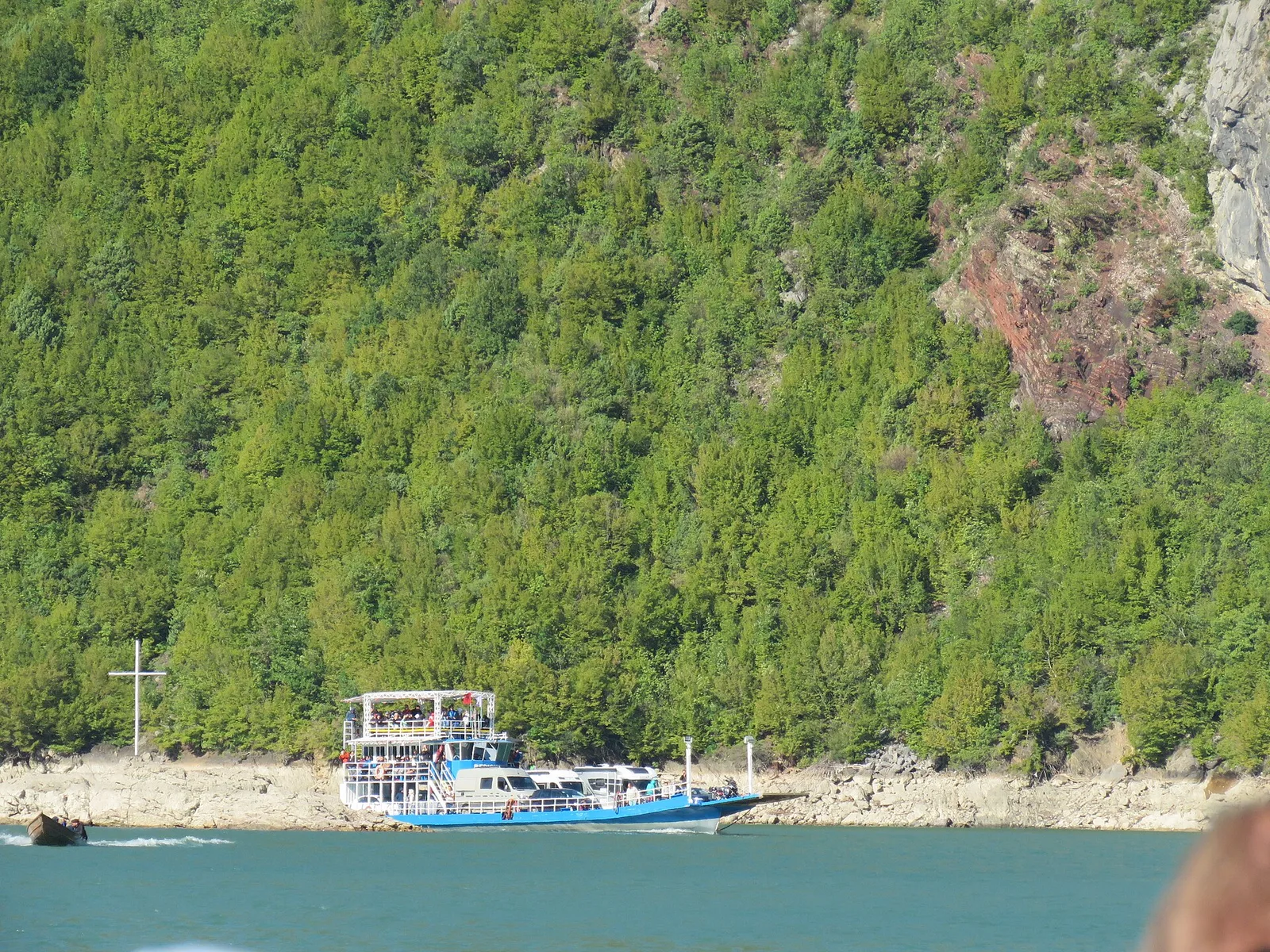
A week-long route through the Albanian north: Shkoder and its lake, the Koman ferry, the Valbona valley and Theth, with where to sleep each night and how the pieces connect.
Three or four days is enough for one region done properly and not enough for the country. Which single region to pick, how to lose the least time, and what to leave out.
A honest three days in Saranda and Ksamil: a day by day plan for beaches, Butrint at dawn, quiet coves, and the five mistakes that swallow a short trip in Albania.
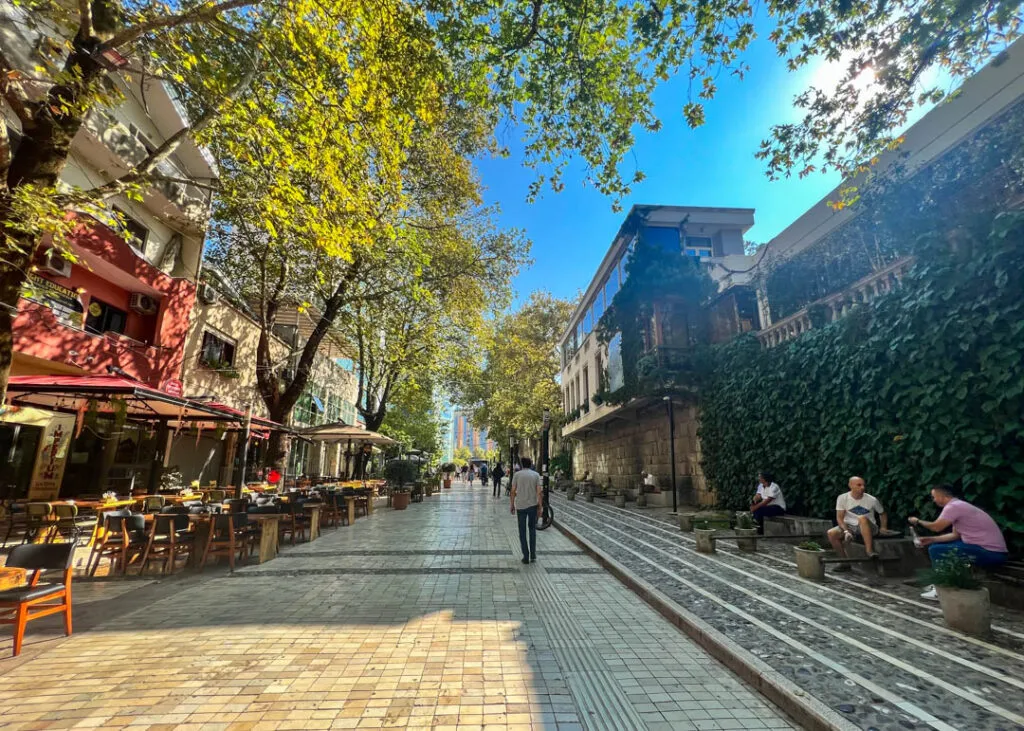
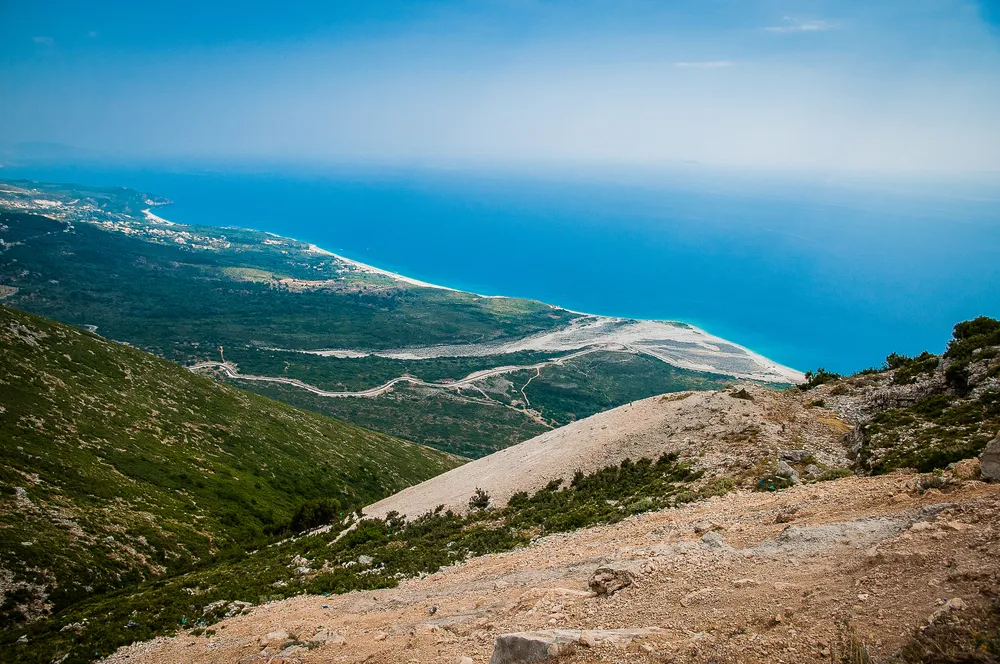
A ready-made 4-day Albanian Riviera itinerary: the Llogara pass, stylish Dhërmi, hidden Gjipe, easygoing Himarë, a boat day, and the turquoise islands of Ksamil, planned day by day.
A loop from Tirana down the coast over a mountain pass, along the Riviera to the Greek border, inland to a stone city and back through the hills.
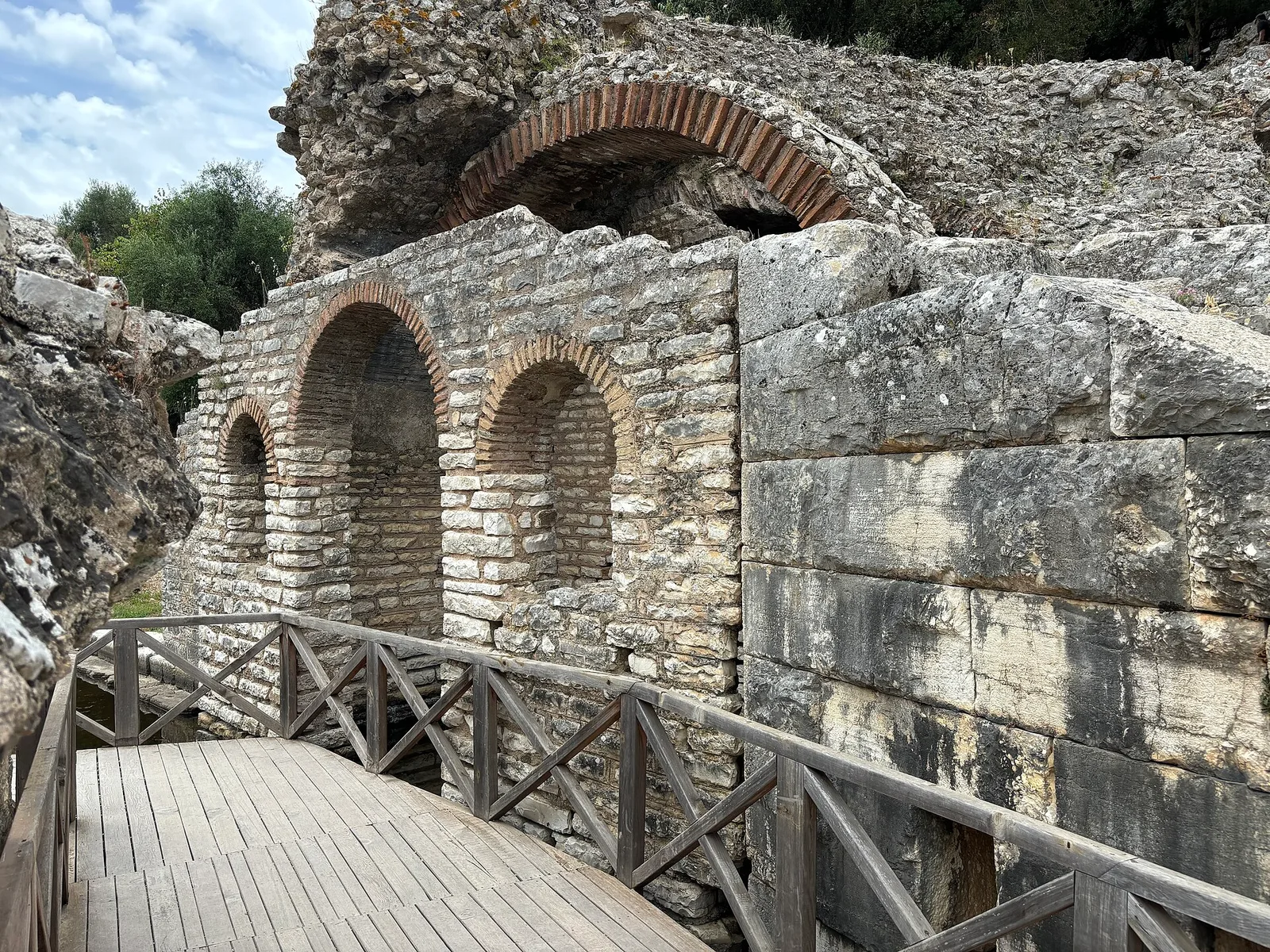
A Greek and Roman city in a lagoon, two Ottoman towns, a Roman amphitheatre under a modern city, and a hundred and seventy thousand concrete bunkers.
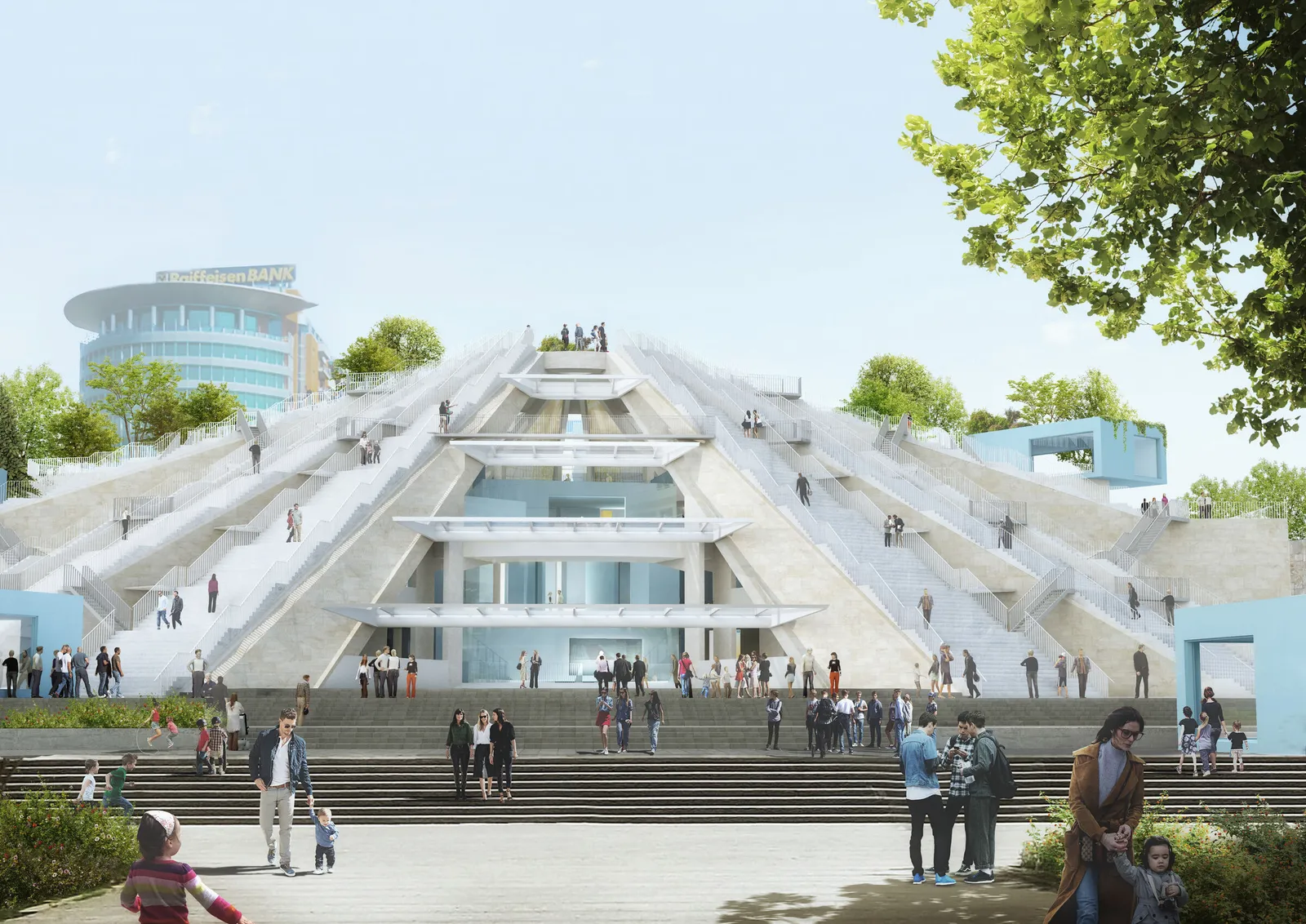
A nuclear bunker under a hill, a surveillance museum in a secret police building, a cable car to a mountain, and a restaurant scene nobody expects.
The capital and the coastal south offer completely different trips, and they are far enough apart that most visitors have to choose. A direct comparison.
Iso polyphony is a UNESCO listed singing tradition with no instruments and no conductor, and hearing it properly takes a little more effort than booking a table.
Blloku was sealed off from ordinary Albanians until 1991. Long before the bars open for the night, it runs on coffee, an evening walk called the giro and a stretch of restaurants, and this is what the neighbourhood is actually like by day.
What is worth carrying home from the Albanian capital and what is mass produced tat with an eagle on it, from the bazaar and the castle lane to the malls on the ring road.
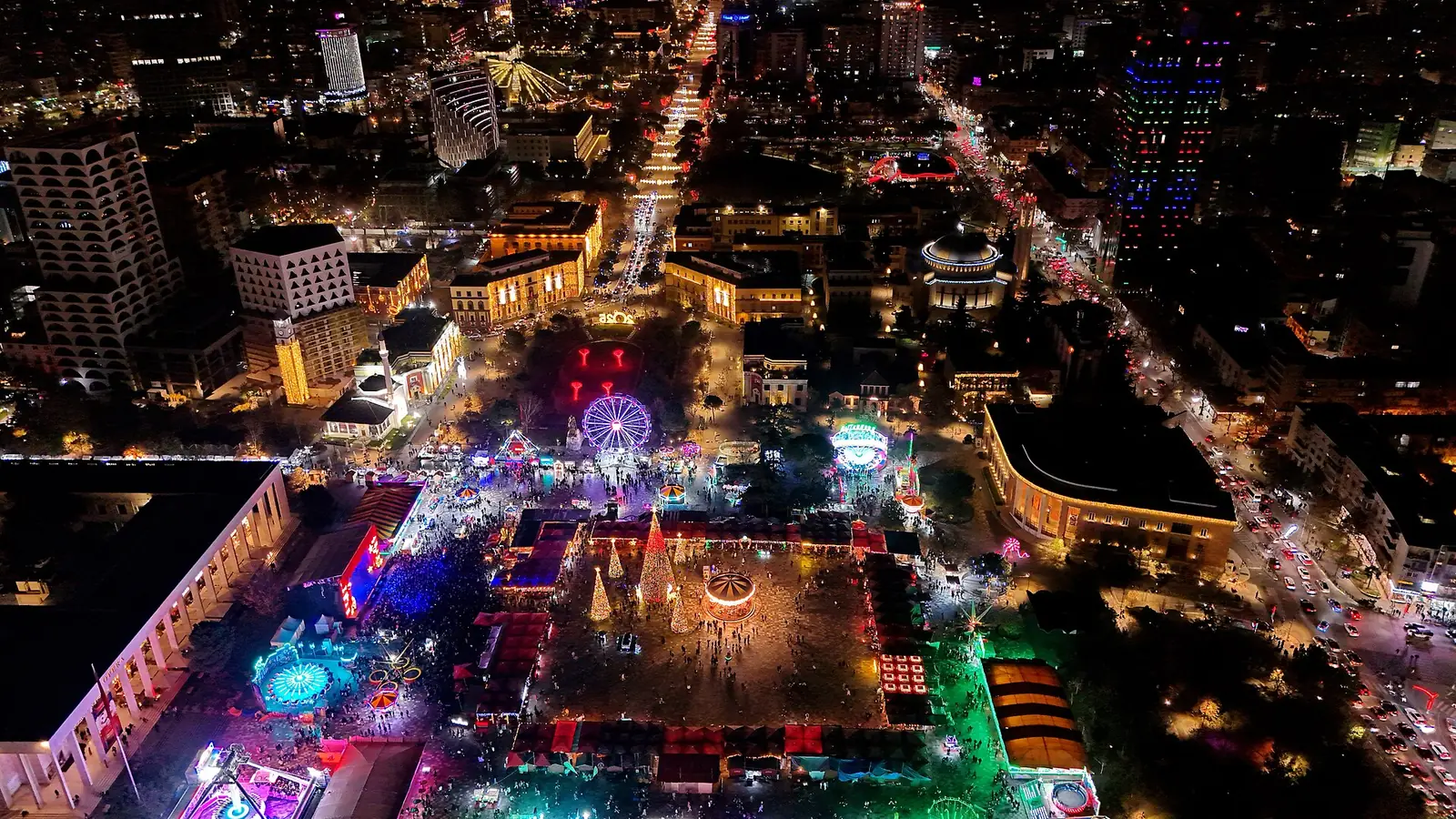
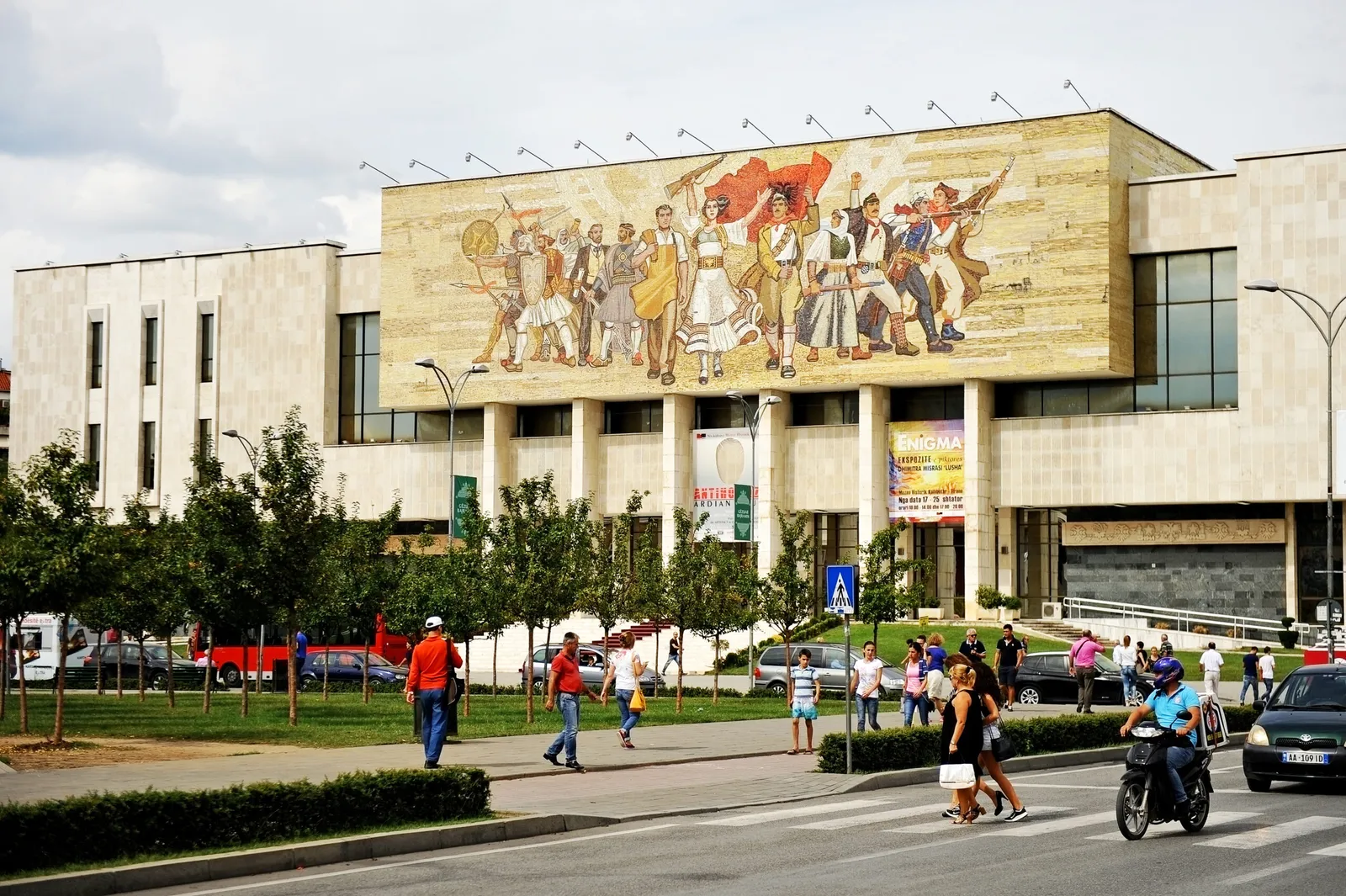
The best things to do in Tirana, from the colourful main square and communist-era bunkers to the buzzing Blloku district, cable car mountain views and the city best cafes and food.
Every way from Tirana Airport to the city centre: the Rinas Express bus, taxi flat rates, car rental at the terminal, and how to continue to Saranda, the Riviera or Shkodra.
Blloku was the sealed compound where the party elite lived, and it is now the loudest few streets in the Balkans. Where else to go and when things start.
A nuclear bunker under a hill, a surveillance museum in a secret police building, a cable car to a mountain, and a restaurant scene nobody expects.
A small capital where everything is walkable, and where the difference between the four central districts is noise, price and how Albanian your street feels.
The capital and the coastal south offer completely different trips, and they are far enough apart that most visitors have to choose. A direct comparison.
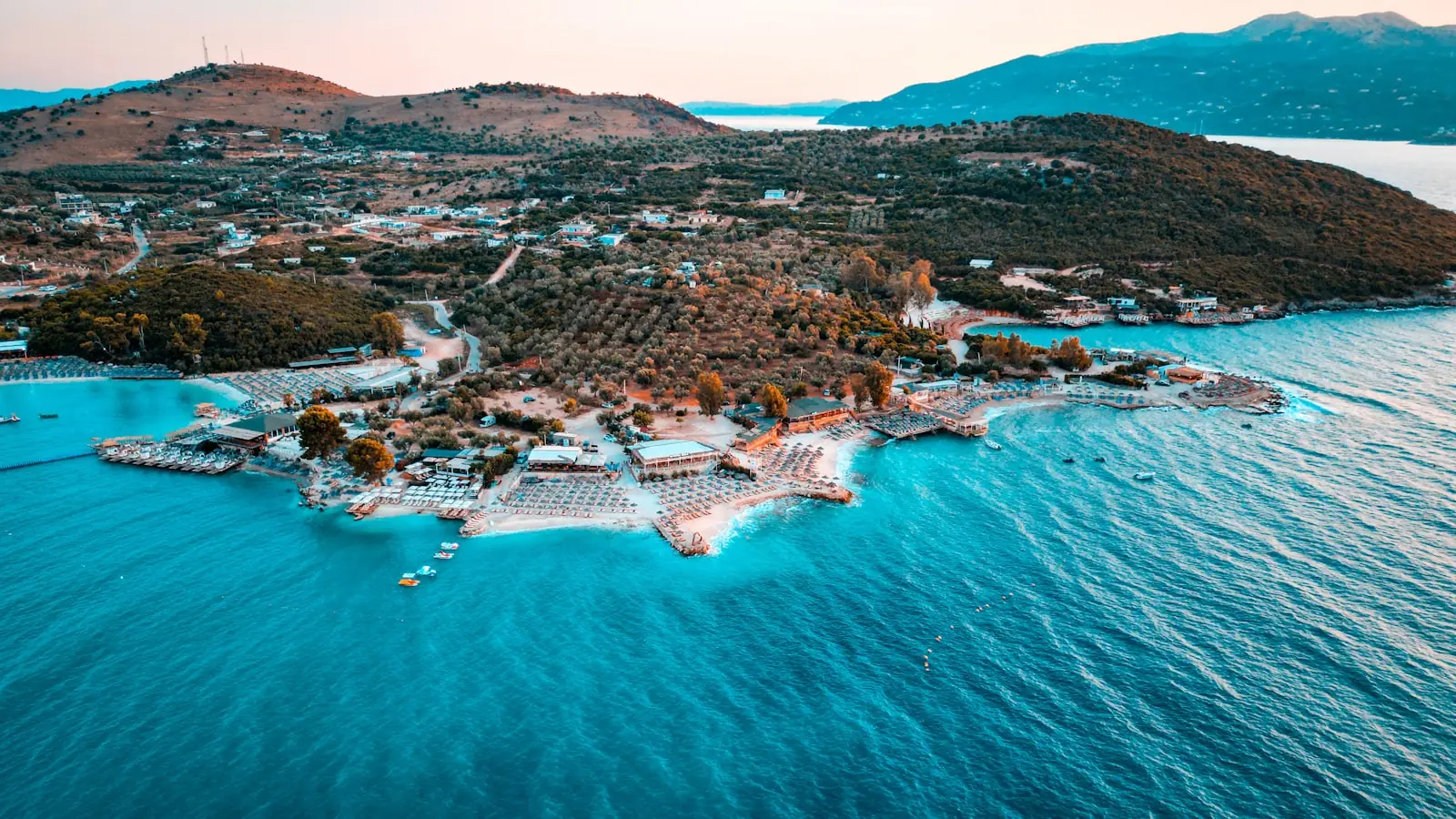
The small beach village with the turquoise islets is the photograph everyone arrives for. Whether you should also sleep there, rather than in Saranda twenty minutes up the road, is a different question.
A honest three days in Saranda and Ksamil: a day by day plan for beaches, Butrint at dawn, quiet coves, and the five mistakes that swallow a short trip in Albania.
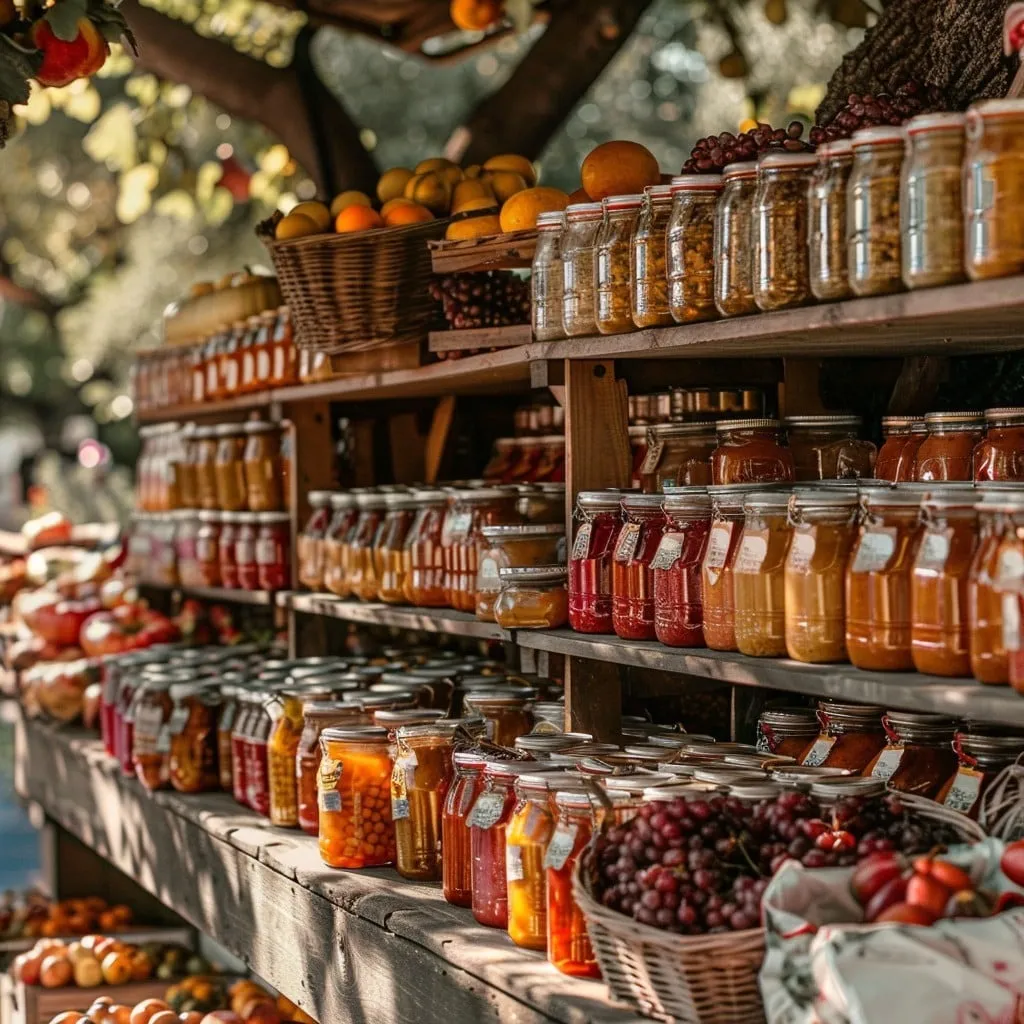
Where to stay on the Albanian Riviera: Saranda for restaurants and transport, Ksamil for the water, the quieter villages between them, and what a sea view actually costs.
Sea view terraces in the south, a stone town lit at night, an empty cove reached by boat and dinner that costs less than a taxi at home.
A loop from Tirana down the coast over a mountain pass, along the Riviera to the Greek border, inland to a stone city and back through the hills.
Saranda vs Ksamil compared as a base on the Albanian Riviera: beaches, hotels, restaurants, transport, day trips to Butrint and the Blue Eye, costs and crowds, with a clear verdict per traveller type.
A working port city with a long promenade, the square where the country was founded in 1912, and the road south that turns into the best drive in the Balkans.
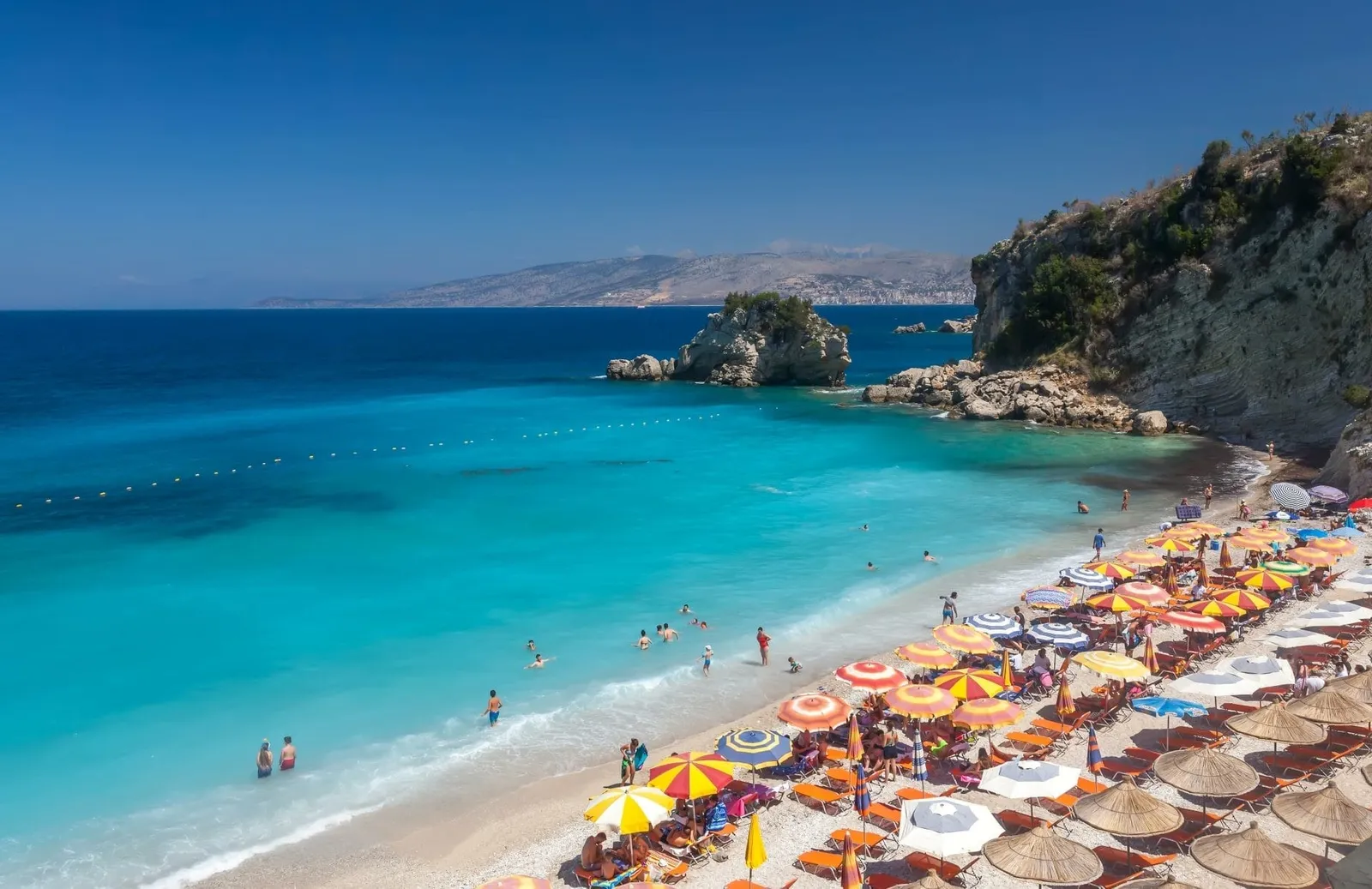
The best spots on the Albanian Riviera, from the islands of Ksamil to the beach village of Dhërmi, hidden Gjipe, laid-back Himarë and lively Saranda, plus how to string them together.
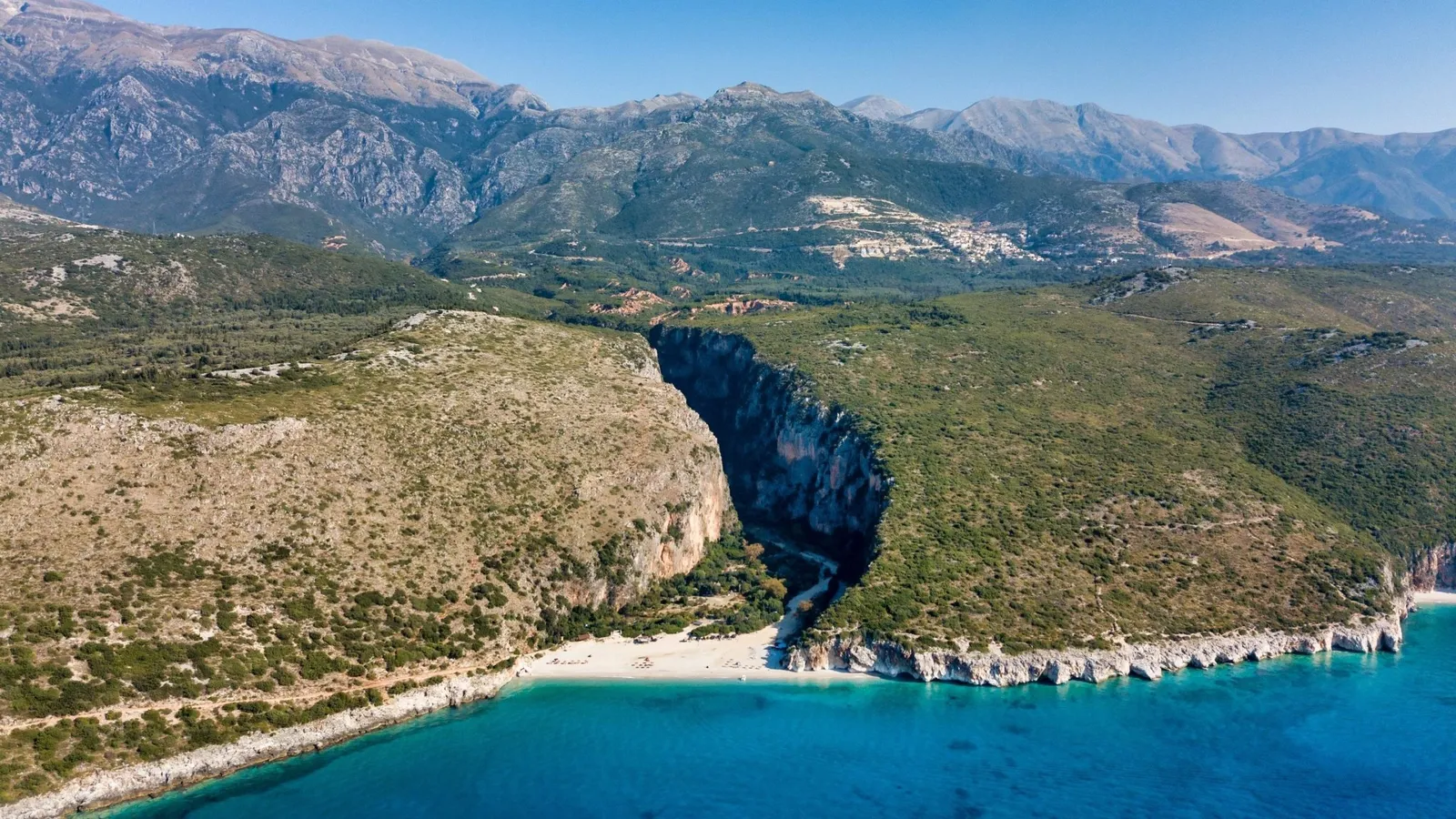
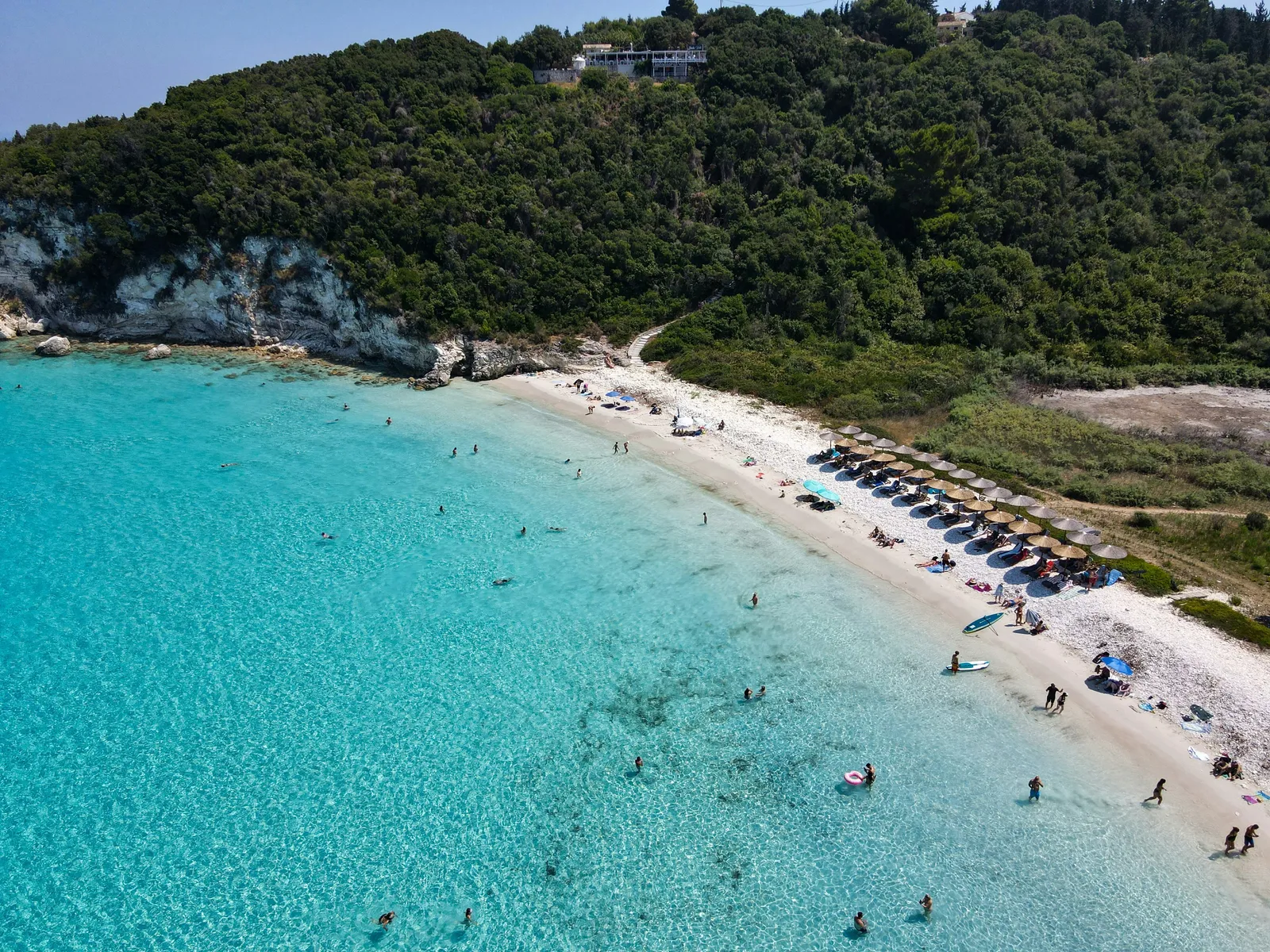
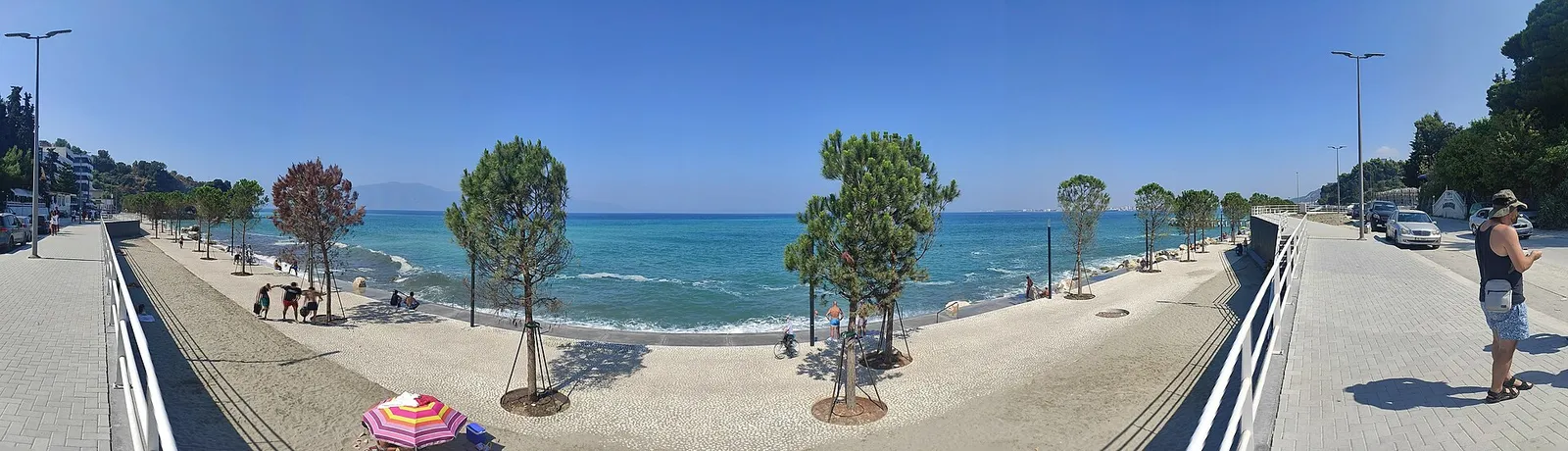
A coast that runs from flat Adriatic sand in the north to Ionian coves under a mountain road in the south, and the beaches worth the drive.
Albanian menus repeat a fairly short list of dishes, and knowing six of them is the difference between eating well and eating pizza. What to order and where.
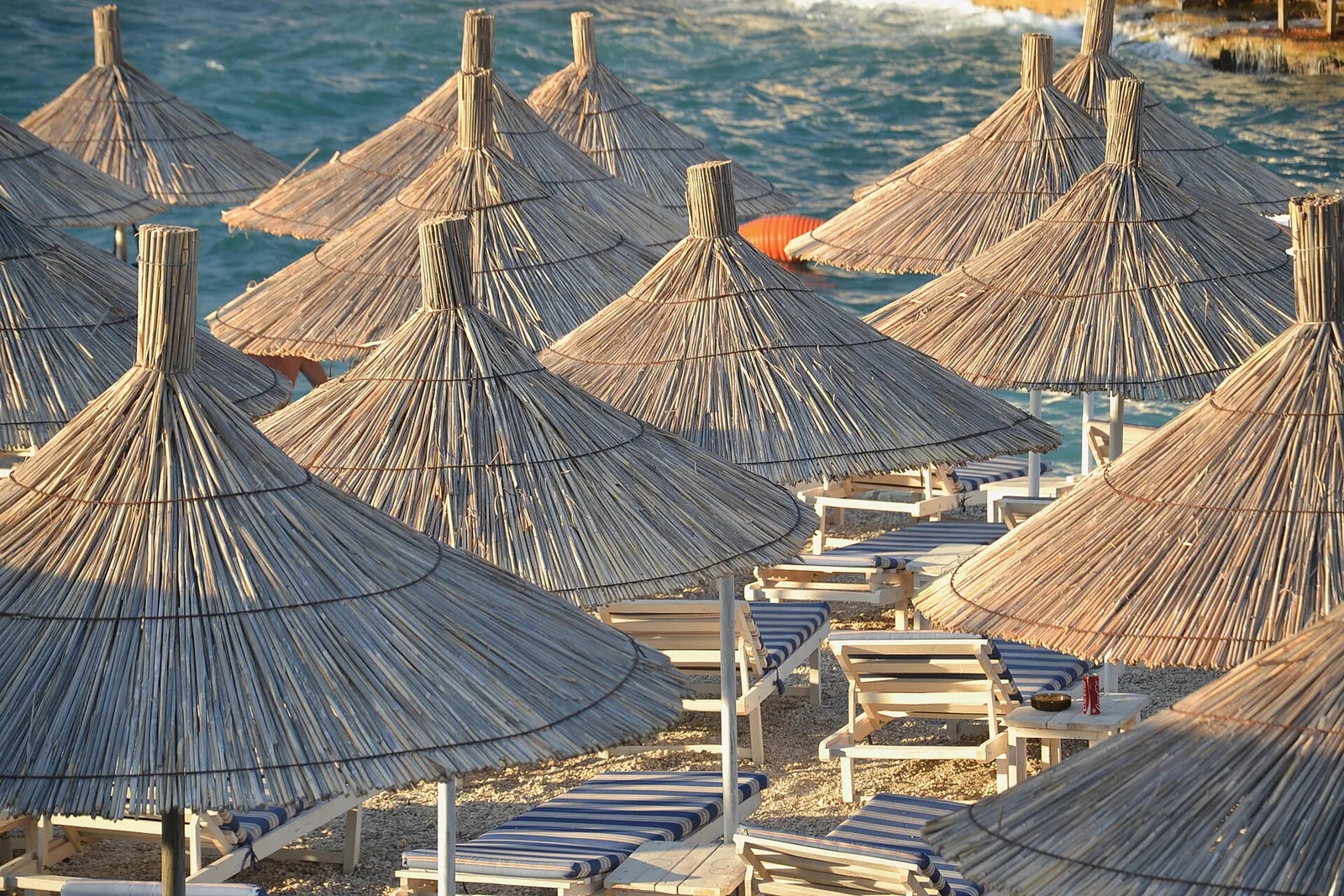
Iso polyphony is a UNESCO listed singing tradition with no instruments and no conductor, and hearing it properly takes a little more effort than booking a table.
Blloku was sealed off from ordinary Albanians until 1991. Long before the bars open for the night, it runs on coffee, an evening walk called the giro and a stretch of restaurants, and this is what the neighbourhood is actually like by day.
What is worth carrying home from the Albanian capital and what is mass produced tat with an eagle on it, from the bazaar and the castle lane to the malls on the ring road.
A country famous for grilled meat that also has cheese pies, stuffed vegetables, bean stews, a fasting tradition and the best tomatoes in the region.
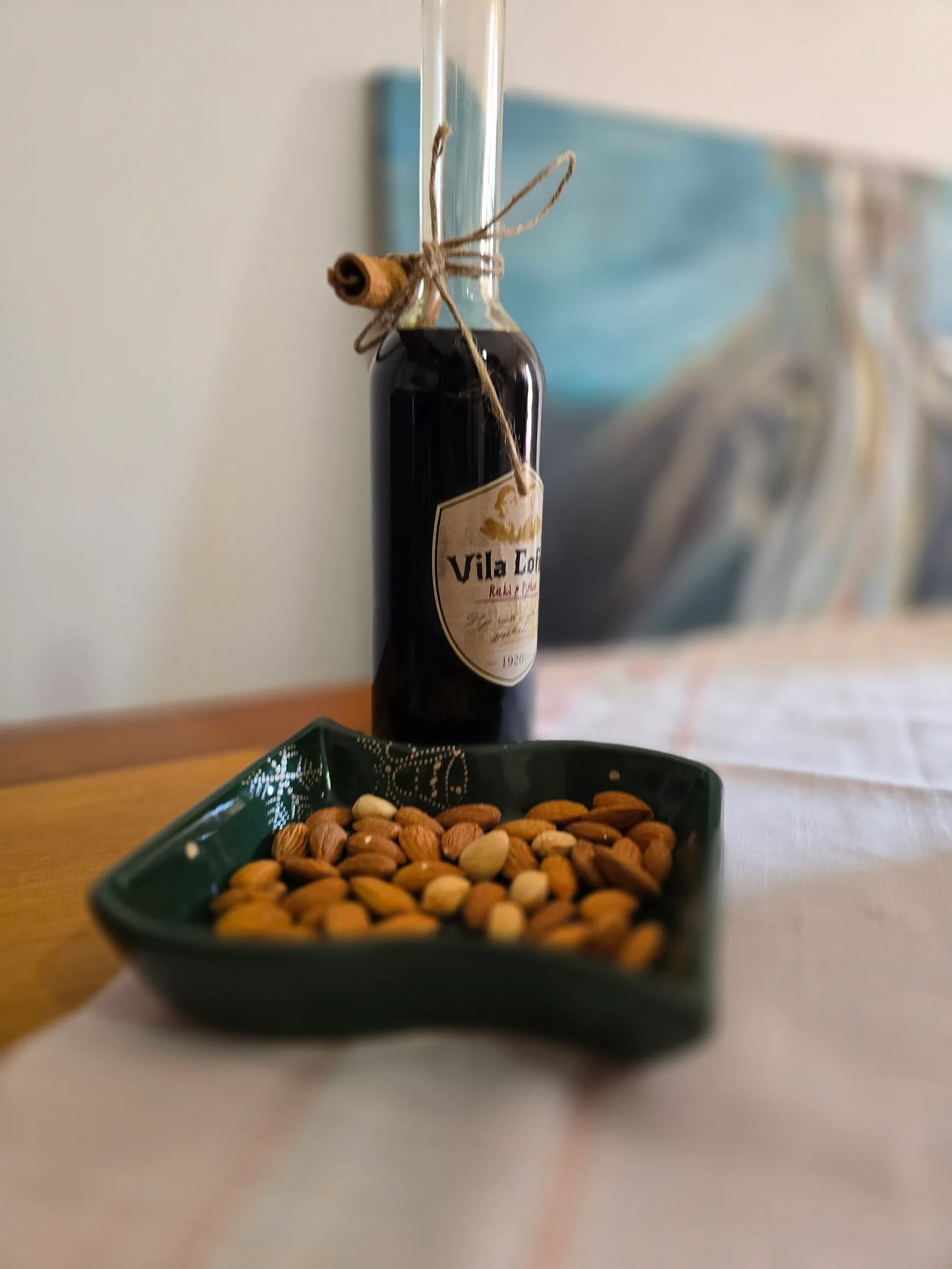
A fruit spirit offered before you have eaten, an espresso culture that runs from dawn to midnight, and wine from a country that barely exports any.
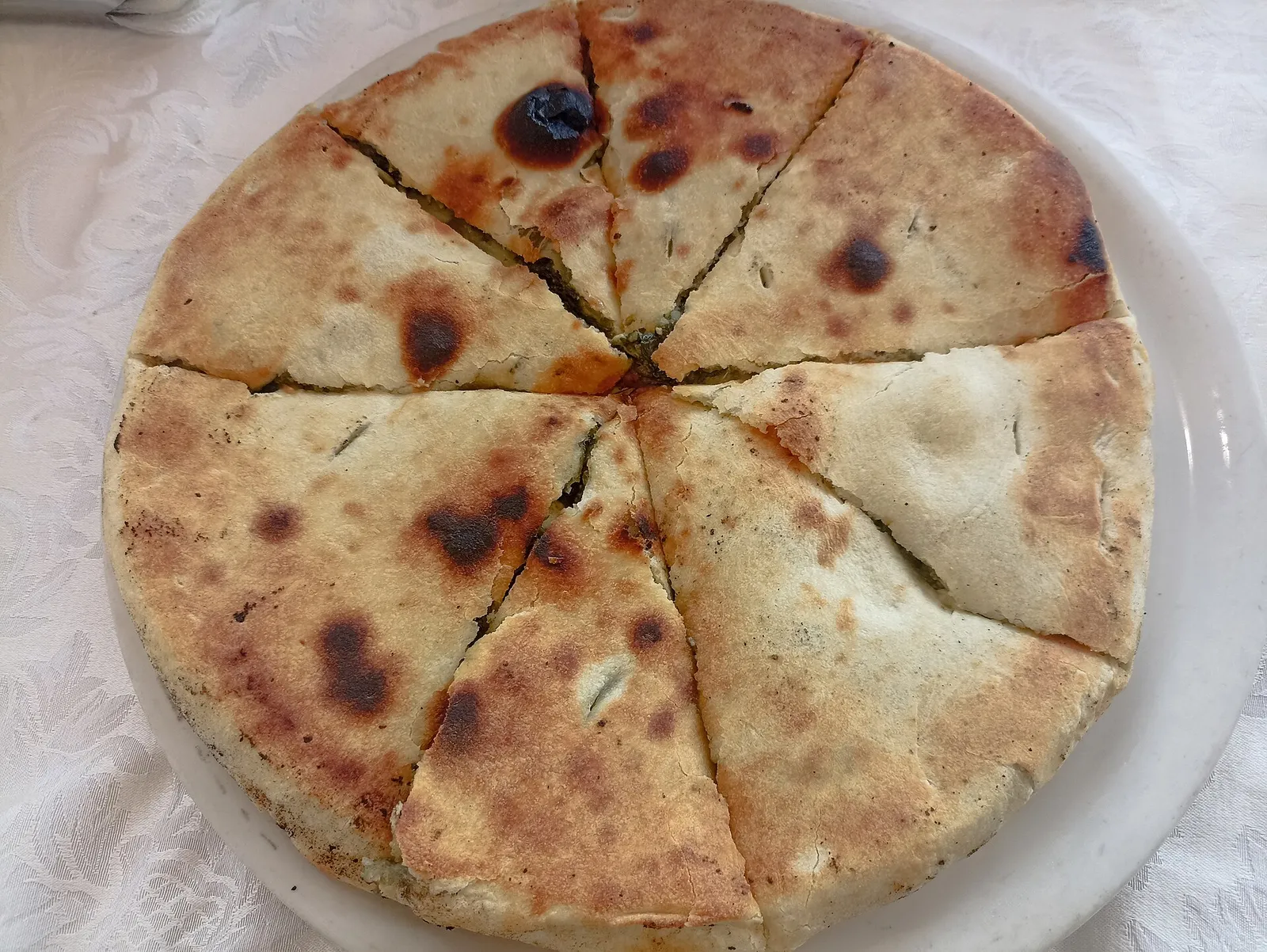
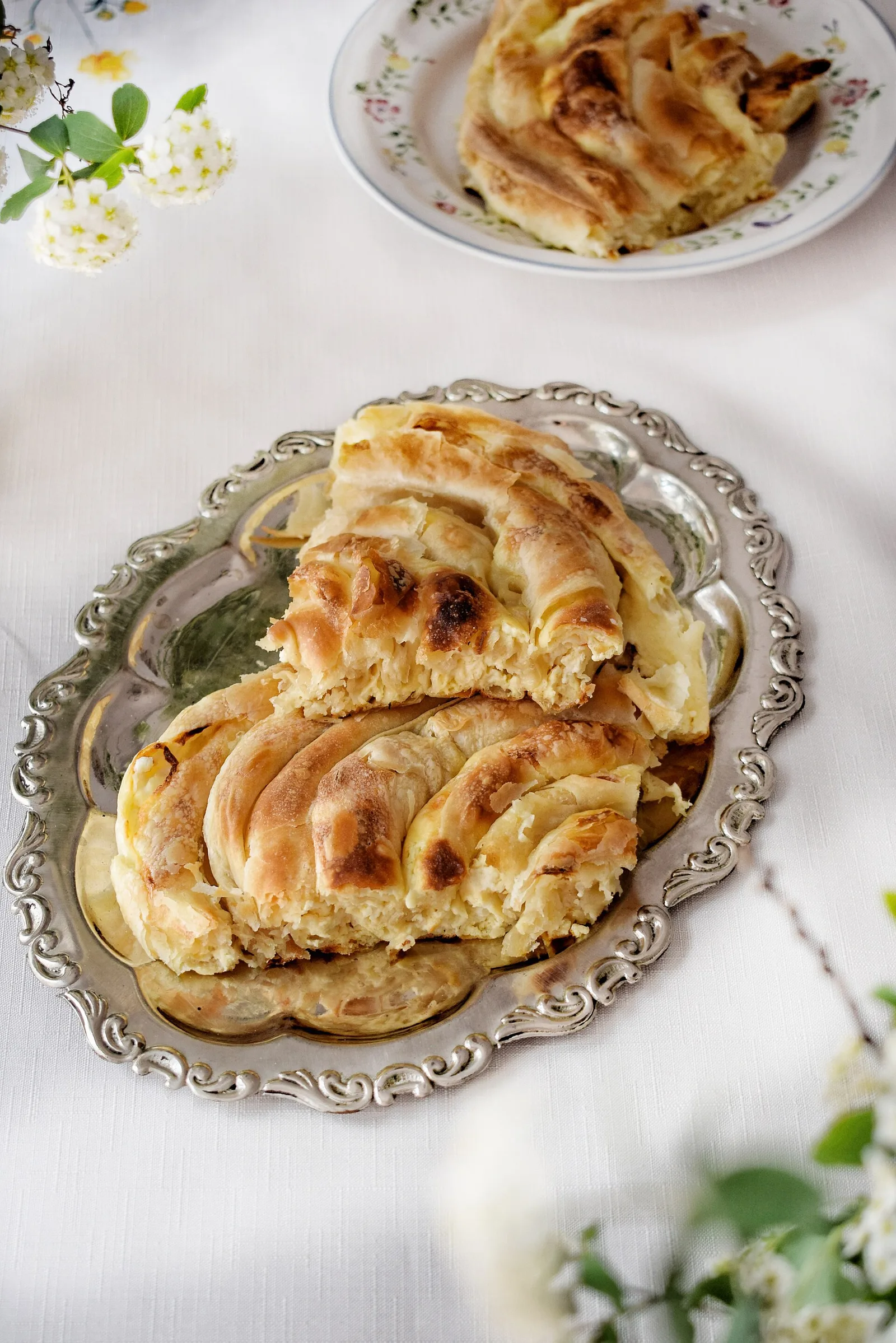
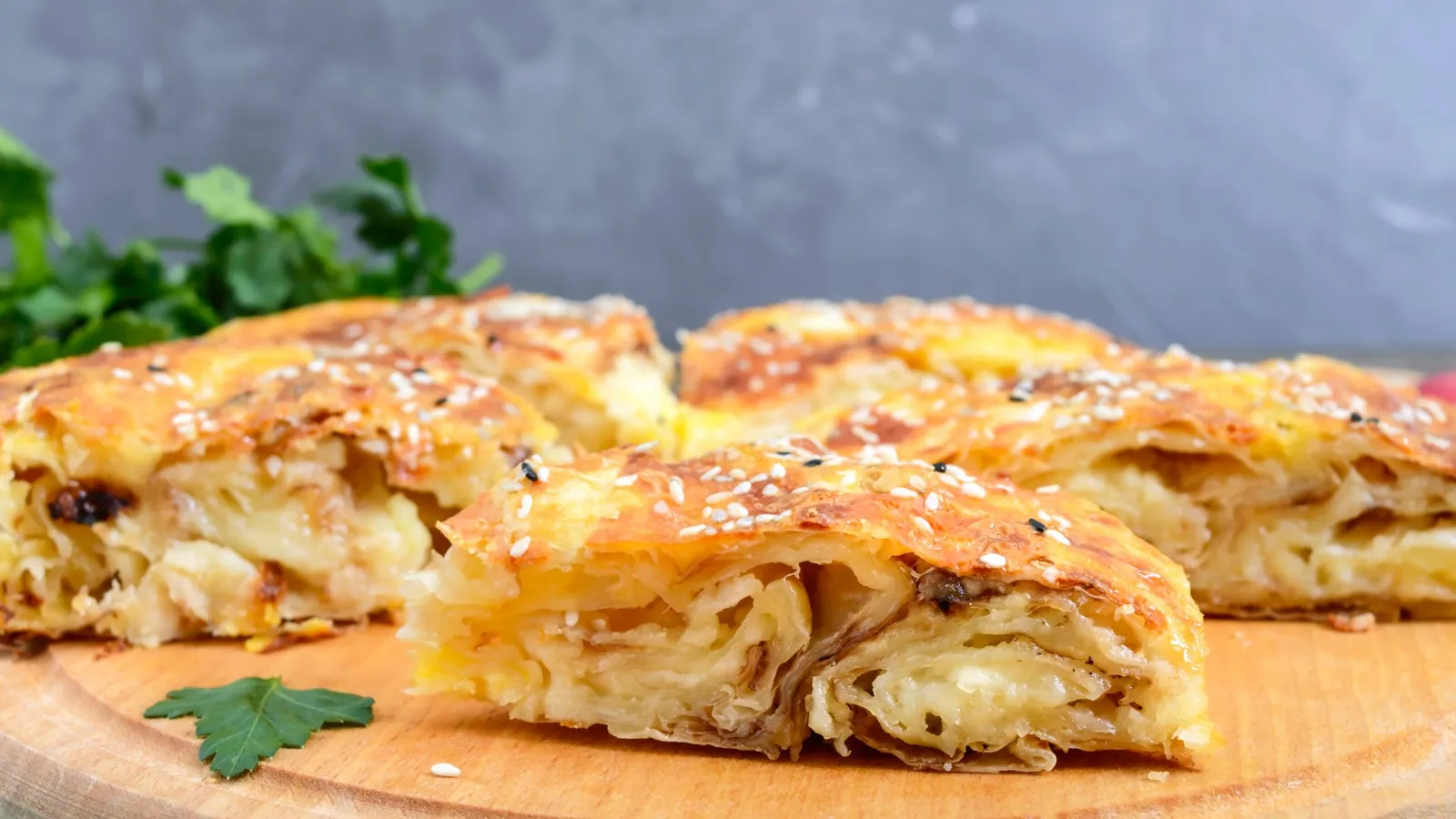
Layered pastry filled with cheese, spinach, meat or tomato, sold by weight from a counter, eaten standing up, and the national breakfast.
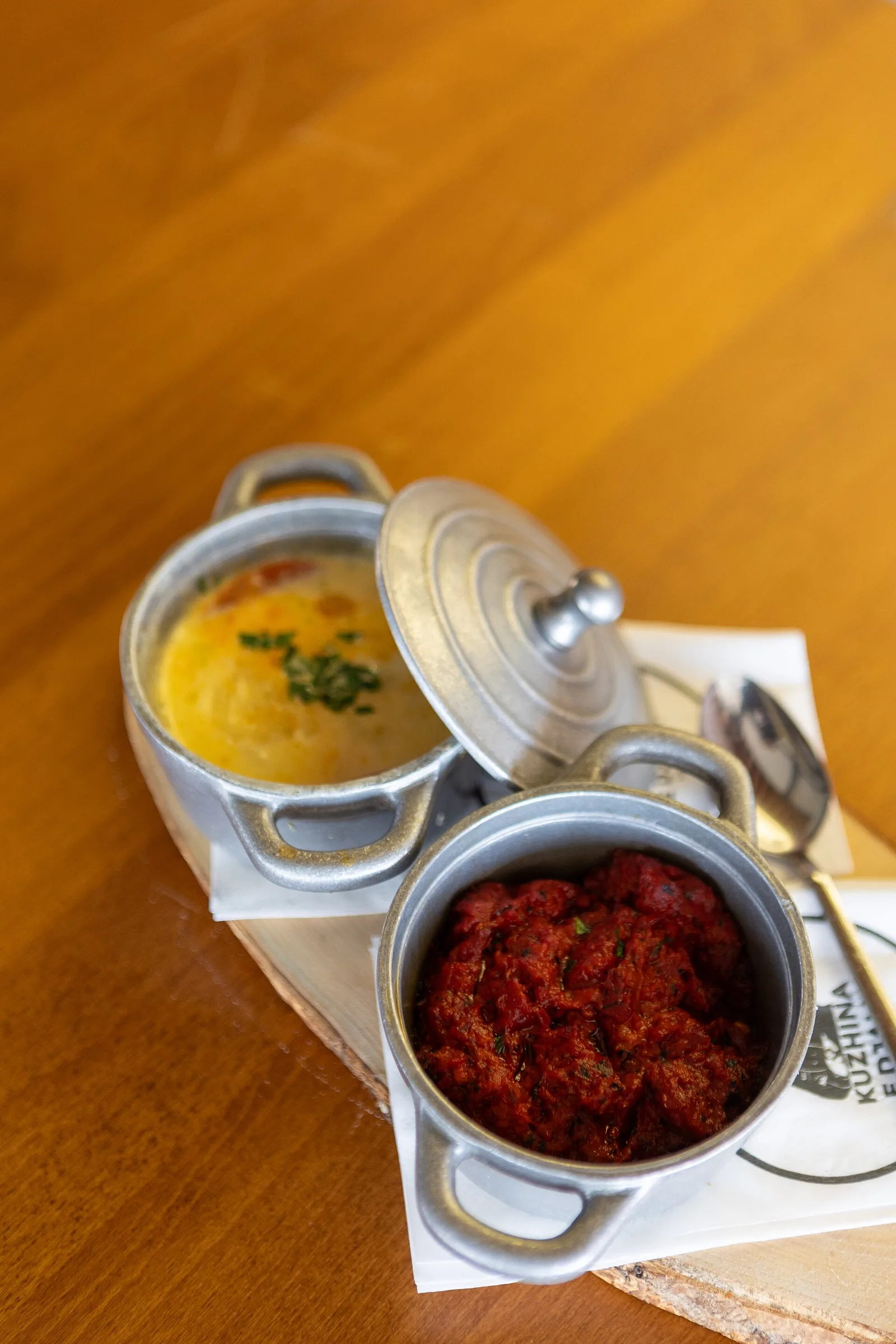
A guide to Albanian food, from flaky byrek and baked tavë kosi to fërgesë, fresh Adriatic seafood and homemade raki, plus what to order and where to find the best of it.
A fruit spirit offered before you have eaten, an espresso culture that runs from dawn to midnight, and wine from a country that barely exports any.
Blloku was the sealed compound where the party elite lived, and it is now the loudest few streets in the Balkans. Where else to go and when things start.
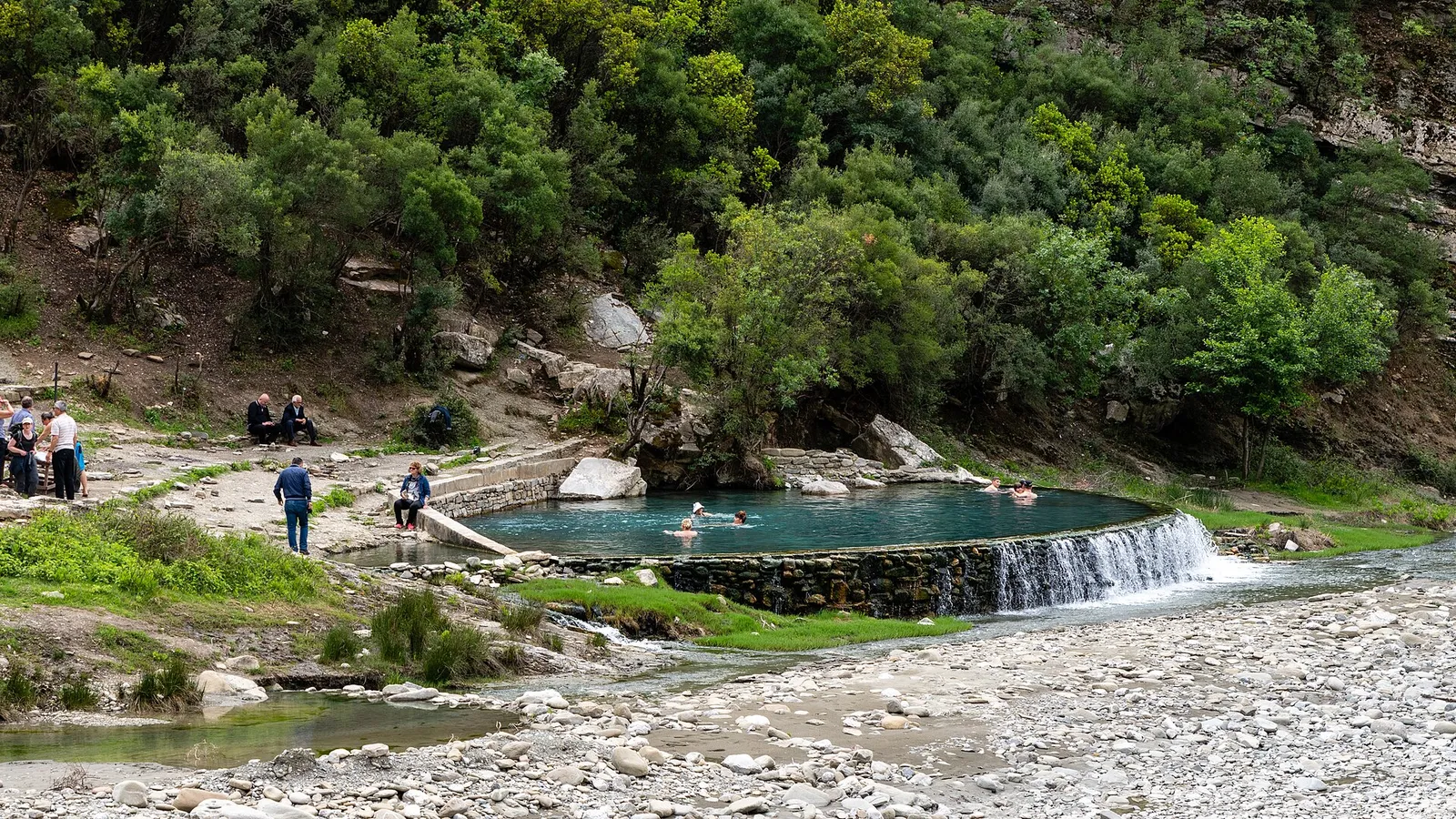
Stone pools of warm mineral water beside a river, under an Ottoman bridge, in a valley almost nobody routes through. What it is and how to get there.
The easiest half day out of Tirana, and the one that explains why Albanians talk about Skanderbeg. A castle on a cliff, a restored Ottoman bazaar, and a hard sell.
A cliffside church, a walkable old town and a monastery with peacocks, all on the North Macedonian side of a lake Albania shares. What the border crossing actually involves, passport by passport.
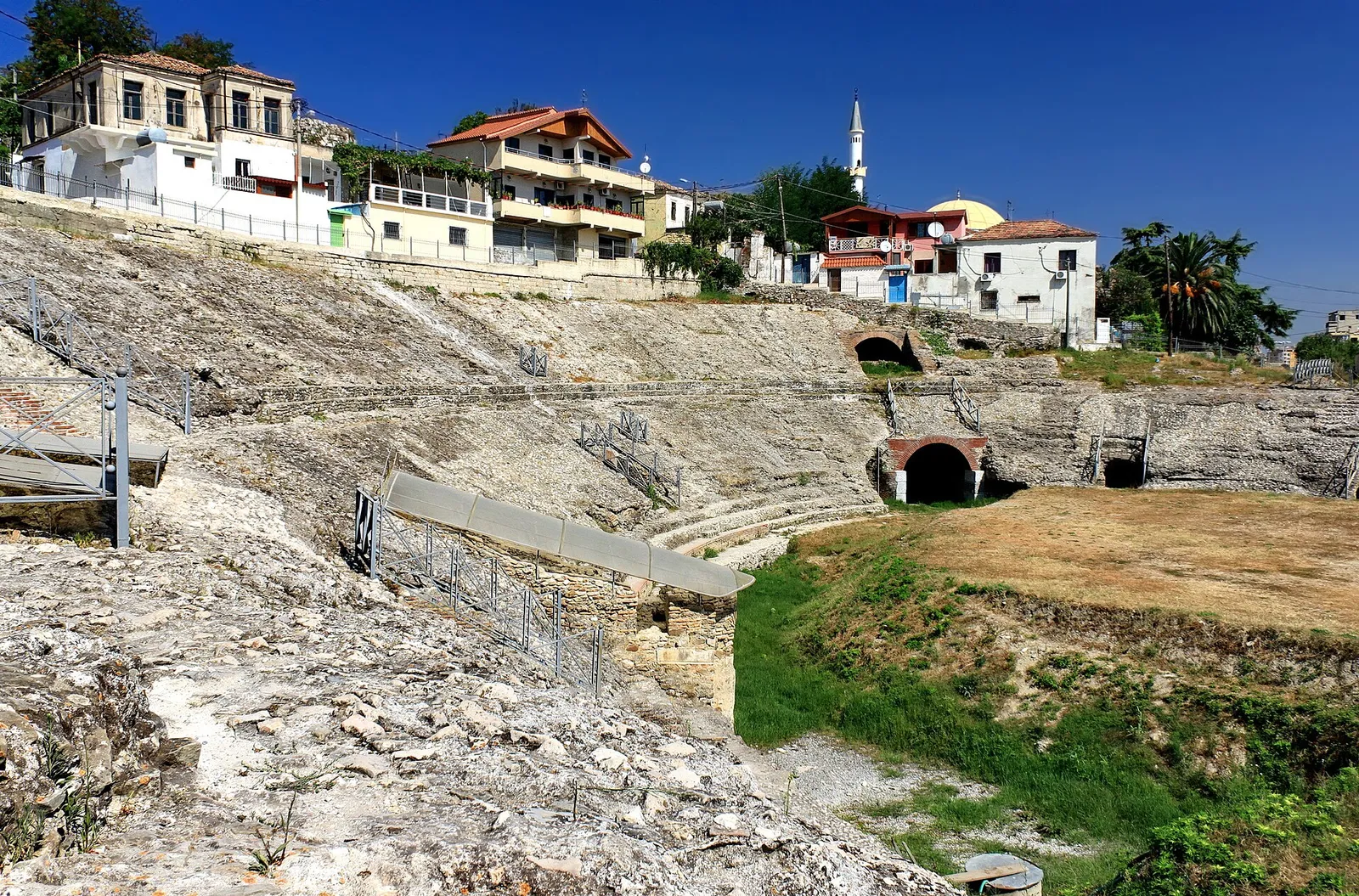
The largest Roman amphitheatre in the Balkans sits in a residential block, half excavated, with a Venetian tower down the road and a long sandy beach behind.
Two Ottoman quarters facing each other across a river, a castle with people still living inside it, and a nickname that turns out to be literal.
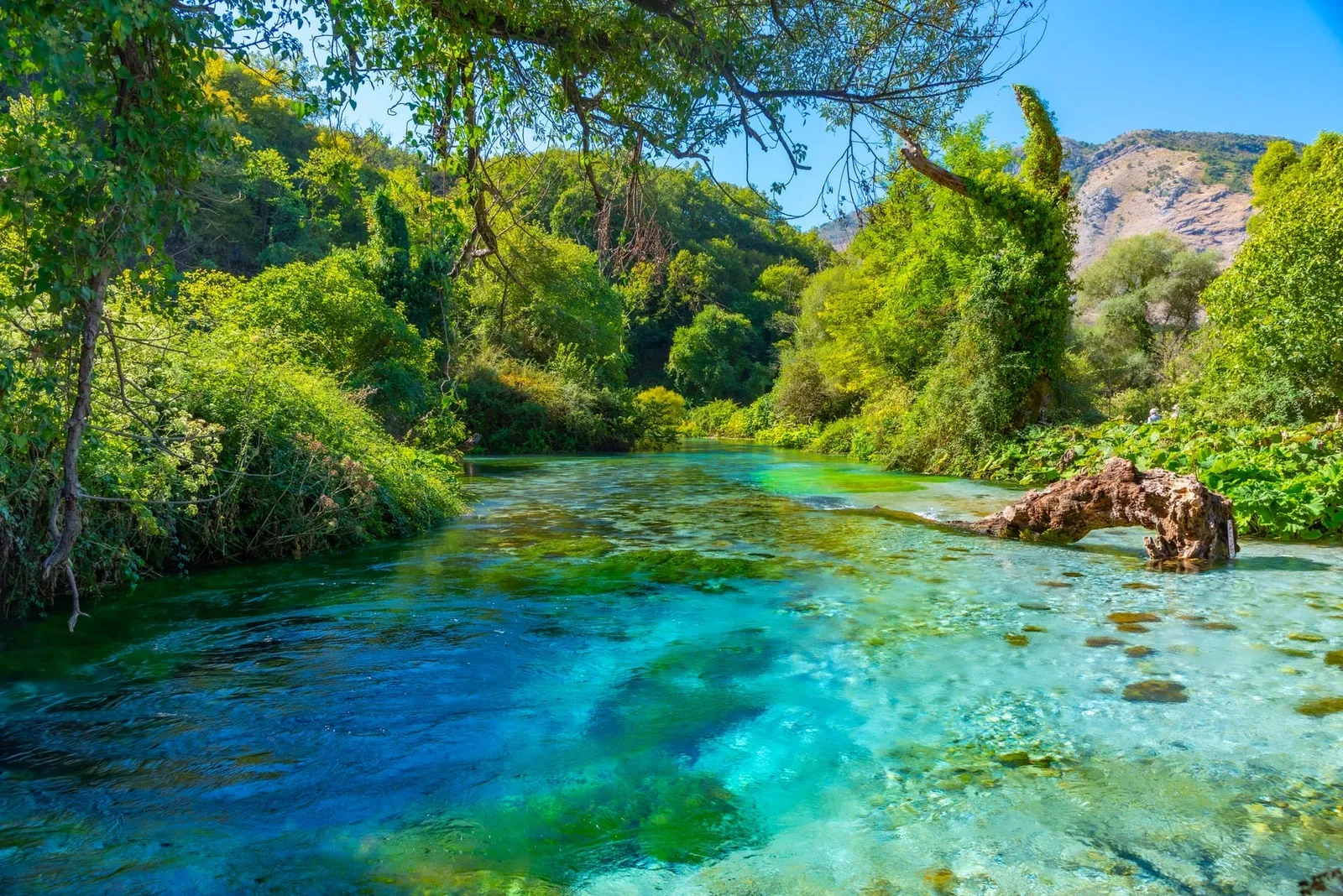
A karst spring in southern Albania where the water comes out of the rock at an unknown depth and an impossible colour, half an hour from the coast.
A week-long route through the Albanian north: Shkoder and its lake, the Koman ferry, the Valbona valley and Theth, with where to sleep each night and how the pieces connect.
Most people pass through Shkoder on the way north and regret not stopping. A lake, a castle above it, a bicycle culture and the road to Koman all start here.
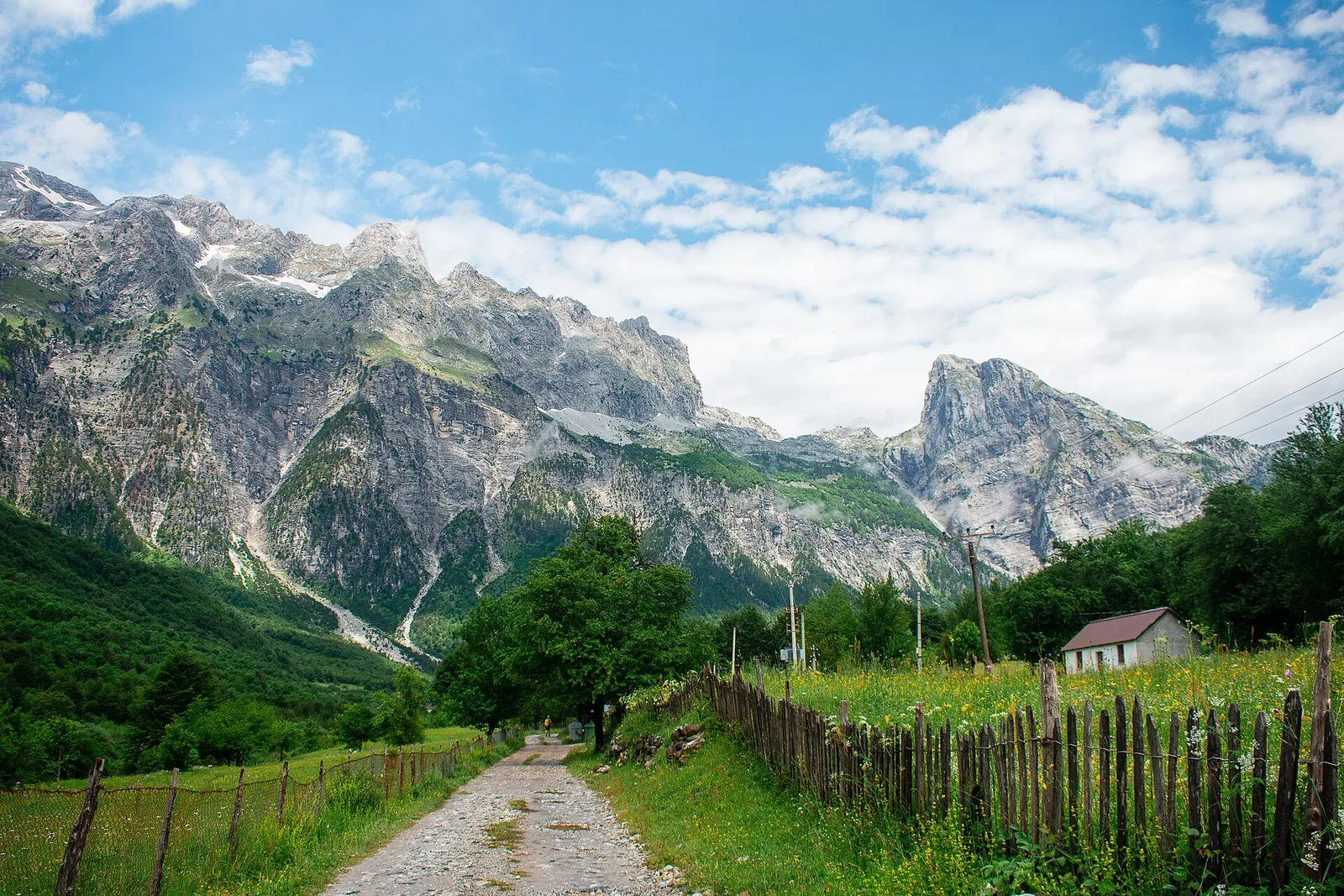
A complete guide to the Albanian Alps: the villages of Theth and Valbona, the famous Theth to Valbona hike, when to go, where to stay, and how to plan the journey in.
A pass between two Alpine valleys, a gorge that ends at a beach, a national park at a thousand metres above the coast road, and very little mountain rescue.
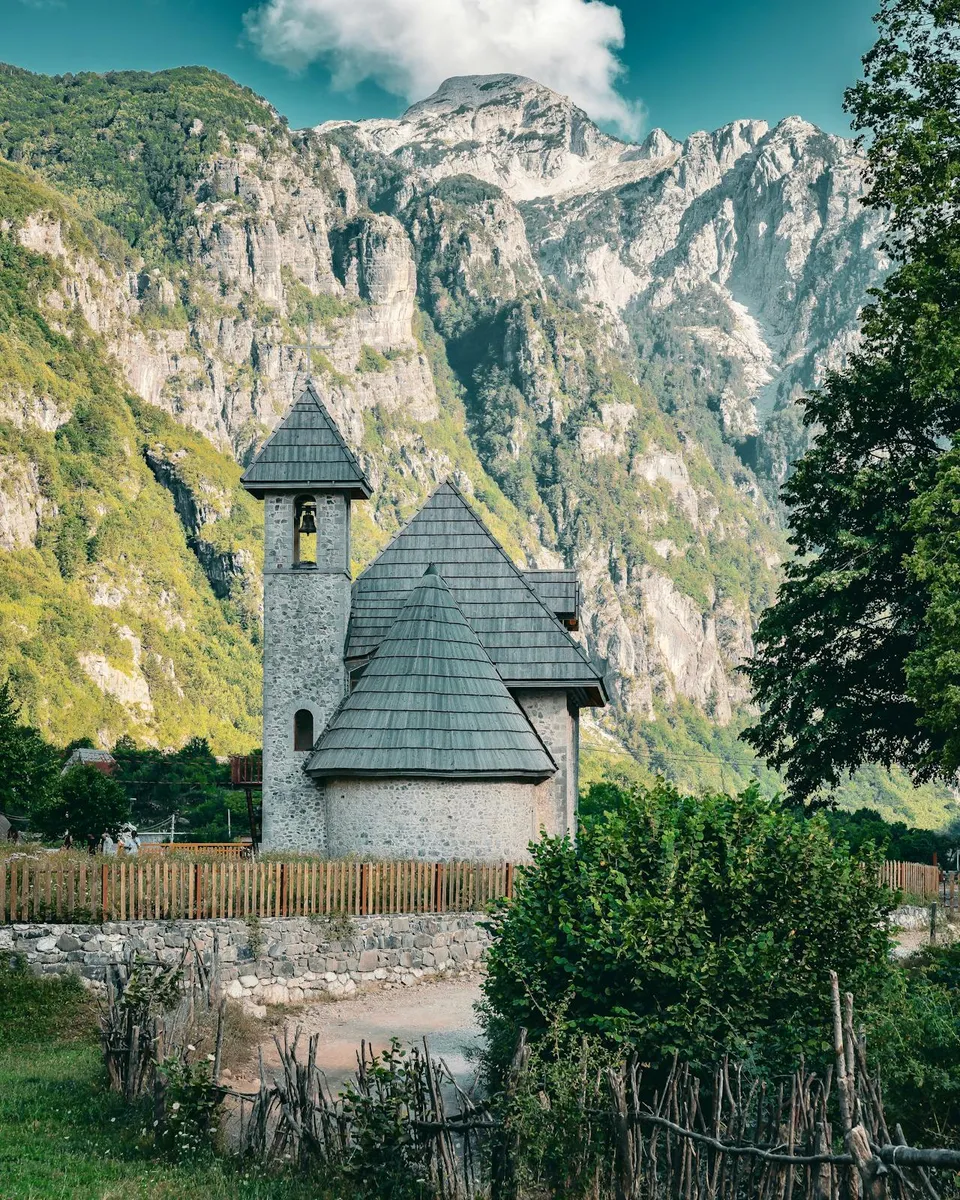
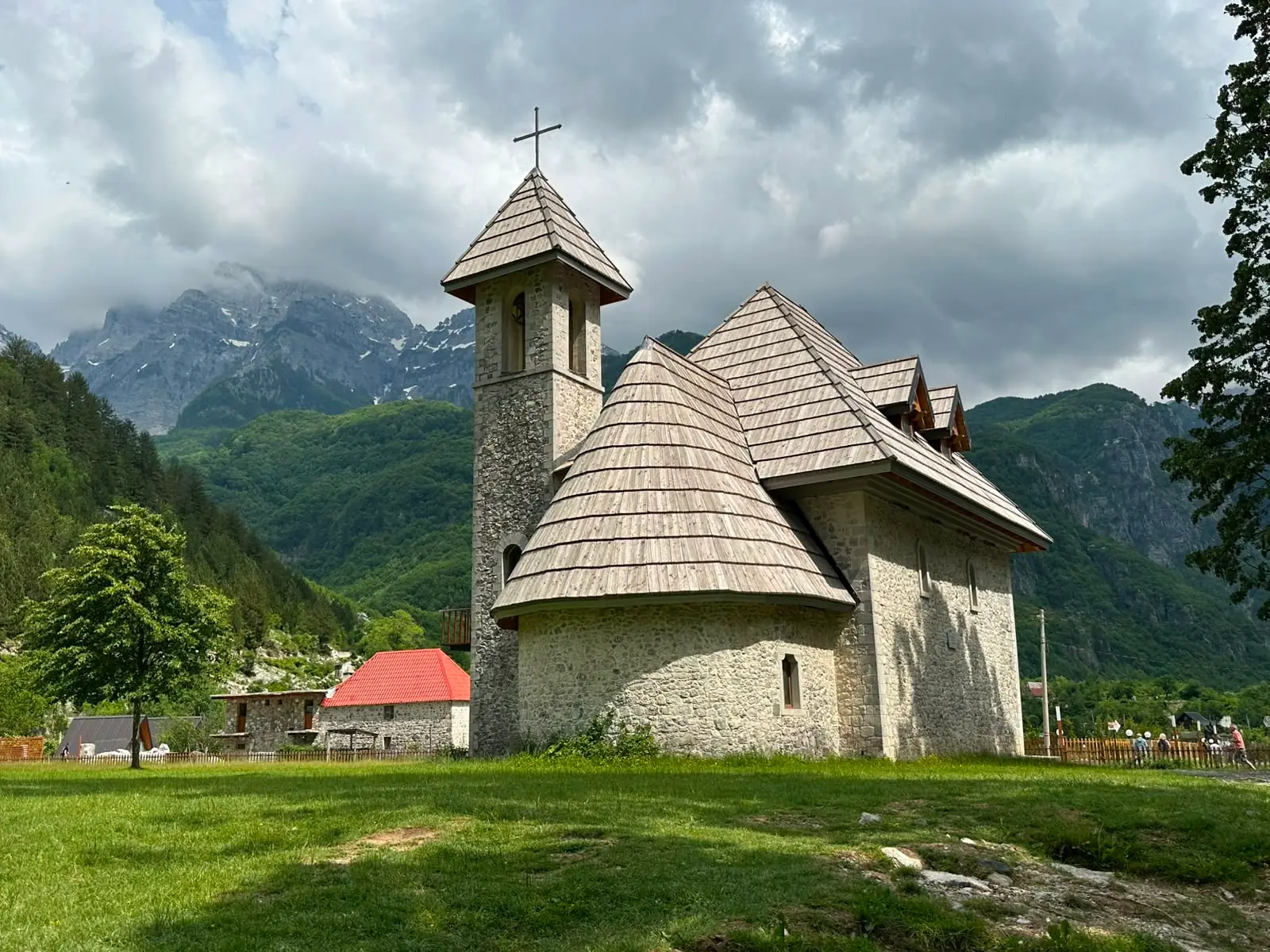
Stone houses under limestone walls, a church that is the most photographed building in northern Albania, and a pass over to the next valley on foot.
Everyone does Berat, Gjirokaster and the riviera. These five are on nobody's standard route, and between them they cover stone architecture, Ottoman streets and mountain valleys.
The easiest half day out of Tirana, and the one that explains why Albanians talk about Skanderbeg. A castle on a cliff, a restored Ottoman bazaar, and a hard sell.
Most people pass through Shkoder on the way north and regret not stopping. A lake, a castle above it, a bicycle culture and the road to Koman all start here.
The largest Roman amphitheatre in the Balkans sits in a residential block, half excavated, with a Venetian tower down the road and a long sandy beach behind.
A Greek and Roman city in a lagoon, two Ottoman towns, a Roman amphitheatre under a modern city, and a hundred and seventy thousand concrete bunkers.
Two Ottoman quarters facing each other across a river, a castle with people still living inside it, and a nickname that turns out to be literal.
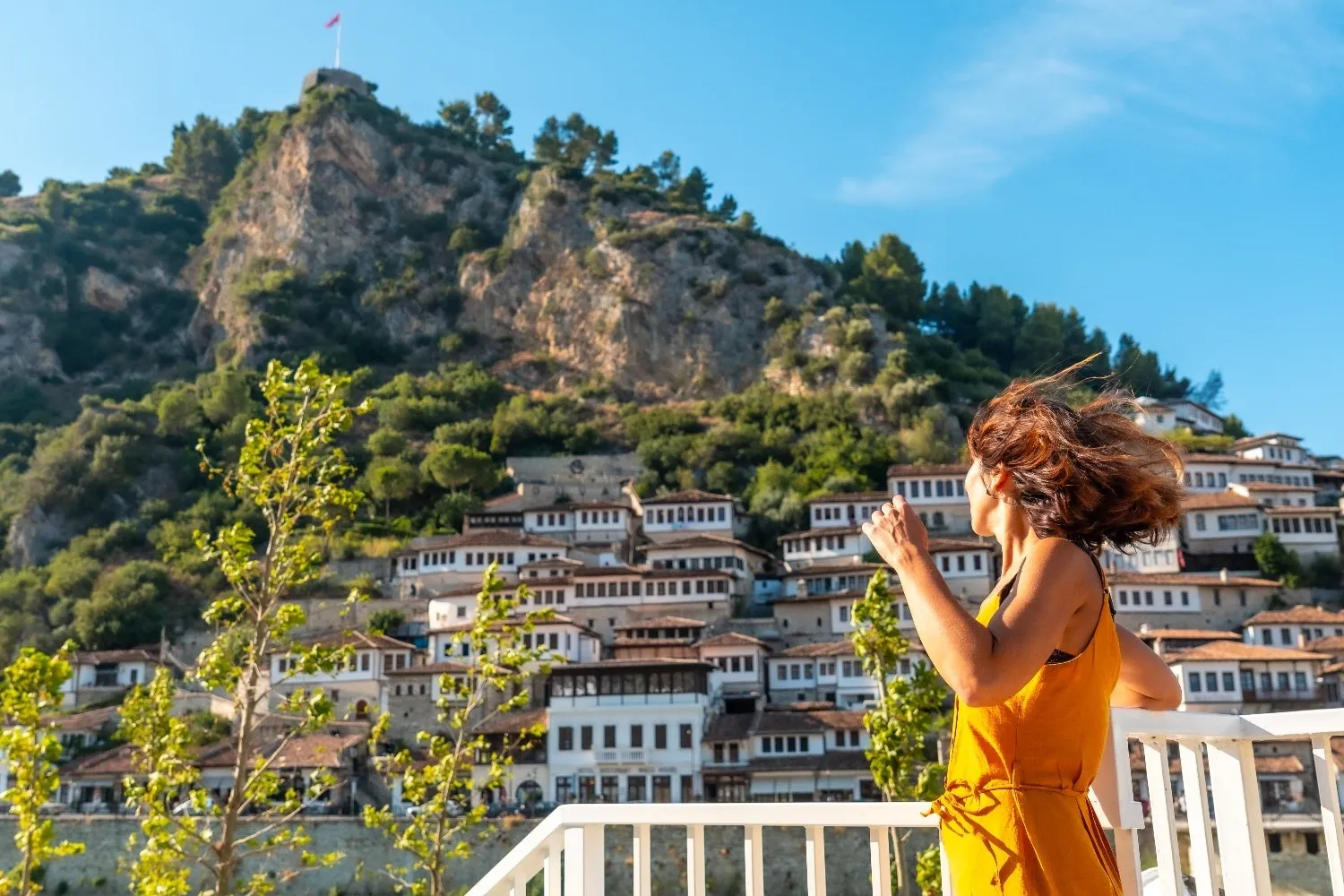
A UNESCO listed Ottoman town of slate roofed tower houses climbing a mountainside, with a castle on top and a bazaar street through the middle.
A working port city with a long promenade, the square where the country was founded in 1912, and the road south that turns into the best drive in the Balkans.
Albania rewards slow travel and punishes tight schedules, which suits some older travellers very well and others not at all. An honest look at terrain, roads and comfort.
The small beach village with the turquoise islets is the photograph everyone arrives for. Whether you should also sleep there, rather than in Saranda twenty minutes up the road, is a different question.
Where to stay on the Albanian Riviera: Saranda for restaurants and transport, Ksamil for the water, the quieter villages between them, and what a sea view actually costs.
Saranda vs Ksamil compared as a base on the Albanian Riviera: beaches, hotels, restaurants, transport, day trips to Butrint and the Blue Eye, costs and crowds, with a clear verdict per traveller type.
A small capital where everything is walkable, and where the difference between the four central districts is noise, price and how Albanian your street feels.
The site has 57 guides covering all of Albania: Tirana, the Albanian Riviera, Saranda and Ksamil, Berat, Gjirokaster, food, transport and practical info. All are updated regularly.
Start with the general planning guide and "when to visit Albania", then move on to the Riviera and beaches guide and the ready-made itinerary that fits your number of days. That builds the full picture before the details.
Yes. Albania is made for a self-drive trip, and every guide includes road conditions, prices and on-the-ground tips, exactly what you need to plan and run the trip yourself.
We keep prices, opening hours and information on border crossings and transport up to date. Every guide shows its last update date so you know how fresh the information is.