Albania is a rewarding country for older travellers and a genuinely awkward one, and which of those you experience depends almost entirely on how the trip is built.
The good parts are real. Hospitality here is warm in a way that is not performed, prices allow comfort that would be unaffordable elsewhere, and nothing about the country is unsafe.
The awkward parts are also real, and they are physical: pavements, cobbles, hillsides and long winding drives.
What actually gets in the way
It is worth being specific rather than vague.
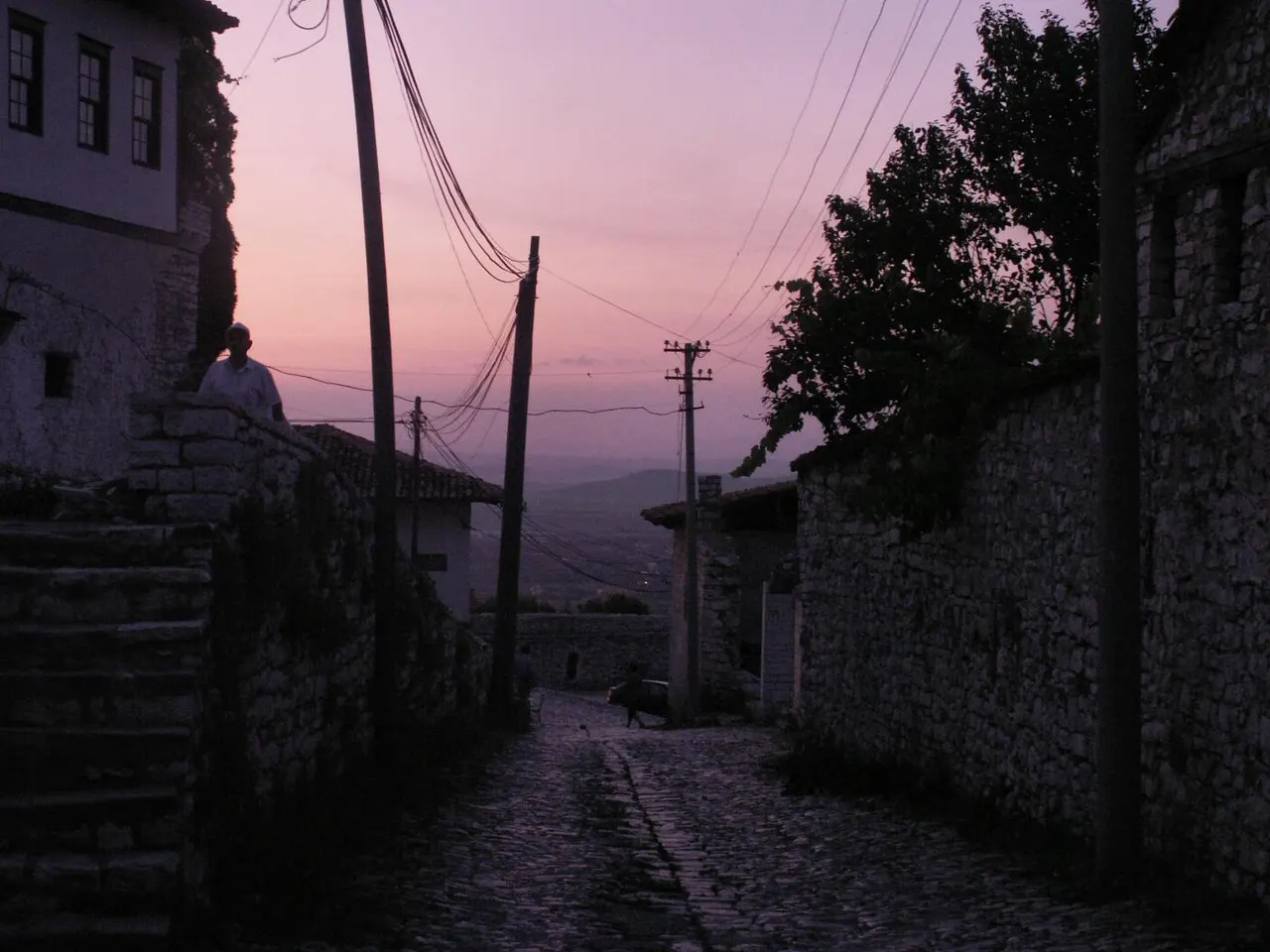
Pavements in the cities are uneven, frequently obstructed by parked cars, and sometimes simply absent. This is the most common complaint and it is a legitimate one.
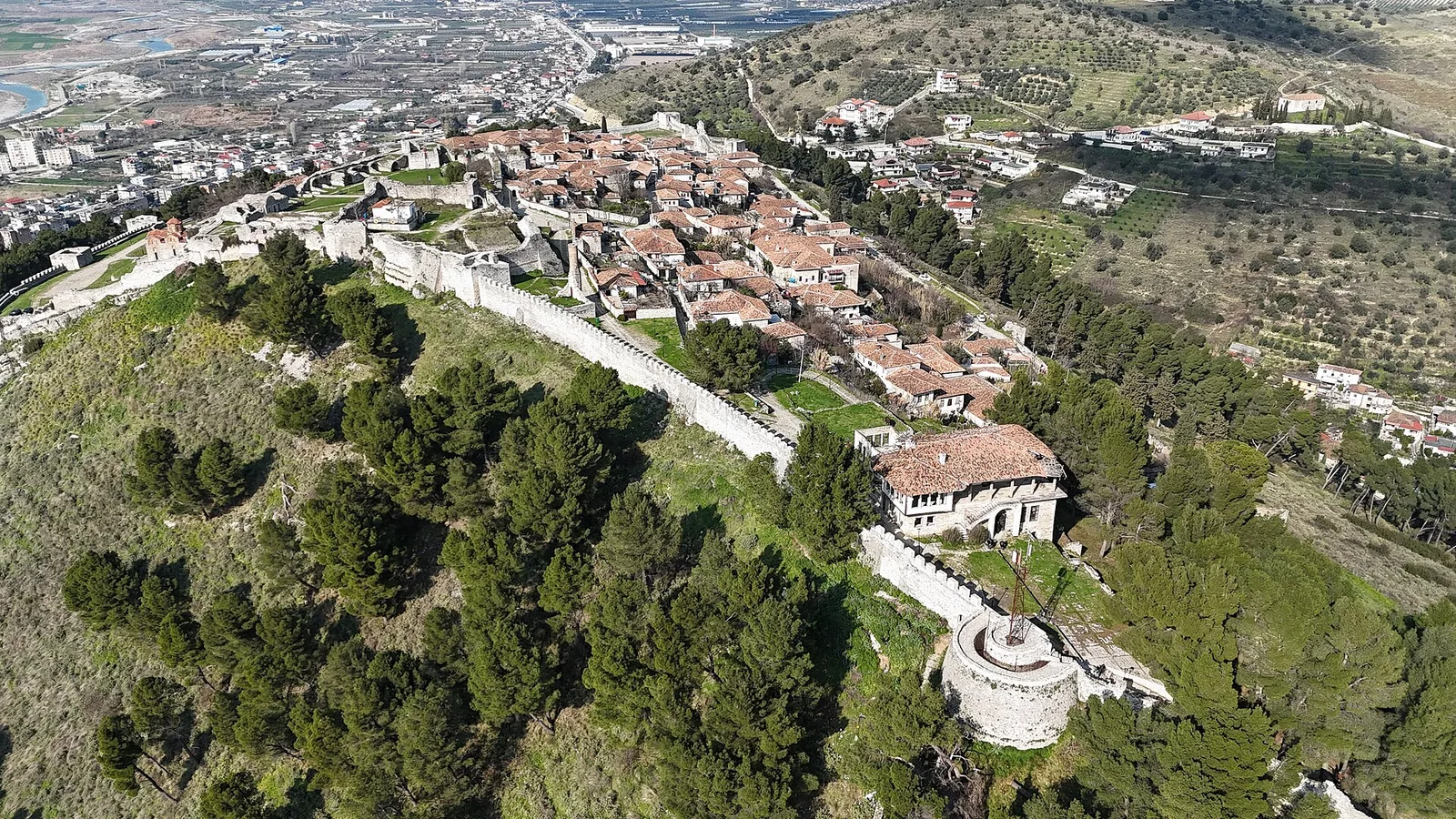
Historic towns are built on hills. Berat, Gjirokaster and Kruje are all attractive precisely because they climb a slope, in stone, with steps.
Roads wind. The mountain and coastal routes are scenic and they involve hours of continuous curves, which is tiring and can be uncomfortable.
And lifts are not standard in older guesthouses and small hotels, including some very pleasant ones.
🔑 None of these is a reason not to come. All of them are reasons to design the trip differently from a twenty five year old’s version of it.
The shape that works
| Element | Recommendation |
|---|---|
| Bases | Two at most, three or four nights each |
| Transfers | A driver, not a self drive |
| Season | Late spring or early autumn |
| Days | One main thing, not three |
| Accommodation | Confirm the lift before booking |
A driver rather than a hire car is the single biggest quality of life decision. It costs far less here than in western Europe, it removes the mountain roads from your day, and it means the drive is a view rather than a task.
The general planning method is in the itinerary planning guide, and it applies here with the days stretched out.
Regions, ranked by ease
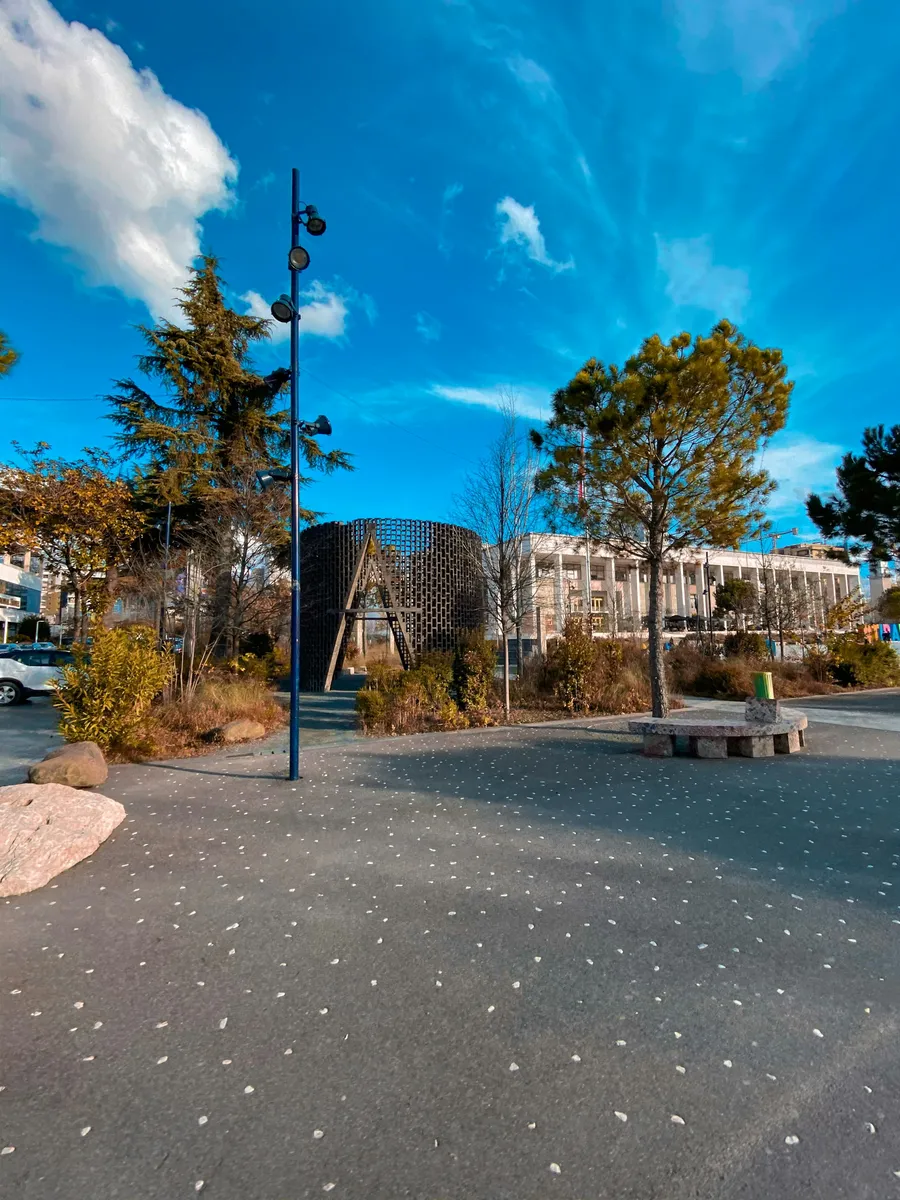
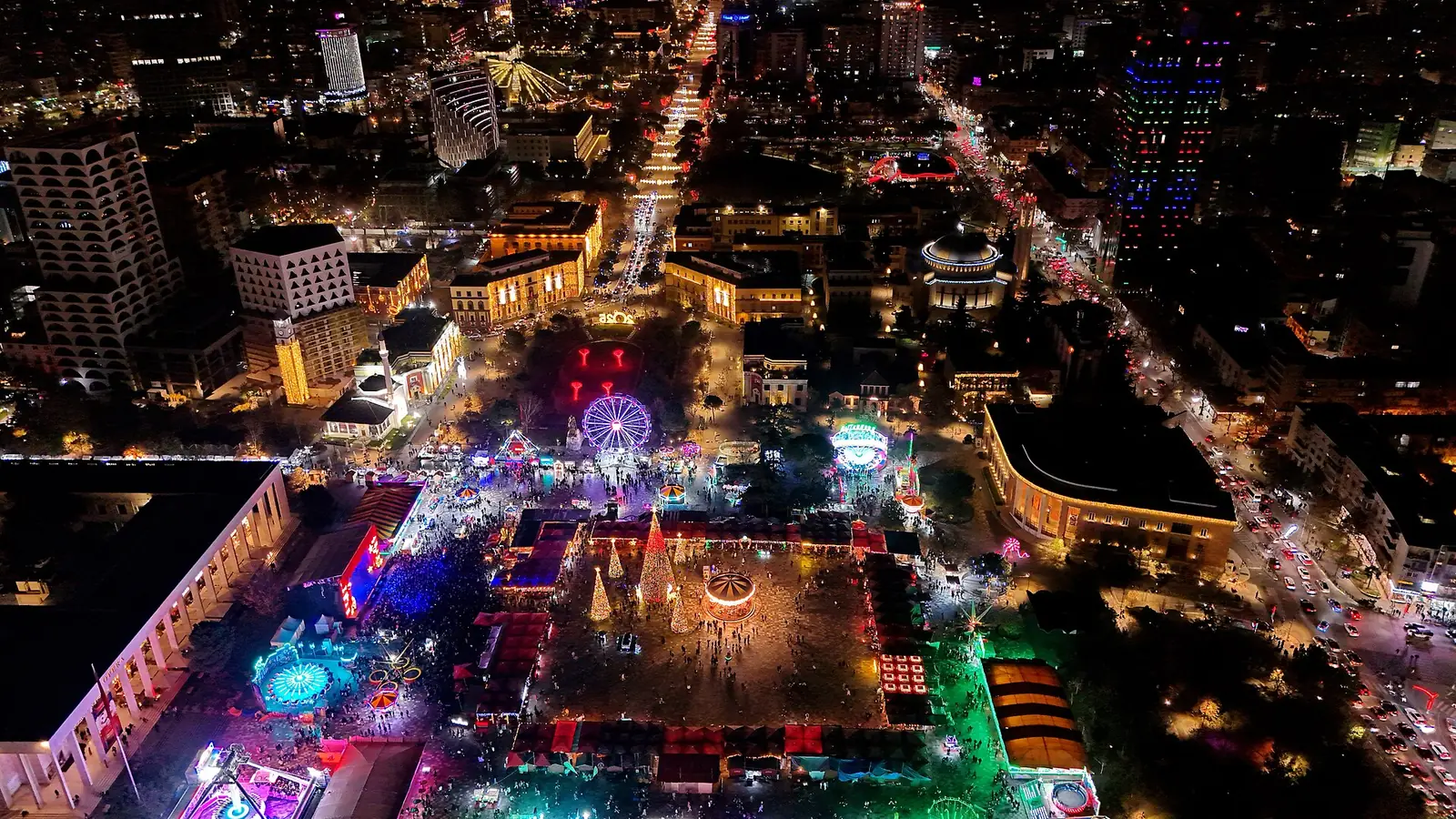
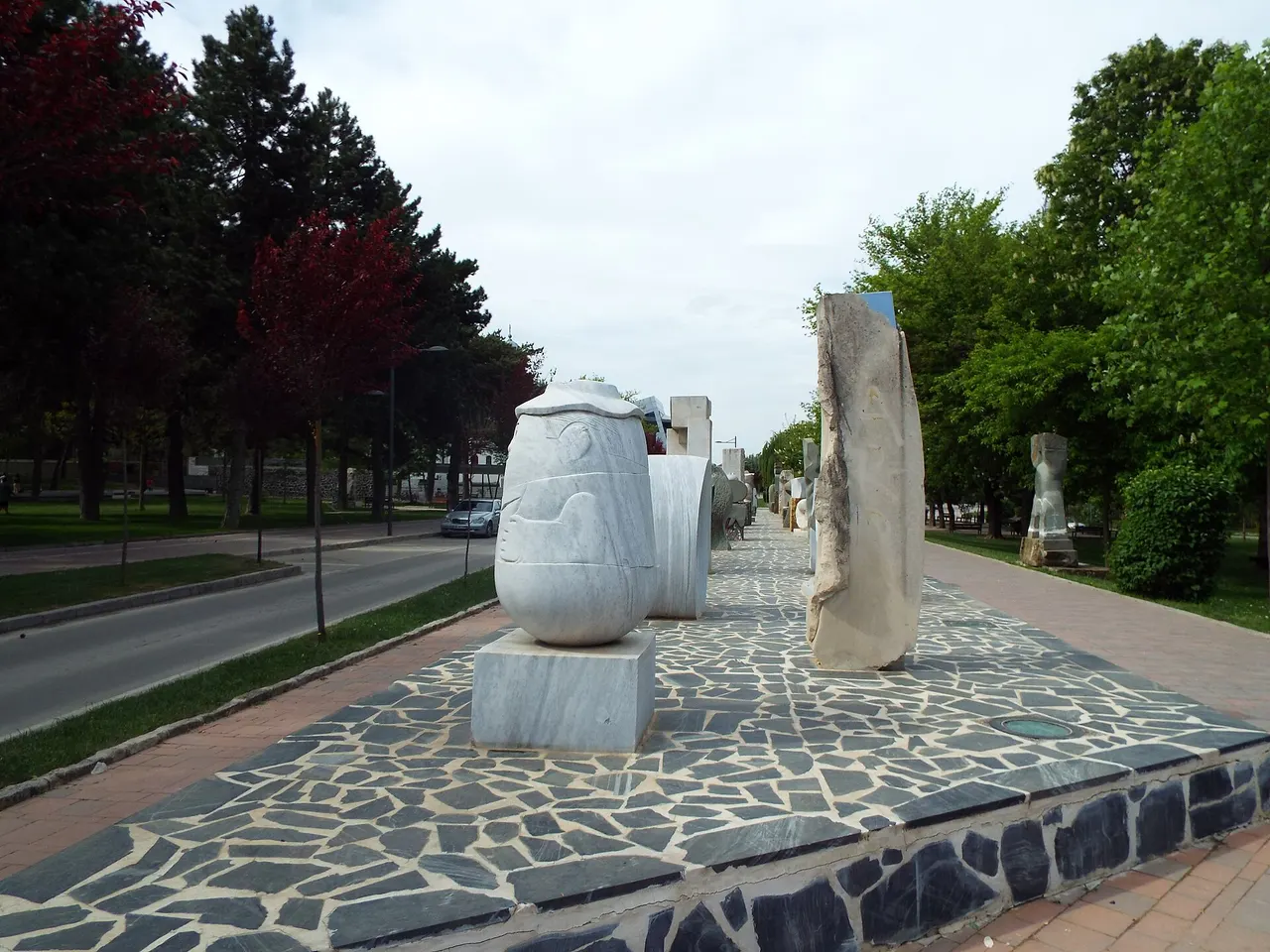
Tirana and day trips. Easiest by a distance. The central boulevard is flat and wide, taxis are inexpensive, day trips leave at civilised hours, and you never change hotel. For a first trip this is the obvious answer, and the short version is in the long weekend guide.
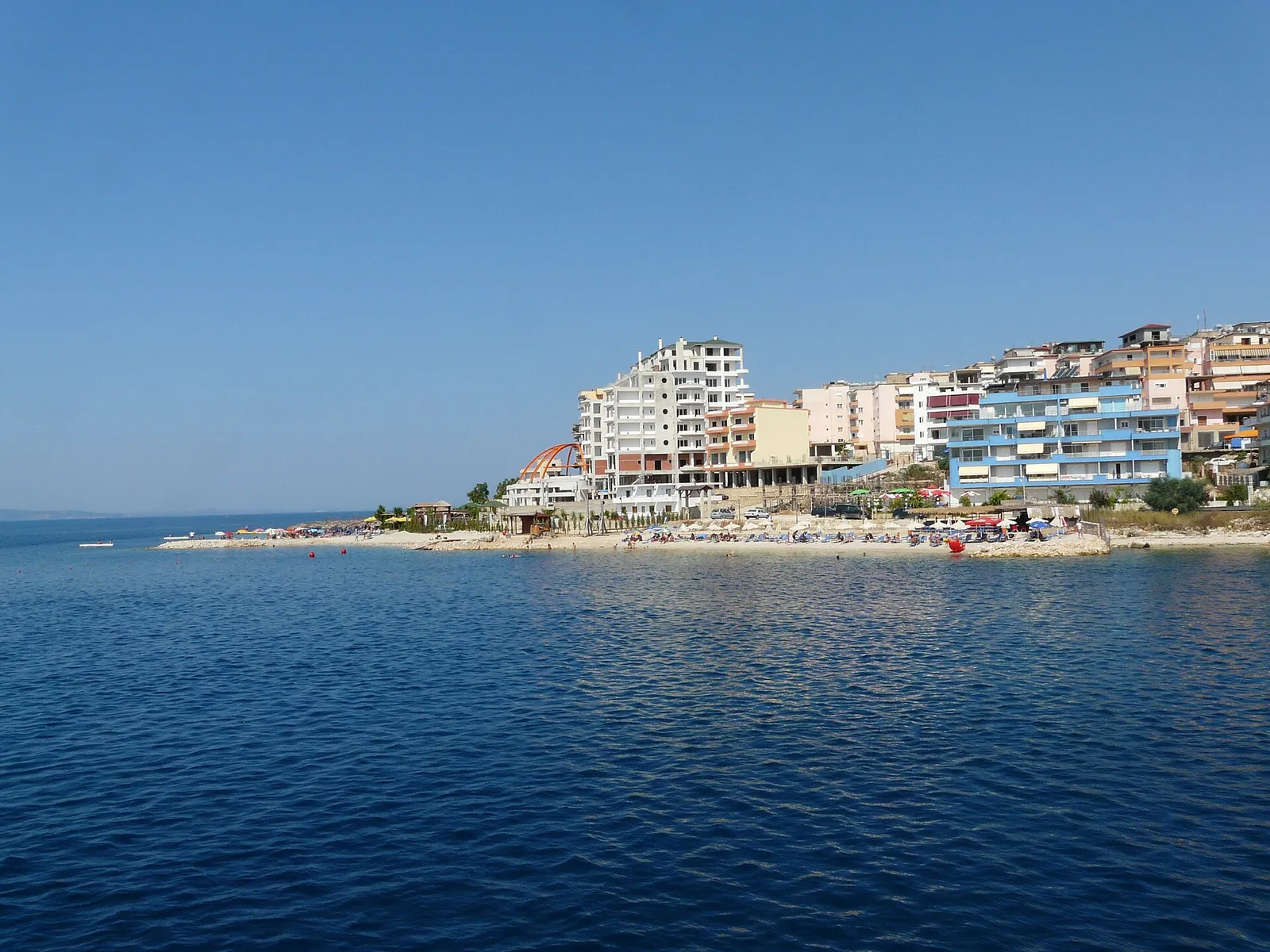
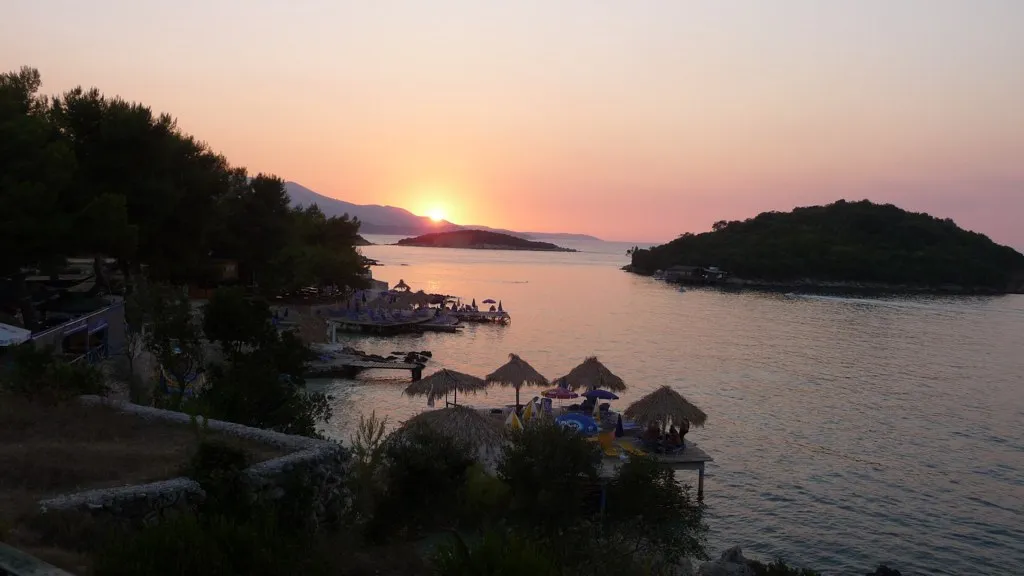
The southern coast. Manageable with a driver. The towns themselves involve slopes and steps, and the beaches are pebble rather than sand, which matters for footing more than for comfort.
Berat and Gjirokaster. Beautiful and steep. Both are doable if you accept seeing the lower town properly and the upper castle partially, or take a taxi up and walk down.
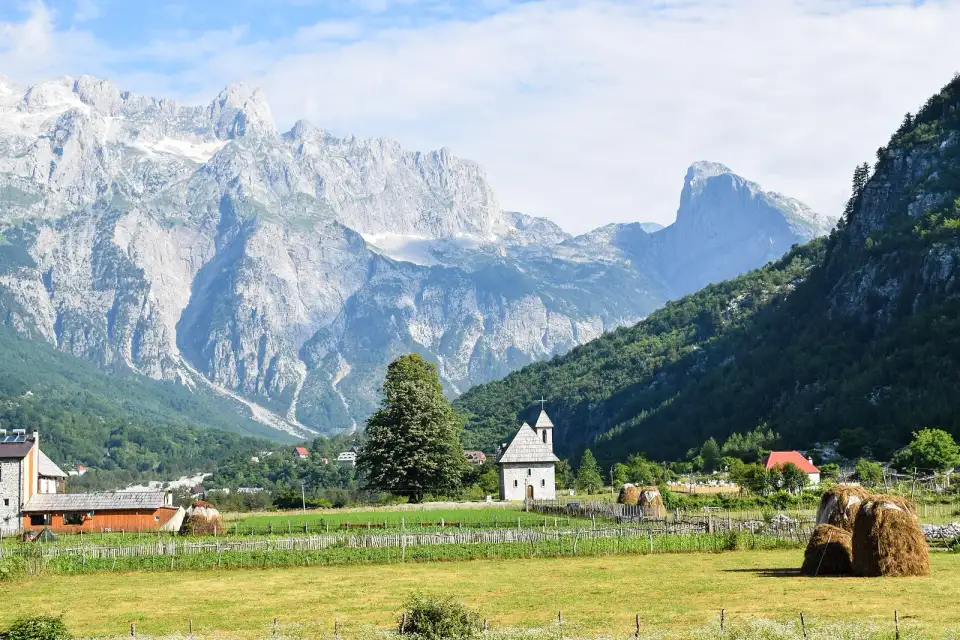
The northern mountains. Hardest. Long transfers, rough ground, guesthouses without lifts, and the appeal is walking. This is the region to skip rather than to attempt at reduced pace.
Season, which matters more than usual
Late spring and early autumn are the answer. Comfortable temperatures, everything open, fewer people.
Summer heat on the coast is significant, and the middle of the day is tiring rather than merely warm. A plan built around mornings and evenings with a long rest between them works; a plan that ignores the heat does not.
Winter is wet, and the mountain routes close.
 Read the exclusions, not the priceCover for pre existing conditions
Practical points that make a difference
Ask about the lift explicitly before booking, and about which floor. Listings do not always say, and a third floor walk up in a historic building is a different holiday.
Ask about the bathroom. Step in showers are common; grab rails are not.
Take footwear with grip. Cobbles, pebble beaches and worn stone are the actual hazard, not anything dramatic.
Carry a written note of medications in generic names. Pharmacies are widespread and brand names differ.
And build in a rest day every third or fourth day. This is the advice most often ignored and most often regretted.
Medical care and insurance
Care in Tirana is reasonable. In rural areas, and especially in the mountains, distances to a hospital are long and the road is slow.
⚠️ This is the one purchase worth reading properly. The meaningful differences between policies are in how they treat pre existing conditions and whether repatriation is covered, not in the headline price. Buy on the wording.
Who this country is genuinely good for
Travellers who like to sit in cafes and watch a place work, who would rather spend four nights somewhere than one, and who are not bothered by things being slightly rough at the edges.
Albania is unusually good at all three. What it is not good at is being rushed, and that suits a slow trip better than a fast one.
In one line: Albania is easy to enjoy slowly and hard to enjoy quickly, which is not the worst problem a country can have.
Before you book
Most of what makes Albania manageable at a slower pace is decided before you arrive: how far apart the stops are, how long the road transfers really take, and whether the accommodation has a lift. Our first-time guide to Albania covers that groundwork in full, and it is worth reading alongside this one rather than instead of it, since almost everything in it applies whatever your age.