If the Riviera is Albania’s postcard, the Albanian Alps are its soul. Up in the far north, a wall of jagged limestone peaks known as the Accursed Mountains hides a world that feels a century removed from the coast: stone villages, wooden guesthouses, shepherds’ huts, glacial rivers and one of the most beloved day hikes in Europe. It takes a little effort to reach, and that is exactly why it stays so magical. Here is how to plan it.
The two villages: Theth and Valbona
The heart of the Alps is two remote valleys, each with a village at its base.
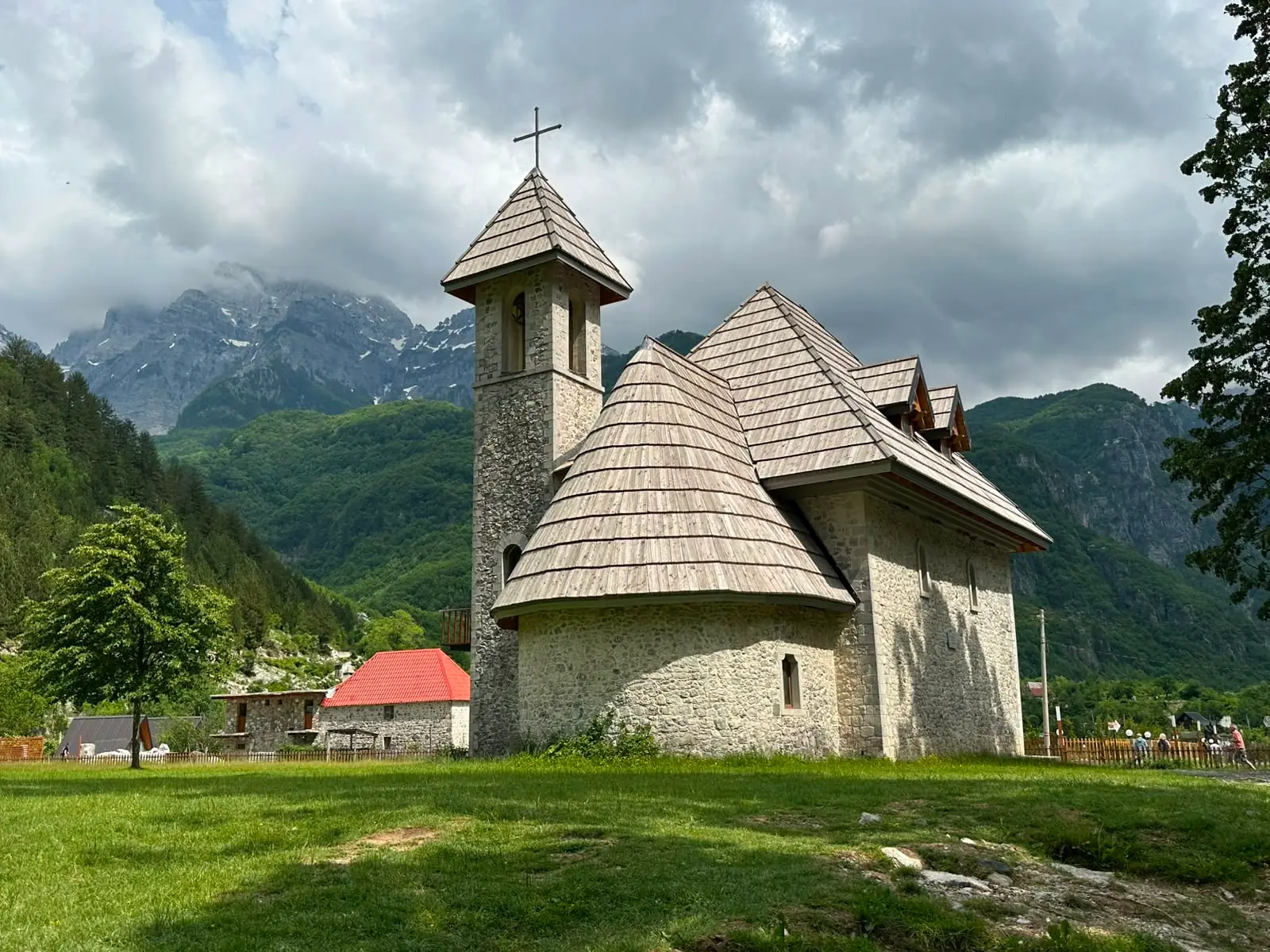
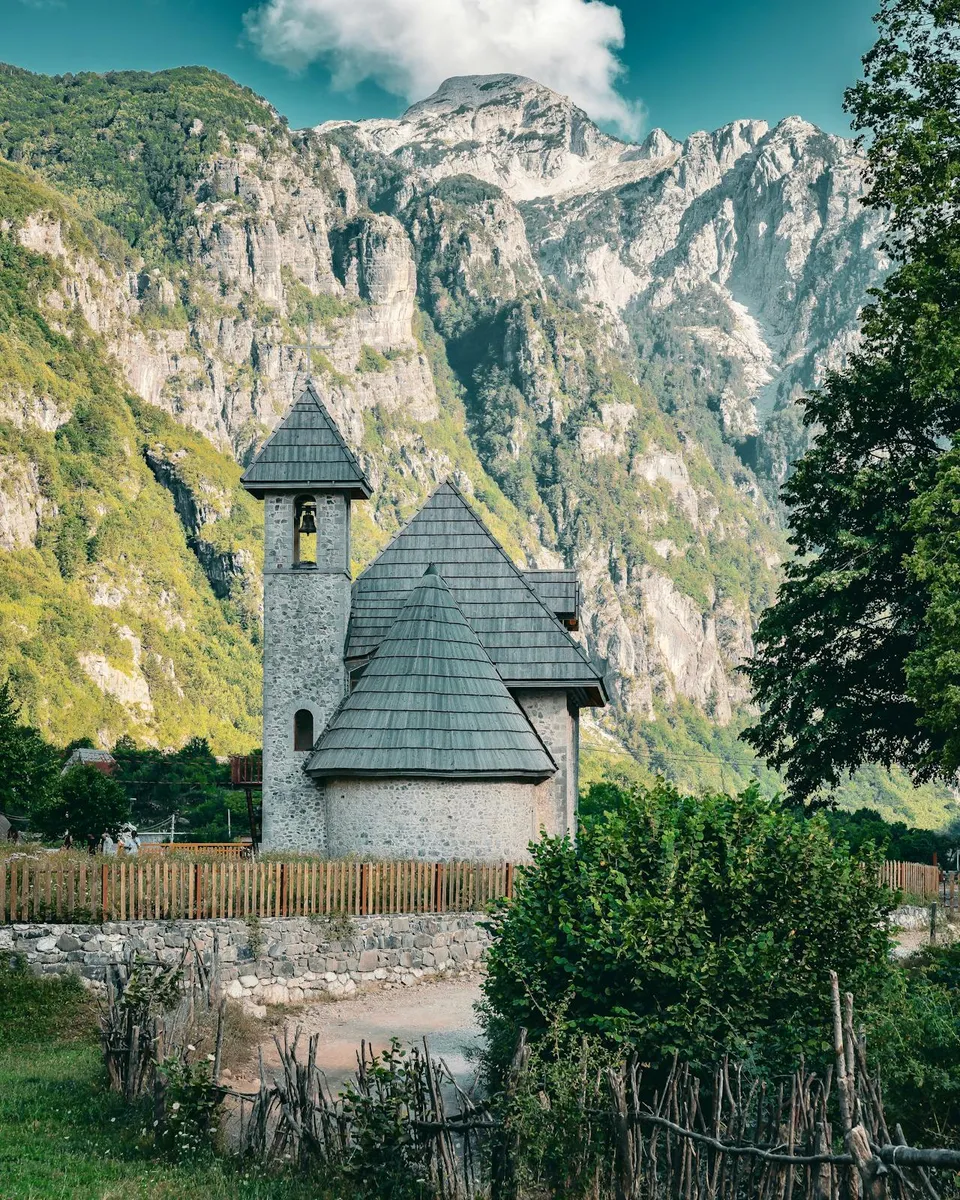
Theth sits in a green bowl ringed by soaring peaks, a scatter of stone houses around a photogenic wooden church. It is the more developed of the two now, with plenty of family guesthouses, and it is the base for local wonders: the thundering Grunas waterfall, the eerie Blue Eye of Theth (a separate, higher spring from the famous coastal one), and the old stone lock-in tower tied to the region’s blood-feud history.
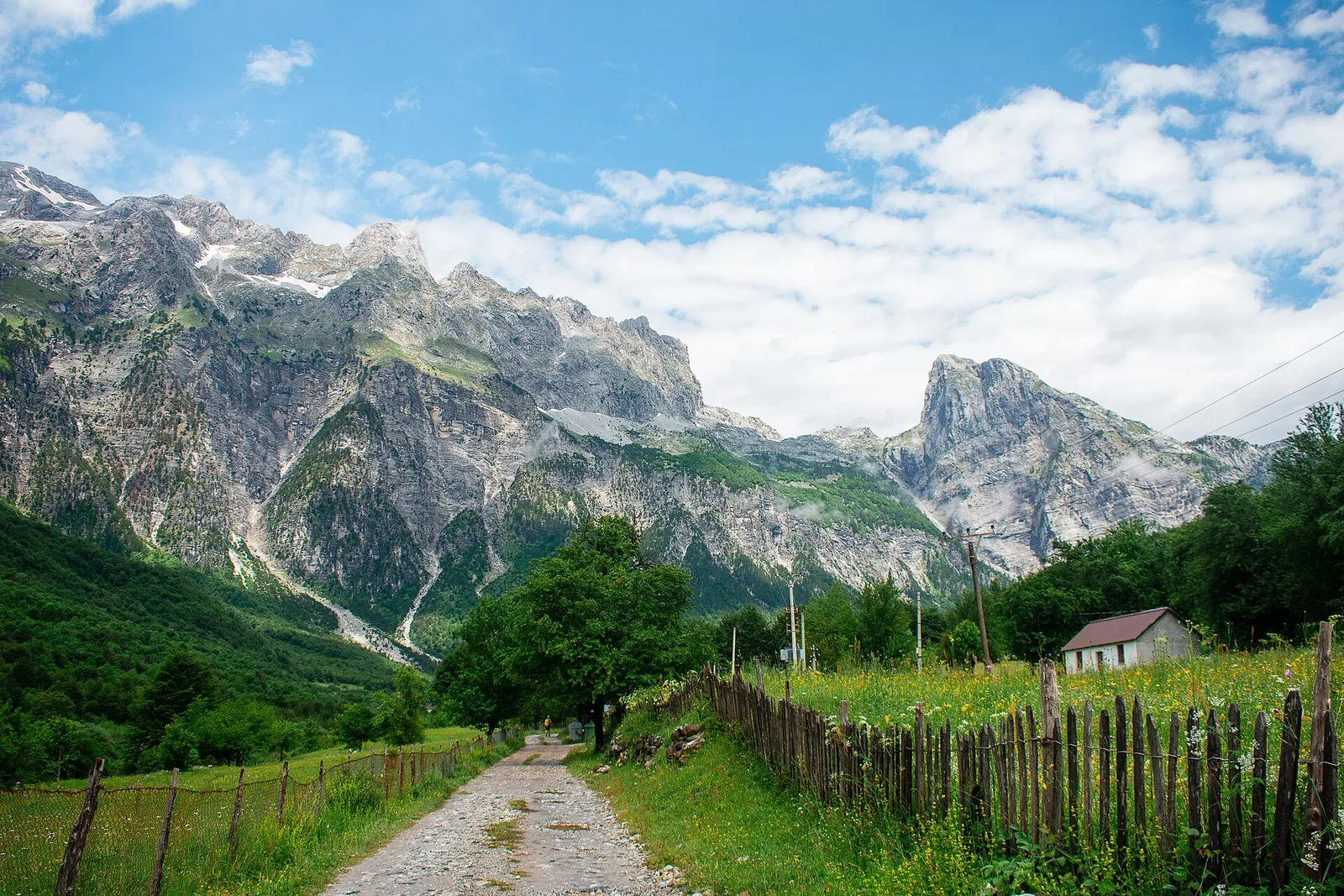
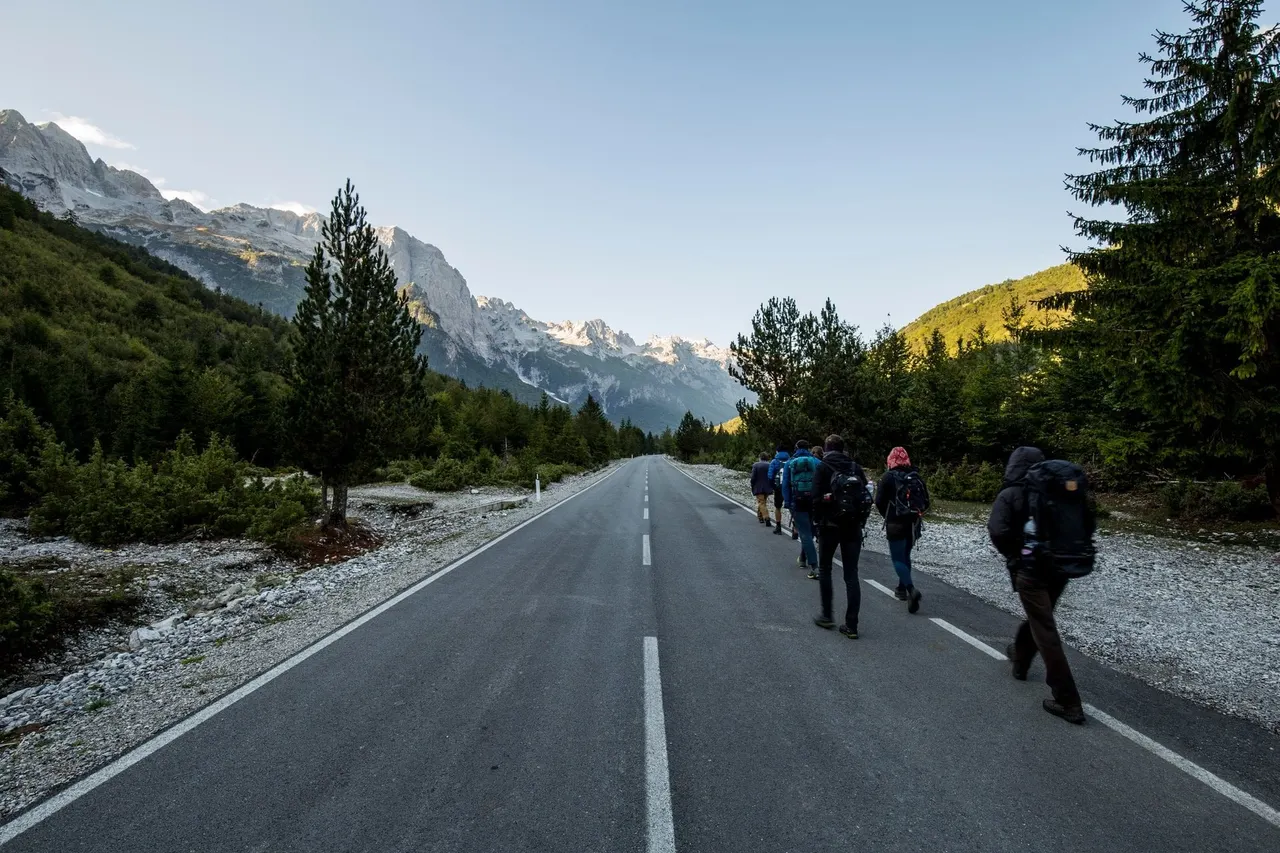
Valbona, over the pass, is wilder and more open, spread along a wide, stony river valley beneath even bigger walls of rock. It feels like the end of the road, in the best way, and makes a serene base for shorter walks and star-filled nights. Between them runs the trail that draws everyone north.
That lock-in tower is worth pausing at rather than photographing and moving on. It belongs to the Kanun, the old code of customary law that governed life in these mountains, under which a family caught in a blood feud could shelter a man inside its walls. It is recent enough history to be uncomfortable, and it explains a great deal about why these valleys stayed so isolated for so long.
The famous hike: Theth to Valbona
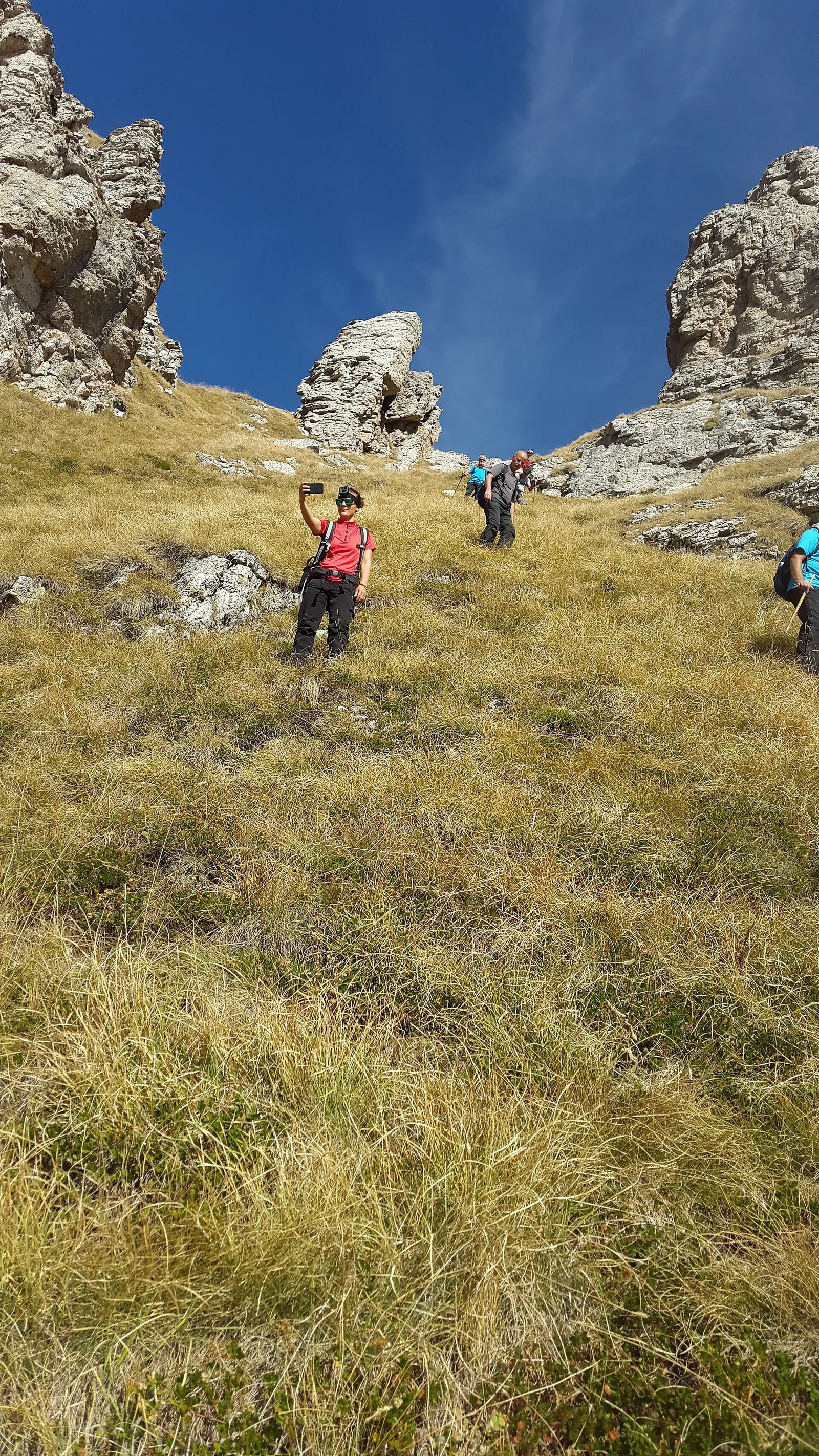
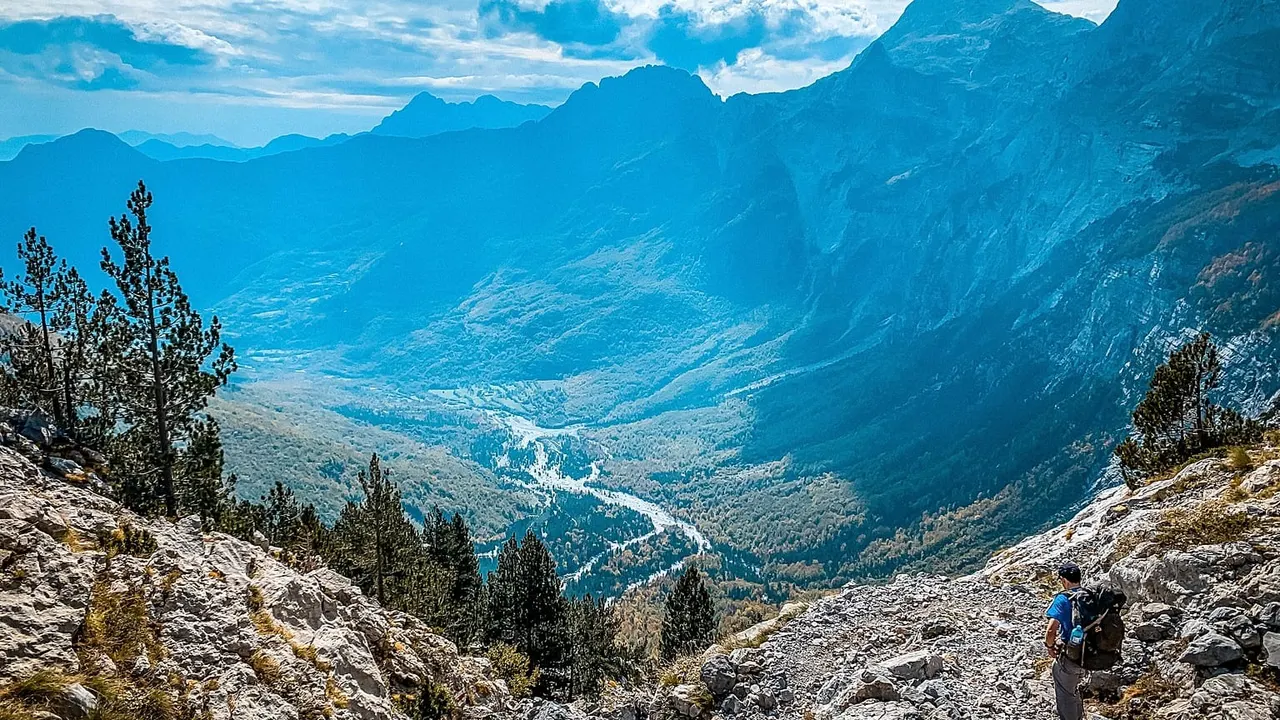
The Theth to Valbona trail (or Valbona to Theth, it works both ways) is the signature experience of the Albanian Alps and one of the great day hikes on the continent. It runs roughly 16 to 17 kilometres, takes most walkers 6 to 8 hours, and climbs to the Valbona pass at about 1,800 metres before a long descent the far side. The path is well marked and busy in summer, with a couple of rustic cafes along the way selling water, tea and mountain honey. The reward is a full day of jaw-dropping scenery: beech forest, alpine meadows, and that heart-lifting moment at the pass when the whole valley opens below you.
You do not need to be an athlete, but you do need reasonable fitness, good shoes, plenty of water, sun protection and layers, since mountain weather turns fast. Start early to beat the afternoon heat and give yourself margin.
Which way round, and what to do with your bag
Valbona sits higher than Theth, so walking from the Valbona side involves slightly less total climbing, and that is the direction most people choose: ferry in, a night in Valbona, then over the pass to Theth. The views are magnificent either way, so pick by the ascent rather than the scenery.
You should not be carrying a suitcase over an 1,800-metre pass, and you do not have to. Many guesthouses will arrange for your main bag to be sent round by road to your accommodation on the other side. The drive is long, the arrangement is routine, and it turns the walk into a day pack outing. Set it up the night before, and keep your passport, money and phone with you rather than in the bag that travels separately.
The trek is easy, the logistics are the puzzleA package that handles the Koman ferry, transfers and guesthouses lets you just walkWhen to go
Timing is everything up here. The season runs roughly June to early October, once snow has cleared the high pass. July and August are warmest and liveliest, with every guesthouse open and the trail at its busiest. June and September are quieter, cooler and beautiful, arguably the sweet spot. Outside that window the pass can be snowbound and dangerous, seasonal transport stops, and many guesthouses close, so this is strictly a summer-and-shoulder destination.
The edges of the season need more care than the middle. In early June, snow can still sit on the pass even when the valleys are green, and in October the weather turns quickly and the daylight shortens. Ask your guesthouse about current conditions when you book rather than relying on a date range, because they know what the pass looks like this week.
Getting there: the Koman ferry and the roads
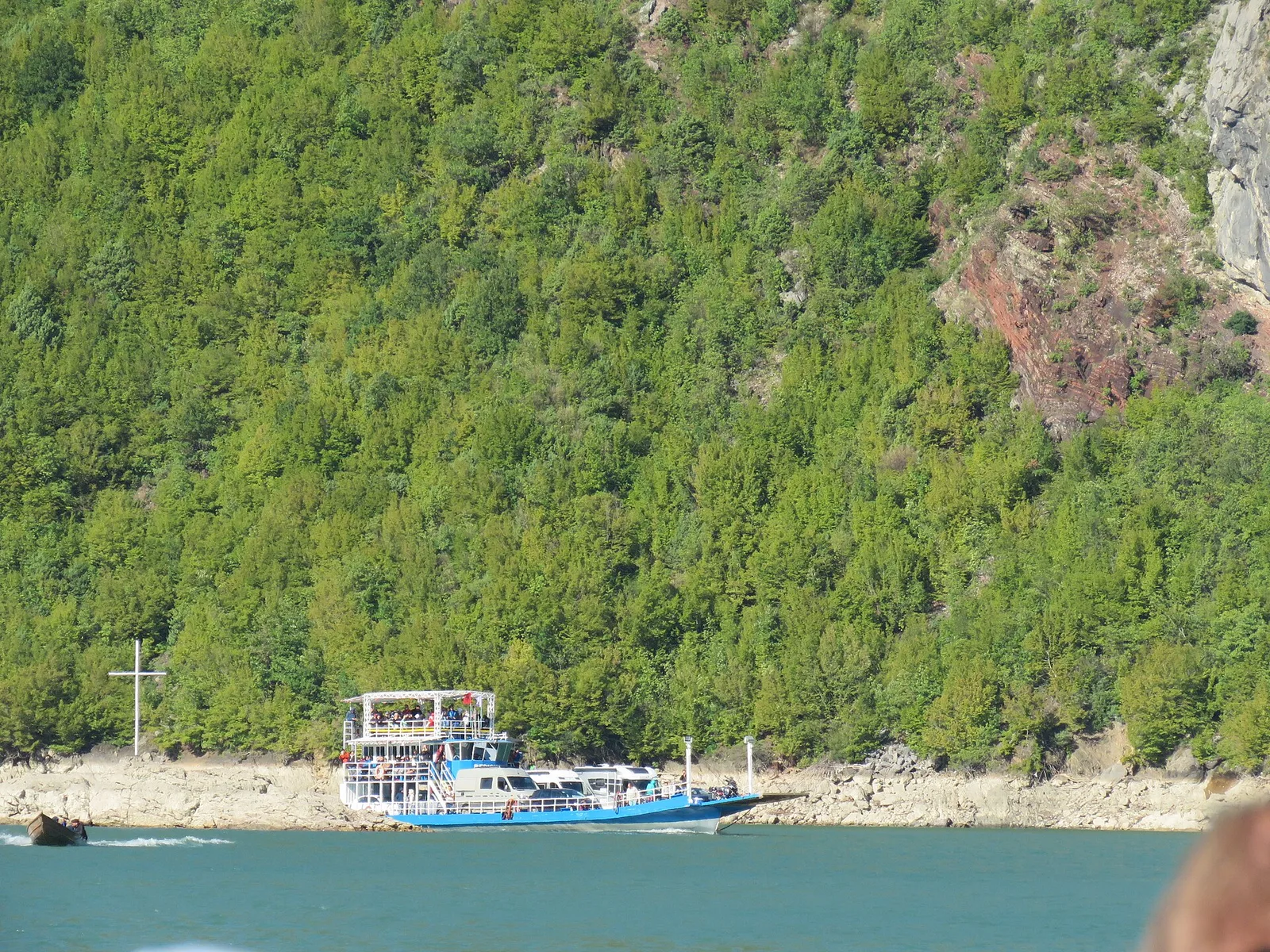
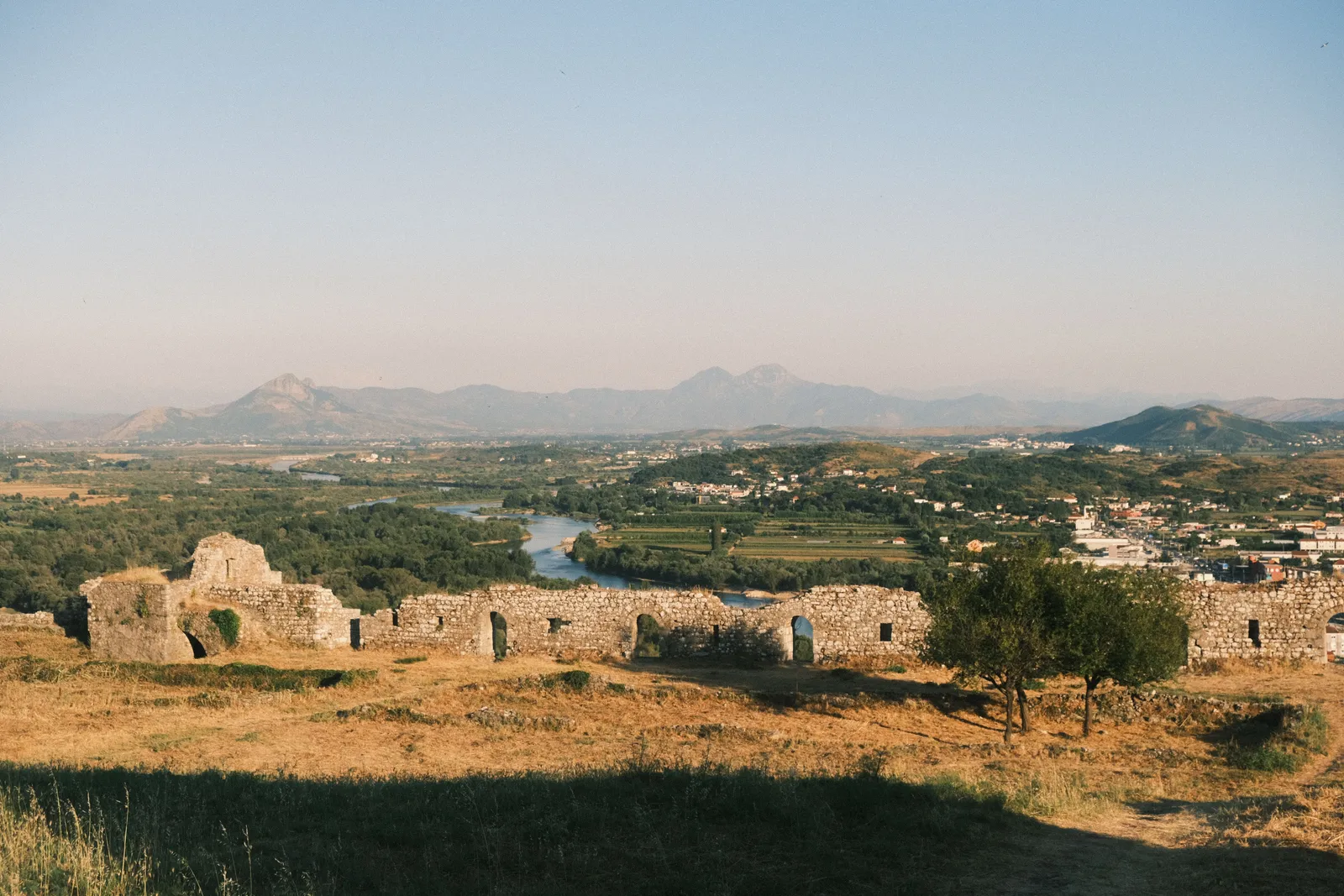
Reaching the Alps is half the adventure. Most journeys start from the northern city of Shkodër. The classic approach to Valbona is the spectacular Lake Koman ferry, a two-to-three hour boat glide through a flooded canyon often compared to a fjord, followed by a minibus up the valley. Theth is reached by a winding mountain road (now largely paved) or a summer minibus direct from Shkodër.
The most satisfying plan is the loop: take the Koman ferry to Valbona, hike over the pass to Theth, spend a night or two, then drive or ride back to Shkodër. Book the ferry, transfers and guesthouses ahead in peak season, as space is limited.
A few practicalities about the ferry, because it is the part with the least margin for error. Departures are limited and timed, the road to the jetty is slow, and the connecting minibus at the far end is built around the boat rather than the other way round. If you are driving, check in advance whether your vehicle can travel on the sailing you want, and remember that taking a hire car onto the ferry needs the rental company’s blessing. Most people find it simpler to leave the car in Shkodër and let a transfer package handle the whole chain.
Where to stay and what to eat
Accommodation is simple and wonderful: family-run guesthouses offering a bed, a hot shower and, crucially, half board, homemade dinner and breakfast included. This is some of the best eating in Albania: fresh trout, mountain cheese, byrek, garden vegetables, honey and homemade raki, all served family style. It is also the most reliable way to eat up here, since restaurants are few. Book directly or through an operator, bring cash (there are no ATMs in the villages), and expect patchy signal, which is part of the charm.
Set your expectations sensibly and you will love it. Rooms are plain, hot water can depend on the solar tank and the day, heating is minimal because the season is summer, and dinner is served at a set time at a shared table rather than to order. That shared table is frequently the best part of the trip, because it is where you meet everyone else who walked the pass that day.
Beyond the famous trail
The classic hike is the headline, and it is not the only reason to stay. From Theth, the walks to the Grunas waterfall and the Blue Eye of Theth are both half-day outings on good paths, and the Blue Eye in particular is a startling pool of cold, impossibly clear water. From Valbona, easier valley walks follow the wide stony riverbed under enormous rock walls, ideal for a recovery day.
For stronger walkers, Maja Jezercë, the highest peak in this range, is a serious full-day objective that genuinely warrants a guide. And the Peaks of the Balkans trail links these valleys with Montenegro and Kosovo over several days, which is a wonderful trip and a bureaucratic one: crossing those mountain borders requires permits arranged in advance, so it is planned months ahead rather than decided on arrival.
Safety, and what to bring
The mountains here are welcoming rather than dangerous, but they are remote, and remoteness is the risk. Weather changes fast, the pass is exposed, and afternoon storms build in high summer. Phone signal is patchy to absent on the trail. Mountain rescue is limited and slow to reach a remote valley, which is precisely why the sensible habits matter: walk early, tell your guesthouse your plan, stay on the marked path, and turn back rather than pressing on into bad weather.
Pack layers and a waterproof even on a clear morning, proper walking shoes rather than trainers, more water than feels necessary, sun protection for the exposed sections, a head torch, and cash for the whole stay. Check your travel policy before you go, since some exclude trekking or activity above a given altitude: our guide to travel insurance for Albania covers what to look for and why the activity section matters more here than anywhere else in the country.
Combining the Alps with the coast
The classic two-week Albanian trip does both ends of the country, and the two could hardly be more different: cold rivers and shared dinners in the north, turquoise water and late seafood lunches in the south. It works beautifully, with one caveat, which is that the two are a long way apart and the travel between them eats a day.
Plan the mountains first and the coast second if you can, because arriving at the sea with tired legs is a better order than the reverse. Our guide to the best places on the Albanian Riviera covers the southern half of that trip, and if you are choosing where to end it, our comparison of Saranda and Ksamil settles the base most people end up debating.
Planning tips
Give the Alps at least two to three nights so the long journey in is worth it. Pack for all weathers, download offline maps, and carry enough cash for the whole stay. A guide is optional for the main trail but recommended for tougher routes or total peace of mind. And build in a buffer day, because mountain weather, ferries and minibuses all run on their own schedule. Slow down and let the mountains set the pace.
The short version
The Albanian Alps are the country’s wild heart: Theth and Valbona, two remote valleys linked by one unforgettable hike over an 1,800-metre pass, reached by a fjord-like ferry across Lake Koman. Go between June and early October, walk from the Valbona side for the gentler climb, send your bag round by road, start at first light, book the ferry and guesthouses ahead, pack for the mountains and carry cash for the whole stay. It takes effort to get here, and that effort is the whole reward.
Are you walking the pass, or coming for the valleys and the guesthouse dinners?