Albanian food is one of the country’s happiest surprises. It sits where the Mediterranean, the Balkans and the old Ottoman world meet, so a single meal can carry the olive oil and seafood of the coast, the yogurt and grilled meat of the mountains, and the flaky pastries and sweet syrups of Istanbul. It is fresh, seasonal, generous and astonishingly cheap, built on vegetables that actually taste of something and hospitality that keeps refilling your plate. Here is what to eat, what to drink, and how to eat well wherever you land.
Byrek: the pastry you will eat every day
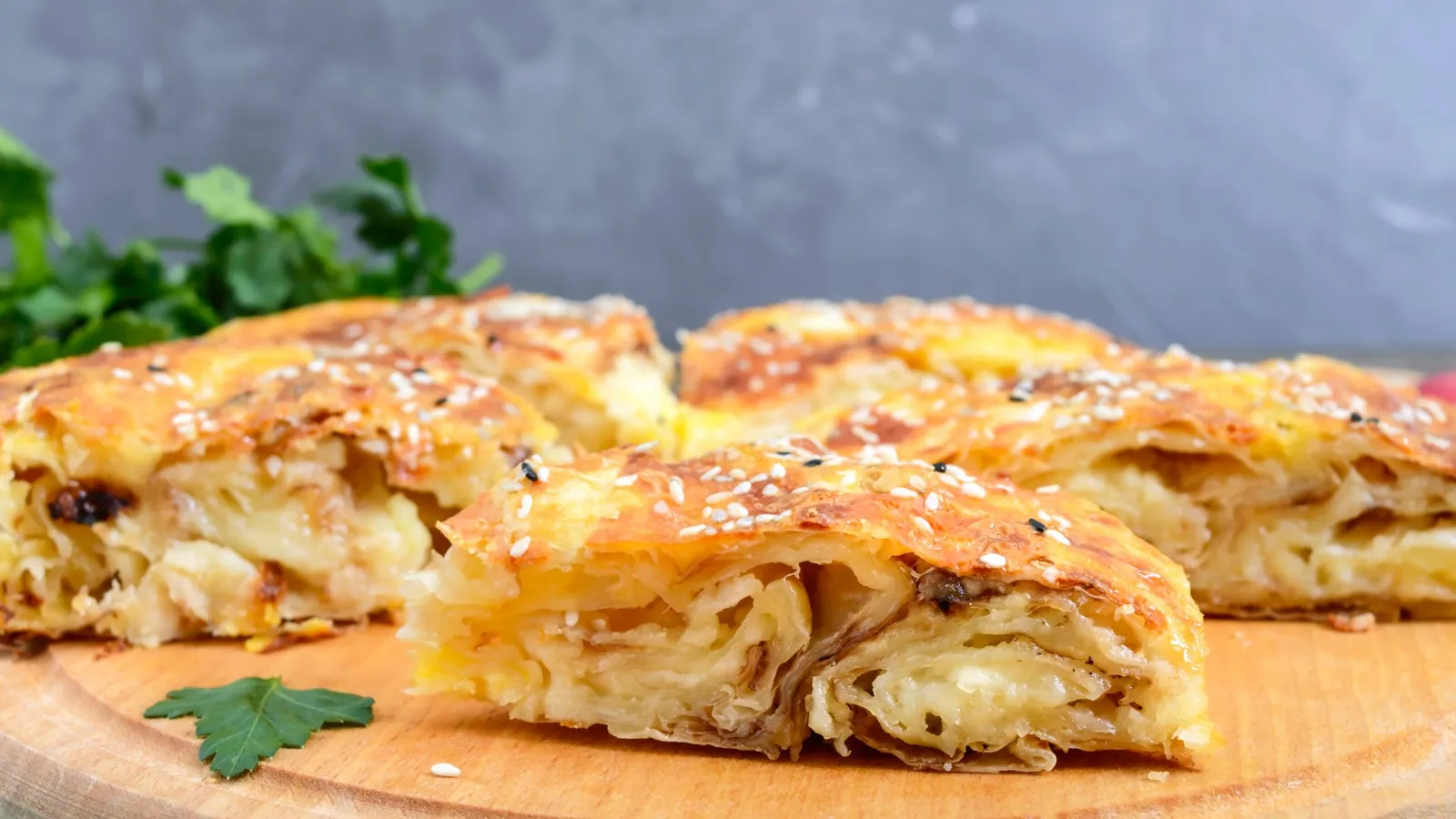
If you try one thing, make it byrek: a flaky, coiled or layered filled pastry that is Albania’s ultimate street food and comfort food. The classics are spinach, cheese, meat and pumpkin, sold hot by the slice from bakeries and hole-in-the-wall stalls for pocket change. Locals eat it for breakfast, lunch or a snack, and every town swears its own version is the best. Start each morning with a warm slice and you will understand the obsession fast.
The rule for finding a good one is the same everywhere: go where there is a queue in the morning and buy it hot from the tray rather than from a warmer. Some bakeries sell by weight rather than the slice, so do not be thrown if you are asked how much you want. And while you are at the counter, look for petulla, small fried dough pieces eaten with honey or cheese, which is the other thing Albanians grew up on.
The home-cooked classics
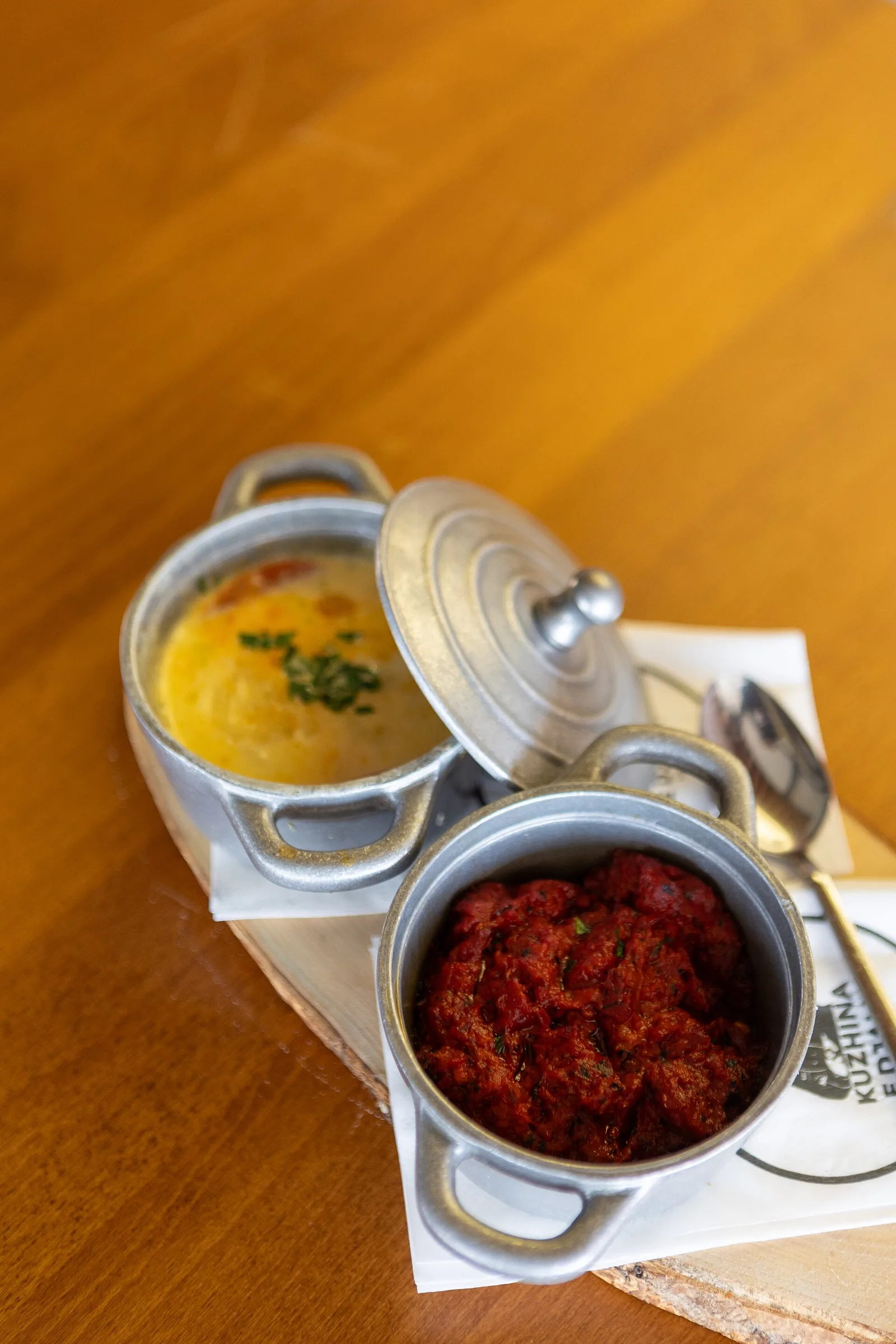
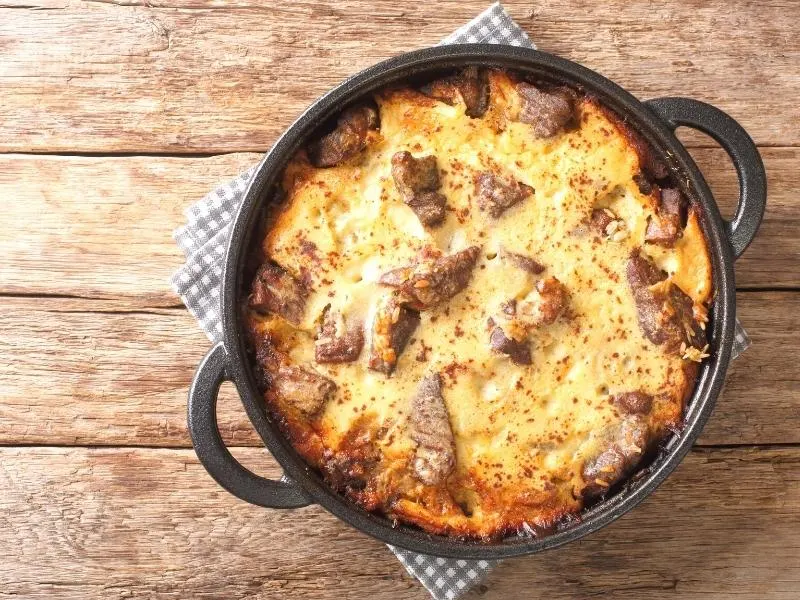
Sit down in a family taverna and a few dishes appear again and again, all worth ordering. Tavë kosi, the national dish, is baked lamb or chicken and rice under a tangy yogurt-and-egg custard, rich and homely. Fërgesë is a bubbling baked dish of peppers, tomatoes and a soft cottage-style cheese, often with liver in the Tirana version, and a vegetarian dream in its plain form. Look too for japrak (stuffed vine or cabbage leaves), speca të mbushur (stuffed peppers), slow-cooked bean stews, and platters of grilled meats, qofte meatballs and skewers, served with bread, salad and yogurt.
Tavë kosi is closely associated with Elbasan, and you will see it on menus as tavë Elbasani for that reason. If you order one thing in a taverna and one thing only, this is it, but be warned that it is rich and filling, and it is better shared alongside a salad than eaten solo after a starter.
The food changes as the country does
Albania is small and its cooking is not uniform, which is part of the pleasure of moving around it. Three broad zones are worth knowing.
| Region | What the table looks like | Order this |
|---|---|---|
| The northern mountains | Hearty, dairy-led, built for cold nights | Fresh cheese, cornbread, slow-cooked lamb, wild honey |
| The centre and Tirana | The full Ottoman-Mediterranean repertoire | Tavë kosi, fërgesë, grilled meats, byrek |
| The south and the coast | Olive oil, citrus, herbs, the sea | Grilled fish, mussels, salads, olives |
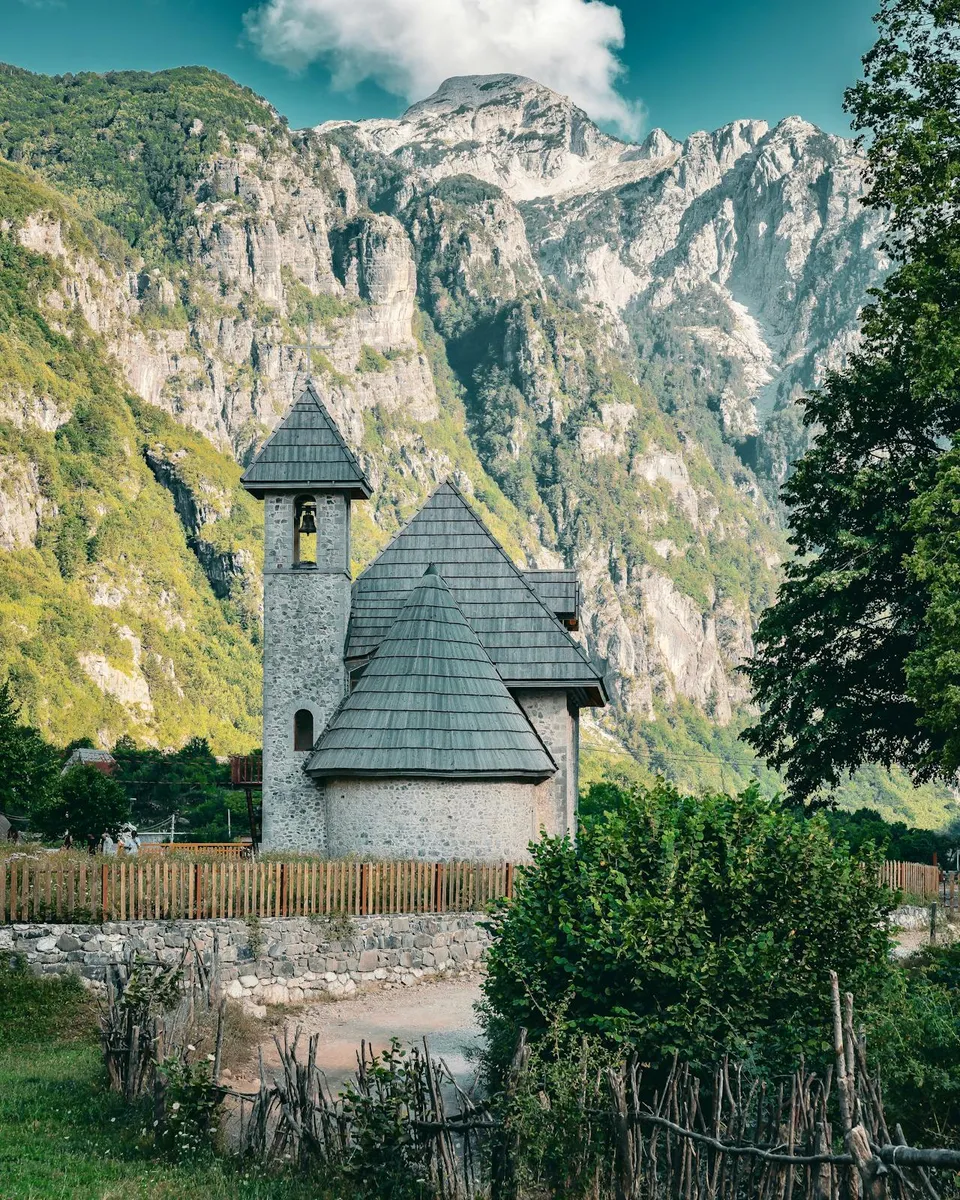
In the north, meals lean into dairy and slow cooking, which makes complete sense once you have spent a day walking there; our guide to the Albanian Alps covers the region where guesthouse dinners are frequently the best meals of the whole trip. On the coast, everything tilts towards the sea and the olive grove, and the choice of base changes what lands on your plate, which our comparison of Saranda and Ksamil goes into.
The coast: seafood straight off the boat
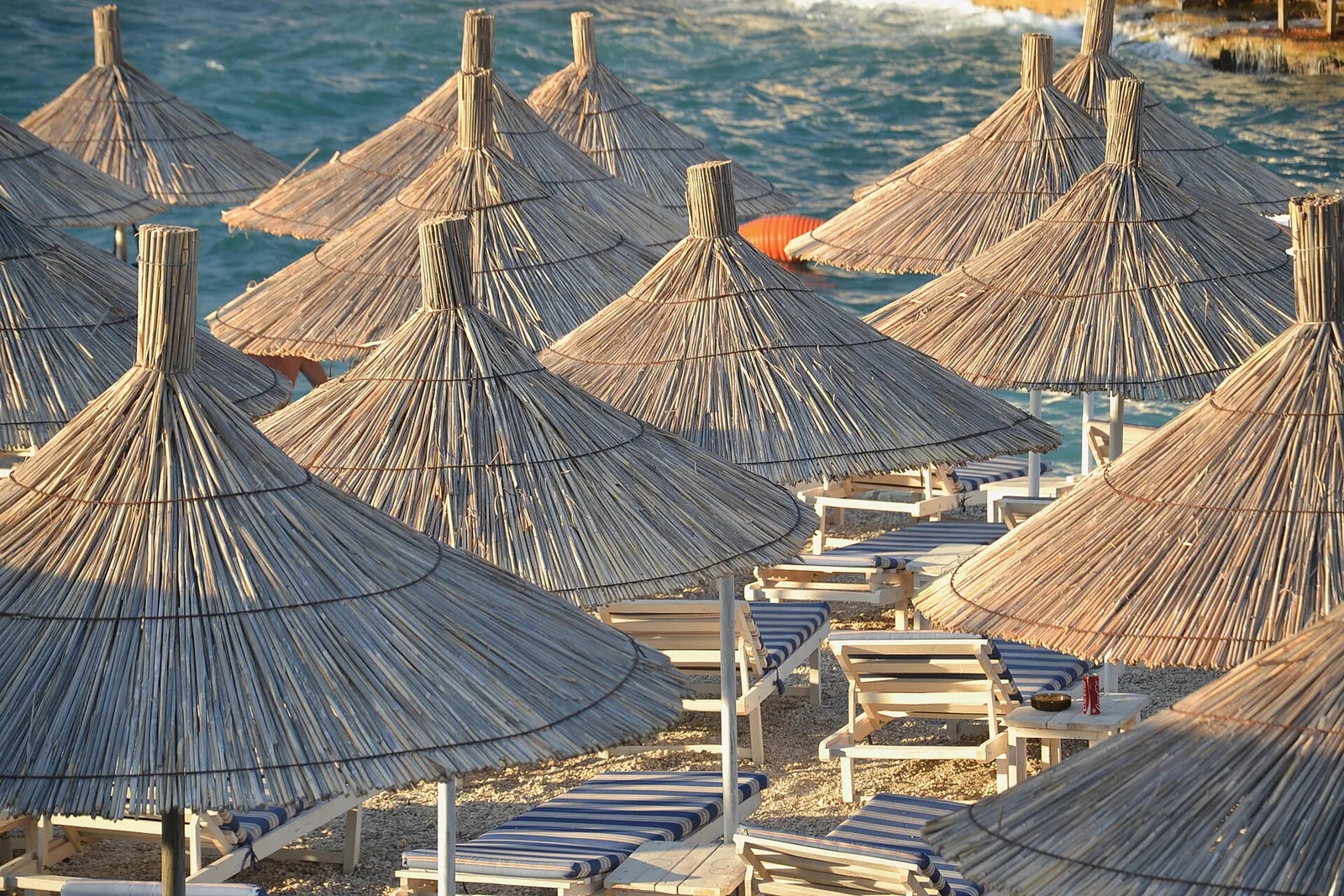
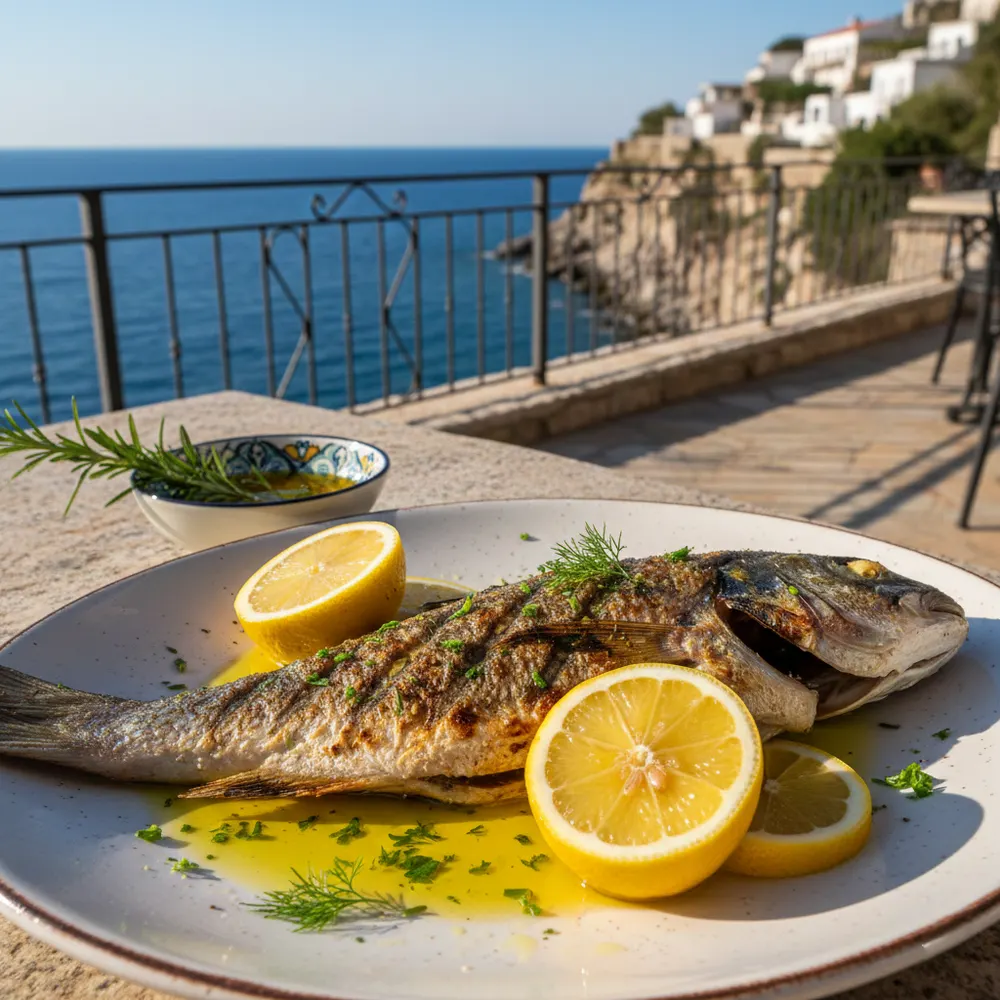
Down on the Riviera and the Adriatic, the menu tilts to the sea. This is where you eat grilled fish priced by the kilo, fresh mussels (especially around the Butrint lagoon near Saranda), calamari, prawns, and whatever the boats brought in that morning, usually with nothing more than lemon, olive oil and salt. Pair it with a crisp local white wine and a table by the water. Seafood is one of the few things that costs a little more here, and it is still a bargain by Mediterranean standards.
Follow the food to the good tablesA local guide finds the village taverna and market stall you would walk straight pastCheese, olives, honey and the little things
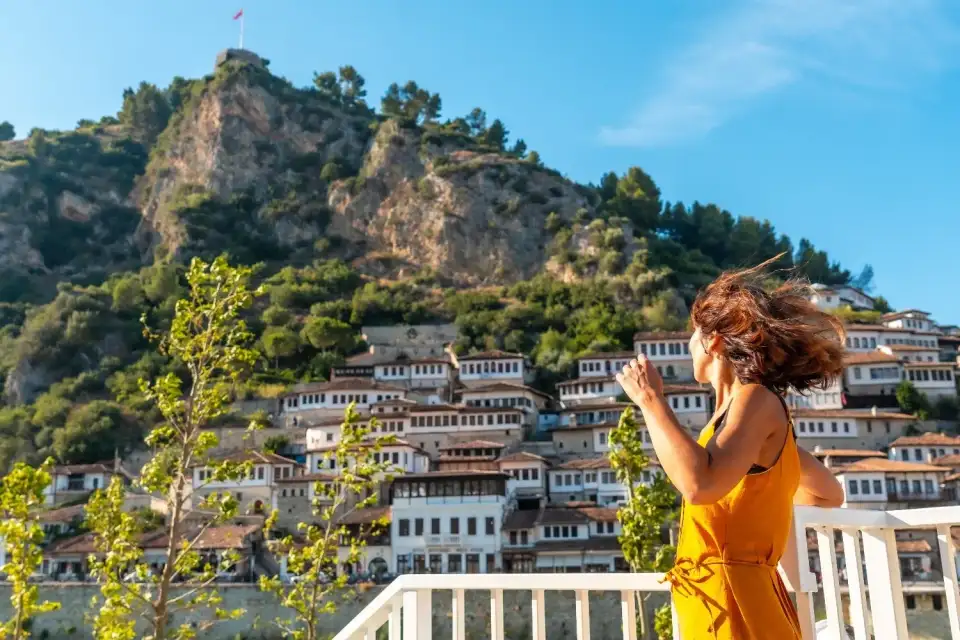
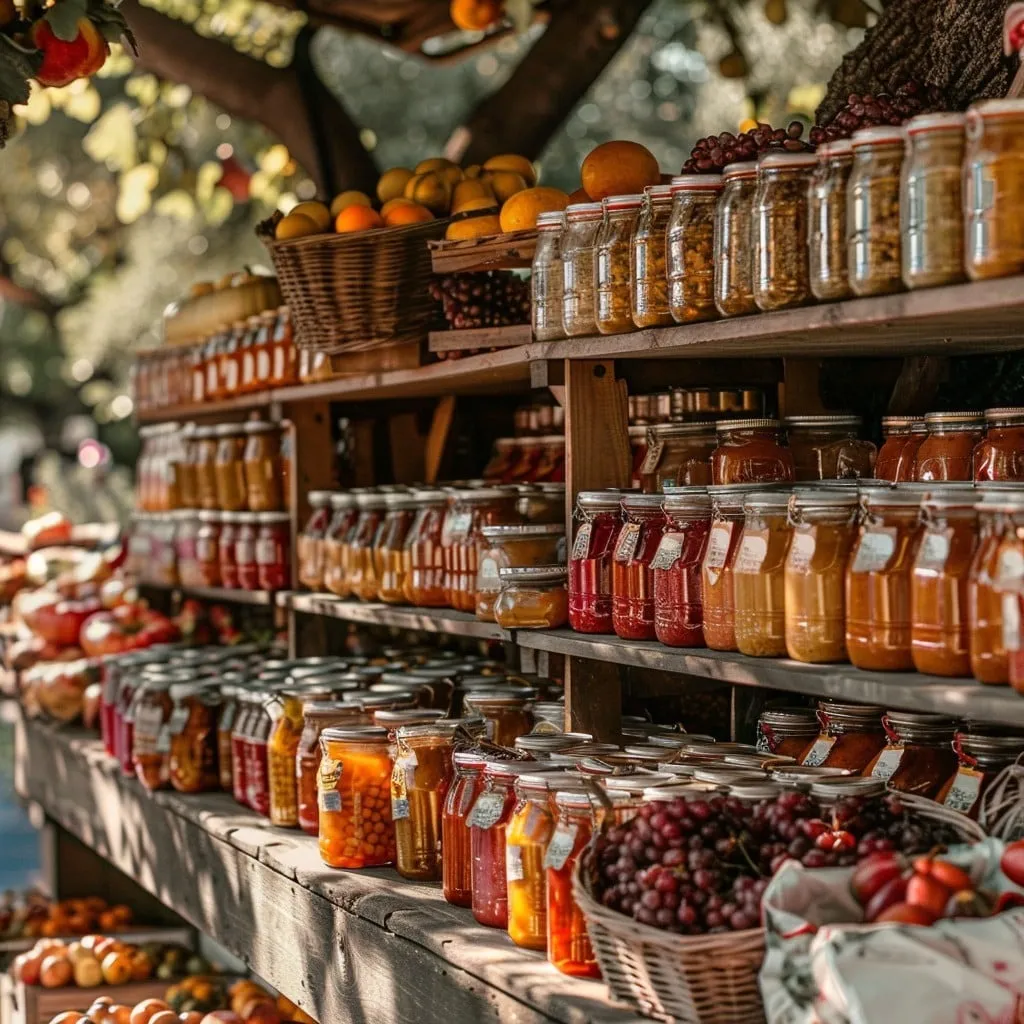
Do not overlook the supporting cast, which is superb. Albanian olive oil and table olives, especially from the south around Berat, are excellent and cheap. Village cheeses, from soft white to sharp aged rounds, turn up in salads and on their own. Wild mountain honey, fresh figs, pomegranates, tomatoes that taste of summer, and warm bread with every meal all add up to a table that feels abundant even when you order simply. In the markets, buy a bag of whatever is in season and eat like a local.
This is also where the seasons show most clearly. Come in high summer and the tomatoes, peppers, figs and melons are extraordinary and cost almost nothing; come in early spring and the same market is thin. It is a genuinely seasonal food culture rather than a supermarket one, which is worth remembering before judging a salad in March.
Sweet endings
Albania has a sweet tooth inherited from the Ottomans. Baklava, layered pastry soaked in syrup and nuts, is the star, especially around holidays. You will also find kadaif (shredded pastry in syrup), rice pudding, sheqerpare semolina cakes, and thick Turkish-style coffee or a scoop of local ice cream to finish. Portions are generous and prices tiny, so leave room.
One modern addition has taken over the country’s cafes completely: trileçe, a soft sponge soaked in three milks under a caramel top. It is not ancient and nobody pretends it is, but it is on every dessert menu for a reason, and it is the thing to order when baklava feels too heavy.
What to drink
The national drink is raki, a strong clear fruit brandy, usually from grapes but sometimes plums or mulberries, very often homemade and offered as a gesture of welcome. Sip it slowly. Albania also makes surprisingly good wine, with old grape varieties like Shesh i Bardhë and Kallmet worth seeking out, plus decent local beers (Korça and Tirana are the everyday names). Coffee is a religion: Albanians drink more espresso per head than almost anyone, and the cafe is the centre of social life, so join in.
A word on the raki ritual, because visitors misread it. When a guesthouse owner or a taverna family brings a bottle to your table unbidden, it is hospitality rather than a sale, and it is normal for it to be homemade and unlabelled. Accepting a small glass is the polite move; matching your host measure for measure is not expected and is a bad idea. If you are driving afterwards, say so plainly and nobody will be offended.
How a meal actually works
Eating here is unhurried and shared. Dishes arrive as they are ready rather than in strict courses, and the natural way to order is several plates for the table rather than one each. Lunch tends to be the substantial meal of the day, dinner runs late by northern European standards, and a coffee afterwards can last an hour.
Bread appears automatically with almost everything. Salads are ordered as part of the meal rather than before it. Tipping is not expected in the way it is in North America, and rounding up the bill is plenty. And if you are offered something extra on the house, a coffee, a raki, a slice of fruit, the right response is to accept it, because refusing reads as a rebuff rather than politeness.
Eating with dietary requirements
Albania is easier than its meat-heavy reputation suggests, with one clear exception. Vegetarians eat extremely well: fërgesë without the liver, cheese or spinach byrek, stuffed peppers, bean stews, grilled vegetables, salads and yogurt make a full and genuinely good repertoire. Vegans have a harder time with the traditional menu, since dairy runs through so much of it, but the vegetable and bean dishes are there, the cities now have dedicated places, and market fruit is superb.
Gluten free is the difficult one, because bread and pastry sit at the centre of the food culture. Grilled meat and fish with vegetables and salad is the reliable fallback. On halal, be aware that pork appears widely on menus and that Albania, while historically majority Muslim, is a strongly secular country, so certification is not the norm outside places that advertise it; chicken, lamb and fish are everywhere if you would rather simply avoid pork. In every case, naming the specific things you do not eat, “no meat, no chicken, no fish”, and “no cheese, no yogurt” if you are vegan, works far better than reading a menu or using the category word, because a general question tends to get a polite yes rather than an accurate answer. Staff are used to the request put that way.
How to eat well and cheaply
Eat where the locals eat: the busy byrek stall, the family taverna with no English menu, the market for fruit and cheese. Order the daily specials, which are freshest and best value, and let the waiter steer you. Meals are unhurried and meant to be shared, so order a few plates for the table. Tipping is not required but rounding up is appreciated. Do all this and you will eat like royalty on a shoestring, wherever you are flying from.
Two more habits help. Carry cash, since a lot of the best eating happens at counters and stalls that do not take cards. And walk one street back from the seafront promenade or the main square, where prices drop and the cooking usually improves, exactly as it does everywhere else in the Mediterranean.
Your first meal and your last
Plan the bookends. Arriving late into the capital, you will want to know what is still open and how long the journey in takes, and our guide to Tirana airport transfers covers the timing side of that, including why a late landing changes your options. A slice of byrek from a bakery is the ideal first thing you eat here, and it is available from early morning almost everywhere.
For the last day, the market is the place to shop rather than the airport. Olive oil, mountain honey, dried herbs and a bottle of raki all travel well and cost a fraction of what similar quality costs at home. Two caveats: liquids go in the hold, and what you may bring in duty free depends entirely on your destination country, with different allowances for the UK, Ireland, the US, Canada, Australia, New Zealand and South Africa. Check yours before you buy the case rather than the bottle.
The short version
Albanian food is fresh, Ottoman-tinged Mediterranean cooking at giveaway prices: byrek every morning, tavë kosi and fërgesë in the tavernas, seafood on the coast, superb olives, cheese and honey, baklava and trileçe to finish, and raki to toast it all. Ask the weight before the fish is cooked, carry cash, walk a street back from the promenade, and let the table be shared. It is one of the most underrated food cultures in Europe, and one of the best reasons to go.
What are you most curious to try, the mountain dairy or the coastal seafood?
If you would rather arrive knowing what to order than work it out at the table, our guide to the dishes worth ordering goes through tave kosi, qofte and the rest by name.