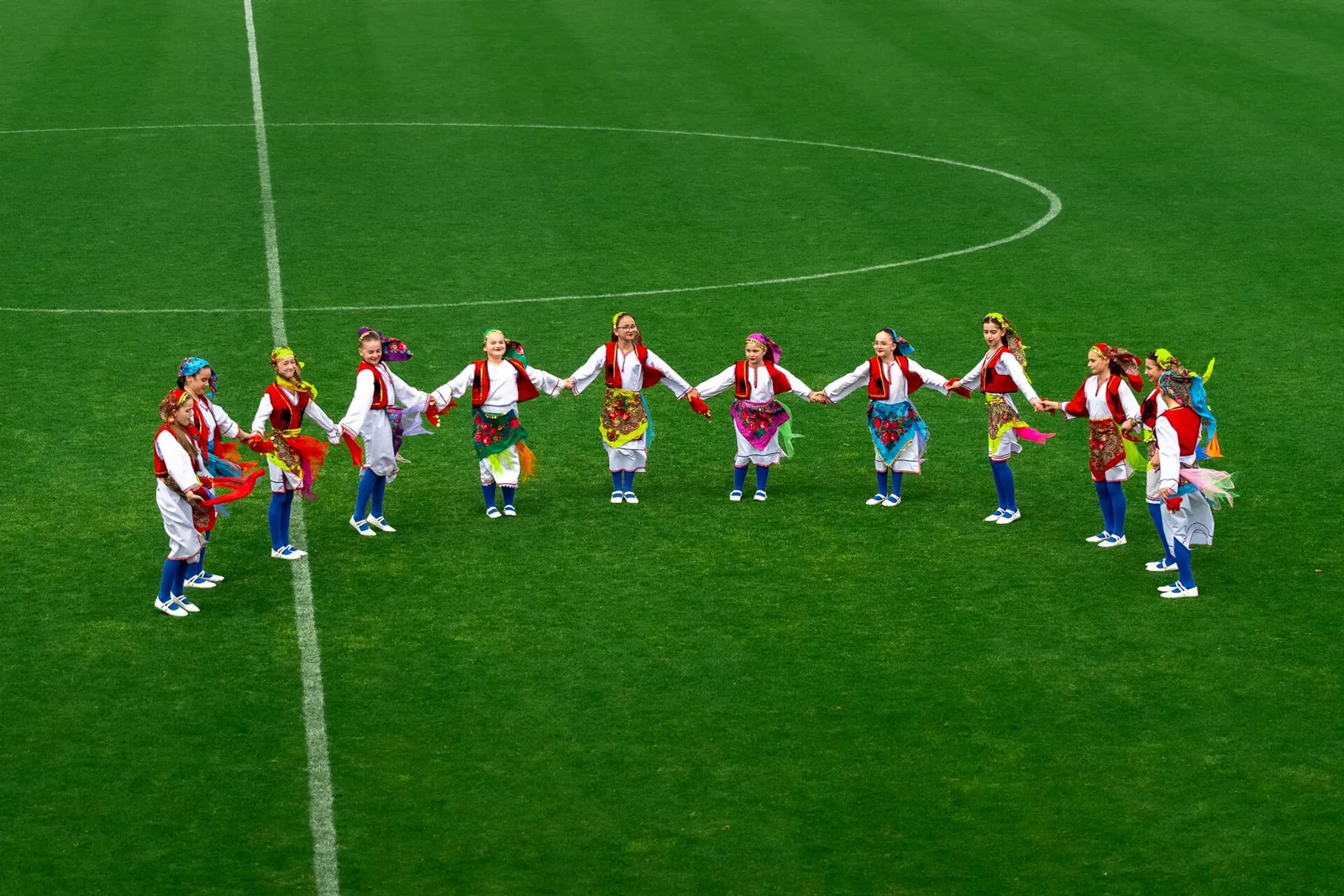
Albania has a singing tradition that does not sound like its neighbours. In the south, small groups sing in several parts with no instruments and no conductor: one voice carries the tune, a second answers it, and the rest hold a single continuous drone underneath, which is where the name iso comes from. UNESCO listed it in 2005. Hearing it live in Tirana is entirely possible and takes slightly more effort than turning up somewhere with a sign outside.
What you are actually listening to
Iso polyphony, southern, unaccompanied, several voices over a held drone.
Epic song, northern, a single singer with a lahuta, a bowed one string instrument, telling a very long story.
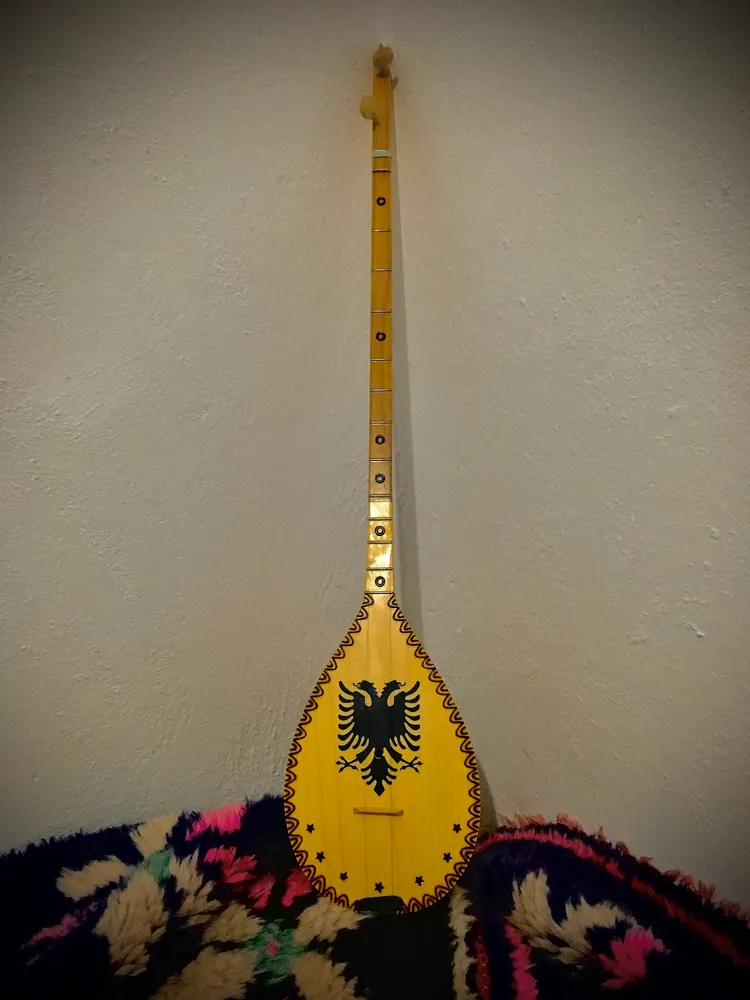
The cifteli, a two string lute with a long neck, which is the instrument on the souvenirs.
Southern ensemble music, with clarinet, violin, accordion and frame drum, which is the wedding sound.
Valle, the circle dances, which is what the room does once the raki has been round twice.
Modern folk, which is all of the above with amplification, and is what most restaurants actually book.
Where to look in Tirana
Traditional restaurants with live players on set nights, mostly in and around the centre.
Cultural centres and the theatre, which programme proper concerts rather than dinner music.
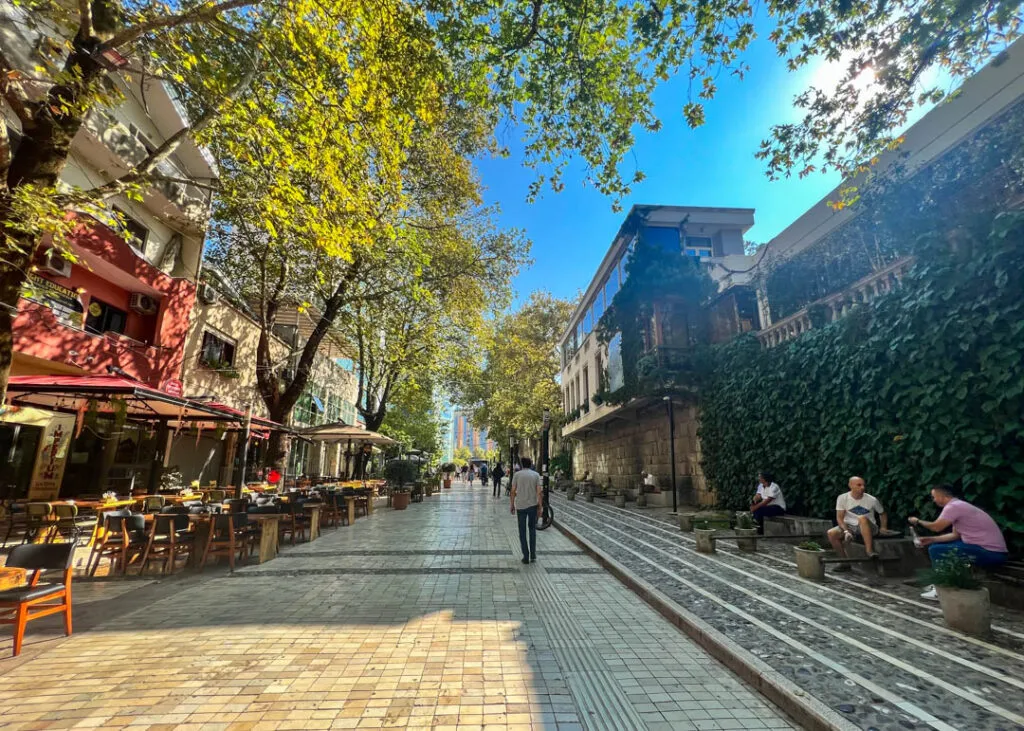
The Pazari i Ri quarter, where several places lean traditional and the tables spill outside in summer.
Festivals and public holidays, when ensembles perform outdoors and the whole thing is free.
Ask your host, which is genuinely the most reliable method in a city where listings are thin.
How the evening runs
Late, with the music usually starting after most people have eaten rather than with the first course.
Long, in sets, with breaks in which nobody hurries.
Loud later on, when the amplification comes up and the dancing starts.
Informal, with talking through the early part and quiet for the singing that matters.
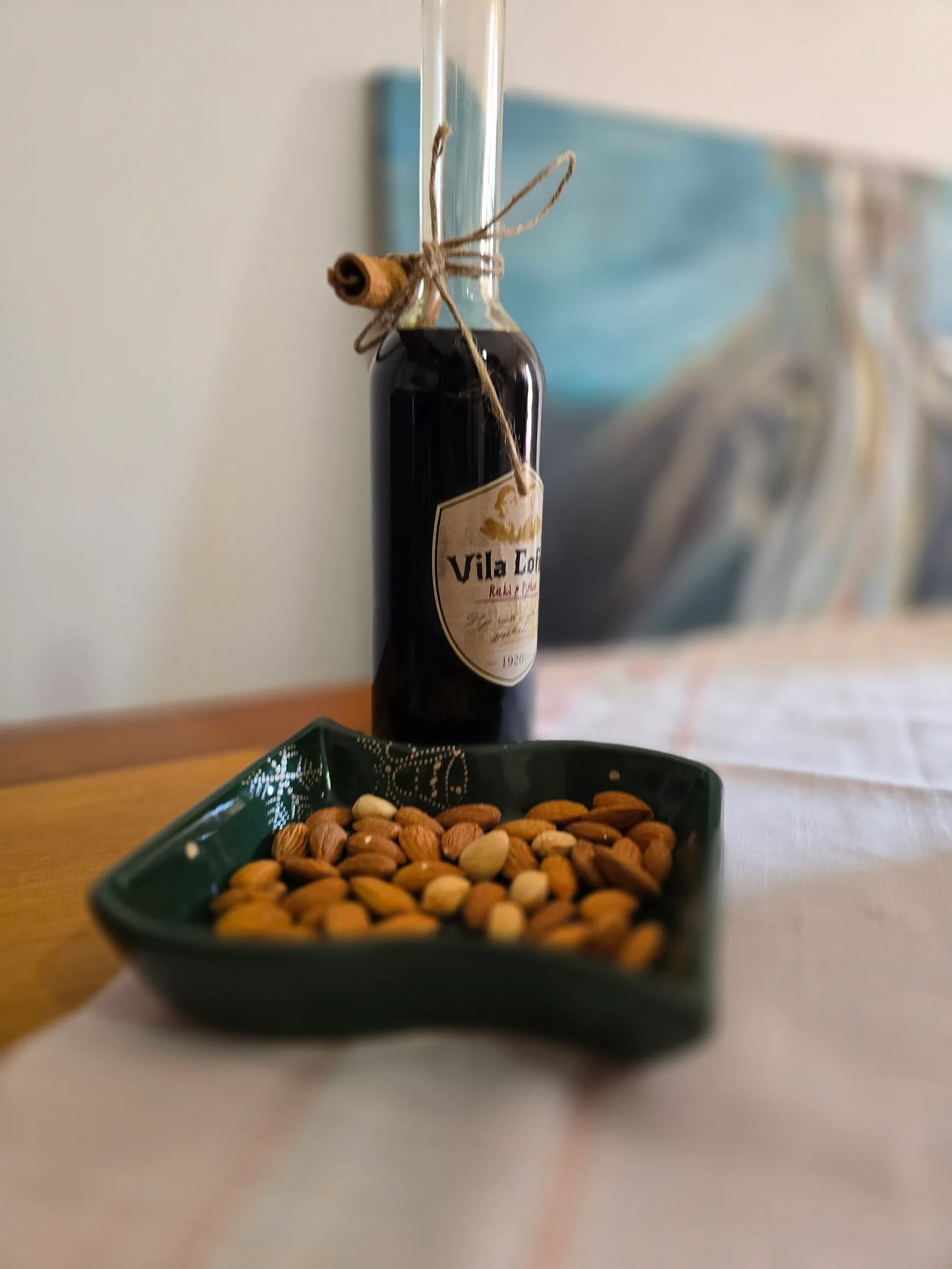
Generous, since somebody will pour you raki and it is rude to refuse the first one.
Cheap, by any European standard, for a whole evening of food, drink and music.
Beyond Tirana
Gjirokaster is the home of the National Folklore Festival at the castle, which has run at intervals for decades and is the largest gathering of its kind here.
Permet and the south are the heartland of iso polyphony, and a village celebration there is the real thing rather than a staged one.
The northern highlands are where the lahuta and the epic songs belong.
Weddings, which you will hear from the street across the whole country all summer.
Recordings are widely available and are a poor substitute, which is the point of going.
Where this fits in a Tirana visit
An evening, ideally the second one, once you have a sense of the city.
For everything else worth doing in the capital, our things to do in Tirana covers the ground.
For the bar district and what the modern city does after dark, our Blloku guide covers that side.
And for the raki that will arrive at your table regardless, our guide to Albanian drinks explains what you are being poured.