Albanian menus are shorter than they look. Strip out the pizza and the international filler that most restaurants carry, and you are left with a compact list of dishes that repeats across the country.
That is good news. Learn six of them and you will eat well anywhere, including in places with no English menu.
The six worth knowing
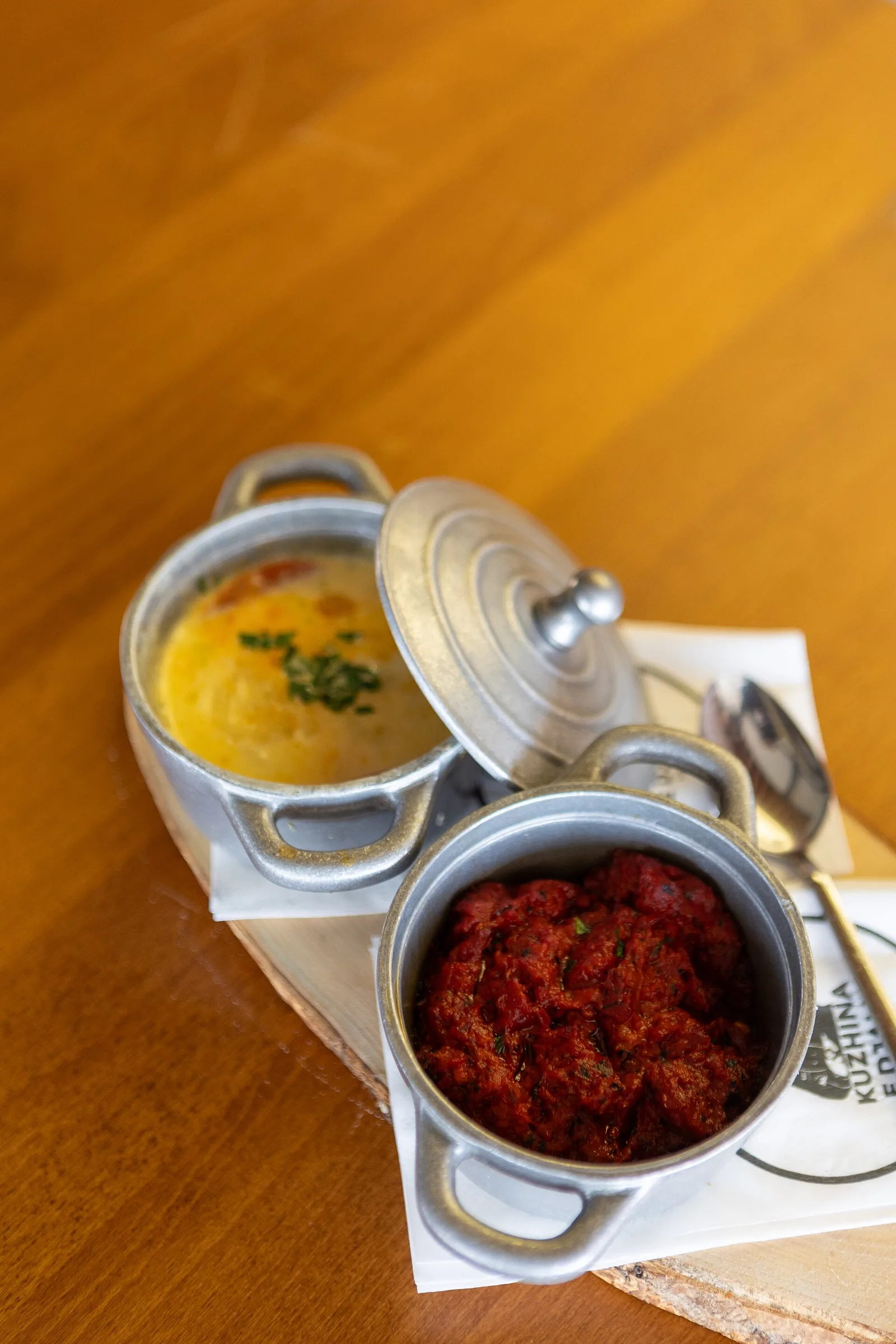
Tave kosi. Lamb baked under a thick layer of yoghurt and egg that sets in the oven. It arrives in a clay dish, savoury rather than sharp, and it is the national dish. Order it once.
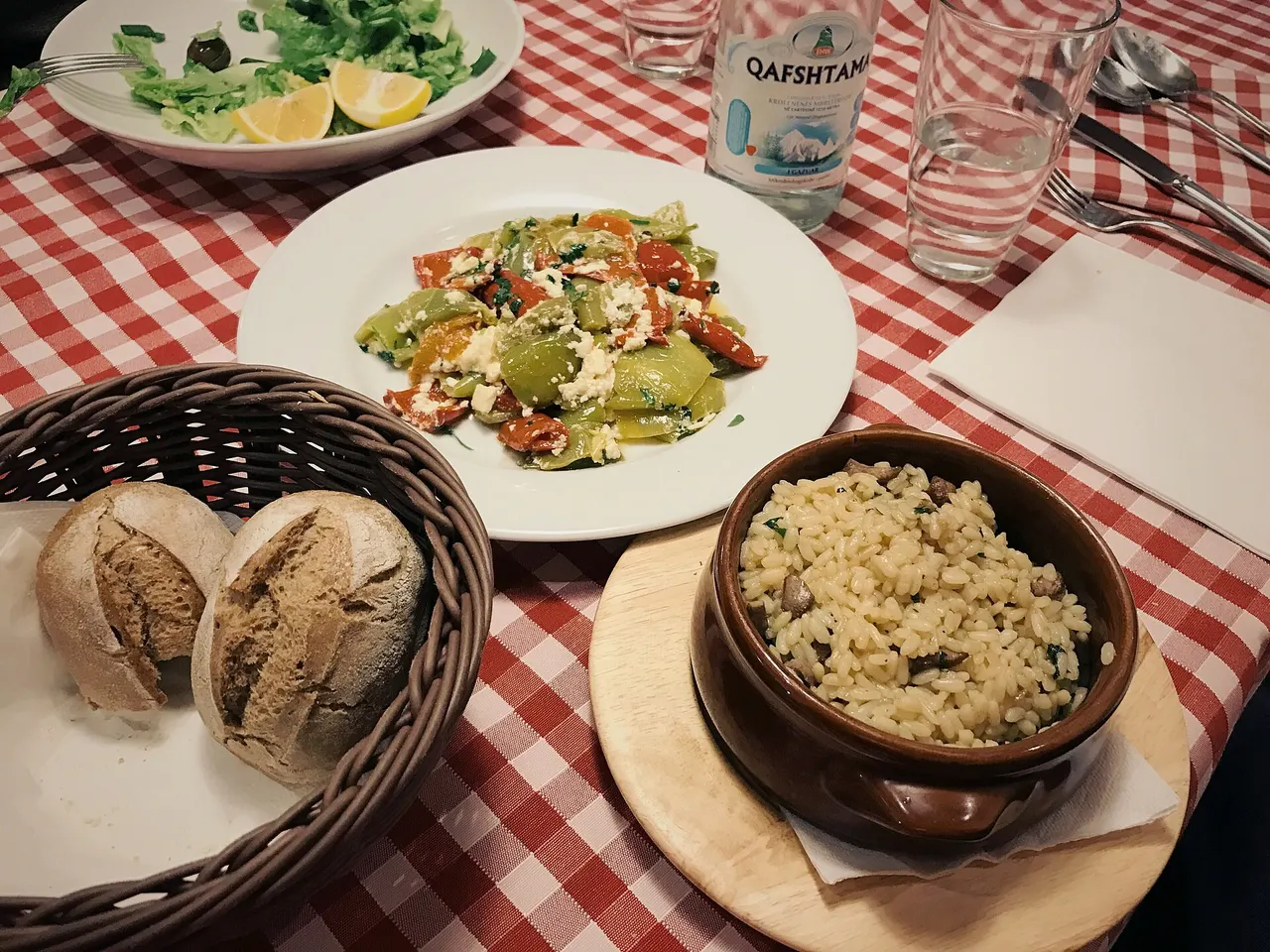
Fergese. Peppers, tomato and soft white cheese baked until bubbling, served in clay and eaten with bread. This is the sharing dish at the start of a meal, and the standard version is meatless.
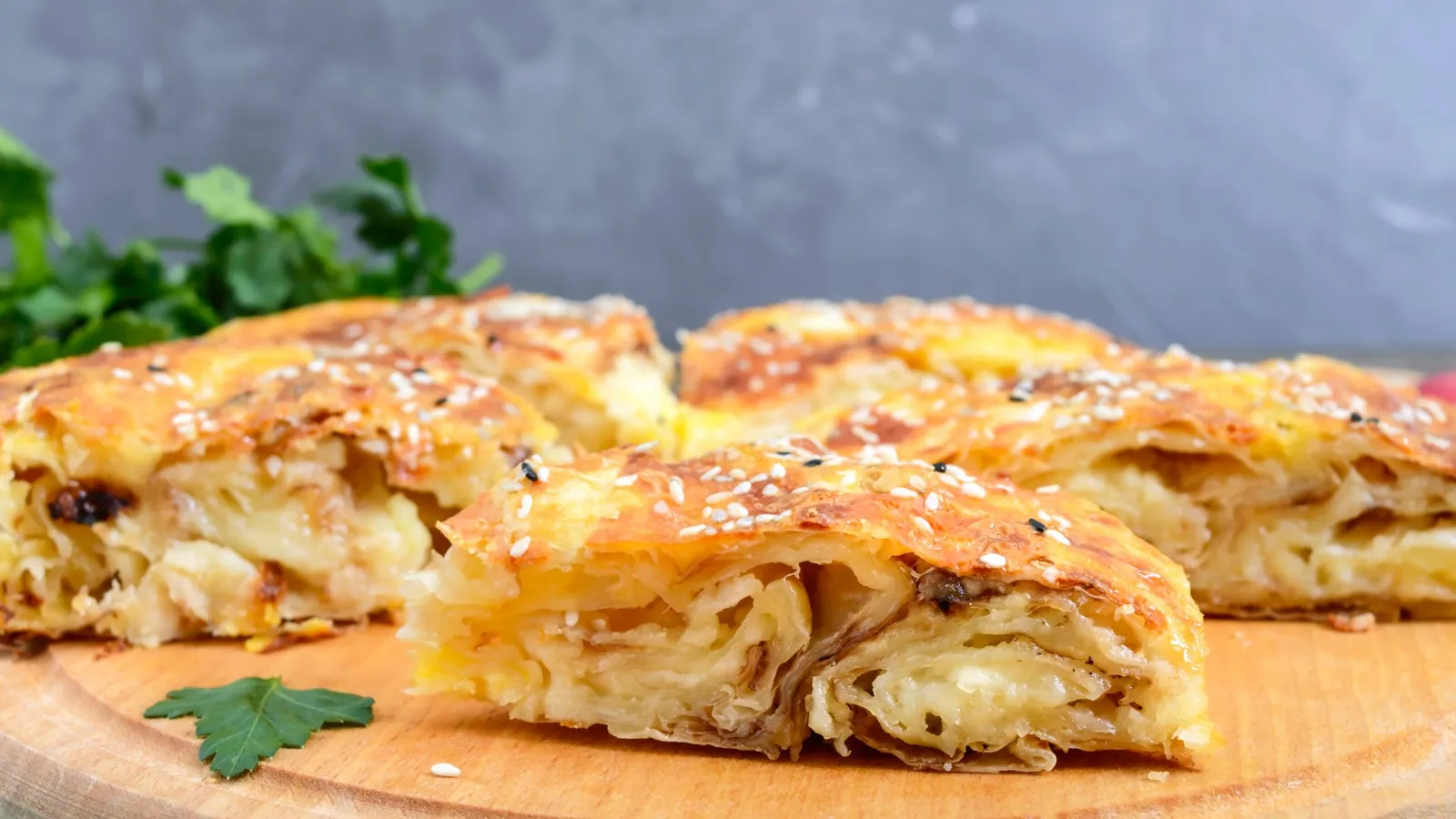
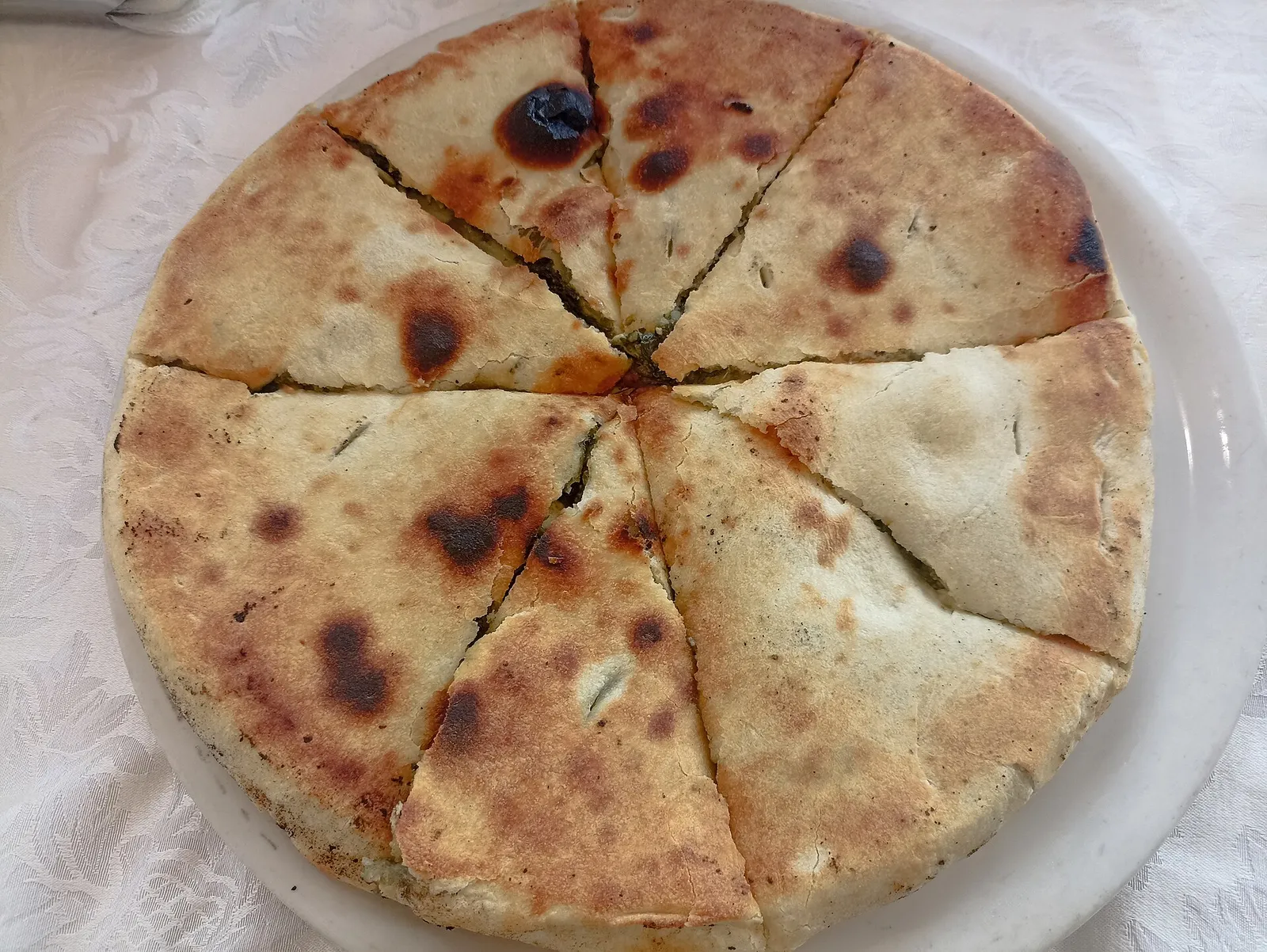
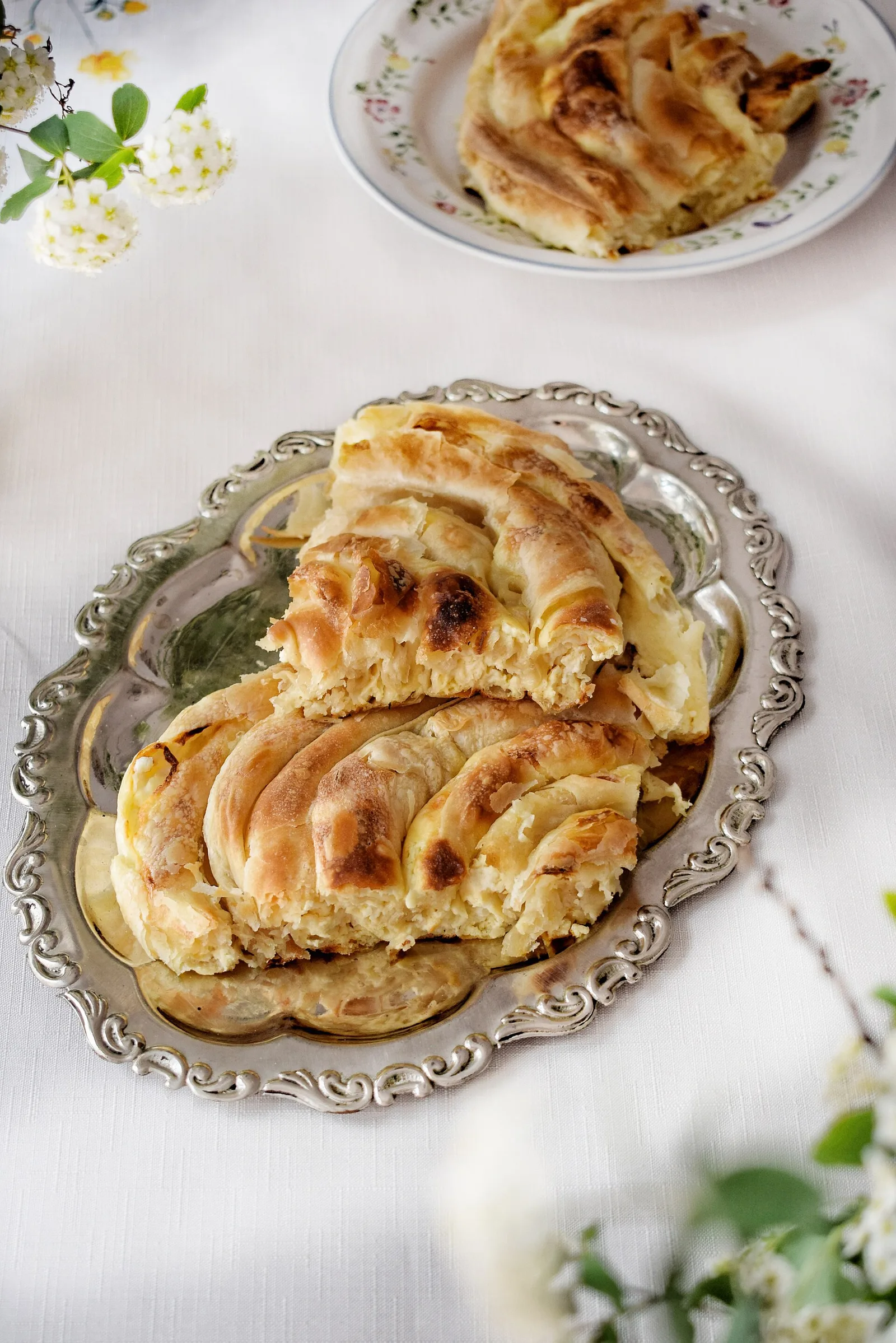
Byrek. Layered pastry with cheese, spinach, meat or pumpkin, baked in a big tray and sold by the slice. Breakfast, and very cheap.
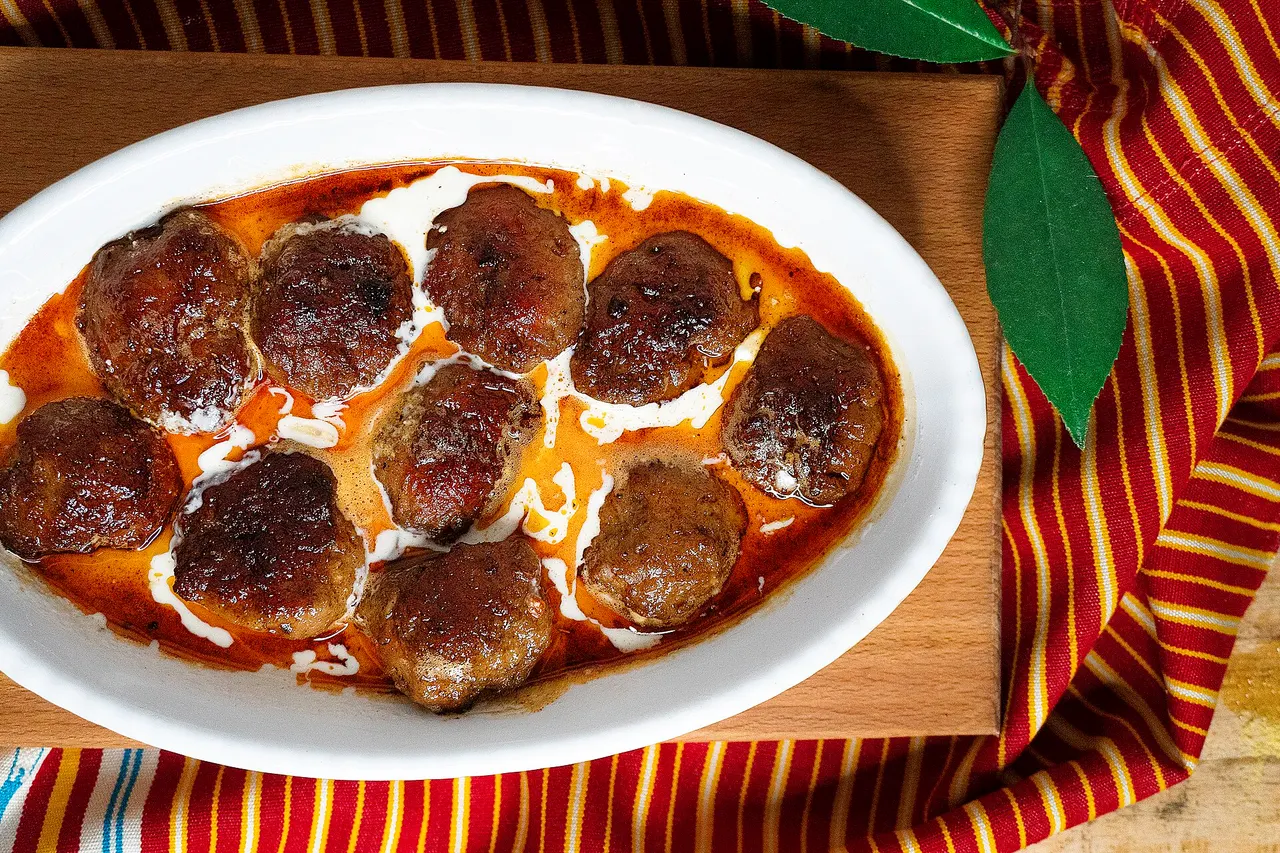
Qofte. Grilled meat patties, seasoned and served plain with bread and salad. Unglamorous and consistently good.
Mountain cheeses. Ordered as a starter, made in the highland villages, and worth the order in their own right.
And lake fish, from the Shkoder and Ohrid areas, which is the thing you cannot easily get elsewhere.
How a meal is actually built
| Course | What goes there |
|---|---|
| To share | Fergese, cheeses, salad, bread |
| Middle | Byrek, grilled vegetables |
| Main | Tave kosi, qofte, grilled meat or fish |
| End | Raki, which arrives regardless |
🔑 Order several dishes for the table rather than a main each. That is how Albanians eat, it costs less, and it lets you try more of a short menu.
Finding the right restaurant
The signals are the usual ones and they hold reliably here.
Who is eating there, and when. A place full of locals at nine in the evening beats a place full of visitors at seven.
Menu length. A short menu means a kitchen that cooks. A long one in five languages with photographs means a freezer.
And who invites you in. ⚠️ Someone standing outside pulling in customers is a warning sign, in Tirana as anywhere.
The positive signal that is easy to miss: a place with no English menu where the waiter makes an effort to explain. That is almost always a good sign.
Timing, which is not what visitors expect
Lunch is late, between one and three, and it is the main meal of the day.
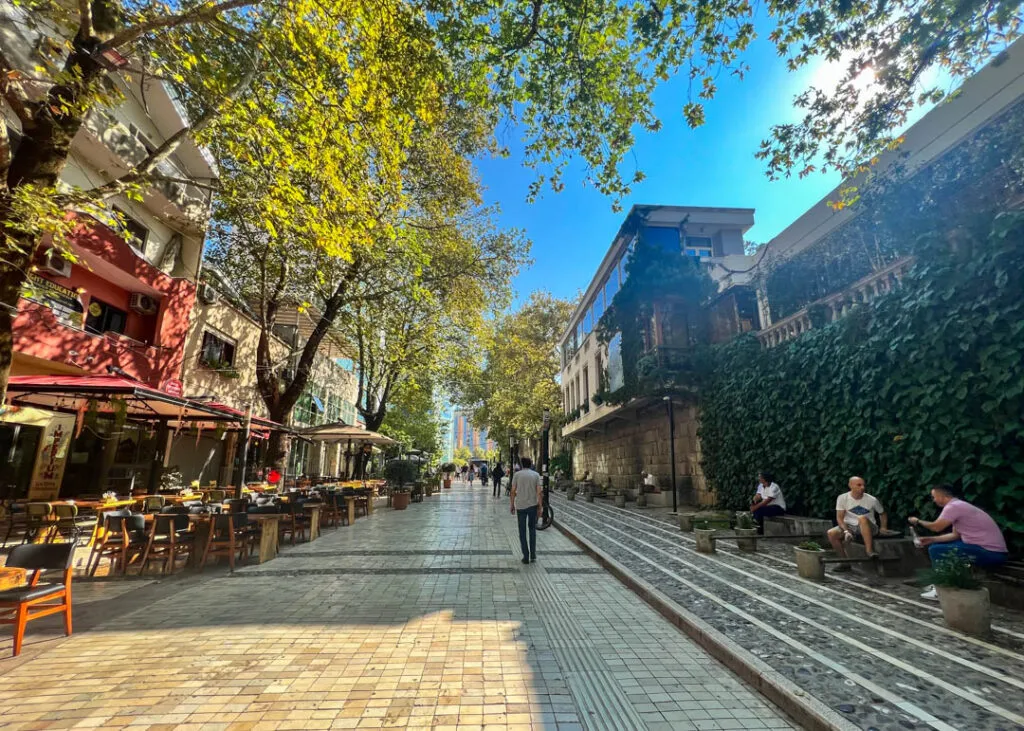
Dinner is much later. Albanians start after eight and the streets fill around ten. A visitor eating at seven finds empty rooms and draws the wrong conclusion.
The evening rhythm in the capital, where this is most pronounced, is in the Blloku guide.
 Skip the guessworkOne evening with a local guide
Vegetarians, and how well it works
Better than most people assume.
Cheese and spinach byrek are standard rather than a special request.
Fergese in its meatless form is on almost every menu.
Grilled vegetables, bean dishes, salads and cheeses cover the rest comfortably.
⚠️ The one question worth asking is whether a pastry came out of the same tray as a meat one, which is common in small bakeries.
What to drink
Albanian wine is made largely from indigenous grapes, is barely exported, and is the most interesting thing on the drinks list. House wine is usually local and usually fine.
Local beer works with grilled food and is what most people order at lunch.
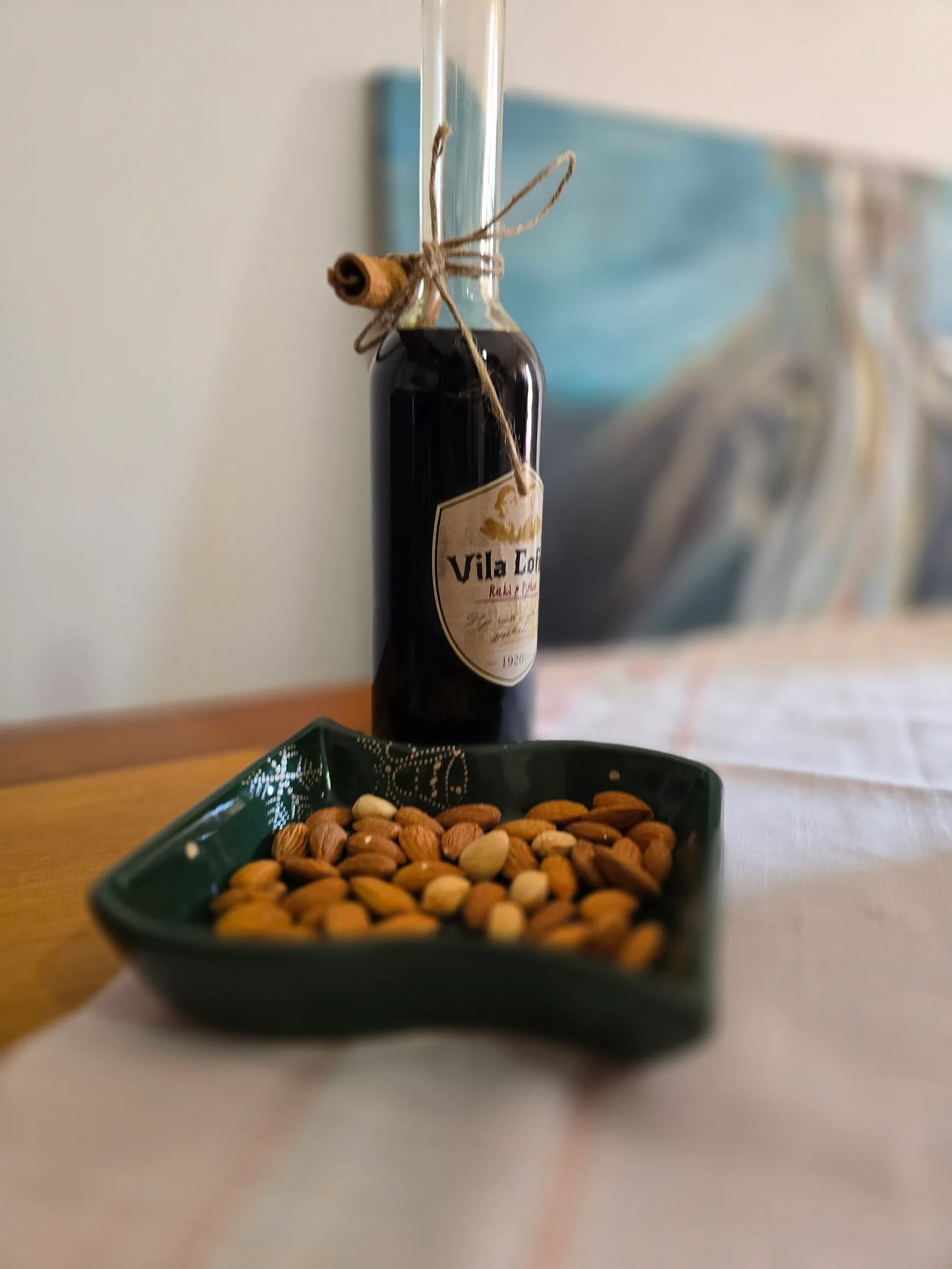
And raki arrives at the end, often without being ordered, as hospitality rather than an item on the bill. It is considerably stronger than the small glass implies. Declining politely causes no offence.
The full picture is in the drinks culture guide.
Regional differences worth knowing
The coast is fish, grilled simply, and the price is by weight rather than per plate. Ask what the fish weighs before agreeing to it.
The mountains are heavier: baked dishes, meat, cheese and pastry, which suits the climate they were designed for.
And the cities now carry a modern Albanian kitchen alongside the traditional one, taking the same ingredients and presenting them differently.
What to skip
The international sections of traditional menus, which exist for tourists and are never the reason to be there. And any restaurant whose window advertises in four languages on the busiest street in town.
The better test is a short menu. A place offering twelve dishes is cooking them; a place offering eighty is reheating most of them. That single rule will steer you right in almost any Albanian town, and it matters more than any name on this page.
Everything else about eating here, including regional detail and practicalities, is in the Albanian food guide.
In one line: the menu is short, the good version is cheap, and the only skill required is knowing six words.