Albania and Montenegro sit side by side on the Adriatic, share a mountain range, a border and a growing reputation, and compete for the same trip: an affordable Balkan escape with beaches, peaks and good food. They are not interchangeable. Montenegro is smaller, more polished and more discovered; Albania is bigger, cheaper and rawer, with a longer swimming coast. Here is how they actually compare, category by category, ending with a straight answer on which to pick.
Coast and beaches
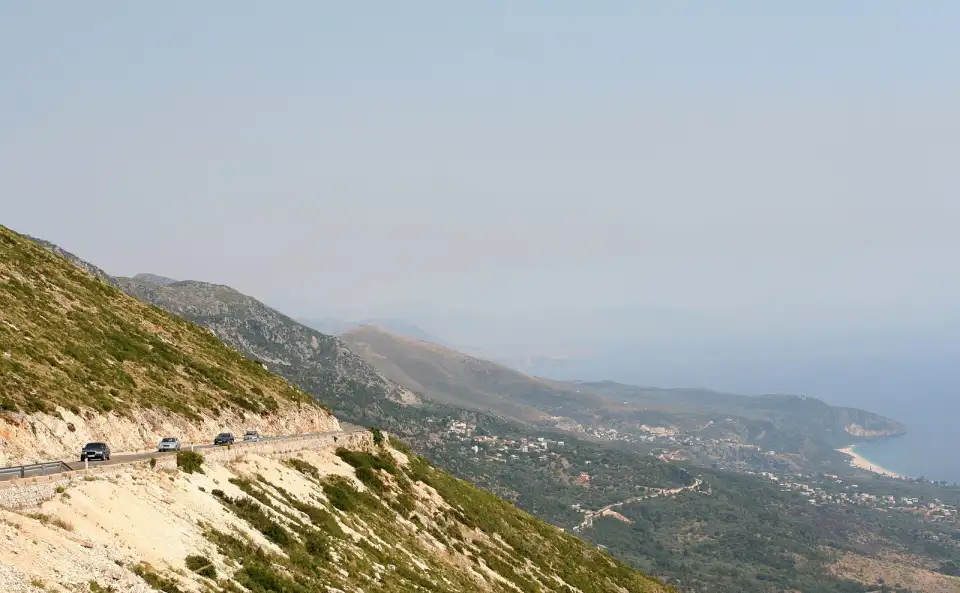
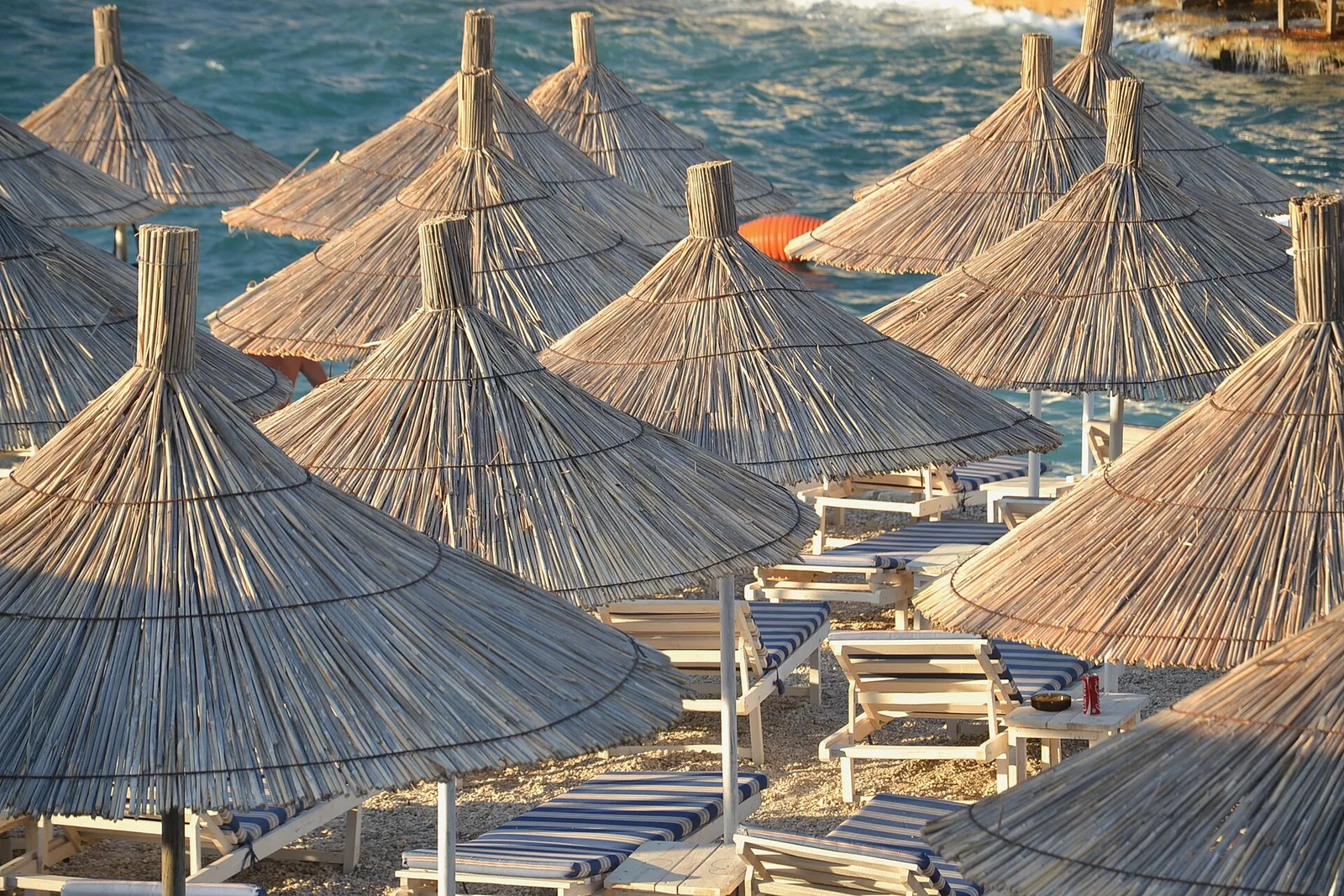
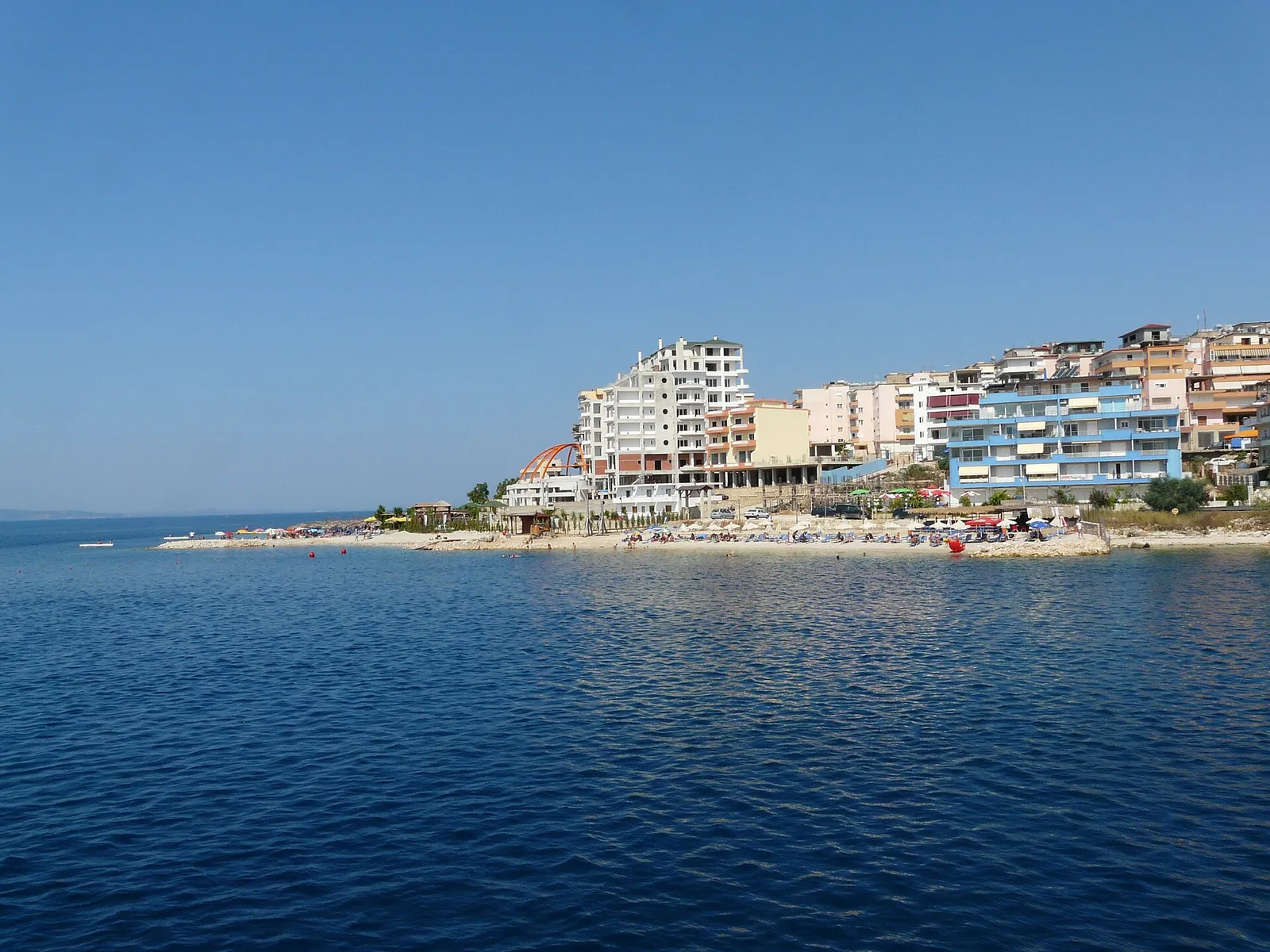
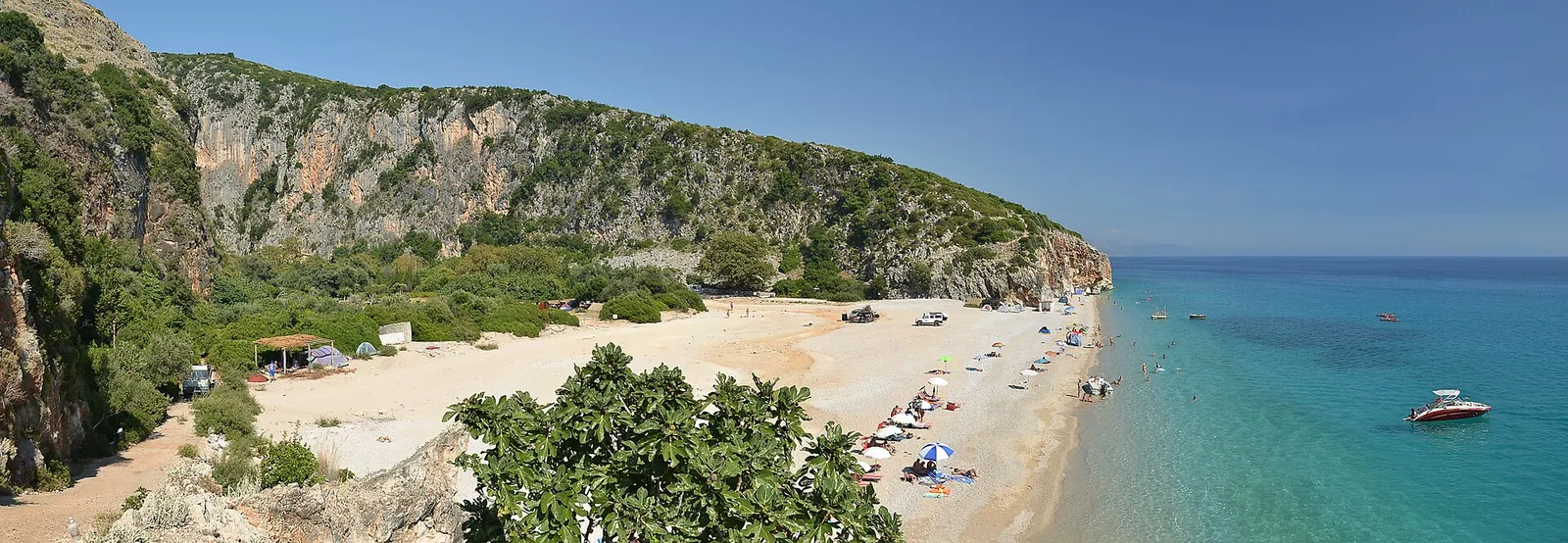
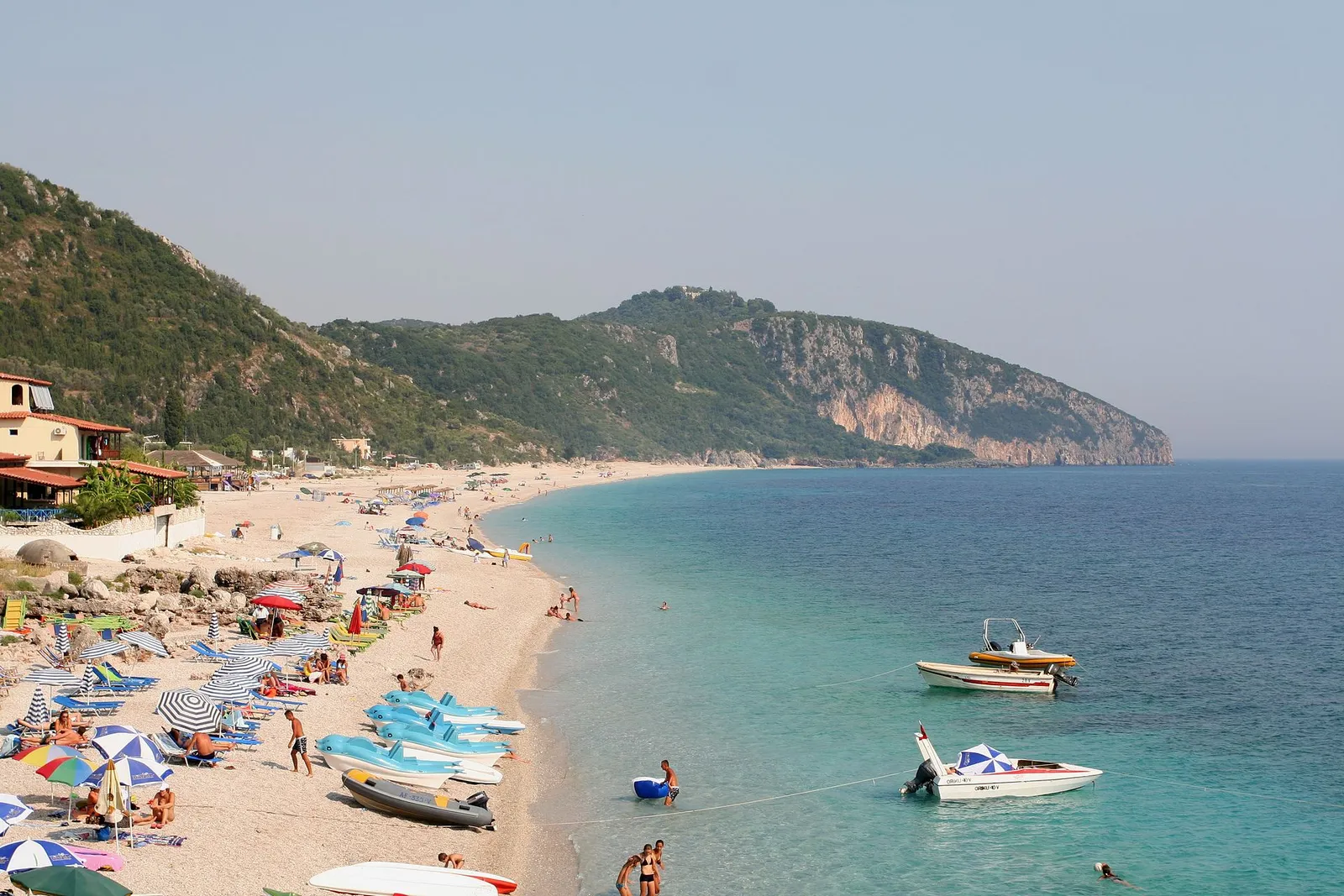
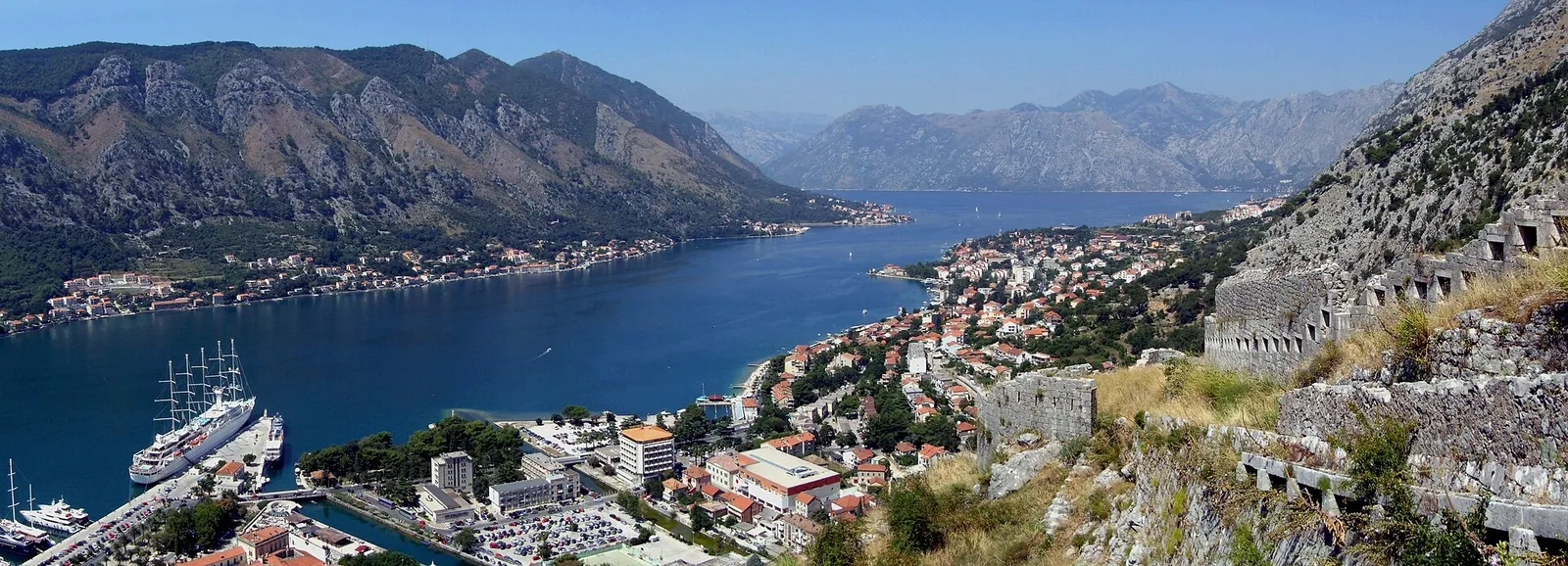
Montenegro’s headline is the Bay of Kotor, a drowned river canyon walled by mountains, with the medieval town of Kotor at its head. It is one of the most dramatic sights on the Mediterranean, but it is scenery more than swimming: beaches inside the bay are small and man-made, and the best sand sits further south around Budva and Ulcinj. Albania answers with quantity and colour: the Albanian Riviera runs roughly 70 kilometres from the Llogara pass to the Greek border, a string of turquoise coves from stylish Dhërmi to wild Gjipe to the white shallows of Ksamil. For pure beach holidays, Albania wins; for jaw-dropping coastal scenery of the framed-photo kind, Kotor is hard to top.
The season matters as much as the choice, because both coasts have a short summer and both empty out around it, and the swimming window is narrower than a Mediterranean map suggests; our month-by-month weather guide for Albania sets out when the sea is actually warm and when the Riviera is closed.
Cost and value
This one is not close. Albania is 30 to 50 percent cheaper across the board: a seafood dinner that costs €15 in Himarë is €25 to €35 in Budva, guesthouses start around €20 to €35 against €40 to €60, and coffee, transport and boat trips follow the same pattern. Montenegro is still decent value by Western European standards, but Kotor in cruise season has Croatian prices. If budget is a deciding factor, Albania is the best-value coast in Europe, and the gap holds for accommodation, transport and boat trips alike.
Mountains and the outdoors
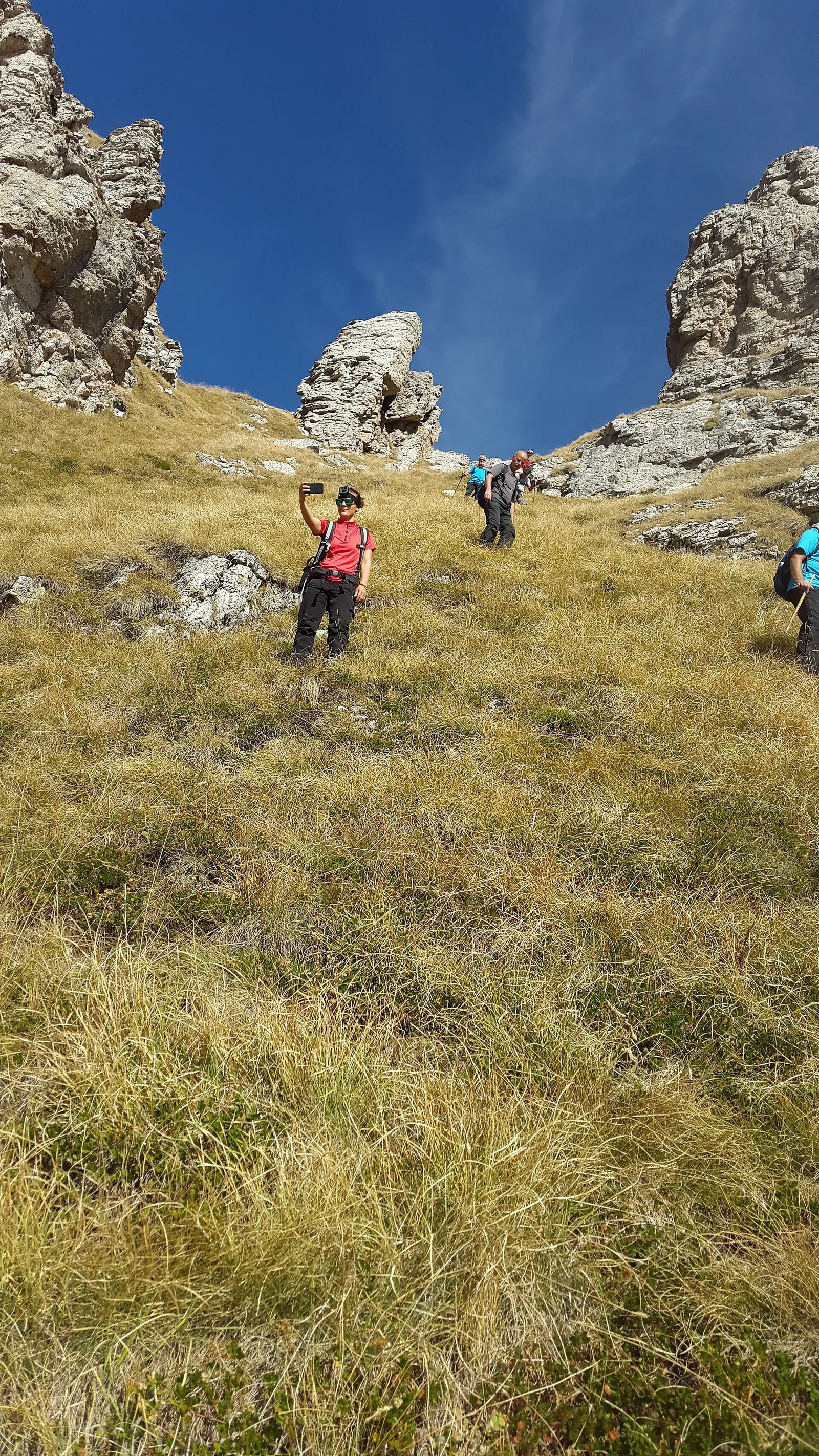
Both countries share the Dinaric Alps and both are genuinely world-class here. Montenegro’s Durmitor National Park is the more developed package: marked trails, the Tara canyon with organised rafting, and the scenic Black Lake an easy stroll from Žabljak. Albania’s Accursed Alps in the north are the wilder sibling, with the celebrated Theth to Valbona crossing and stone guesthouses in valleys that only got proper roads recently. Choose Montenegro for accessible, organised outdoors; choose Albania for the feeling of being early to something.
That gap in development has one practical consequence worth pricing in: rescue and medical response in the Albanian north is a coordination effort rather than a service on standby, which makes cover for hiking and evacuation more than a formality here. Our guide to travel insurance for Albania covers what to check before you buy.
Sleep where the value isIn Albania the same money buys a sea-view room that would be a basic double across the borderFood
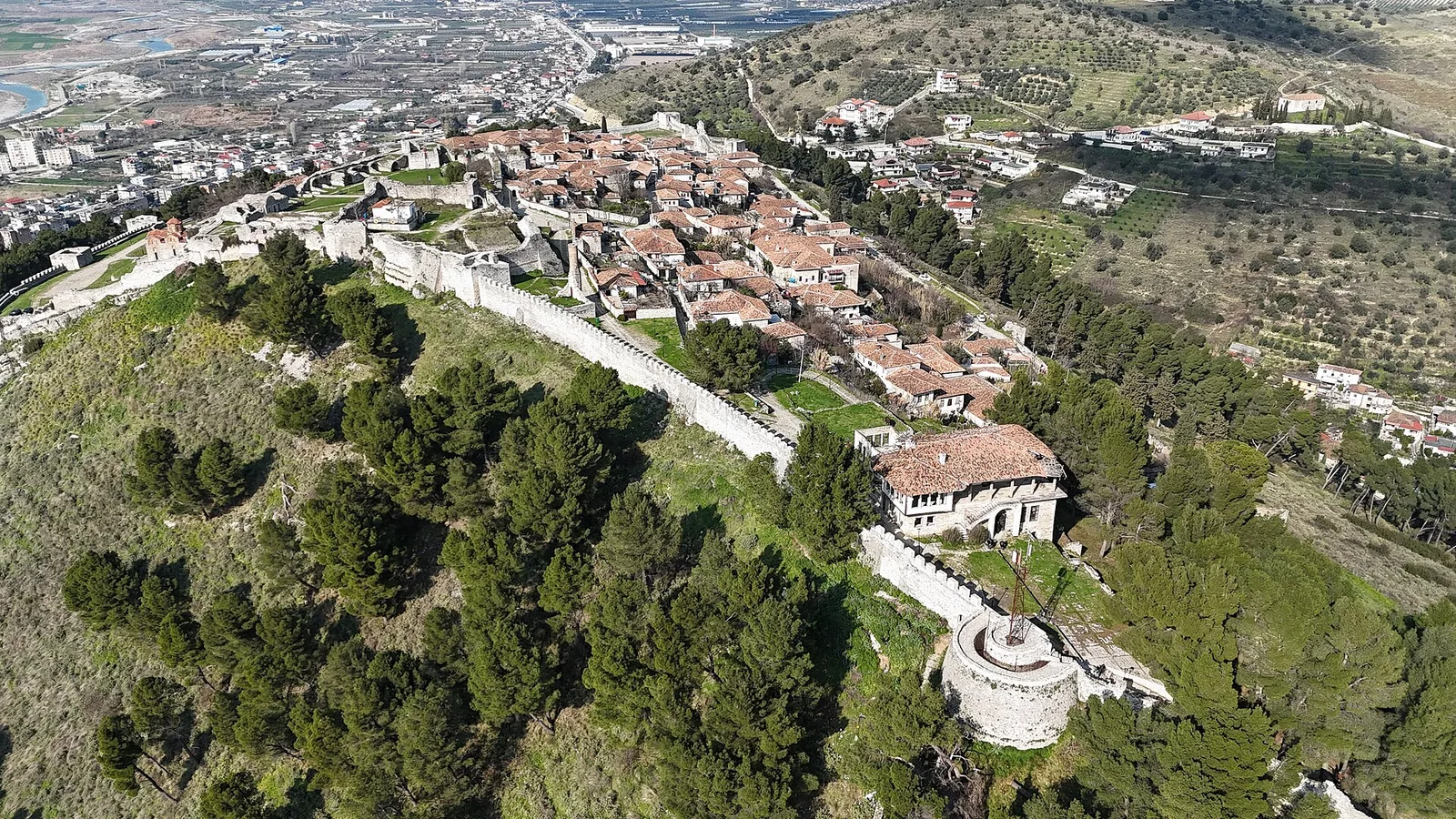
The cuisines overlap, grilled meat, fresh fish, strong coffee, local wine and rakija, but Albania has quietly become the foodie pick: slow food villages, farm restaurants around Gjirokastër and Berat, and tavernas where a feast costs €10. Montenegro eats well too, especially around the bay with its mussels and smoked ham, but at higher prices and with more tourist-menu inertia in the hotspots.
Ease, crowds and getting around
Montenegro is the easier country: distances are tiny, roads are better, tourism is mature and English is widespread in the resorts. The flip side is crowds, cruise passengers filling Kotor’s lanes and Budva’s beaches packed solid in August. Albania demands slightly more patience, longer drives, looser signage, a bus network best described as improvised, but rewards it with space and warmth, and its infrastructure improves visibly every year. The one preparation that is genuinely different between the two countries is knowing who to call and how the health system splits between public and private, which takes five minutes; our guide to emergency numbers in Albania covers it.
Head to head
| Category | Albania | Montenegro |
|---|---|---|
| Beaches and swimming | Long turquoise Riviera, Ksamil | Shorter coast, Budva and Ulcinj |
| Coastal scenery | Llogara pass, dramatic coves | Bay of Kotor, truly iconic |
| Daily cost | Lowest on the Mediterranean | Moderate, high in Kotor in summer |
| Mountains | Accursed Alps, wild and raw | Durmitor, organised and accessible |
| Food value | Outstanding, very cheap | Good, pricier in hotspots |
| Crowds | Growing, still light overall | Heavy in Kotor and Budva in peak |
| Ease of travel | Improving, needs patience | Compact and straightforward |
| Trip length it suits | 7 to 14 days | 4 to 7 days |
So which should you choose
Choose Albania if you want the best beaches for the least money, a bigger country to roam, wilder hiking and the feeling of a place still being discovered. Beach-first travellers, budget travellers, foodies and road-trippers with 7 to 14 days all fit here.
Choose Montenegro if you have under a week, want maximum postcard scenery with minimum logistics, or are building a trip around the Bay of Kotor. It suits short-break travellers, cruisers extending a stop, and anyone who values polish over price.
Choose both if you have ten days or more: the border is easy, the two coastlines and mountain ranges complement each other perfectly, and one rental car with cross-border paperwork covers the lot. If you must pick one country for one trip, our vote goes to Albania, more coast, more value, more room to explore, but it is a genuinely happy dilemma either way.