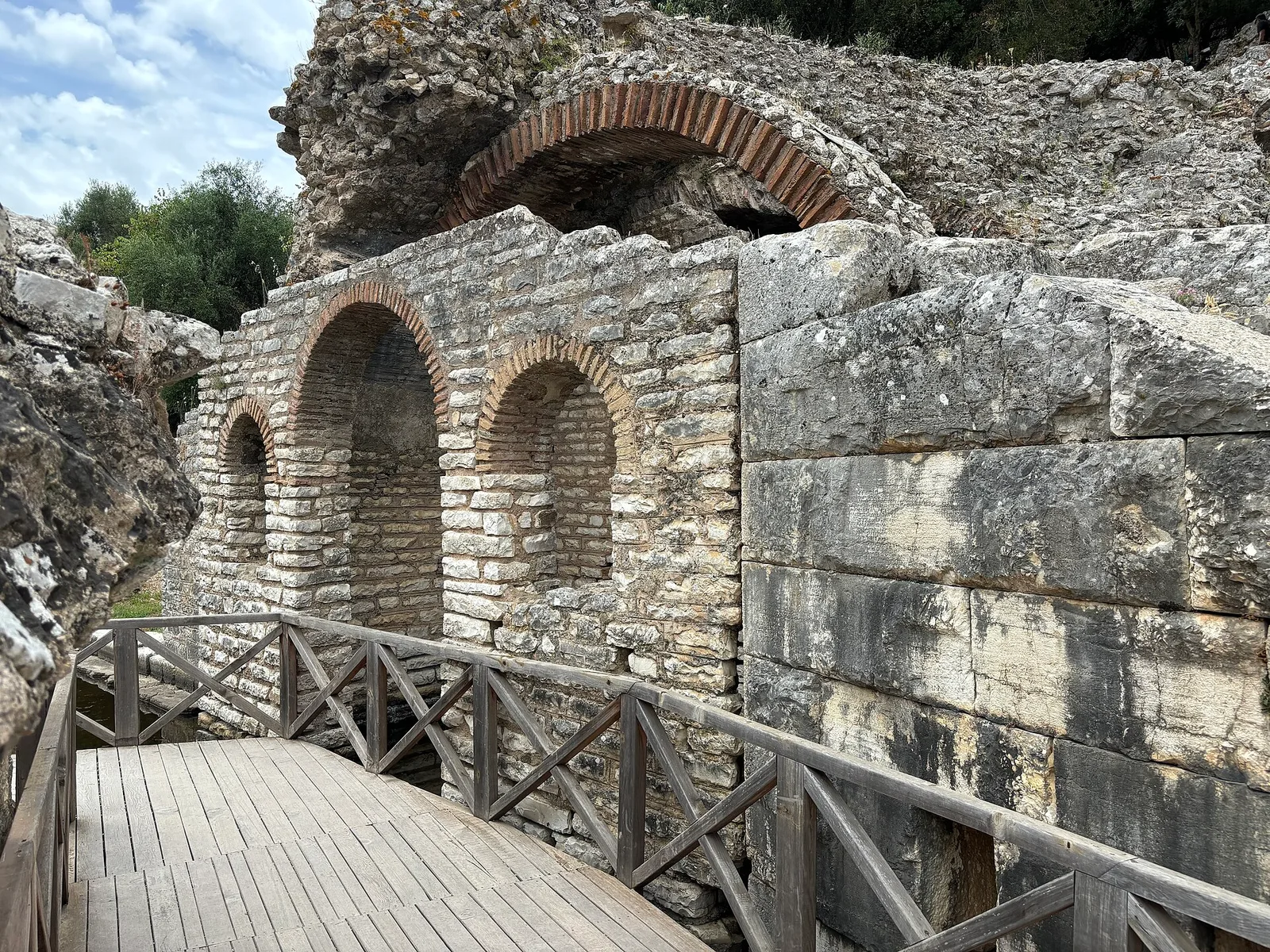
Albania has been at the edge of somebody’s empire for most of recorded history, which is unfortunate for Albanians and excellent for visitors. Greek colonies, Roman provincial cities, Byzantine churches, Venetian forts, five centuries of Ottoman rule, an Italian occupation and then the most isolated communist state in Europe have each left something standing, and because the country was closed until the nineteen nineties, very little of it has been tidied up for tourism.
The ancient sites
Butrint, near the southern border, Greek then Roman then Byzantine then Venetian, UNESCO listed and the best of them.
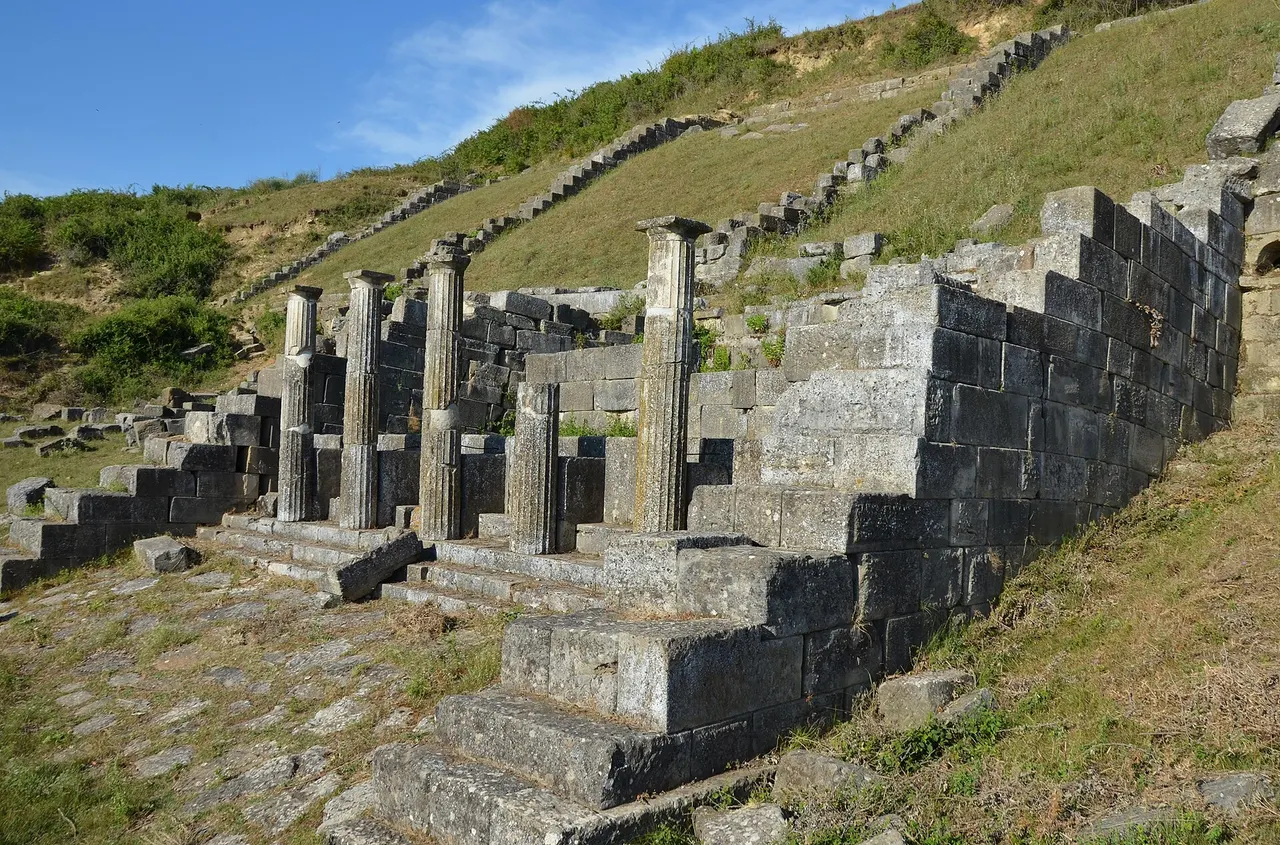
Apollonia, inland from the central coast, a Greek colony with a Roman city on top and an odd monastery in the middle.
Byllis, on a hilltop above the Vjosa valley, with mosaics and almost no visitors.
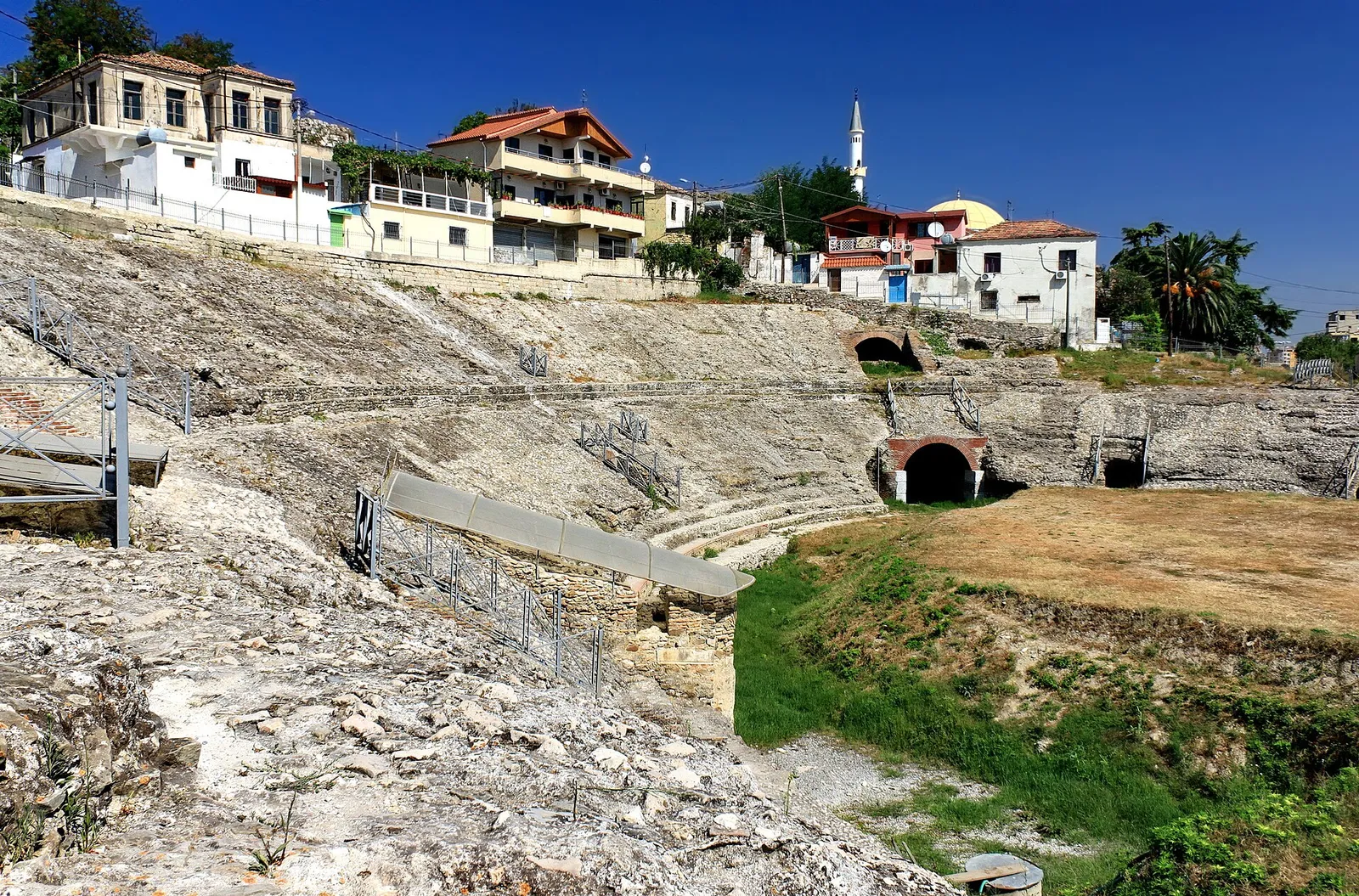
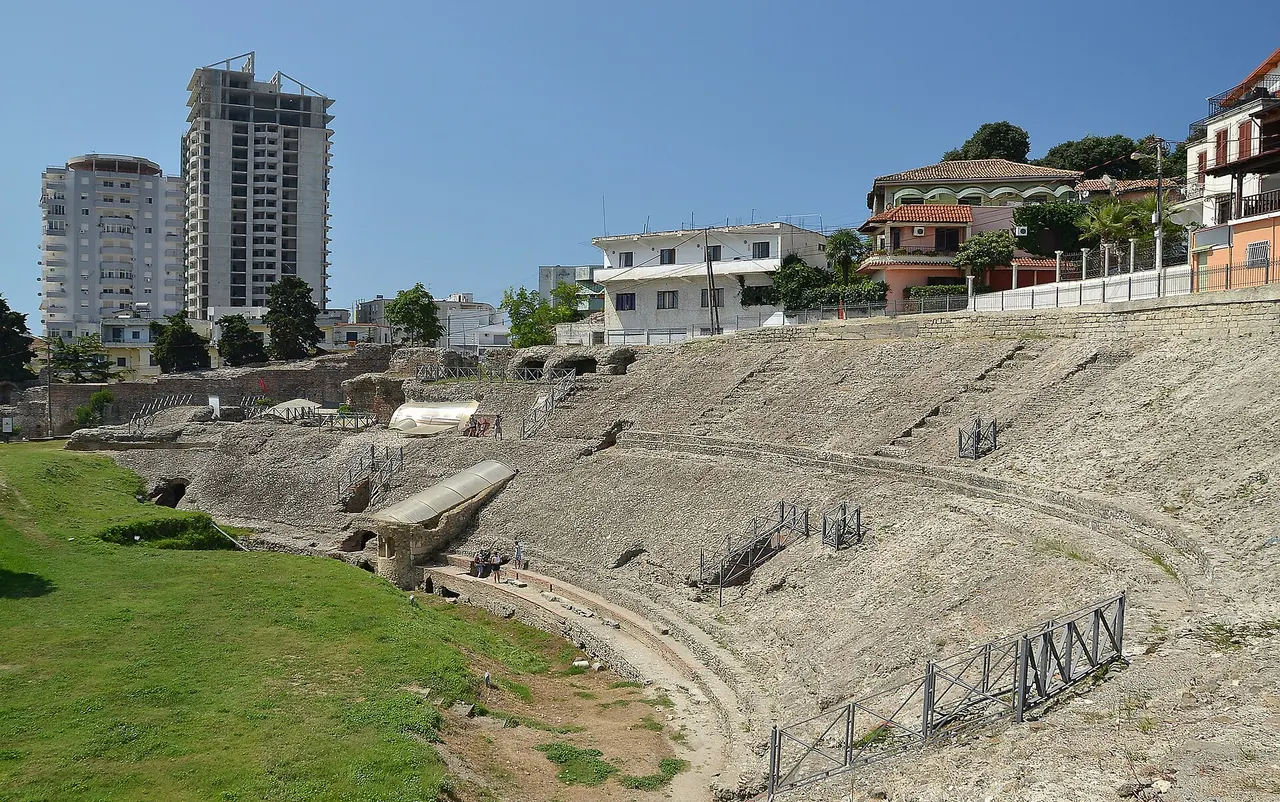
The Durres amphitheatre, Roman, and now surrounded by a modern city that was built over it.
Antigonea and the smaller sites, for anybody who is genuinely interested rather than ticking off.
Very little interpretation at the smaller ones, which is worth preparing for.
The Ottoman centuries
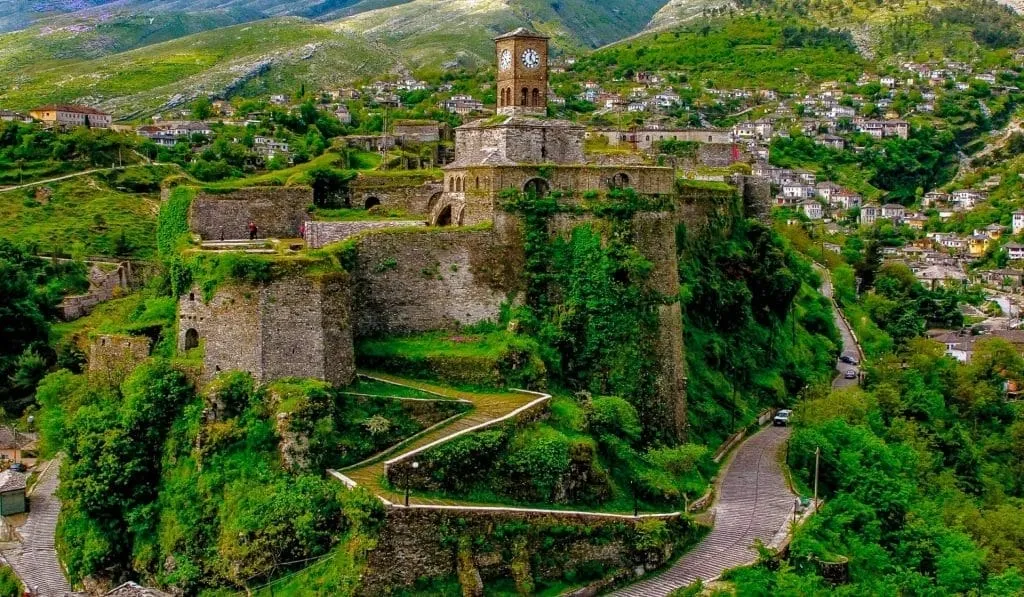
Gjirokaster, grey stone tower houses up a mountainside under a castle, UNESCO listed.
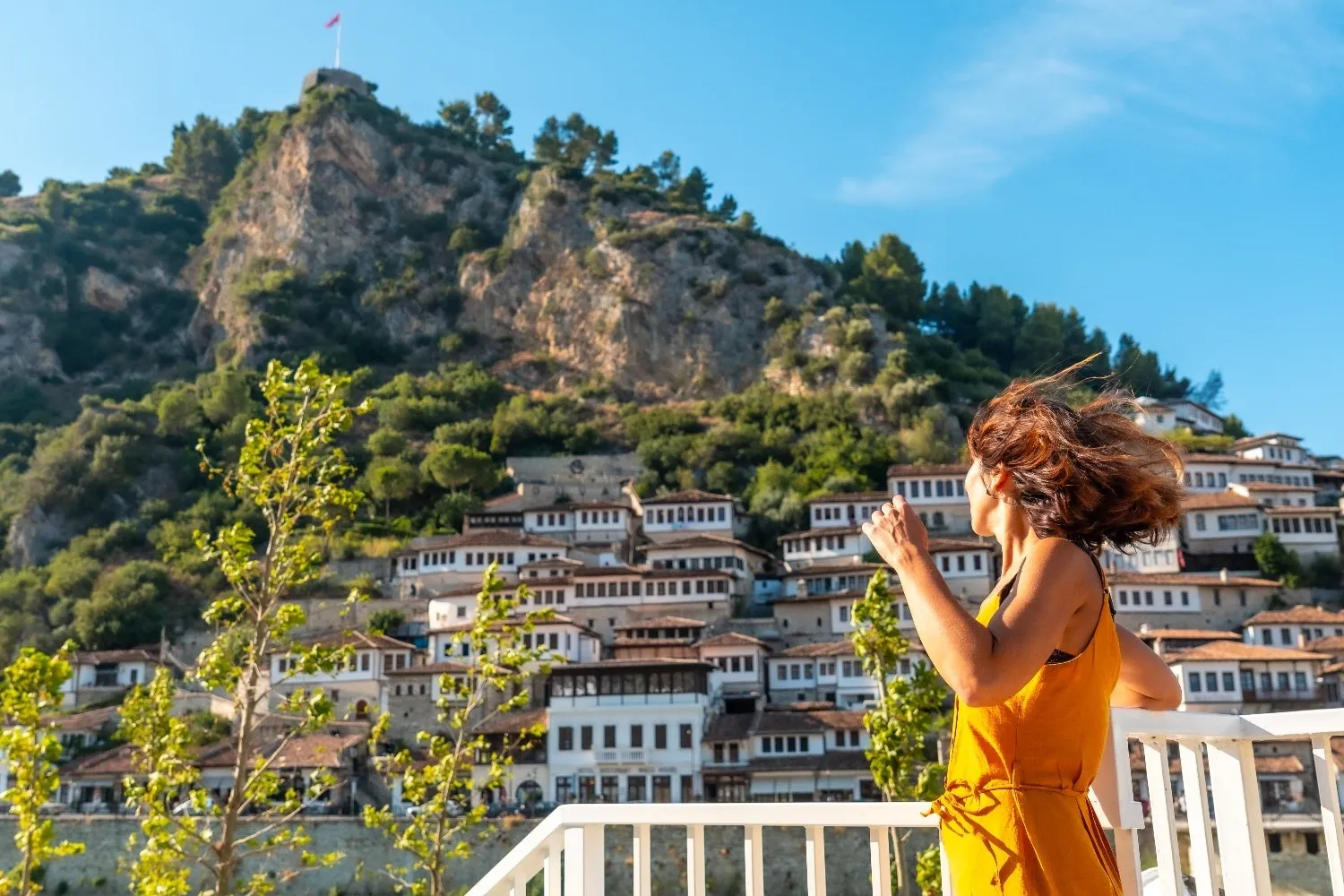
Berat, white Ottoman quarters facing across a river with an inhabited castle above, UNESCO listed.
Kruje, with a castle, a bazaar and the Skanderbeg museum.
The mosques of Berat, Gjirokaster and central Tirana, several sixteenth century.
Merchant houses, restored as museums in both UNESCO towns.
Five centuries of it, which is why the architecture and the food look the way they do.
The twentieth century
Bunk Art 1 and 2 in Tirana, inside genuine command bunkers.
The House of Leaves, the surveillance museum in the former secret police building.
The bunkers themselves, in fields, on beaches and in gardens, everywhere.
Spac prison, in the north, a former labour camp, which is bleak and largely unmanaged.
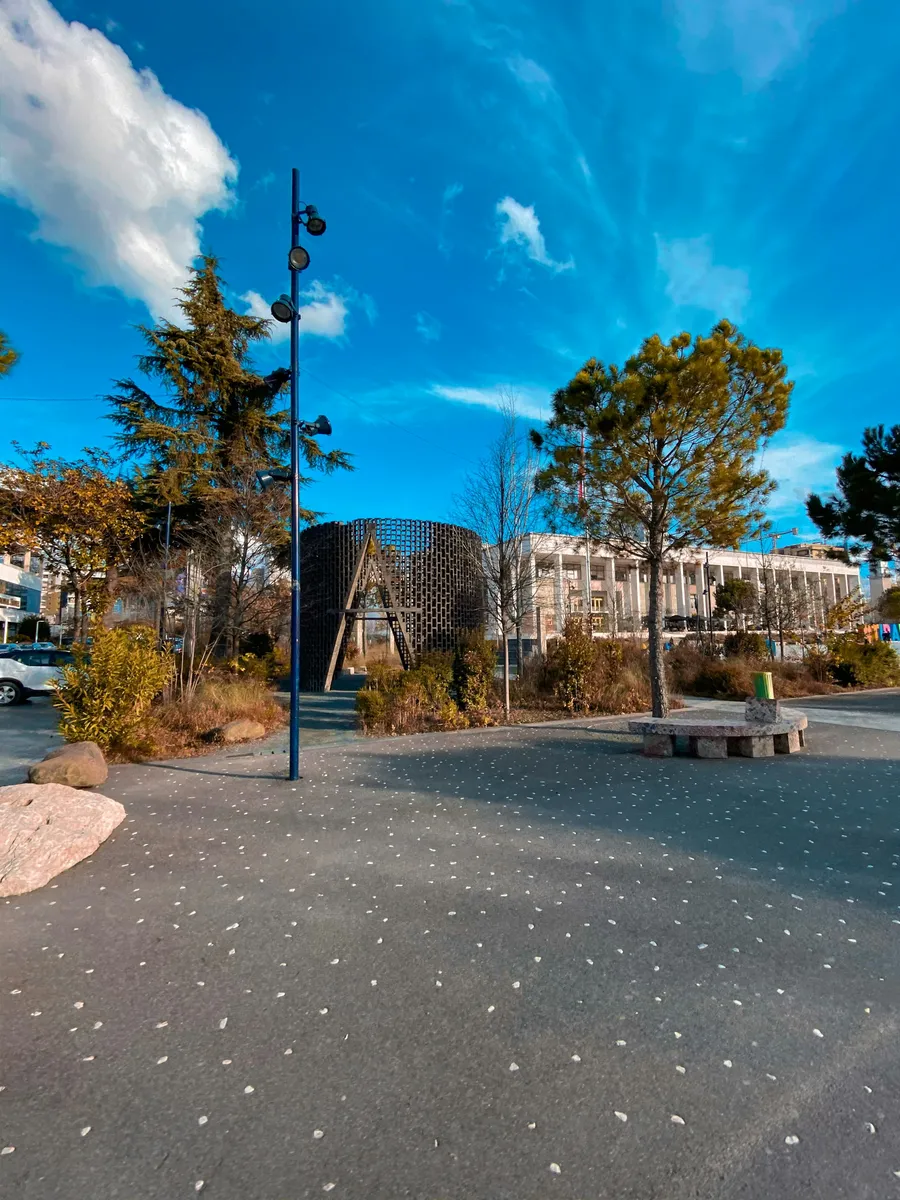
The pyramid in Tirana, built as a museum to the dictator and now something else entirely.
The national history museum, for the official narrative and how it has changed.
A workable order
Tirana, two days, for the twentieth century.
Durres, half a day, for the amphitheatre on the way south.
Apollonia, an hour, off the coastal road.
Berat, one night.
Gjirokaster, one night, inland from the southern coast.
Butrint, a full morning, from Saranda or Ksamil.
Where this fits in an Albania trip
A week with a car, or the historical spine of a longer trip that also has beaches in it.
For the practical basics of travelling here, our beginner guide to Albania covers the ground.
For the white Ottoman town two hours from the capital, our Berat day trip guide covers the visit.
And for the Roman amphitheatre under a modern city, our Durres day trip guide covers that stop.
The short version
Start with the twentieth century in Tirana, because the bunker museums and the surveillance museum explain everything you will see afterwards. Then work south: the Durres amphitheatre, Apollonia off the coastal road, a night in Berat, a night in Gjirokaster, and a full morning at Butrint, which is the best site in the country by a distance. Hire a car, because the sites are not on bus routes. And read something before the smaller ones, which have almost no interpretation.
Beyond the towns on every itinerary, the country keeps a handful that almost no visitor reaches. Our five Albanian towns most visitors miss covers them and how to get there.