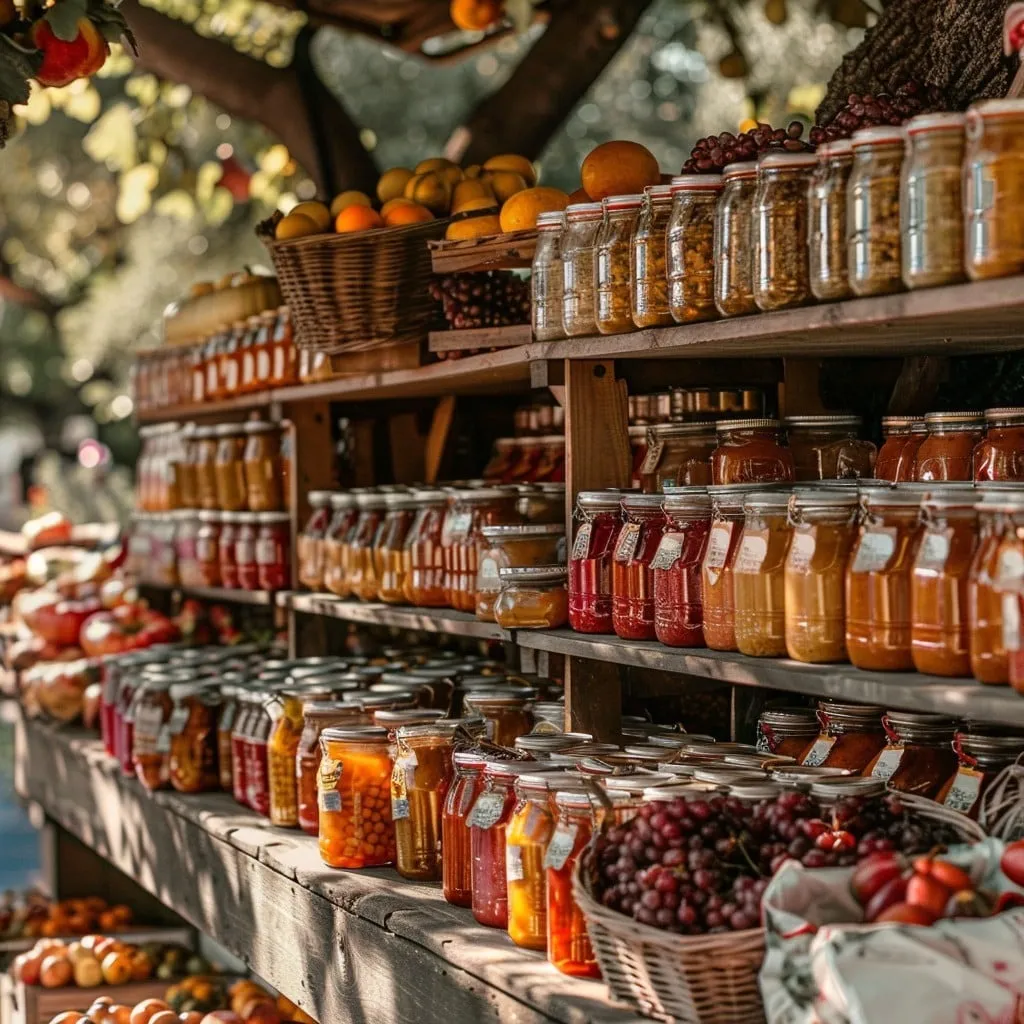
Tirana is not a shopping city in the way that phrase usually means, and that is the useful thing about it. What it has is a rebuilt food bazaar, a lane of craft workshops under the castle, a boutique district that has grown up fast, two large modern malls on the edge of the centre, and a flea market that turns up at the weekend with the contents of the twentieth century laid out on tables. Between them there are four or five things genuinely worth carrying home and a great deal that is not.
What is actually worth buying
Mountain tea, dried sideritis from the highlands, sold in bunches and brewed rather than steeped.
Honey, which is excellent here and varies by region and flower.
Olive oil, from the south, sold in unglamorous bottles that travel badly and taste very good.
Raki, ideally from a producer or a market stall rather than a gift shop.
Filigree silver, a regional craft with real work in it.
Kilims and wool, hand woven, heavy, and priced accordingly.
What to leave
Anything with a double headed eagle printed on it, which is made in bulk and sold everywhere.
Fridge magnets and keyrings, for the same reason.
Polyester rugs sold as kilims, which are common and identifiable by weight and by the back of the weave.
Antiques with no story, since provenance here is frequently invented.
Stamped earrings sold as filigree, which are pressed rather than wound.
Duty free raki at the airport, which costs several times the market price.
Where to go
Pazari i Ri, the rebuilt New Bazaar, for food, honey, herbs, cheese and raki, plus the restaurants around it.
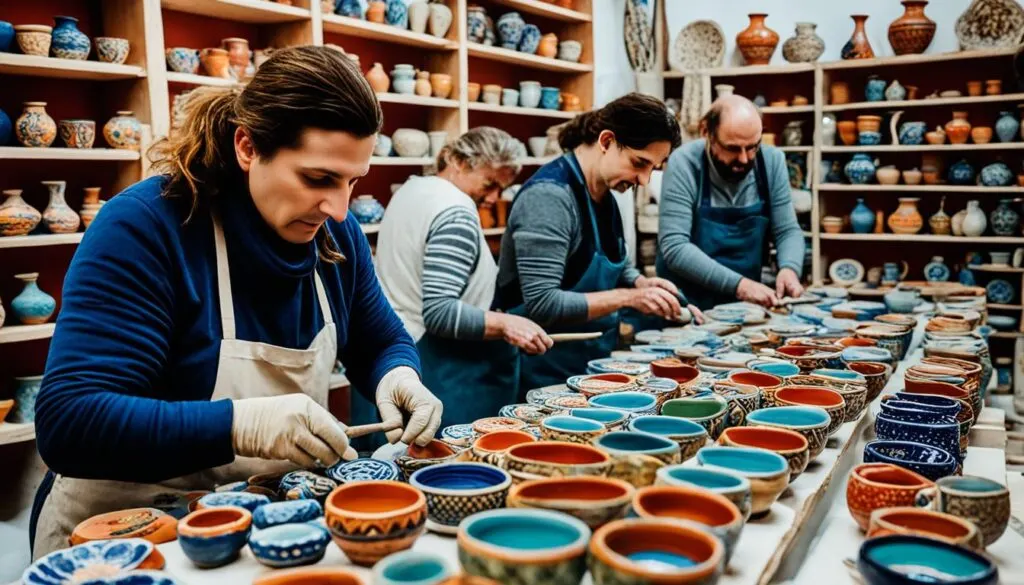
The castle lane, a short covered strip of craft and souvenir shops behind the walls in the centre.
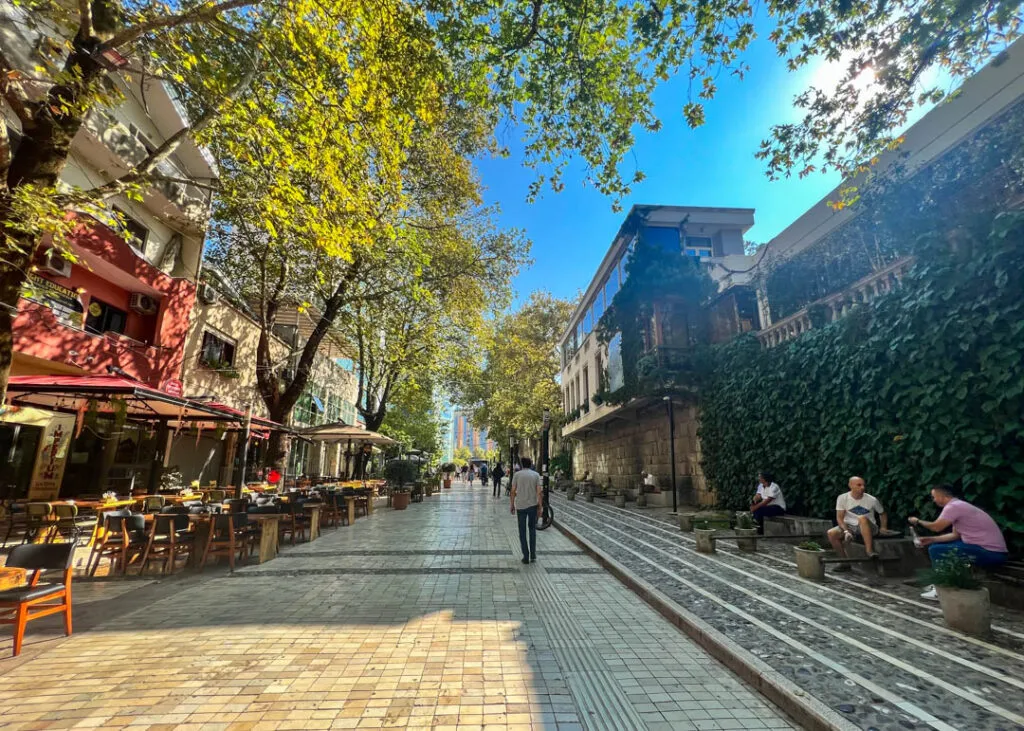
Blloku, for boutiques, Albanian designers and the better coffee, and the easiest of the three to browse on foot.
The weekend flea market, whose location has moved over the years, so ask on the day.
Toptani in the centre and the larger malls on the ring, for international brands at international prices.
Rruga e Kavajes and the side streets, for ordinary shops at ordinary prices.
How much things cost
Food and drink are cheap, including good honey and oil.
Craft work is not cheap and should not be, since it is priced by the hours in it.
Brand goods in the malls cost roughly European prices, so there is no arbitrage.
Haggling is mild and limited to markets and stalls.
Cash is easier at the bazaar and the flea market; cards are normal in shops and malls.
Customs limits on alcohol and food apply on the way home and are your responsibility to check.
Where this fits in a Tirana visit
An afternoon, or an hour folded into a walk between the bazaar and Blloku.
For the rest of the capital and the order to see it in, our things to do in Tirana covers the city.
For the bar and boutique district specifically, our Blloku guide covers what is there.
And for an evening once the shopping is done, our guide to Albanian folk music covers where to hear it live.