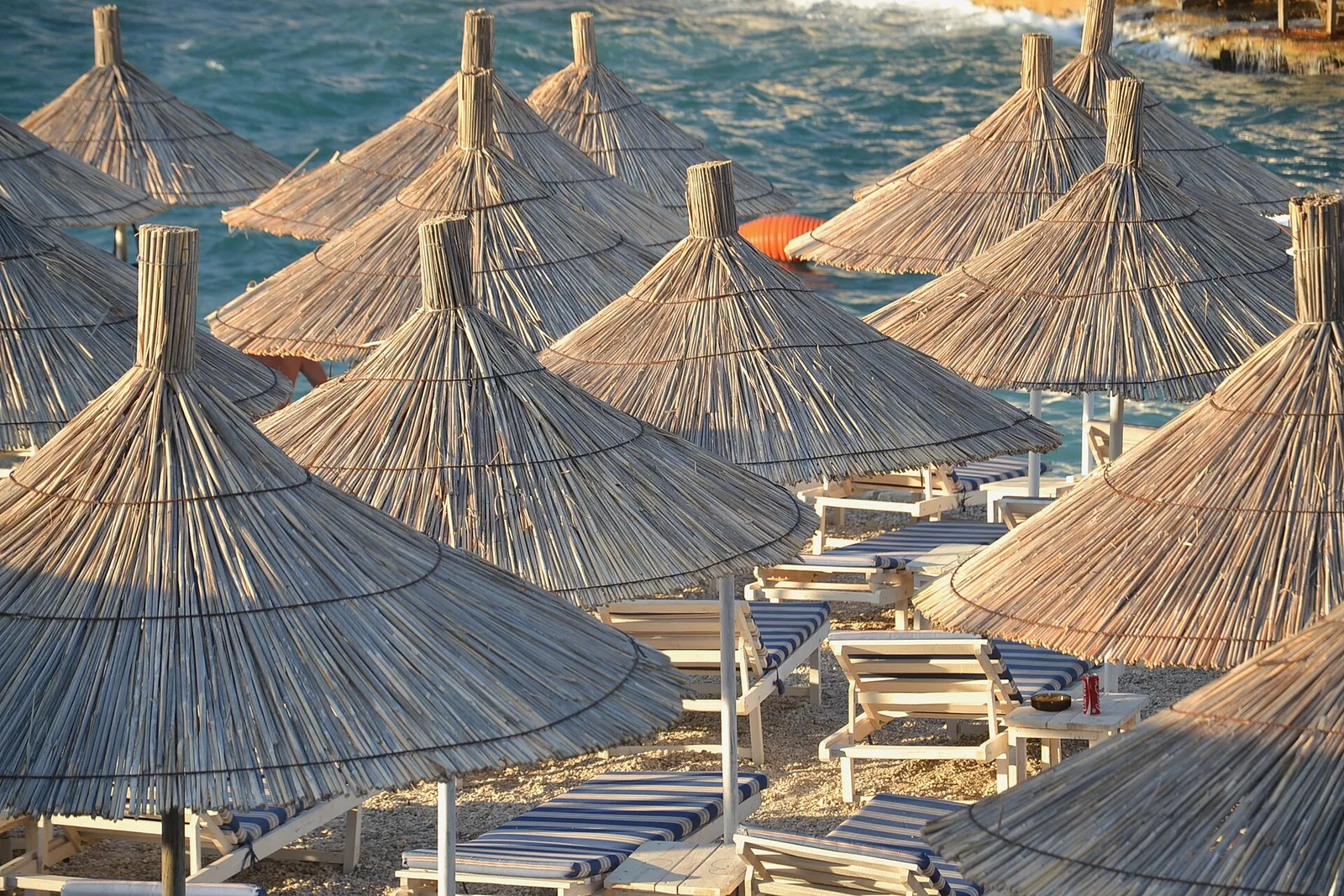
Albania packs three climates into one small country: a Mediterranean coast that bakes all summer, an alpine north that holds snow into June, and cities in between with proper seasons. That is great news, because it means there is a right answer to “when should I go” for every kind of trip. Here is the honest month-by-month picture, then the verdict.
Three countries, one small map
The distances here are short and the climates are not. The coast is straightforwardly Mediterranean: hot dry summers, mild wet winters, and a sea that holds its warmth long after the air has cooled. The inland lowlands, including the capital, run hotter than the coast in summer because there is no sea breeze, and colder and greyer in winter.
The northern mountains are a different country altogether, with a season that opens late and closes early, snow on the high passes months after the beaches have warmed up, and afternoon storms in high summer. A single drive can take you between two of these in a morning, which is why a trip planned around one national forecast will always feel slightly wrong somewhere.
The year at a glance
| Month | Tirana | Riviera and sea | Albanian Alps | Verdict |
|---|---|---|---|---|
| January | 12°C, rainy spells | 13°C, sea 15°C | Snowbound | Cities and museums only |
| February | 13°C, mixed | 13°C, sea 14°C | Snowbound | Quietest month, lowest prices |
| March | 16°C, brightening | 16°C, sea 15°C | Snow melting | Spring city breaks begin |
| April | 19°C, green | 18°C, sea 16°C | Lower trails open | Sightseeing gold, no swimming |
| May | 24°C, sunny | 23°C, sea 18°C | Valleys open, passes snowy | Beautiful, brisk first swims |
| June | 29°C, dry | 27°C, sea 22°C | Full season opens | Superb everywhere |
| July | 32°C, hot | 30°C, sea 25°C | Prime hiking | Peak season begins |
| August | 33°C, hottest | 30°C, sea 26°C | Prime hiking | Busiest, priciest, hottest |
| September | 28°C, golden | 27°C, sea 25°C | Crisp and clear | The connoisseur’s month |
| October | 22°C, mixed | 22°C, sea 22°C | Season ends mid-month | Warm sea early, rain later |
| November | 16°C, wettest | 17°C, sea 19°C | Closed | Rainiest month of the year |
| December | 13°C, rainy spells | 14°C, sea 17°C | Snowbound | Festive Tirana, empty sites |
Temperatures are typical daytime highs; the sea figures are for the Ionian around Saranda and Himarë.
Winter: January and February
Inland Albania does real winter, and the Alps disappear under snow, but the lowlands stay surprisingly mild. Tirana serves plenty of 12 to 15 degree days between rain fronts, cafe life carries on outdoors under heaters, and the museums, bazaars and Ottoman towns are empty. This is the cheapest Albania of the year and a genuinely good city-break window, as long as you accept that the Riviera is in hibernation, with many beach hotels and restaurants shut until spring.
Spring: March to May
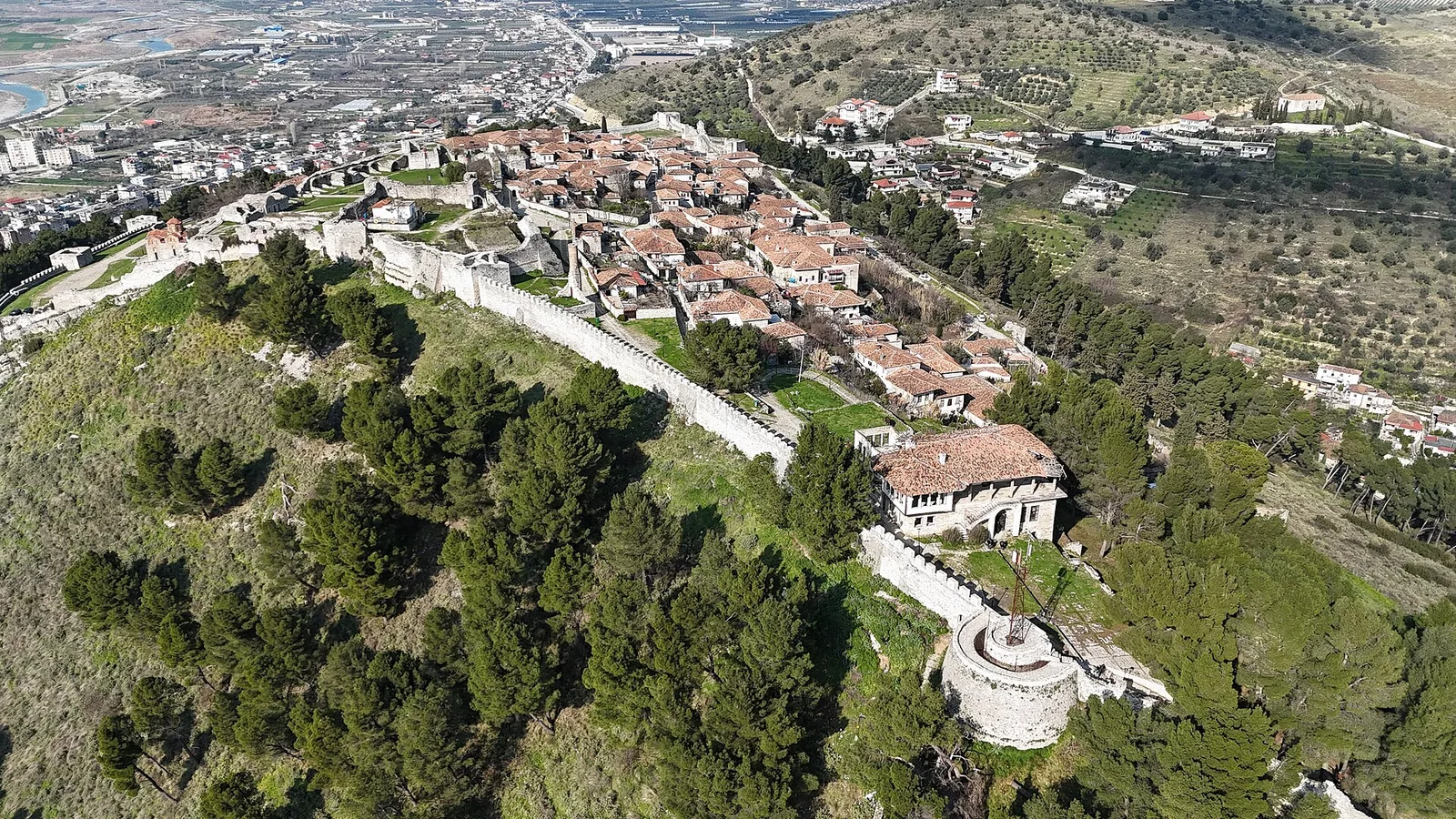
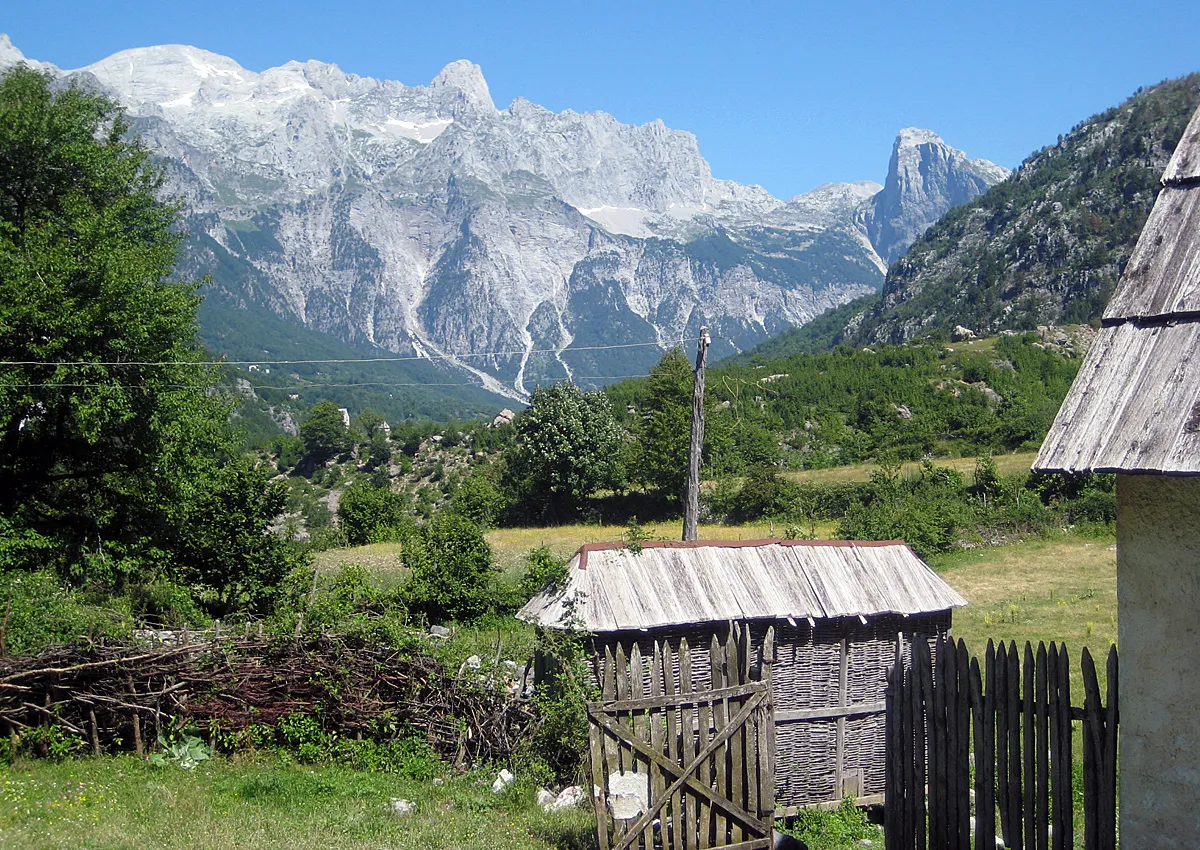
Spring is Albania’s most underrated stretch. The country turns intensely green, waterfalls and rivers run full, and by April the sightseeing weather is perfect: warm sun, cool evenings, no crowds at Berat, Gjirokastër or Butrint. May raises the stakes with 24 degree days and the first beach afternoons, though the sea, at around 18 degrees, is for the committed. Hikers should know the crucial spring caveat: the high passes of the north, including the Theth to Valbona crossing, usually hold snow into early June, so save the mountains for summer and hike the lower southern trails instead.
Early summer: June
If you can travel in June, do. The sea crosses the comfort line around the middle of the month, beach bars and seasonal hotels are fully open, days stretch past 8pm sunsets, and rain more or less stops. Meanwhile the Alps open for business as the snow clears, so a single two-week trip can combine a Theth hike and a Riviera tan, something no other month before it allows. Crowds exist but stay civilised, and prices sit well below the August peak.
High summer: July and August
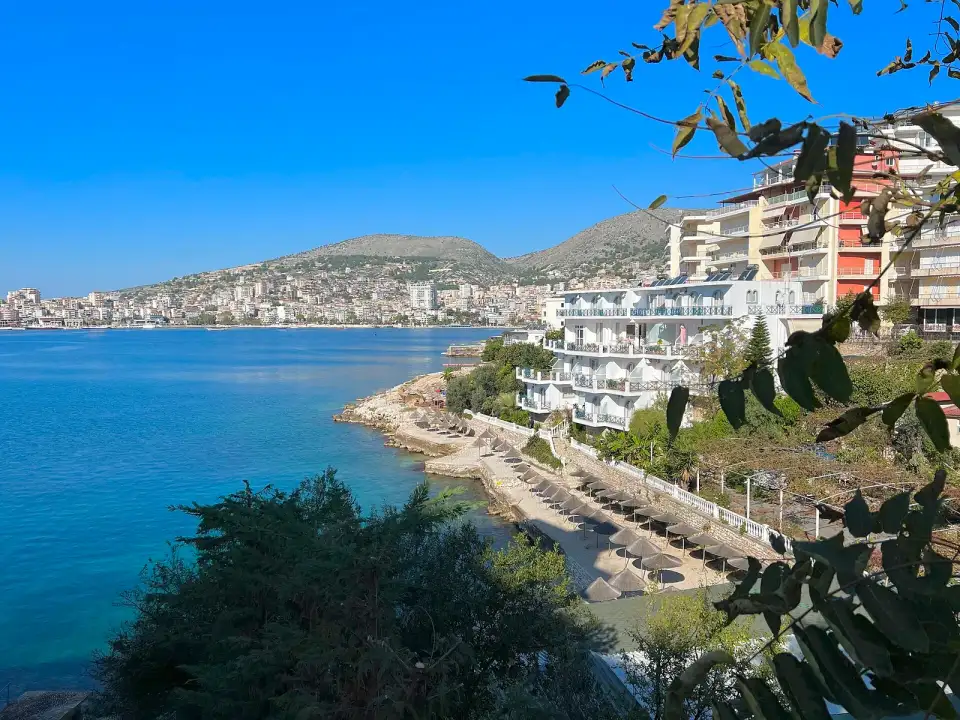
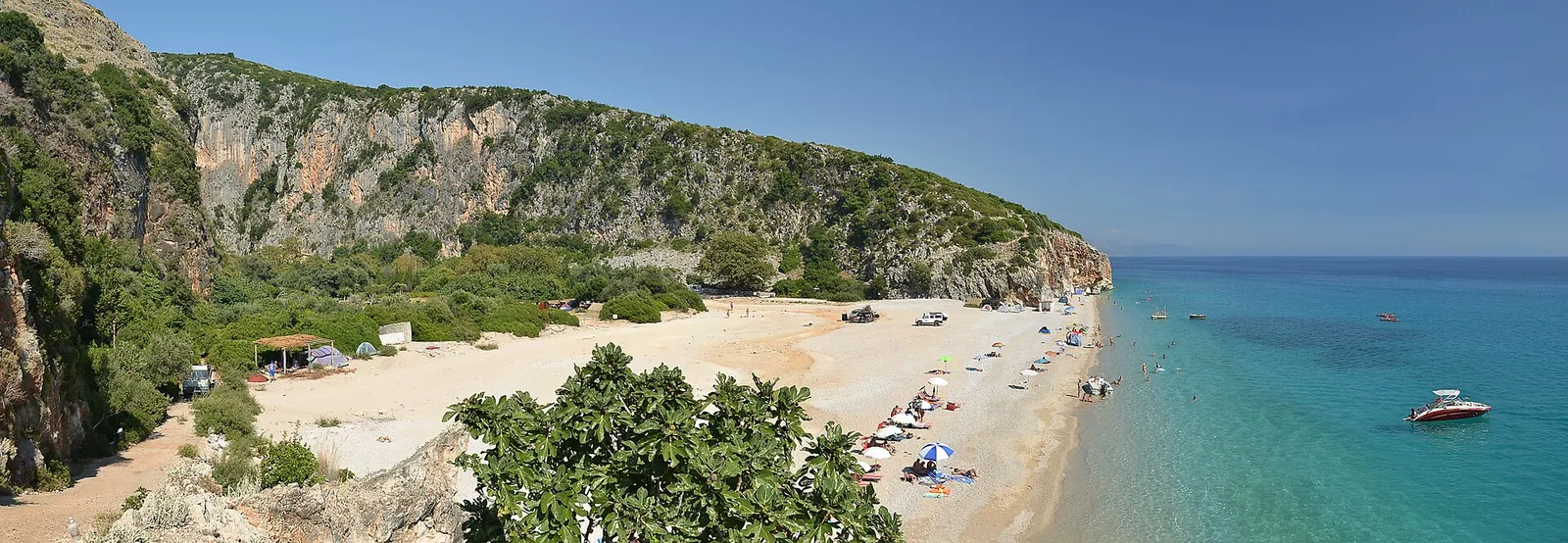
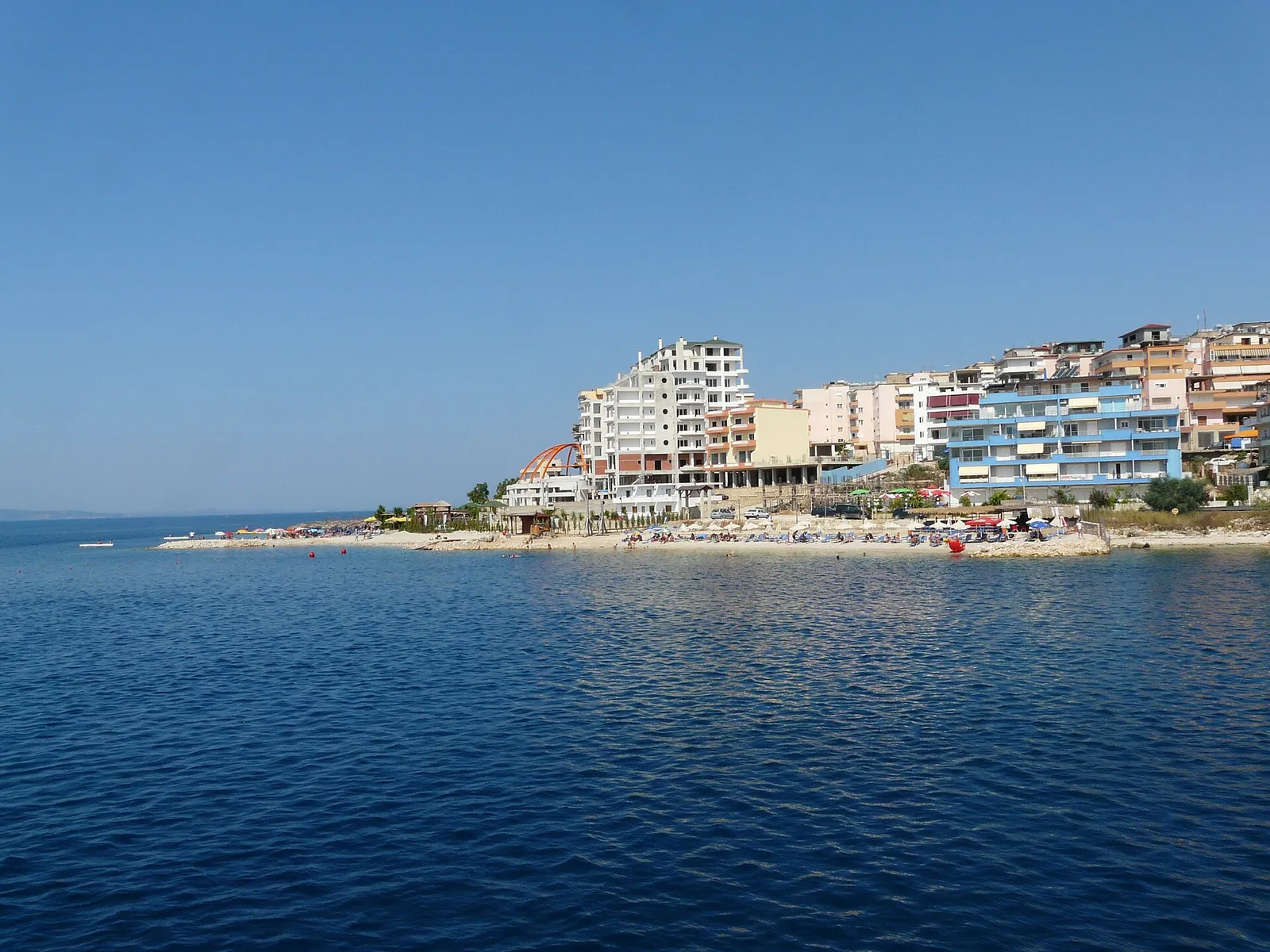
This is the Albania of the photos: 30 degree days on the coast, a bath-warm sea, beach clubs thumping and the whole of Europe apparently in Ksamil. It is glorious and it is busy. August especially brings the regional holiday wave, when Albanian expats return en masse; the Riviera’s roads, sunbeds and best restaurants all run at capacity, and accommodation prices double against June. Inland it gets seriously hot, with Tirana pushing 35 degrees, so smart high-summer itineraries stay on the water or head up into the cool of the mountains, where July and August are prime, stable hiking months. Book everything ahead, swim early and late, and nap like a local at 2pm.
Autumn: September and October
September might be Albania’s finest month. The August crowds vanish almost overnight, prices sag, and the sea, having absorbed a whole summer of sun, is at its absolute warmest, around 25 degrees at the start of the month. The light turns golden, the Alps are crisp and clear for the season’s best hiking, and harvest season fills tables with figs, grapes and new wine. October begins the same way, and in a good year you can swim comfortably into its second week, but it is a month of two halves: infrastructure winds down, the Alps close by mid-month, and the autumn rains arrive at the end.
Late autumn and December
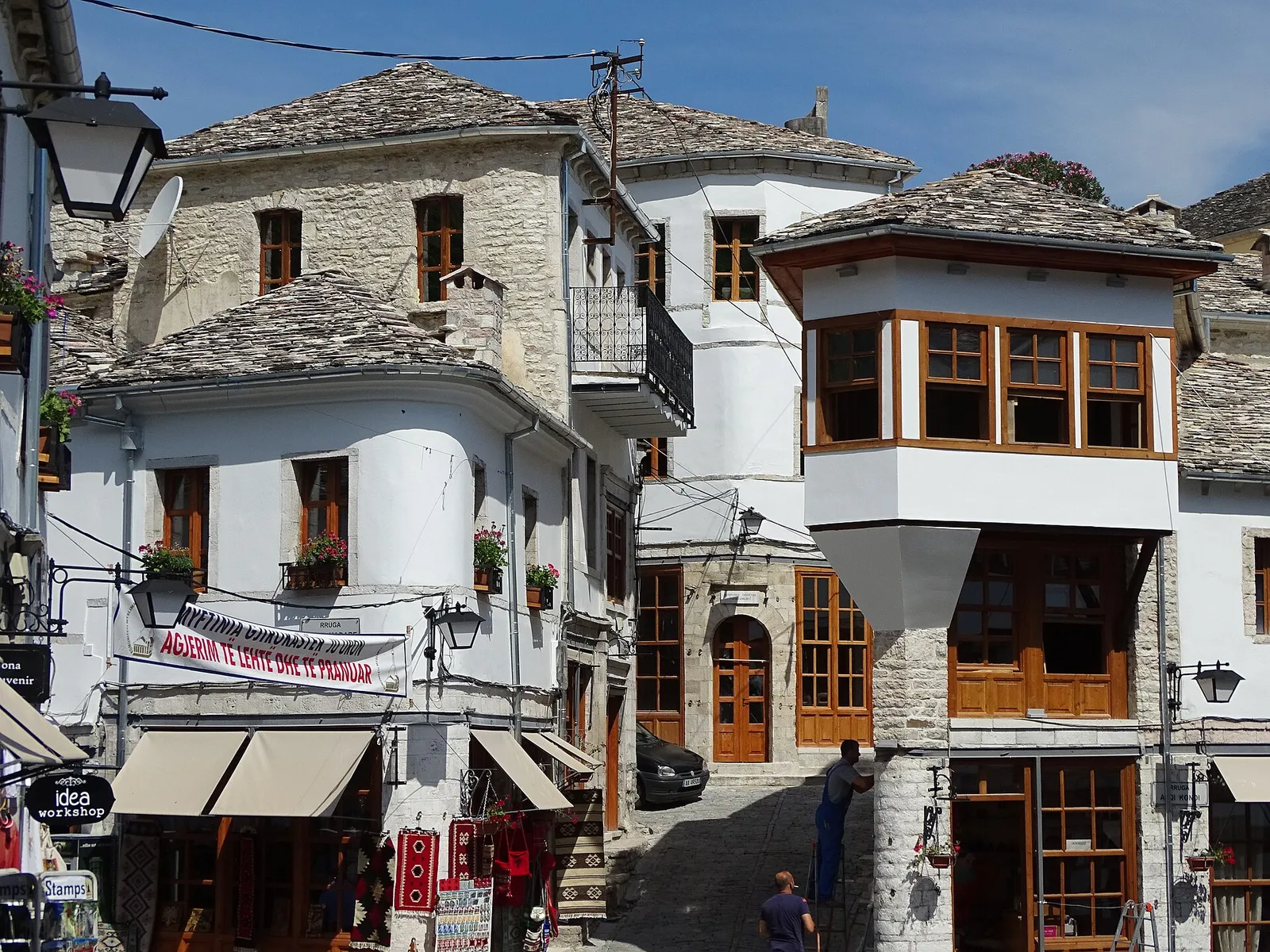
November is the honest low point: the wettest month of the year, with the coast shut and the mountains closed. If your dates land here, build a city and food trip, not a nature one, and you will still eat magnificently for very little. December improves the mood: Tirana strings up serious festive lighting, the cafe scene glows, and mild days between fronts are common. It is a fine time to sample the capital’s energy before prices and crowds return with the sun.
What the weather can actually close
Most of the year the weather is an inconvenience rather than an obstacle, but a few things here genuinely stop. Mountain roads and passes close or become hazardous with snow in winter and after heavy rain, and the season for the northern valleys is defined by that rather than by the calendar. The Koman ferry and coastal boat trips do not run in bad conditions, and those decisions are made on the morning rather than in advance.
Heavy autumn rain can bring local flooding in the lowlands and landslips on mountain roads, which is worth knowing if your itinerary depends on a single road through a valley. None of this makes Albania a risky destination, it simply means the shoulder months reward a spare day in the plan. If something does go wrong on a remote road, our guide to emergency numbers in Albania is a short read that is far more useful before you travel than during.
What weather does to the budget
The two questions are more connected here than in most countries. Everyday costs stay almost flat across the year: coffee, byrek, taverna meals, buses and entry tickets cost roughly the same in February as in August. Coastal accommodation is the exception, and it swings hard, climbing through July and peaking in August when the whole region holidays at once.
That asymmetry is the planning insight. Moving your dates three or four weeks either side of the peak cuts the largest line in your budget without touching your daily spending, and it improves the trip rather than shrinking it. Our breakdown of what Albania costs puts numbers to the daily side of that so you can see which parts of the bill your dates actually control.
What to pack, by season
Summer on the coast is simple: light clothes, swimwear, water shoes for the pebble beaches, a hat and serious sunscreen, since shade away from the beach clubs is scarce. Add a light layer for evenings, which cool pleasantly, and something with sleeves for visiting mosques and churches.
The mountains need a different bag even in July: proper walking shoes, a fleece and a waterproof, because the high pass is exposed and afternoon storms build. Spring and autumn anywhere call for layers and a rain jacket, since the pattern is bright spells broken by sharp fronts rather than steady grey. And in winter, pack for cold rain rather than snow in the lowlands, with shoes that cope with wet cobbles in the old towns.
Timing against the neighbours
Albania’s calendar looks a lot like its neighbours’ on the coast and quite different inland, which matters if you are weighing a combined Adriatic trip. The sea warms and cools on a similar schedule up the whole coastline, so a beach week timed well for one is timed well for both.
Where they diverge is crowding and price: the peak-season squeeze is felt differently either side of the border, and the shoulder months have a different character in each. Our comparison of Albania and Montenegro covers how the two stack up on cost, beaches and ease of travel, which together with the months above is enough to settle both the where and the when.
So when should you go?
For beaches with breathing room, June or September, no contest. For guaranteed heat and maximum buzz, July or August, booked well ahead. For hiking the Alps, mid June to early October, with September the pick. For a trip that does both the mountains and the sea, those same overlap months and no others. For sightseeing, cities and the lowest costs, April, May or October, when Albania is green, mild and yours. There is no bad answer except turning up in November expecting a tan.
Which are you optimising for, the warm sea or the quiet coast?