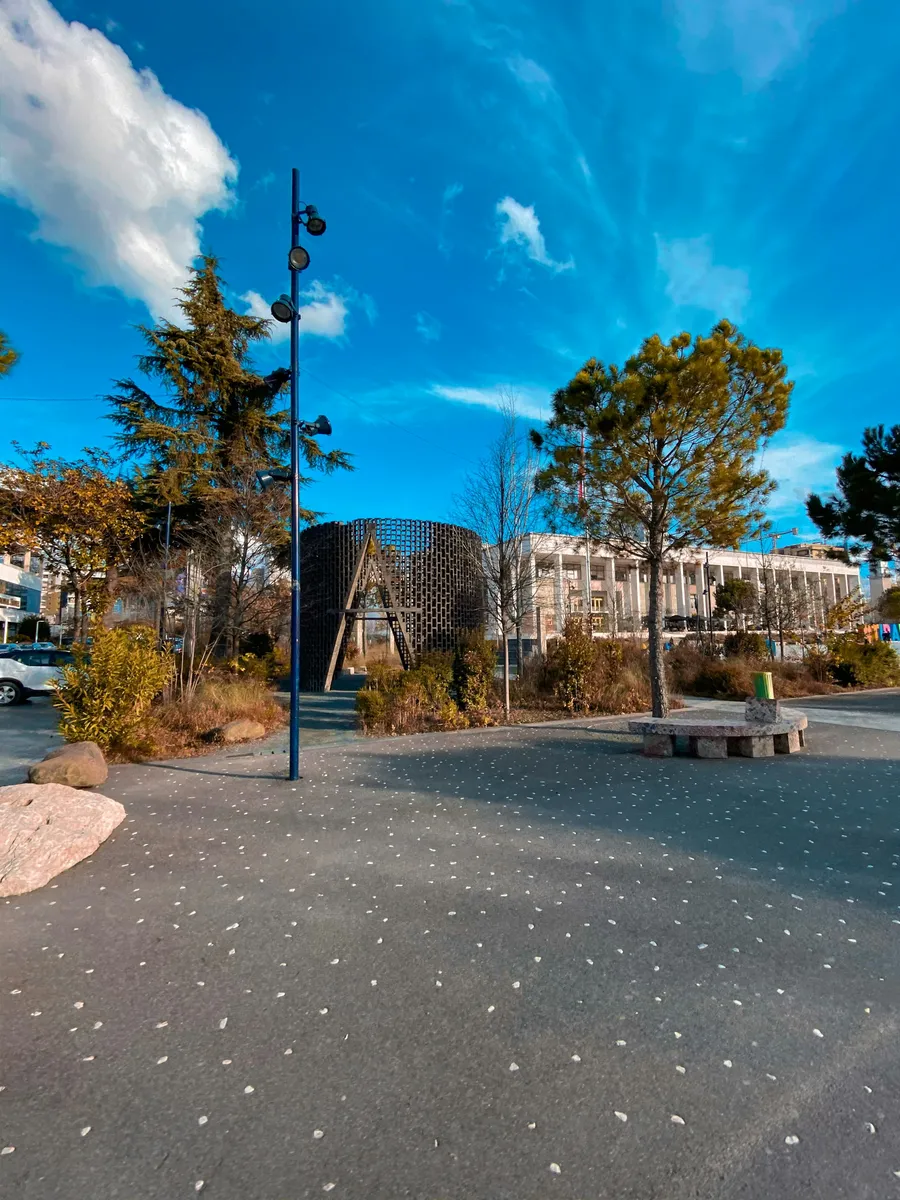
Albania is the rare European country that still feels like a discovery. It has the beaches of the Greek islands, the mountains of the Alps, Ottoman old towns, Roman ruins and Mediterranean food, all at prices that seem to belong to another decade. It is also less polished than its neighbours, which is exactly the point, and a handful of decisions made before you fly will make your first trip feel effortless. This is the guide we wish we had on our first visit.
When to go
Albania has a proper summer and a real winter, so timing matters. The warm, dry season runs roughly May to October, and that is when the coast comes alive. July and August are the peak: hot, lively and busiest on the Riviera, with the highest prices of the year. For the same sunshine with more room to breathe, aim for late May, June or September, when the sea is still warm and the crowds thinner.
If the mountains are your goal, the northern Albanian Alps are best from June to early October, once the snow has cleared the high passes. Winter is quiet, cheap and green, good for cities and history but not for beaches, and some coastal towns half close down.
The visa and entry, sorted in one paragraph
For most visitors this is refreshingly simple. Travellers from the EU, Ireland, the UK, the US, Canada, Australia, New Zealand and many other countries can enter Albania visa-free for up to 90 days in any 180-day period, and Americans get up to a full year. You just need a passport that stays valid for your trip. There is no arrival tax to fuss over and no online form for those nationalities. It is not universal, though: South African passport holders, among others, do need a visa, normally applied for online through Albania’s e-visa system before departure, unless they already hold a used multiple-entry Schengen, US or UK visa, which grants visa-free entry. Confirm the current rule for your own passport before booking, and see our full entry guide for the detail.
One thing worth knowing if you are touring Europe: Albania is not in the EU and not in the Schengen area, so your days here are counted under Albania’s own rules and do not eat into a Schengen 90 in 180 allowance. For travellers rationing Schengen days, that makes an Albanian leg unusually useful as well as cheap.
Getting here
Most visitors fly into the capital, which has the country’s main international airport and by far the widest choice of routes, including a growing number of low-cost connections from across Europe. From there it is a drive of two to five hours to almost anywhere you want to be, so factor in a night in the city rather than pretending the coast is close.
There are two other ways in that suit certain trips. Ferries cross from Italy to the Albanian ports, which is a genuinely pleasant way to arrive with a car, and a short crossing links Corfu with Saranda in the south, making a combined Greek and Albanian trip easy in summer. And the land borders with Montenegro, Kosovo, North Macedonia and Greece are straightforward, which is what makes a multi-country Balkan road trip so tempting. If you plan to cross in a hire car, that has to be arranged with the rental company in advance rather than at the barrier.
Getting around
This is the single biggest decision of your trip. Albania’s highlights are spread out and the public network is patchy, so how you move shapes everything.
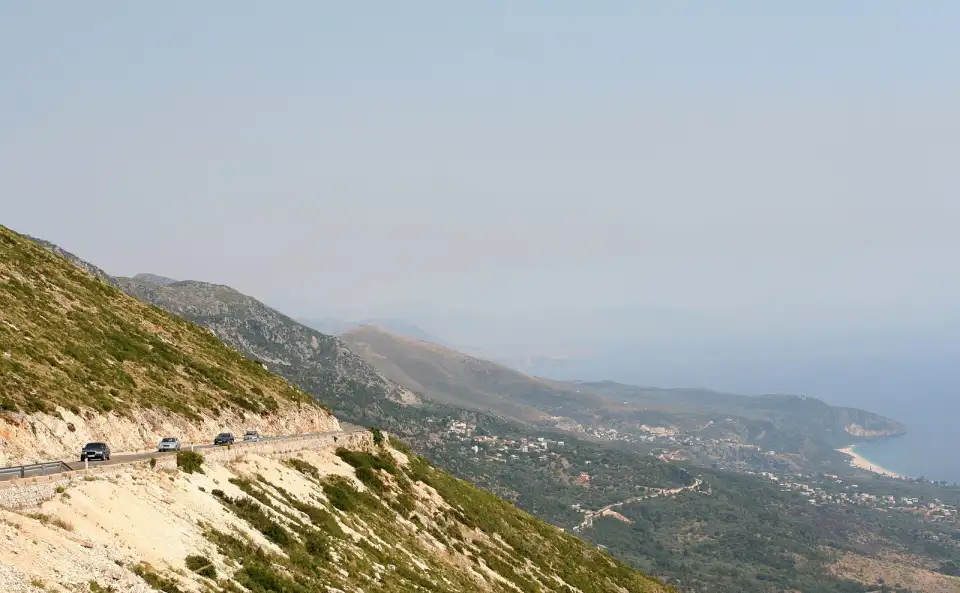
A rental car is the way most travellers fall in love with the country. It lets you chase empty coves, pull over for a view, and reach mountain villages that no timetable serves. Roads have improved hugely, though you will still meet the occasional pothole, herd of goats or confident overtaker, so drive defensively. If you would rather not drive, the furgon, a shared minibus that leaves when it fills, plus intercity buses, link the main towns cheaply, but they run mostly in the morning and schedules live by word of mouth. Taxis and ride apps cover the cities.
The mistake to avoid whichever you choose: Albanian distances take far longer than they look. Mountain roads, villages and slow lorries mean a hundred kilometres can be three hours, and a day planned on map distances will unravel by lunchtime.
Where to base yourself
Do not try to sleep everywhere. Albania splits neatly into a few worlds, and a first trip works best across two or three bases.
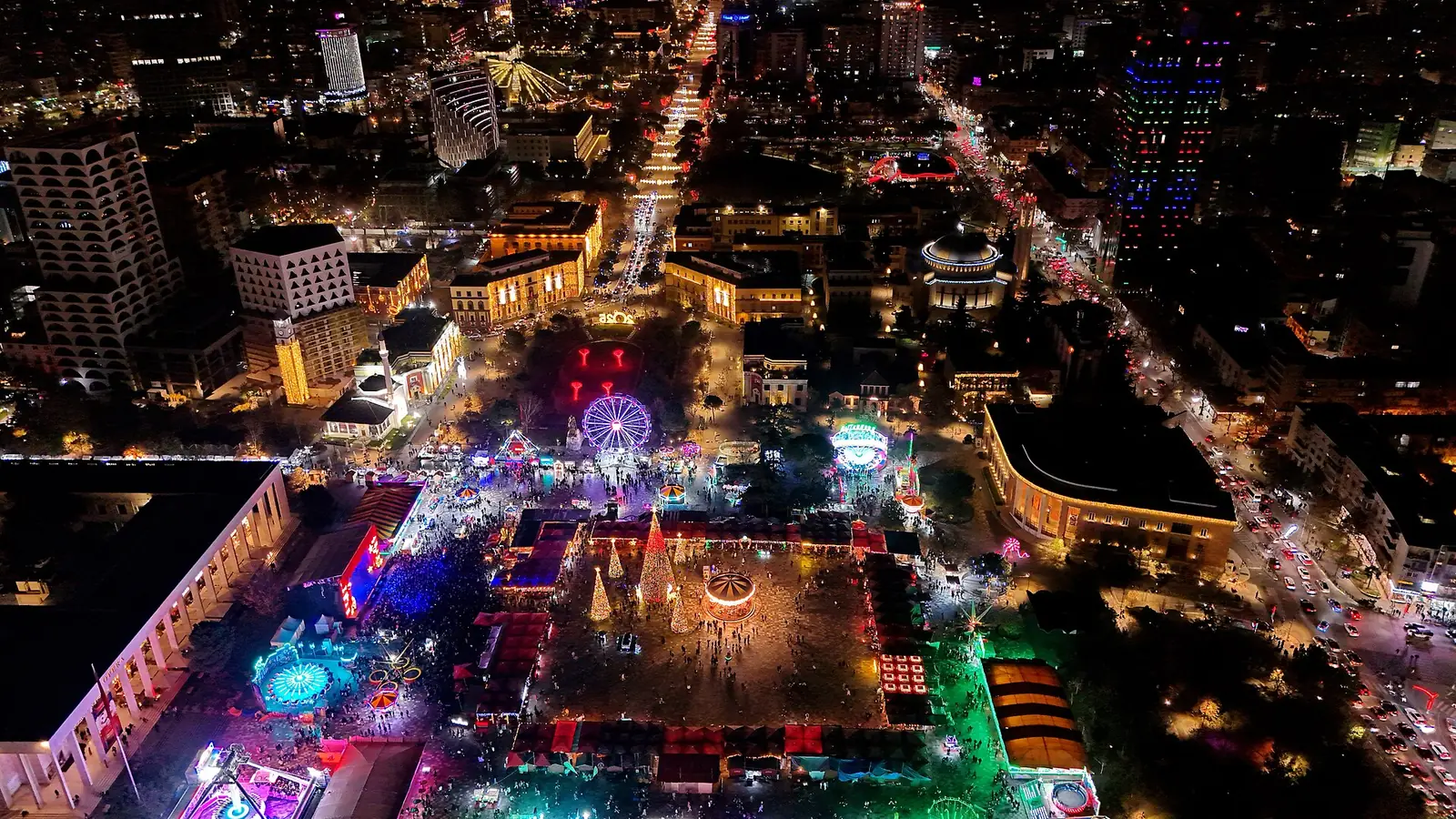
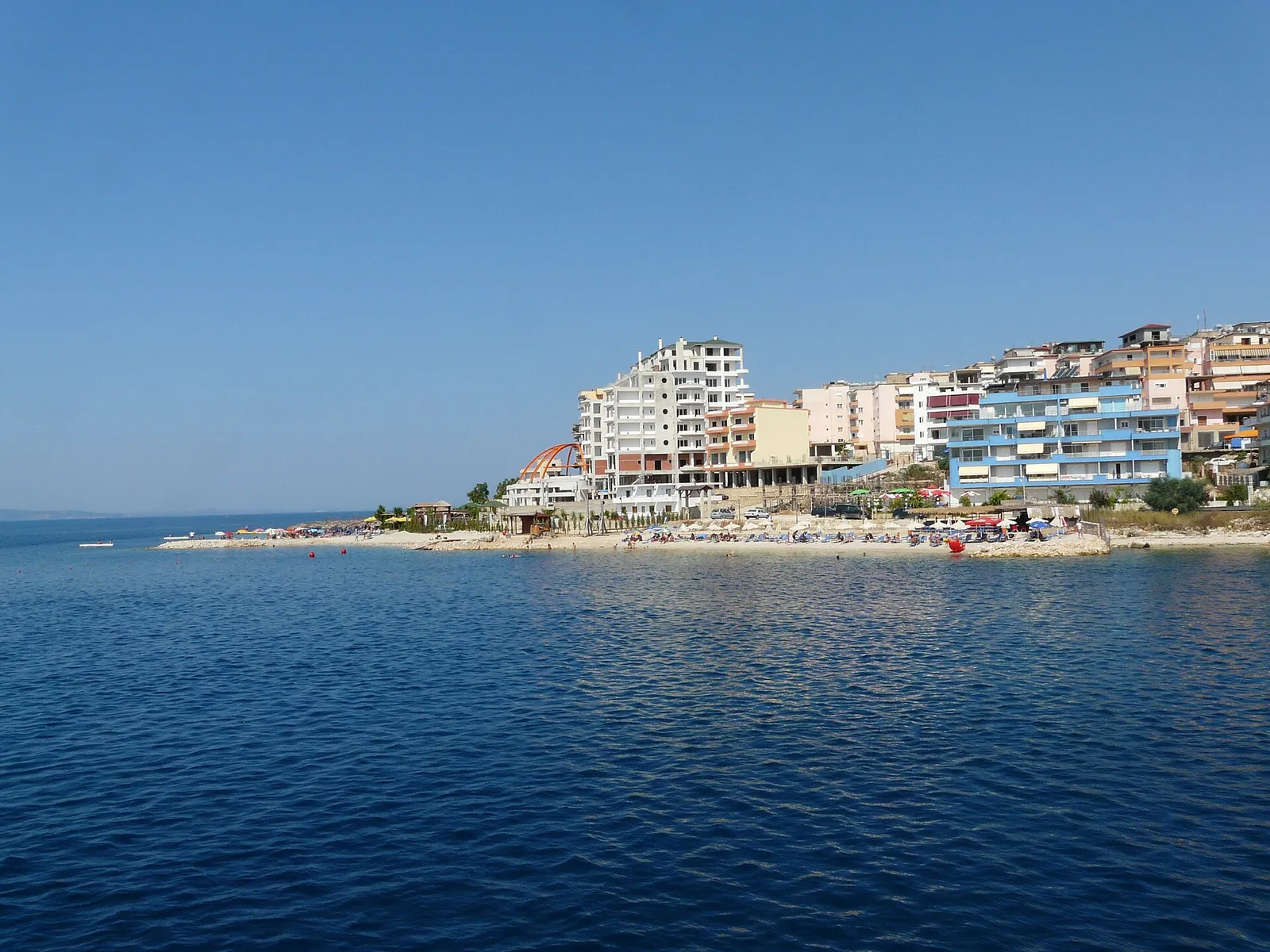
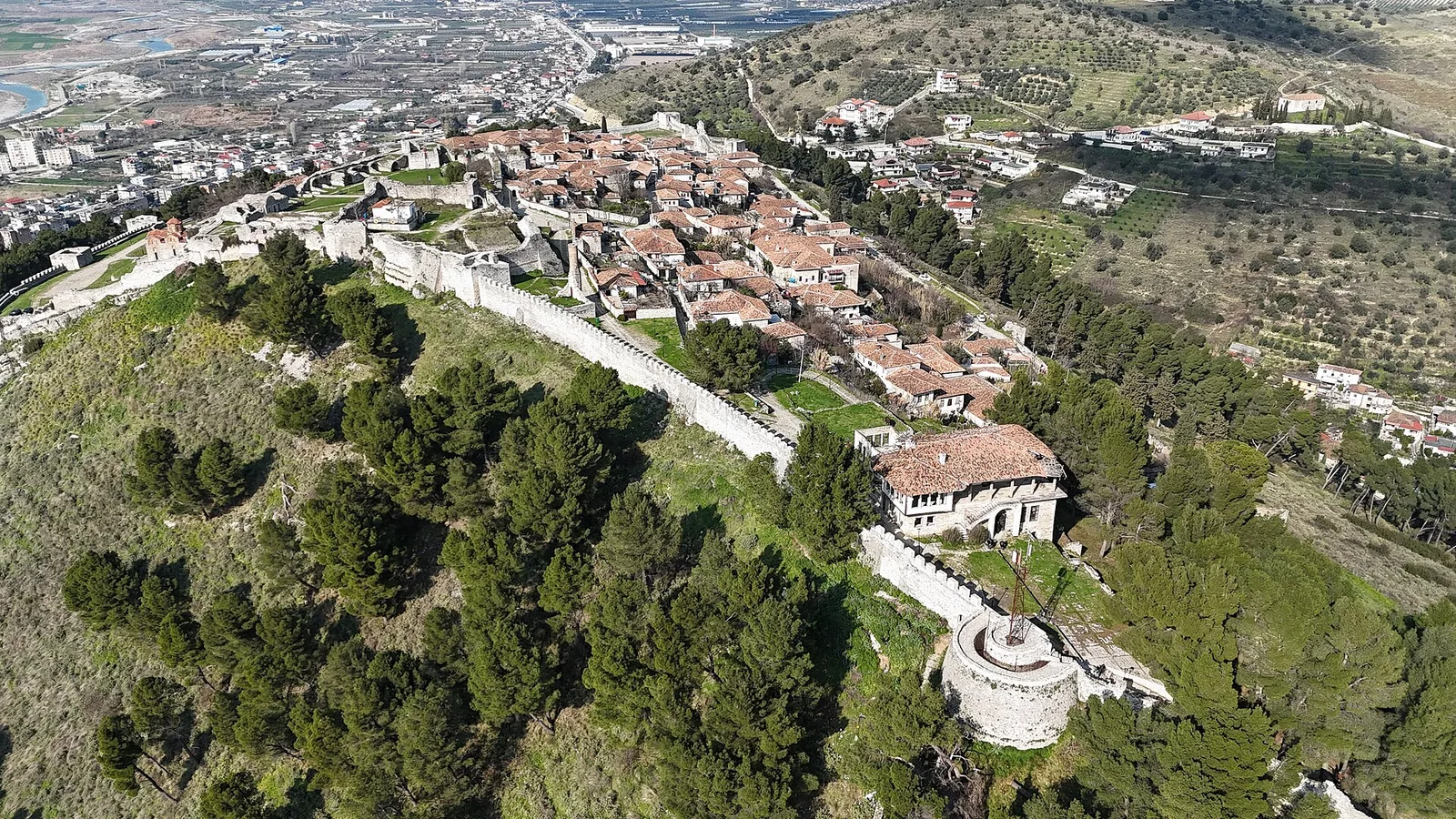
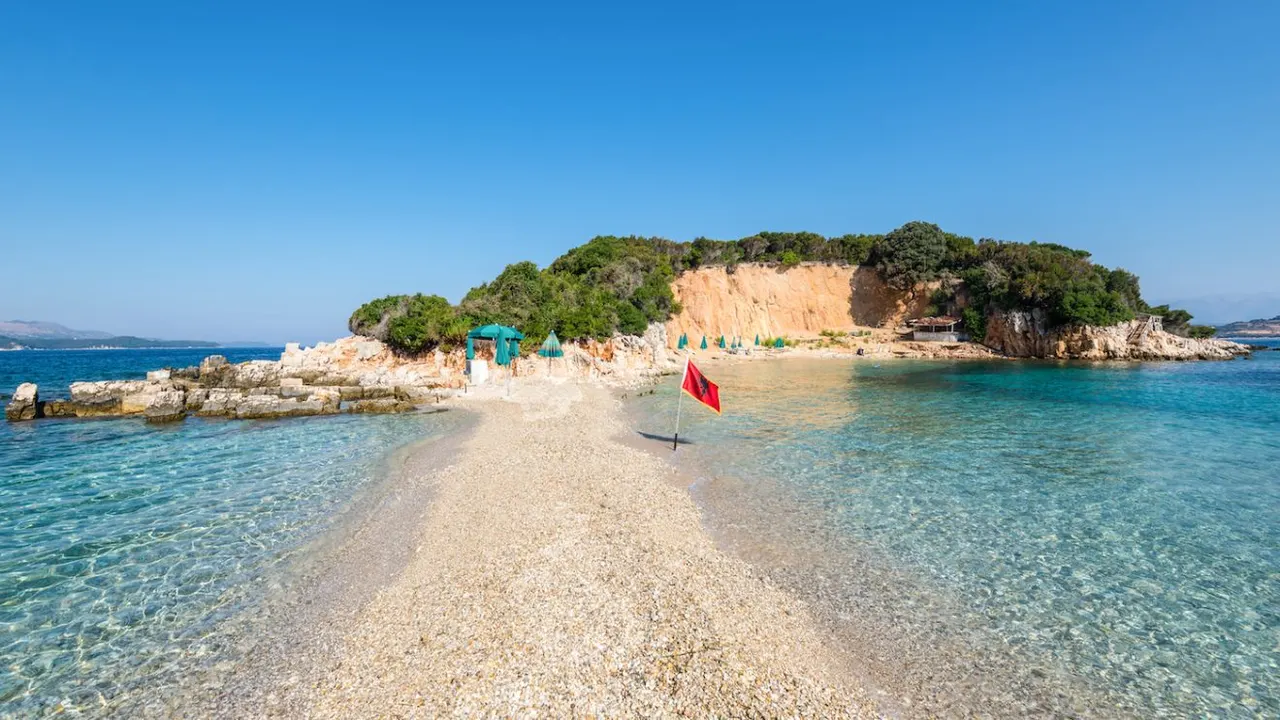
Tirana, the capital, is the buzzing, colourful heart: cafes, museums, nightlife and the easiest arrival point. The Albanian Riviera in the south, around Saranda, Ksamil, Himarë and Dhërmi, is the beach country, all turquoise water and pebble coves. Gjirokastër and Berat, the stone-and-Ottoman old towns, are the history stops inland. And the northern Alps, around Theth and Valbona, are the wild, hikeable high country. For a first week, many people pair a few nights in the south with a night or two in an old town, plus Tirana at either end.
| Length | A shape that works | What you give up |
|---|---|---|
| 5 to 7 days | Capital plus the southern coast | The mountains entirely |
| 7 days, alternative | Capital plus the northern Alps | The beaches entirely |
| 10 days | Capital, coast and one Ottoman old town | The north, still |
| 14 days | Mountains, old towns and the coast | Almost nothing |
Money, and why it feels generous
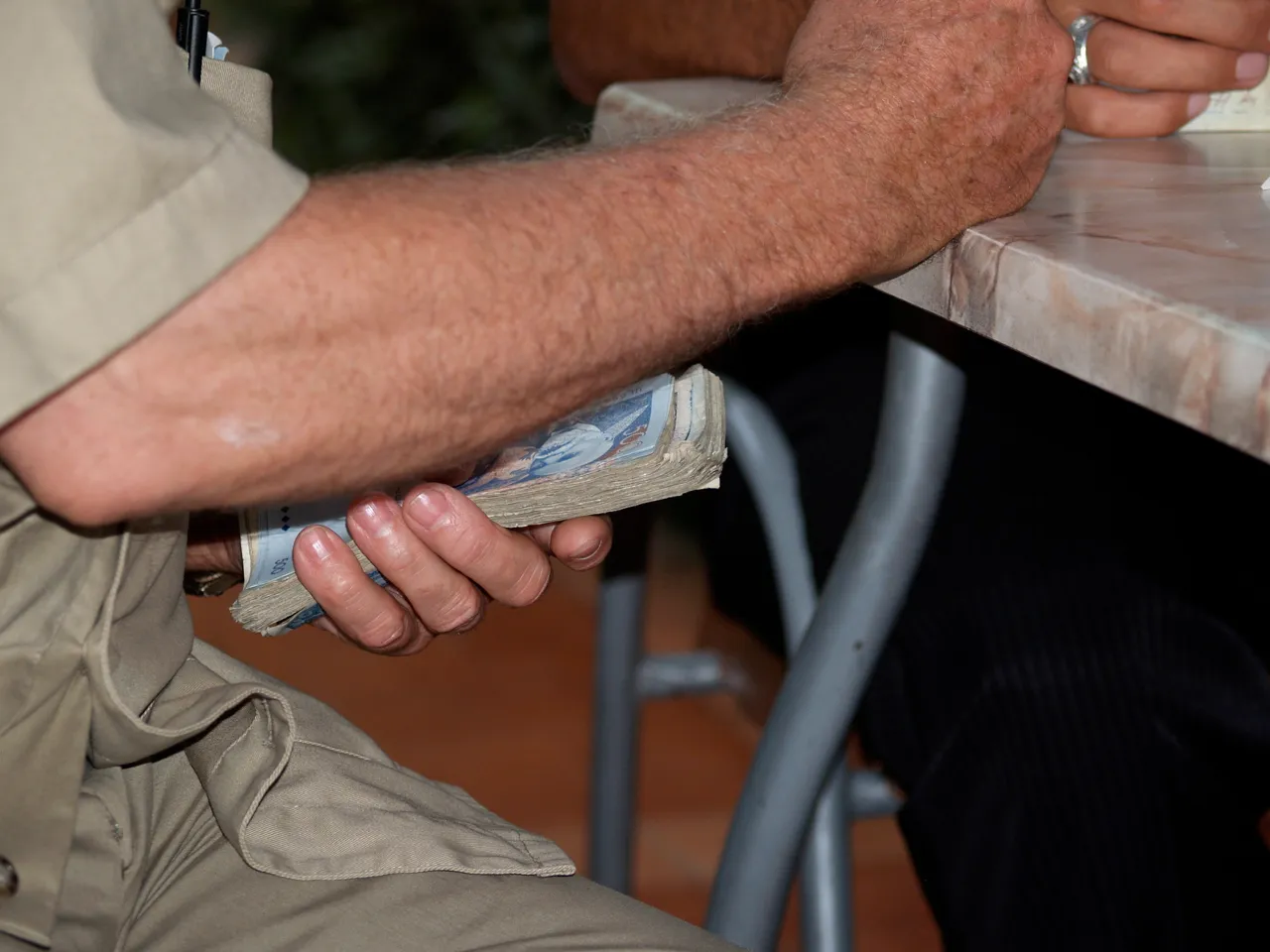
The currency is the Albanian lek (ALL). The lek has moved a fair bit against both the euro and the dollar in recent years, so check a currency app the week you travel rather than trusting a rate printed in any guide. What does not change is the feeling: Albania is one of the cheapest countries on the Mediterranean, a strong coffee costs pocket change, a home-cooked dinner is a few euros, and a comfortable trip here costs a fraction of Italy or Greece just across the water.
Cash still matters. Cards work in city hotels, bigger restaurants and supermarkets, but guesthouses, family tavernas, furgons and small towns are frequently cash only. Withdraw lek from ATMs attached to real banks, keep a stash for the road, and carry small notes for markets and drivers.
What you will actually eat
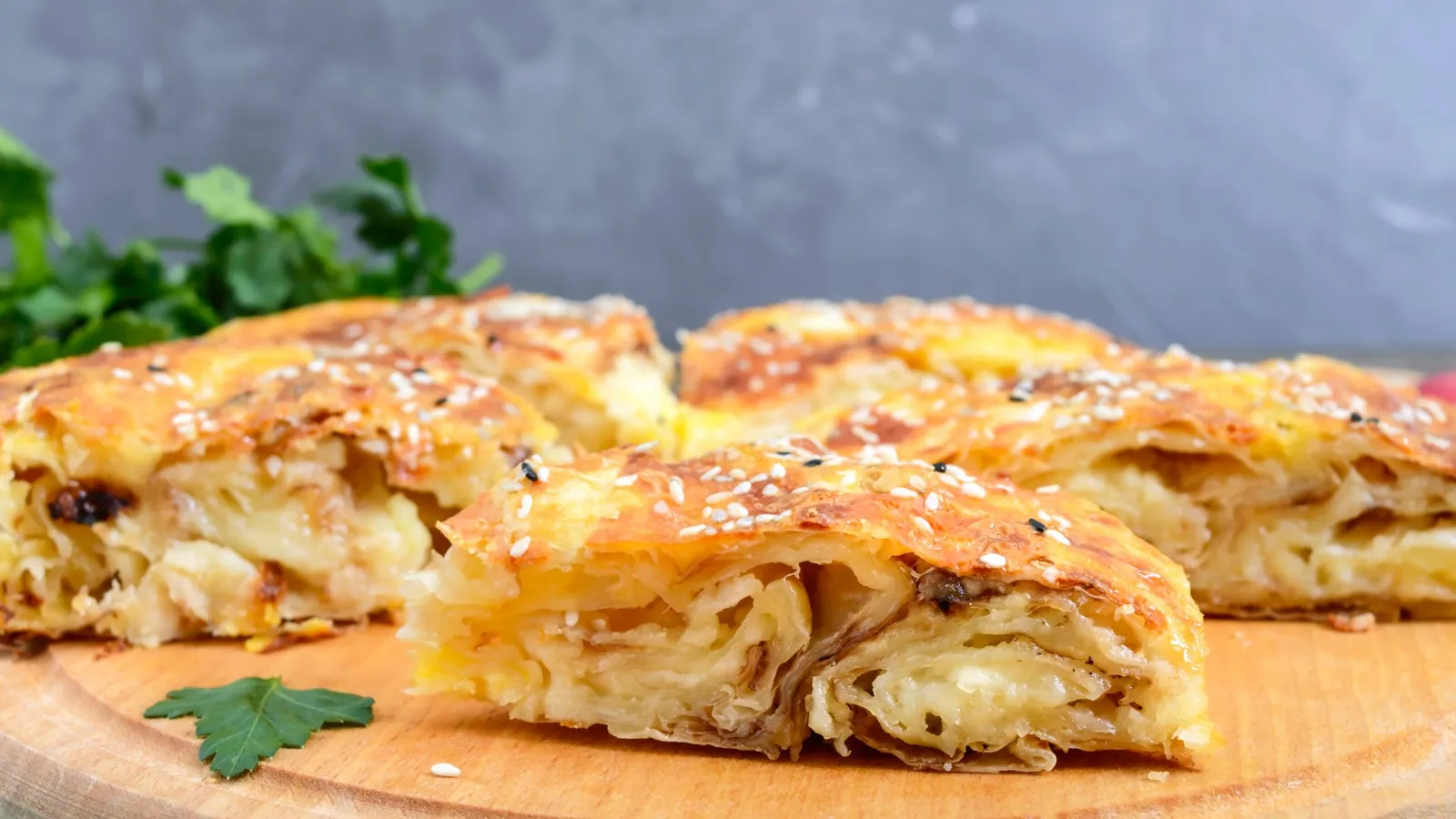
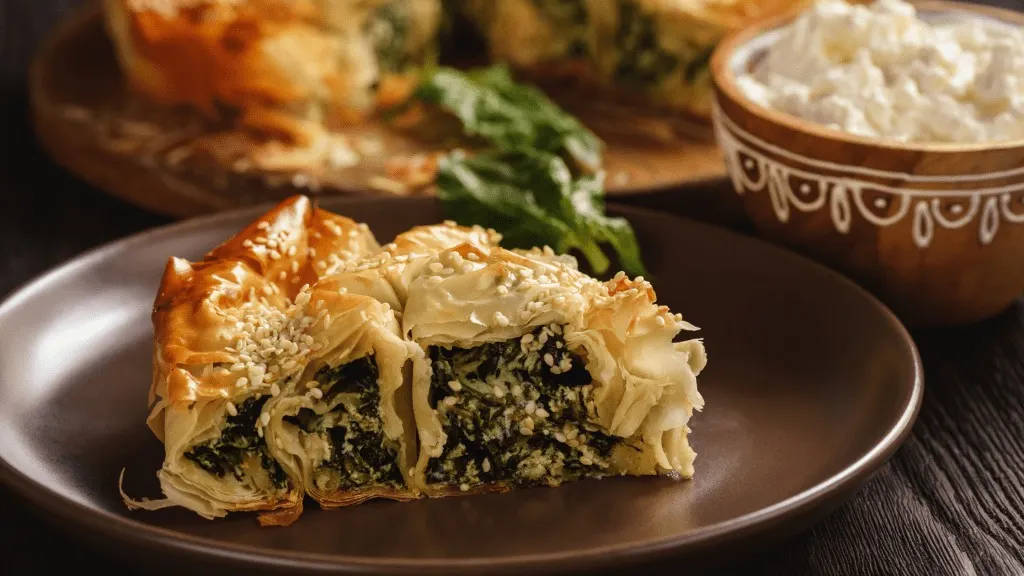
Food is a bigger part of the appeal than most first-timers expect, and it is Mediterranean cooking with an Ottoman accent rather than the heavy Balkan fare people imagine. Expect byrek, the flaky filled pastry sold from every bakery, baked dishes like tavë kosi and fërgesë in family tavernas, superb grilled meat inland, and fresh fish on the coast. Vegetables, olives, cheese and honey are excellent and cheap, and the coffee culture is serious.
Two practical notes: portions are generous and meant to be shared, and fresh fish is priced by weight, so ask what a fish weighs before it goes on the grill. Our guide to Albanian food and drink covers what to order region by region, including how to eat well as a vegetarian, which is easier here than the menus first suggest.
A few first-timer courtesies
Albanians are famously hospitable, and a little warmth is returned tenfold. Learn a couple of words: faleminderit (thank you) earns instant smiles. A quirk to know: a nod can mean no and a head shake can mean yes, so watch for context. Dress modestly when visiting mosques or churches, cover shoulders and knees, and always ask before photographing people. Tap water is drinkable in most cities but many prefer bottled outside them.
Two more that smooth things along. If a guesthouse owner brings out raki unbidden, that is hospitality rather than a sale, and accepting a small glass is the right move; explaining that you are driving is a perfectly acceptable alternative. And the country’s religious mix, with mosques, Orthodox cathedrals and Catholic churches within a few streets of each other, is a point of real pride, so it is a good subject to ask about rather than avoid.
Staying safe and well
Albania is a safe country for visitors, and the risks are mundane. Petty theft in busy spots calls for the same habits as anywhere. The roads are the genuine hazard, whether you are driving or crossing one on foot in the capital, where crossings are treated as a negotiation. Summer heat is fierce inland and shade is scarce at the archaeological sites, so early starts and long lunches are advice rather than tradition.
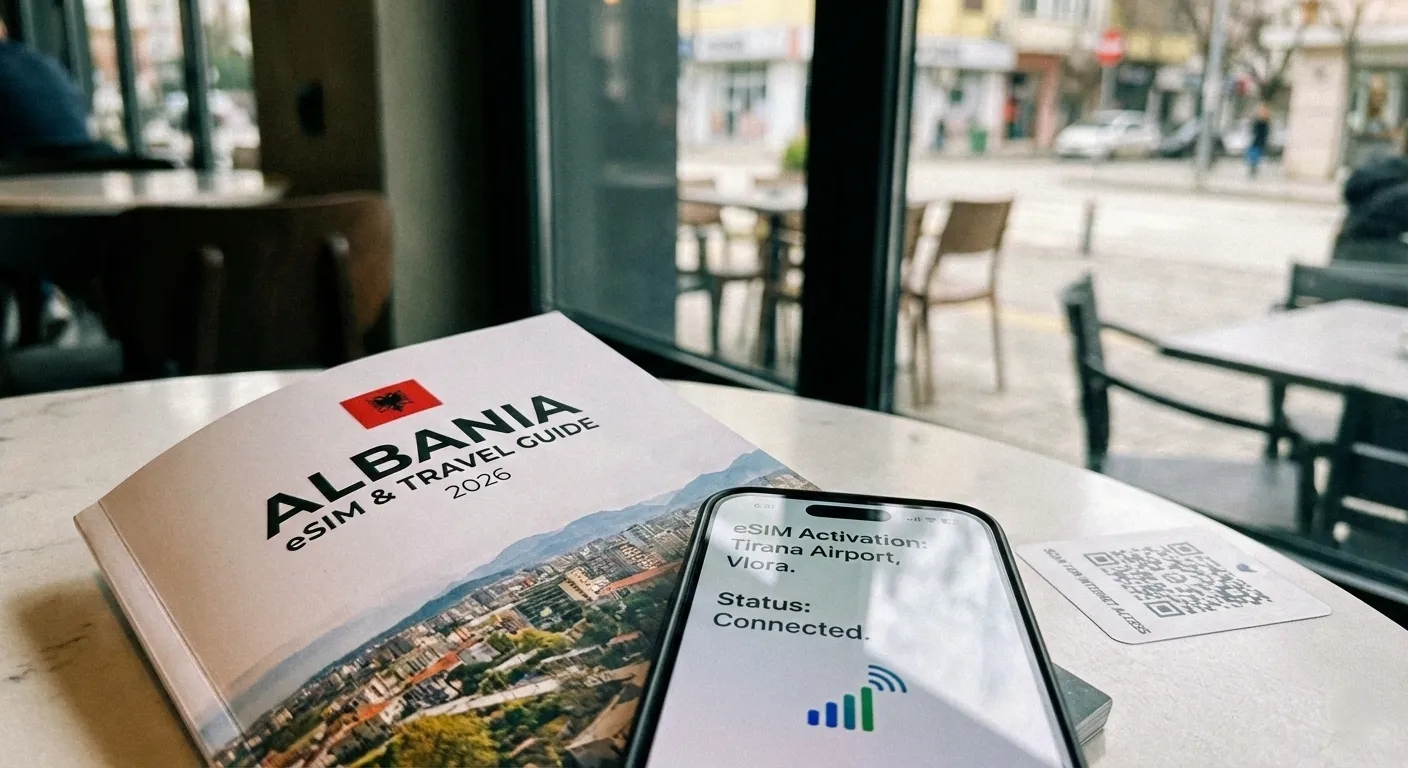
Practical health notes: pharmacies are widespread, well stocked and staffed by people who will advise you without an appointment. Many visitors drink bottled water outside the main cities. Phone signal is good along the coast and in the cities, and patchy in the mountain valleys, which matters if you are hiking. Our guide to SIM cards and data in Albania covers getting connected before you leave the airport and what is worth downloading while you still have a signal, which is a fifteen minute job that removes a whole category of problem later.
Albania alone, or Albania plus a neighbour?
Because the land borders are easy and the country is small, a lot of first trips end up as two-country trips, and the most common pairing is with Montenegro immediately north. They share a coastline and very little else: prices, crowds, polish and pace are all noticeably different, and combining them means a border crossing and the car paperwork that goes with it.
Our comparison of Albania and Montenegro sets them side by side on cost, beaches, ease of travel and what each does better, which is the fastest way to decide whether to combine them or give one country the whole trip. On a first visit of a week or less, giving Albania all of it is usually the better call.
What to book ahead, and what to leave loose
Book your first night so you land somewhere sorted, your rental car for the summer months when they sell out, and an eSIM so you have data the moment you switch on your phone. Reserve any signature experience with limited slots, a boat trip, a guided hike, in high season. Almost everything else, meals, beaches, day plans, can be arranged on the ground for less, so leave room to follow a local tip down a back lane.
Two things deserve earlier booking than you would expect: coastal accommodation in August, which is the one genuine squeeze in the Albanian calendar, and mountain guesthouses in the northern valleys, where the total number of beds is small.
The short version
Go between May and October, sort a car or accept the slower rhythm of the furgon, base yourself in two or three areas rather than five, halve the distance you would plan to drive at home, carry cash, and confirm the easy visa rule for your passport. Do that and your first trip to Albania will feel less like a logistics puzzle and more like the start of a long love affair with a country the crowds have not quite caught up to yet.
If what you actually have is three or four days rather than two weeks, that changes the plan rather than ruling it out, and our long weekend in Albania guide sets out what fits into a short trip without turning it into a drive.
Are you leaning towards the coast or the mountains for your first trip?
Albania rewards a slower pace, and some of what makes it charming, the cobbles and the bus network, is also what makes it demanding. Our guide for older travellers sets out what works here and what does not.