Albania is a cheap country to travel in and a surprisingly easy one to lose money in, and the two facts are unrelated. The prices are genuinely low. The losses come from fees, and almost all of them are avoidable with three or four decisions you make in the first hour after you land.
Here is the whole picture: which machines to use, when you actually need cash, and where the quiet charges hide.
The currency, and the mistake that comes with it
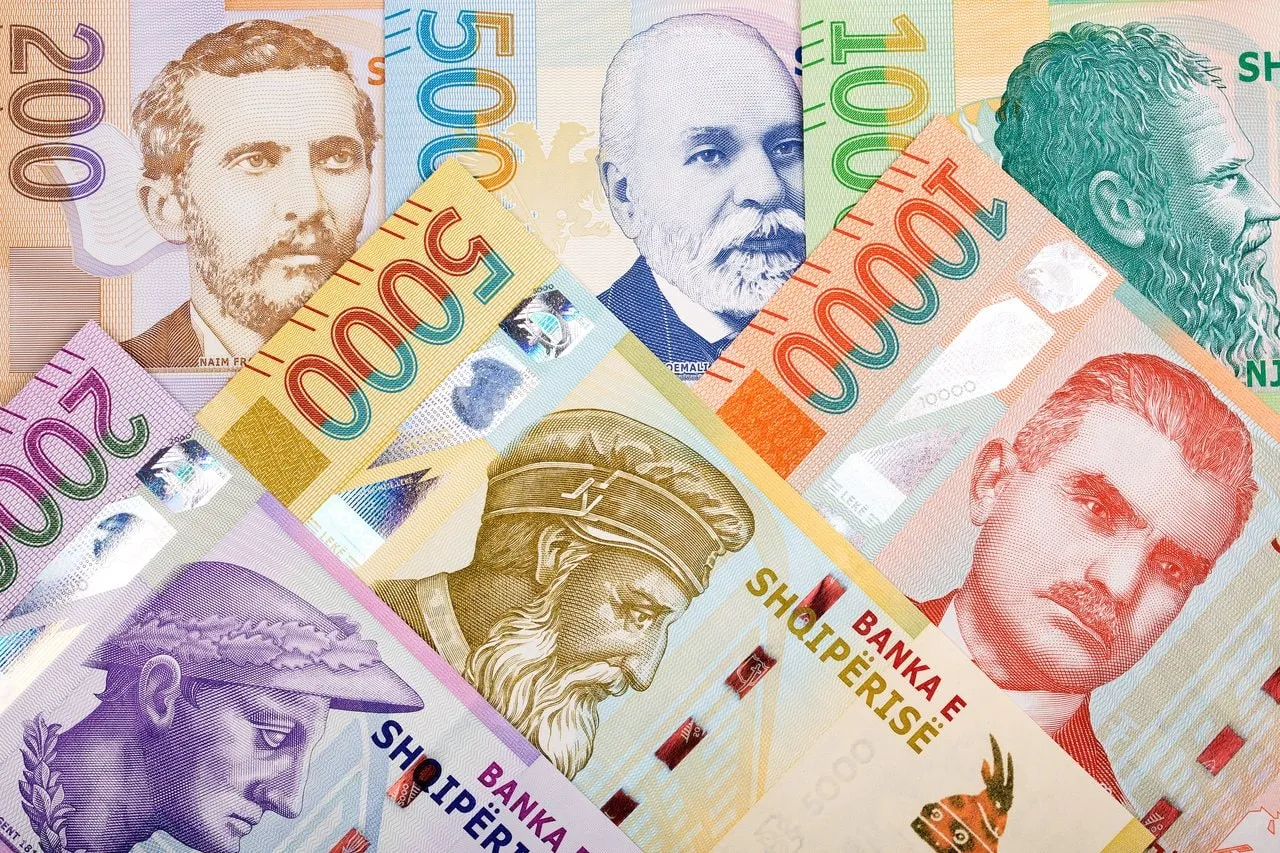
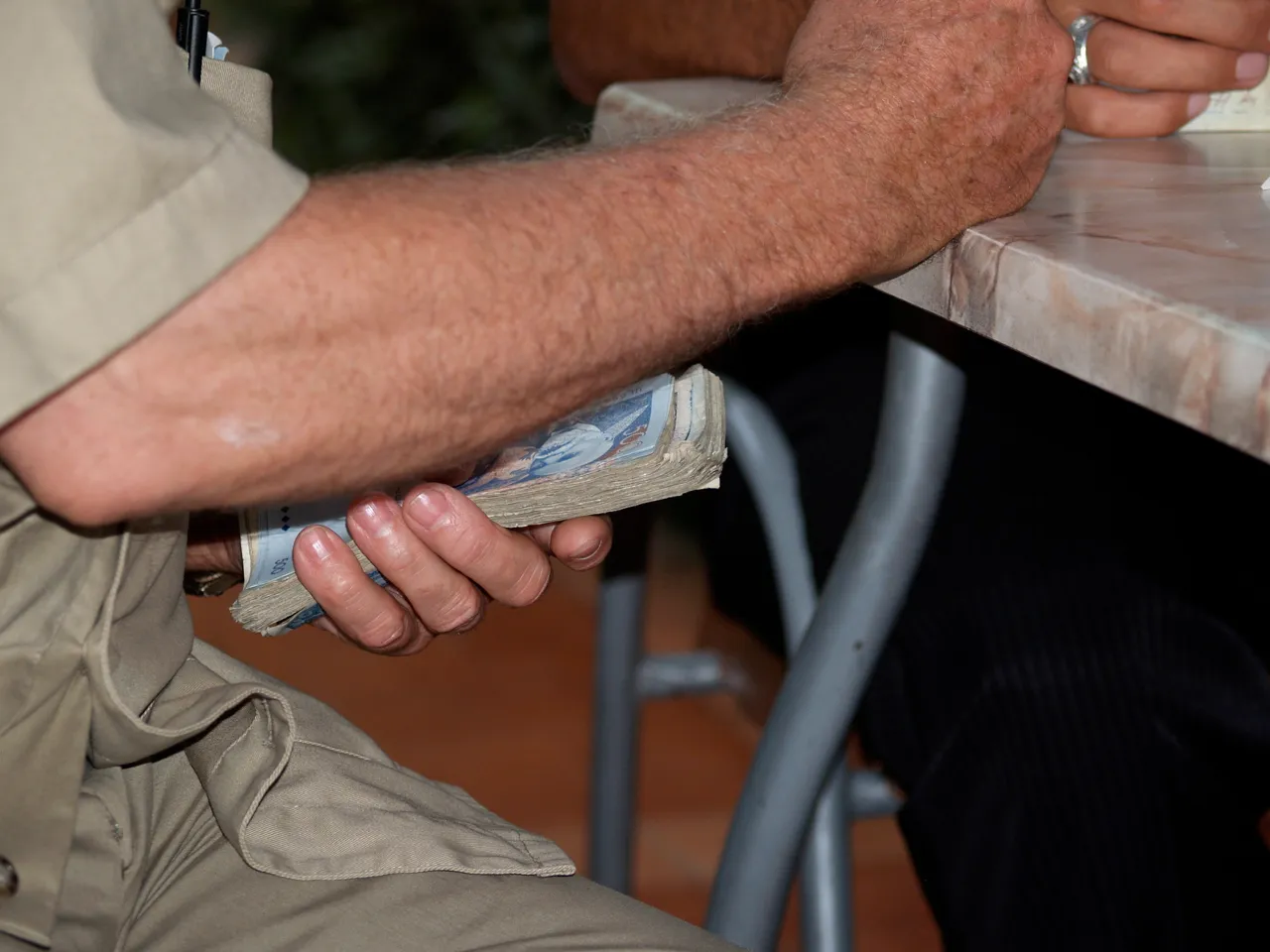
The currency is the Albanian lek (ALL). We have not printed a fixed exchange rate here on purpose, because the lek has moved enough in recent years that any figure would mislead somebody. Check a currency app in the week before you fly and carry that rough conversion in your head.
What matters more is getting used to local sizes. A coffee and a pastry in a neighbourhood bakery is a couple of hundred lek. A proper dinner for two in a mid range restaurant runs into the low thousands. Once those two anchors are in your head you stop needing to convert at all.
Euros are accepted in parts of Saranda, Ksamil and central Tirana, and you should almost always decline. The rate a shop or restaurant applies to a euro price is theirs, not the market’s, and the change often comes back in lek at a second rate that also favours them. Pay in lek.
ATM fees: the part where people lose the most
Start by dropping an assumption. There are no fee free ATMs left in Albania. Guides written a few years ago still recommend Credins for free withdrawals, and that has not been true for some time. Every bank machine now charges a fixed fee per withdrawal.
The spread between banks is real money:
| Machine | Typical withdrawal fee | Verdict |
|---|---|---|
| Union Bank, ABI Bank | Around 500 lek | The cheapest, worth walking to |
| Credins | Around 600 lek | Fine if it is what you find |
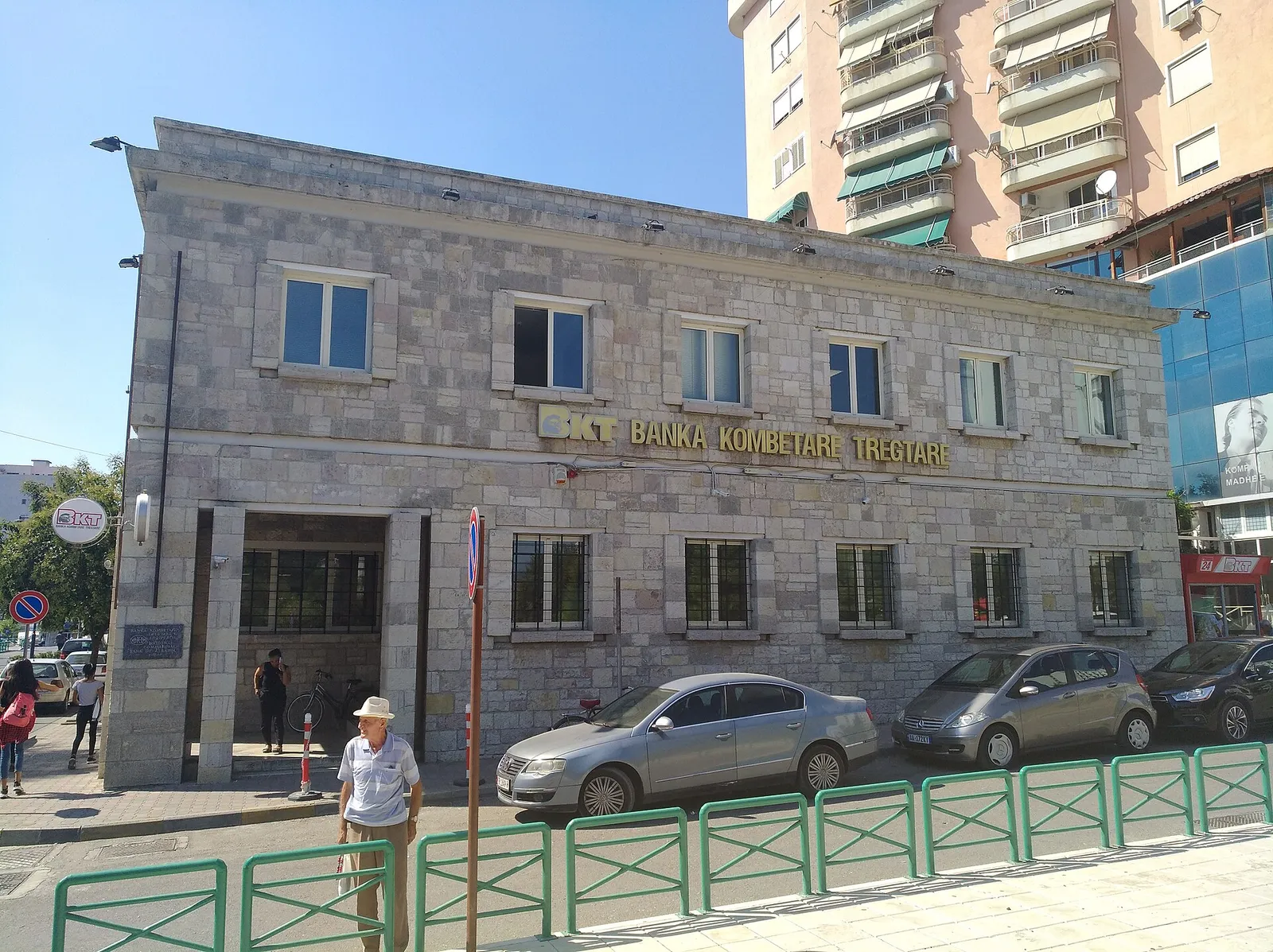
| BKT, Raiffeisen | Up to 800 lek and above | The expensive end |
| Euronet (yellow) | Similar fee, poor exchange rate | Avoid where you have a choice |
The yellow Euronet machines deserve their own note, because their trick is subtler than a high fee. Their withdrawal charge sits in the same band as everyone else’s. What costs you is the exchange rate they present on screen, which can take several more percent out of the transaction without ever appearing as a fee. They are also, inevitably, the machines standing in front of you at the airport and on every tourist corner.
Two habits fix most of this. Choose to be charged in lek, never in your home currency, whatever the screen suggests. And withdraw larger amounts less often, because the fee is fixed per transaction, so four small withdrawals cost four times what one sensible one does.
When you genuinely need cash
Albania still runs substantially on cash outside the big cities, and the divide is fairly predictable.
Cards work in hotels, larger restaurants, supermarkets and shops in Tirana, Saranda, Durres and the main tourist towns. Contactless is normal.
Cash only, in practice: markets, coffee and byrek stalls, street level bakeries, local taxis flagged rather than booked, family run tavernas, entry to some nature sites, and essentially everything in the mountain north, including Theth and Valbona.
⚠️ Keep small notes. Two hundred and 500 lek notes are what you want in your pocket. A 5,000 lek note is awkward to break over a 150 lek coffee, and small businesses often genuinely cannot change it.
Also worth knowing before you rely on a single card: American Express is barely accepted anywhere in the country. Bring a Visa or Mastercard as your working card, and tell your bank you are travelling so the first transaction abroad is not flagged and blocked.
 Covered for lost cards and cash?Compare travel insurance before you fly
Changing money you brought with you
If you arrive with euros, dollars or pounds and want lek, the rule is simple: not at the airport and not at your hotel, where the rates are worst by some distance.
Licensed exchange offices in central Tirana and in Saranda are plentiful and generally offer a better rate with no visible commission. Ask to see the final amount you will receive before you hand anything over, and count it before you walk away. That is normal practice there and nobody will be offended.
Euros are the easiest currency to change, dollars are straightforward, and other currencies are accepted at fewer counters and at worse rates. If you are coming from further afield, withdrawing lek from a bank ATM is usually cleaner than carrying cash to change.
Tipping, briefly
Tipping in Albania is relaxed. In restaurants, 5 to 10 percent if you were happy, and simply rounding up is fine in casual places. Service is not included in the bill, so it reaches the person who served you.
The practical detail: leave it in cash even when you paid by card, because card terminals in Albania generally do not offer a tip line. That is one more reason to keep small notes.
Taxi drivers do not expect a tip, though rounding up is welcome. For guides and drivers on organised day trips, 500 to 1,000 lek per day is the usual range.
Getting the card side right before you go
A few minutes at home is worth more than any decision you make at a machine.
Check your card’s foreign transaction fee. The gap between a card charging around 3 percent and one charging nothing adds up to a meaningful sum over a week, and most people have both kinds in their wallet without knowing which is which.
Bring two cards from different networks, kept in different places. Card problems abroad are rare and extremely inconvenient.
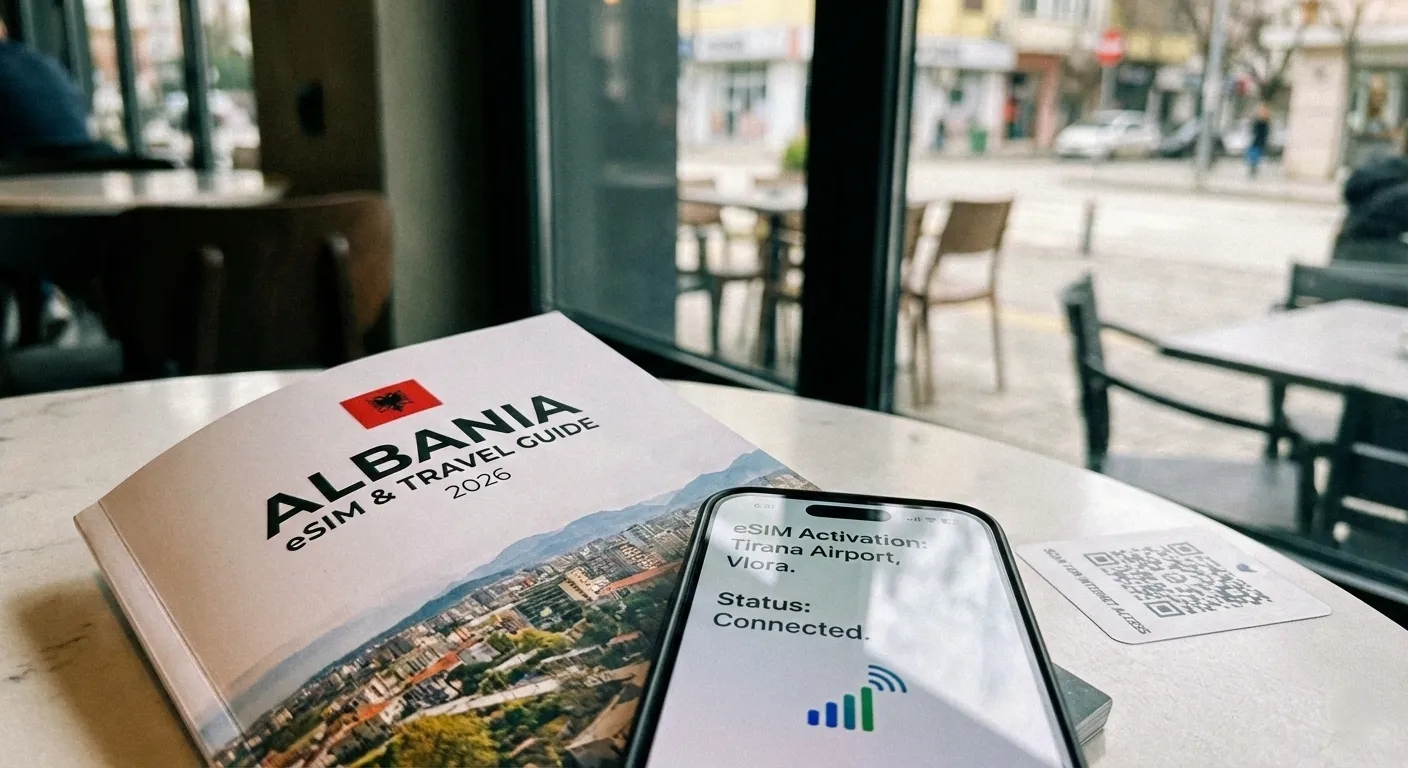
Have a data plan sorted. Checking rates, maps and bookings on the move is what stops you accepting a bad deal at the counter, and a local SIM or eSIM for Albania costs very little.
If you want to see where the money actually goes across a whole trip rather than a single transaction, our guide to what Albania costs breaks it down by category, and the budget tips guide covers the choices that move the total most.
The short version
Bring a small amount of euros for the first day, then withdraw lek from a Union Bank or ABI Bank machine in a decent sized amount rather than in dribs. Walk past the yellow Euronet ATMs. Always let the machine charge you in lek. Keep 200 and 500 lek notes for markets, drivers and tips, and carry a second card.
Do that and Albania stays as cheap as it looks on paper, which is the whole point of going.