Albania has a reputation that turns out to be entirely true: it is the best-value stretch of Mediterranean coast left in Europe. You get the beaches, the food and the scenery of its pricier neighbours, at prices that feel like a throwback. But “cheap” still spans a wide range, and what you spend is largely up to you. This guide breaks down what things really cost so you can build a budget that fits your trip, and stretch it further.
The currency, and why it feels generous
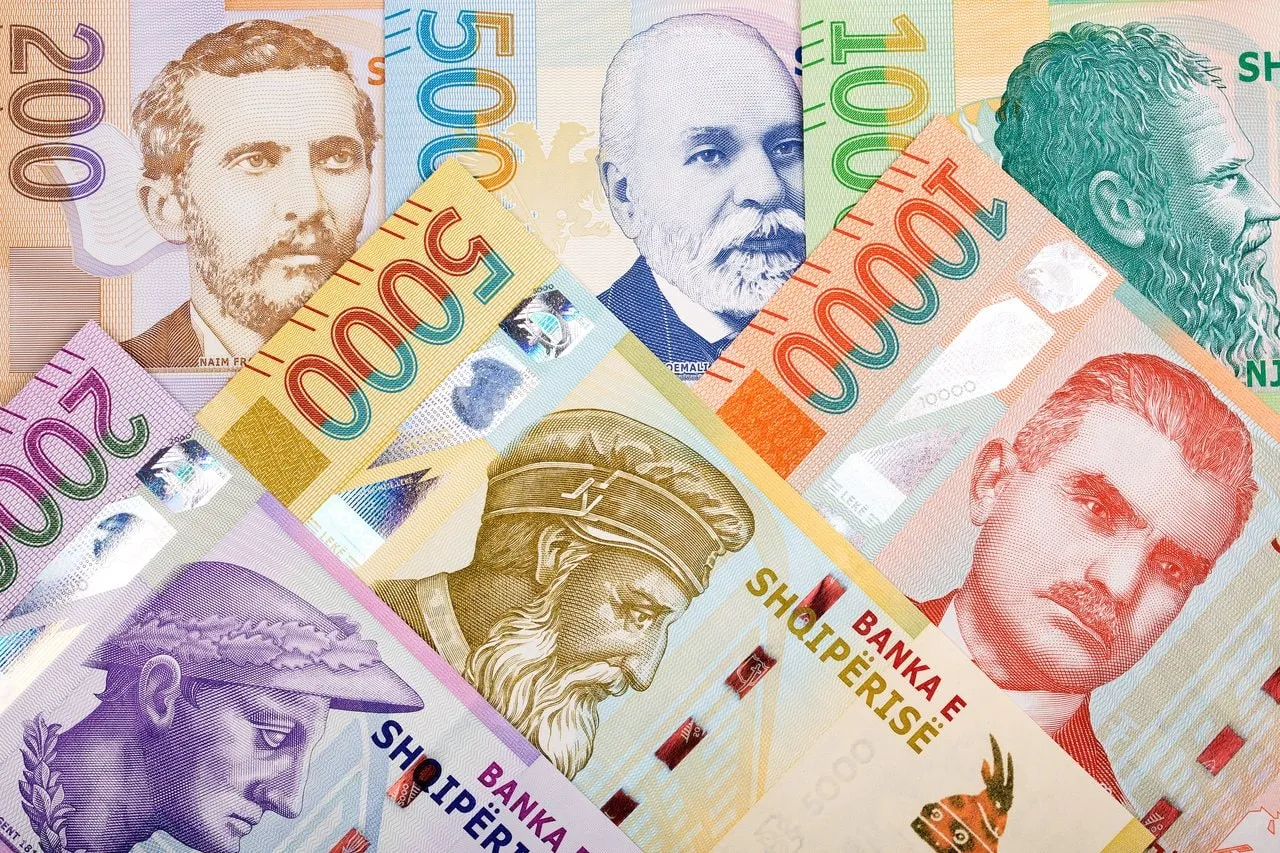
Albania uses the Albanian lek (ALL). We have deliberately not printed a fixed exchange rate here, because the lek has strengthened and slipped enough in recent years that any number we quote would mislead somebody: check a currency app in the week before you fly and keep that rough conversion in your head. What holds steady is how far the money goes. Prices are low across the board: a strong espresso costs pocket change, a home-cooked dinner is a few euros, and a comfortable night’s stay costs a fraction of what you would pay across the Adriatic. Euros are sometimes accepted in tourist spots, but usually at a poor rate, so pay in lek wherever you can.
Worth knowing for context: Albania is not in the eurozone and not in the EU, which is part of why the price gap with Italy and Greece is so wide despite the short distance. It also means the euro you are quoted informally is a convenience rather than the real currency, and the exchange rate baked into it is the vendor’s, not the market’s.
Daily budgets, three ways
Here is roughly what a day looks like at three styles of travel, per person.
Backpacker (around €30 to €45 a day): a hostel or simple guesthouse bed, byrek and taverna meals, furgons and buses between towns, and free or cheap activities like beaches, old towns and hikes. Albania is a genuine steal at this level.
Mid-range (around €55 to €90 a day): a nice private room or a small apartment, a mix of tavernas and the odd seafood dinner, a share of a rental car or the occasional taxi, a paid boat trip or tour, and drinks out. This is where most travellers land, and it buys a lovely trip.
Comfort and up (€130+ a day): a boutique hotel or a stylish coastal stay, restaurant dinners with wine, a private car and driver or your own rental, guided experiences and spa time. Even here, Albania costs far less than a comparable trip elsewhere on the Mediterranean.
The gap between these tiers is narrower than in most countries, which is the real point. Moving from backpacking to mid-range here changes your trip a great deal and your total surprisingly little, so if you are choosing where to spend a limited budget, this is a country where upgrading is unusually good value.
What individual things cost
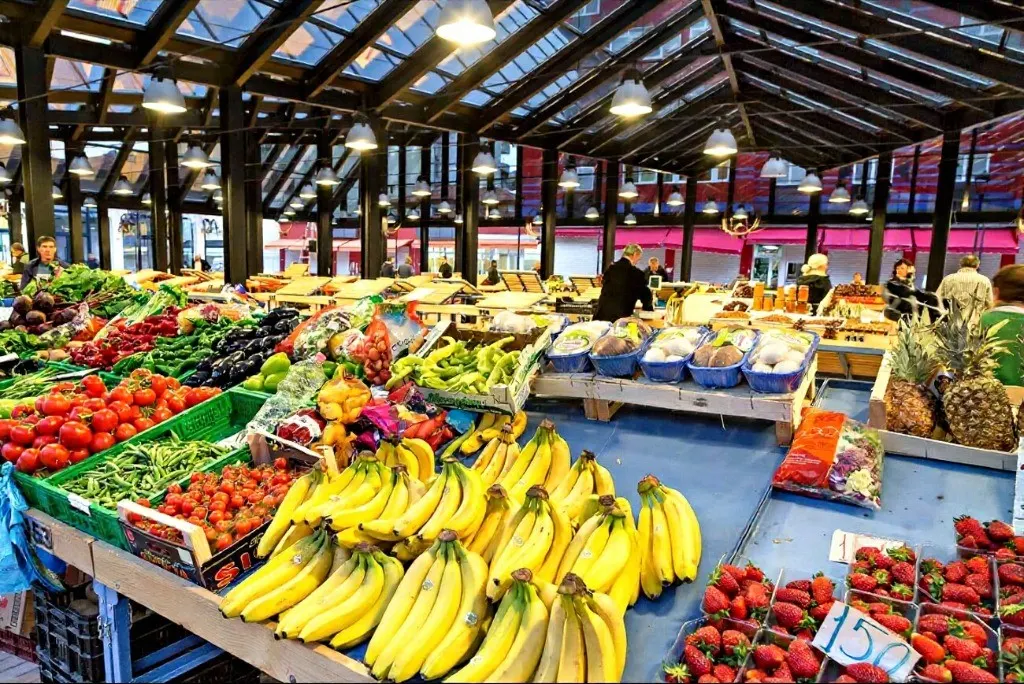
To help you plan, here is a rough sense of prices, always think “around”, since they vary by season and place. A byrek or coffee costs pocket change. A taverna meal runs a few euros; a seafood dinner by the water more like €12 to €20 with wine, and worth it. A guesthouse starts around €20 to €35 a night, a nice apartment more. Car rental is often €25 to €40 a day, fuel is your biggest running cost. A furgon hop between towns is a euro or two, a boat trip on the Riviera around €30, and beaches, old towns and mountain trails cost little or nothing.
Season is the biggest multiplier of all
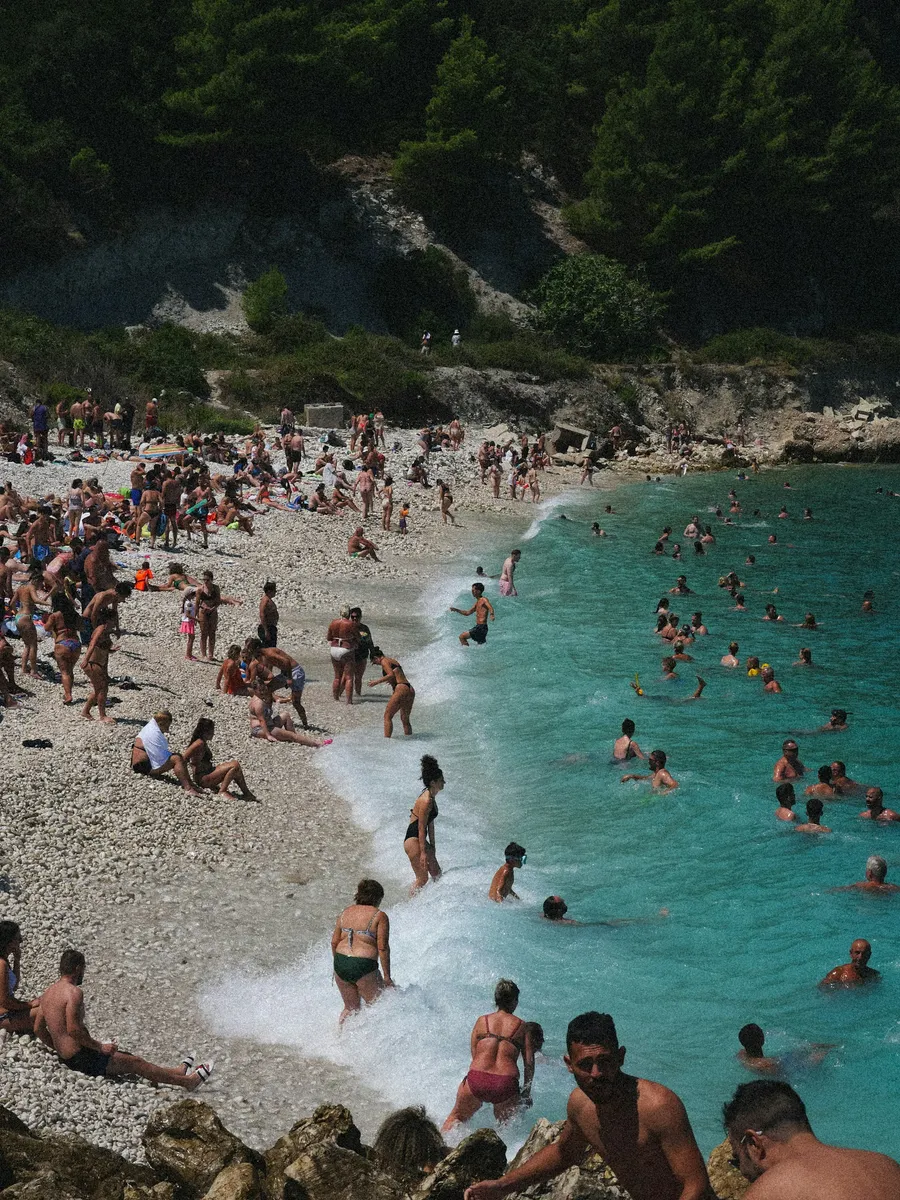
If you change one thing about your trip to save money, change the dates. Everyday costs, coffee, food, buses, entry tickets, barely move across the year. Coastal accommodation does the opposite, climbing steeply through July and peaking in August, when the domestic holiday season and the returning diaspora fill the Riviera at once.
The reason is supply rather than greed. The southern coast went from largely unknown to internationally famous within about a decade, and the rooms did not multiply as fast as the demand did, so peak coastal rates have caught up with Greece and Croatia while everything around them stayed cheap. That is the single most useful thing to understand about an Albanian budget: one line item behaves like a Mediterranean resort and the rest of the country does not.
The practical consequence is that late June and September give you warm sea, open restaurants and a substantially smaller accommodation bill. Push to May or October and rooms get cheaper again, at the cost of a cooler sea and some seasonal businesses shutting. If your dates are fixed in August, book accommodation much further ahead than you would elsewhere, because that is the one month where waiting genuinely costs you money.
Getting there, and getting around
For most people the single biggest cost is the flight, wherever you are flying from, so booking that well is where the real savings live. Low-cost carriers now serve the capital from a good number of European cities, which has changed the economics of a short Albanian break considerably, and prices follow the same pattern as the hotels: cheap in the shoulder months, dear in August.
On the ground, the choice is between three models and they cost very different amounts.
| How you move | Roughly what it costs | Best for |
|---|---|---|
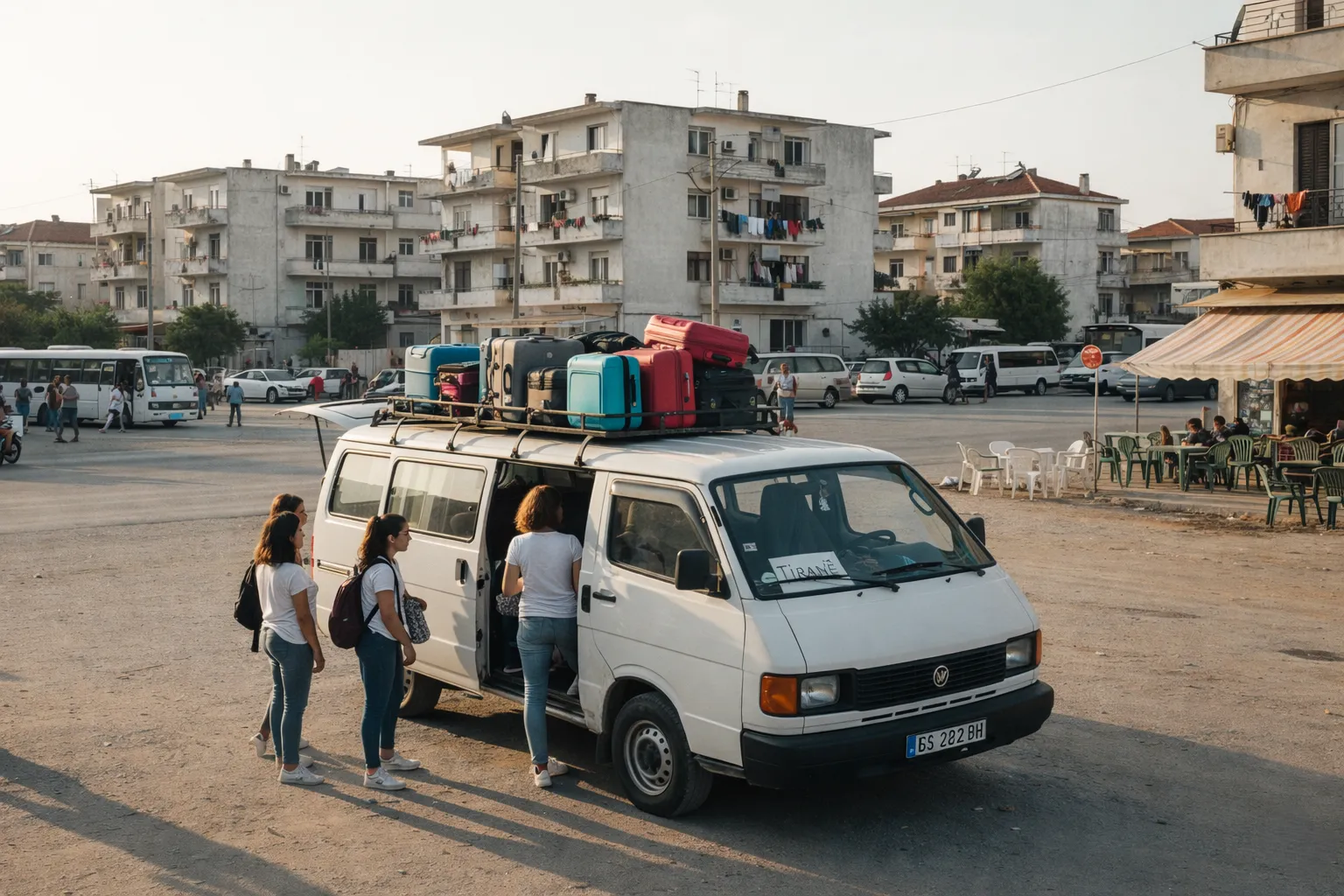
| Furgons and buses | The cheapest option by a wide margin | Solo travellers, main towns, flexible schedules |
| Rental car, split | Moderate once shared between two or more | Couples and groups, the coast, remote villages |
| Taxis and organised day trips | The most expensive per journey | Short trips, one or two excursions, no driving |
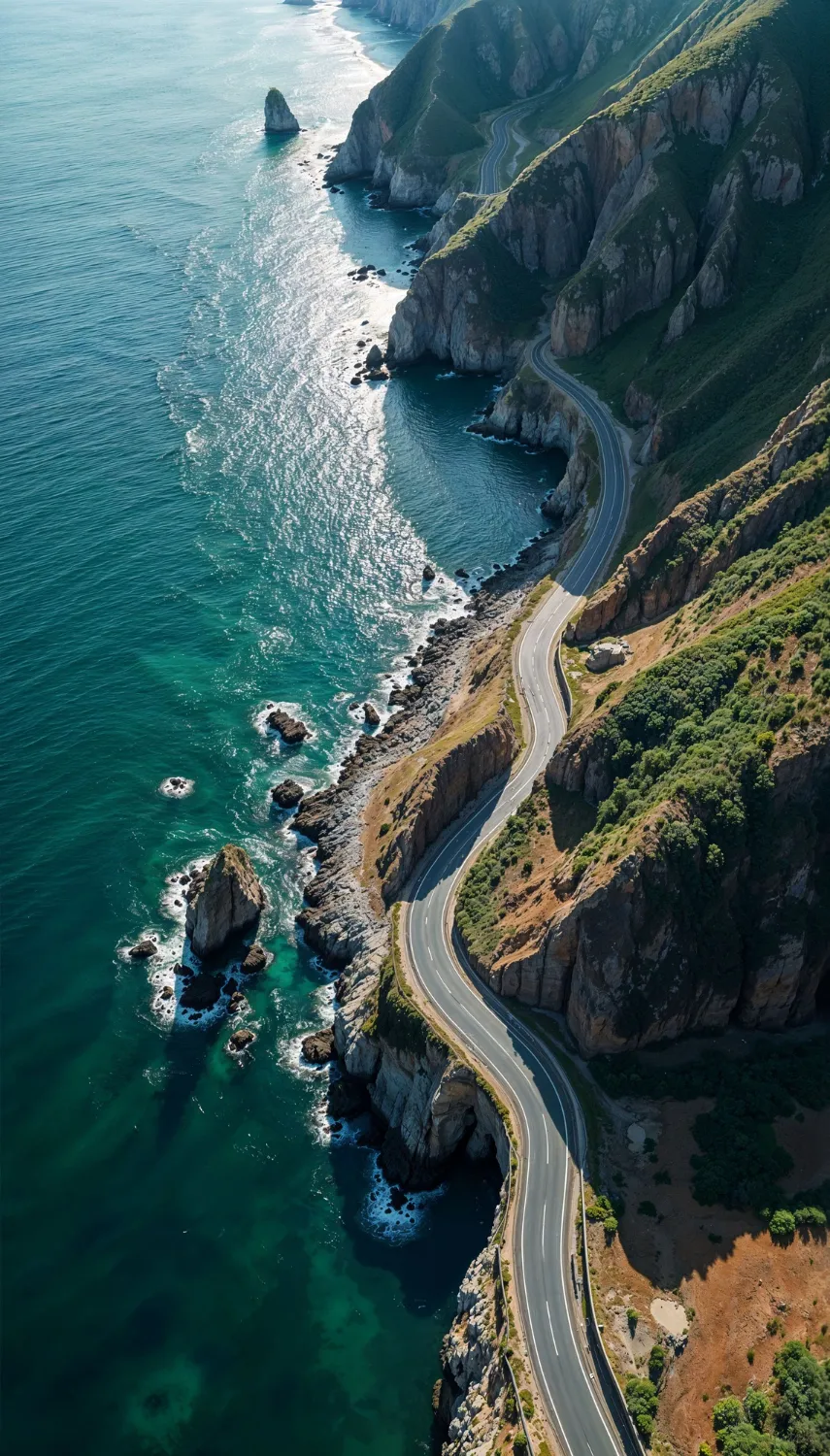
A car is the one that transforms a Riviera trip, and it is also the one with the most fine print: deposits, insurance excess, fuel and the rules about taking the vehicle across a border. Our guide to renting a car in Albania covers what to check before you sign, including the International Driving Permit question, which is a firm requirement only if your licence is not printed in the Latin alphabet and otherwise simply worth carrying, because rental desks ask for one often enough to make it cheap insurance.
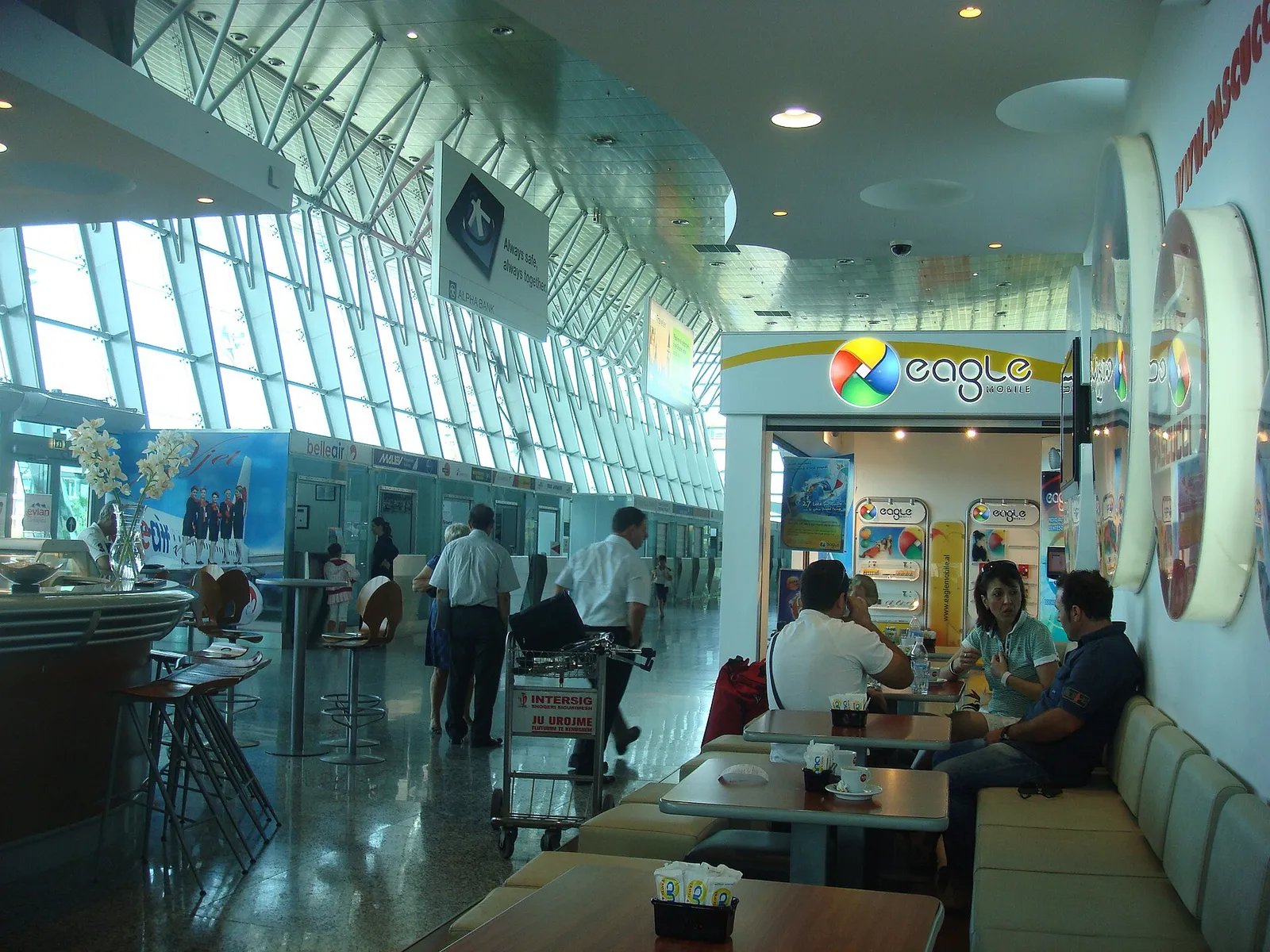
The other transport line to plan is the very first one. Our guide to Tirana airport transfers compares the bus, taxis and pre-booked transfers, and the honest summary is that the bus is dramatically cheaper and the difference matters most when you are tired and it is late.
Accommodation: what your money actually buys
This is where Albania feels most generous. A simple guesthouse room, often family run, with breakfast and a warm welcome, costs less than a hostel dorm in much of Western Europe. A step up buys a modern apartment with a kitchen and a balcony, which is excellent value for two people and cuts the food bill further. At the top end, the boutique and design hotels that have appeared along the coast still cost a fraction of their equivalents in Italy or Croatia.
Two things to watch. Location premiums are real on the Riviera: a room on the beach costs meaningfully more than one a five-minute walk uphill, and the walk is usually fine. And some places add a small local tax per night, collected on arrival and not always shown in the online price, so budget a little slack rather than being surprised.
A shared car is cheaper than you thinkSplit between two or three, a rental car often beats a week of taxis and toursCash, cards and staying safe with money
Carry a mix, but lean on cash. City hotels, bigger restaurants and supermarkets take cards, but guesthouses, family tavernas, furgons, markets and small towns are frequently cash only. Withdraw lek from ATMs attached to real banks, cover the keypad, and watch for machines that charge a fee or a poor conversion, so decline any offer to be charged in your home currency. Keep a backup card separate from your main one, tell your bank you are travelling, and always have small notes for drivers, markets and rural stops.
The fee structure is the part worth planning around. Many machines charge a flat fee per withdrawal rather than a percentage, which means five small withdrawals cost five times what one larger one does. Work out roughly what you need for a few days and take it in one go, keeping it split between two places rather than all in one wallet. Bank machines are common in the towns and effectively absent in the villages, so top up before heading into the mountains rather than assuming you will pass one.
The other habit worth building costs nothing and takes a second. When a card terminal or a cash machine offers to charge you in your own currency and shows you a friendly number in pounds or euros, always decline and choose lek. That conversion is done by the payment processor at a rate set to favour the processor, it typically costs several percent, and it is presented as a convenience precisely because it is a fee. The same logic applies to paying a restaurant bill in euros: a number of coastal businesses will happily take them at a rate they have chosen, which is reliably worse than the bank rate, and over a week of meals the difference is not trivial.
The small costs nobody budgets for
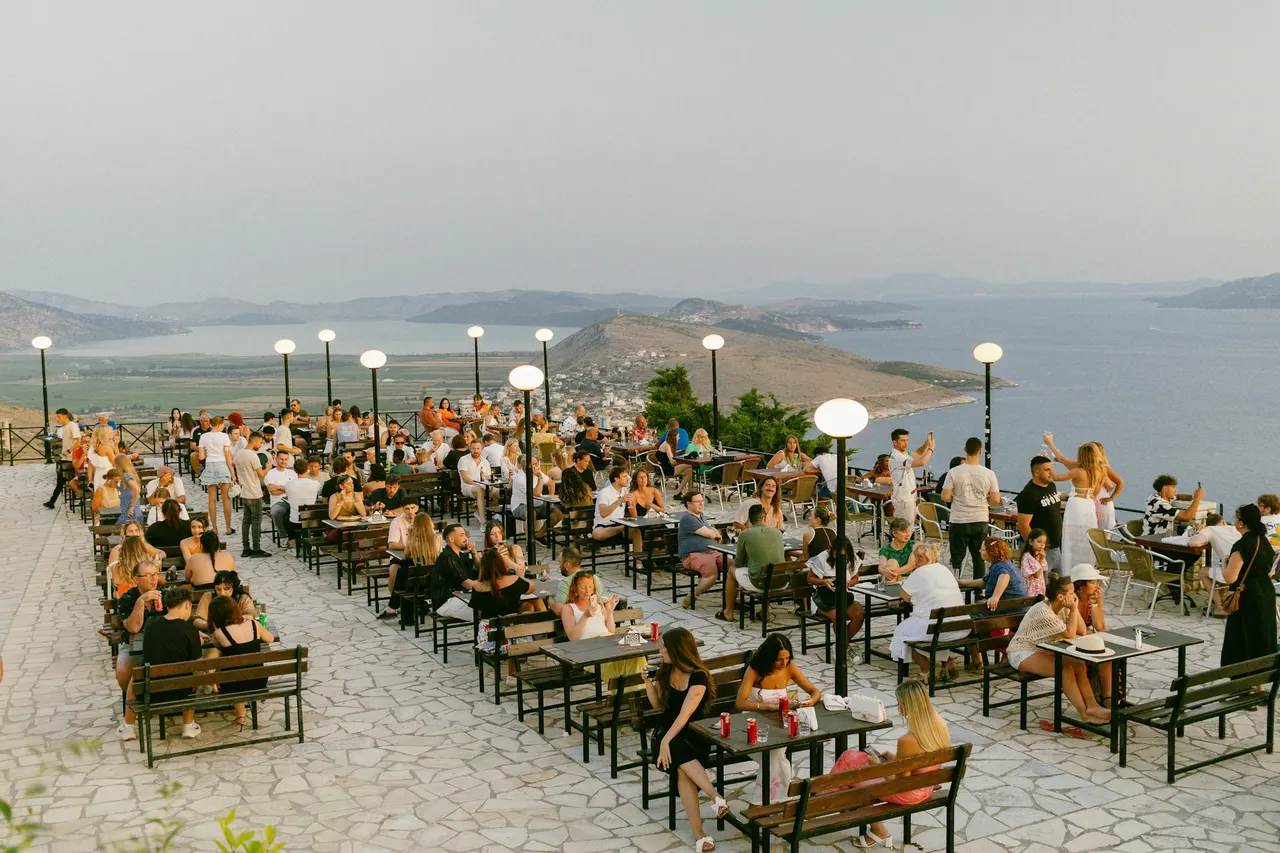
None of these is large, and together they are the difference between your estimate and your actual spend. Sunbeds and umbrellas on the developed beaches are charged per set per day, and on a week at the coast that is a real line. Fresh fish is priced by weight, so the bill depends on the fish rather than the menu, and asking the weight before it is cooked is the fix. Fuel is the running cost that catches people who budgeted for the rental but not the driving, and Albanian distances take longer than they look, which means more of it.
Add parking in the busier coastal towns, the occasional entry ticket to a castle or archaeological site, and bottled water in quantities you would not drink at home in July. Budget a modest daily float for all of this rather than treating each as a surprise.
What is genuinely cheap, and what is not
Albania’s reputation as the cheap corner of Europe is mostly still accurate, but it is not evenly distributed, and knowing which half of the country you are spending in is most of the budget.
Genuinely cheap, and barely moved in years:
Eating, at every level, from a byrek counter to a proper restaurant with a tablecloth.
Coffee, absurdly so, and it comes with as much time at the table as you want.
Furgons and buses, which cross the country for a few hundred lek.
Museums and sites, including the UNESCO towns and the bunker museums in the capital.
Inland accommodation, in Berat, Gjirokaster, Shkoder and the mountain villages.
Alcohol, whether beer, wine or raki.
Not cheap, and worth planning around:
Riviera accommodation in July and August, which is the whole problem in one line.
Sunbeds and beach clubs at the popular beaches, charged per set per day.
Restaurants on a tourist strip, which charge several times the price of the same meal two streets back.
Taxis for journeys a furgon covers, and airport runs in particular.
Car hire in August, if you leave it late.
Anything priced in euros by the seller rather than in lek, at a rate the seller chose.
The pattern is worth saying plainly: the things you do every day are close to free by western European standards, and the things that hurt are all concentrated in one month on one stretch of coast. Save the budget for a few standout experiences rather than economising on basics that barely cost anything.
How it compares with the neighbours
Albania’s value is most striking next to what is a short drive or a short ferry away. Italy and Greece are visibly more expensive for a similar coastline, and the gap is widest on accommodation and restaurant meals rather than on transport. The one place it narrows sharply is a Riviera room in July and August, when peak coastal rates bear comparison with Greece or Croatia, which is another reason your dates matter more than any other decision.
The closer comparison, and the one people actually agonise over, is with Montenegro immediately to the north, which shares much of the same Adriatic geography at a higher price point and with a different feel.
Tips to make it stretch
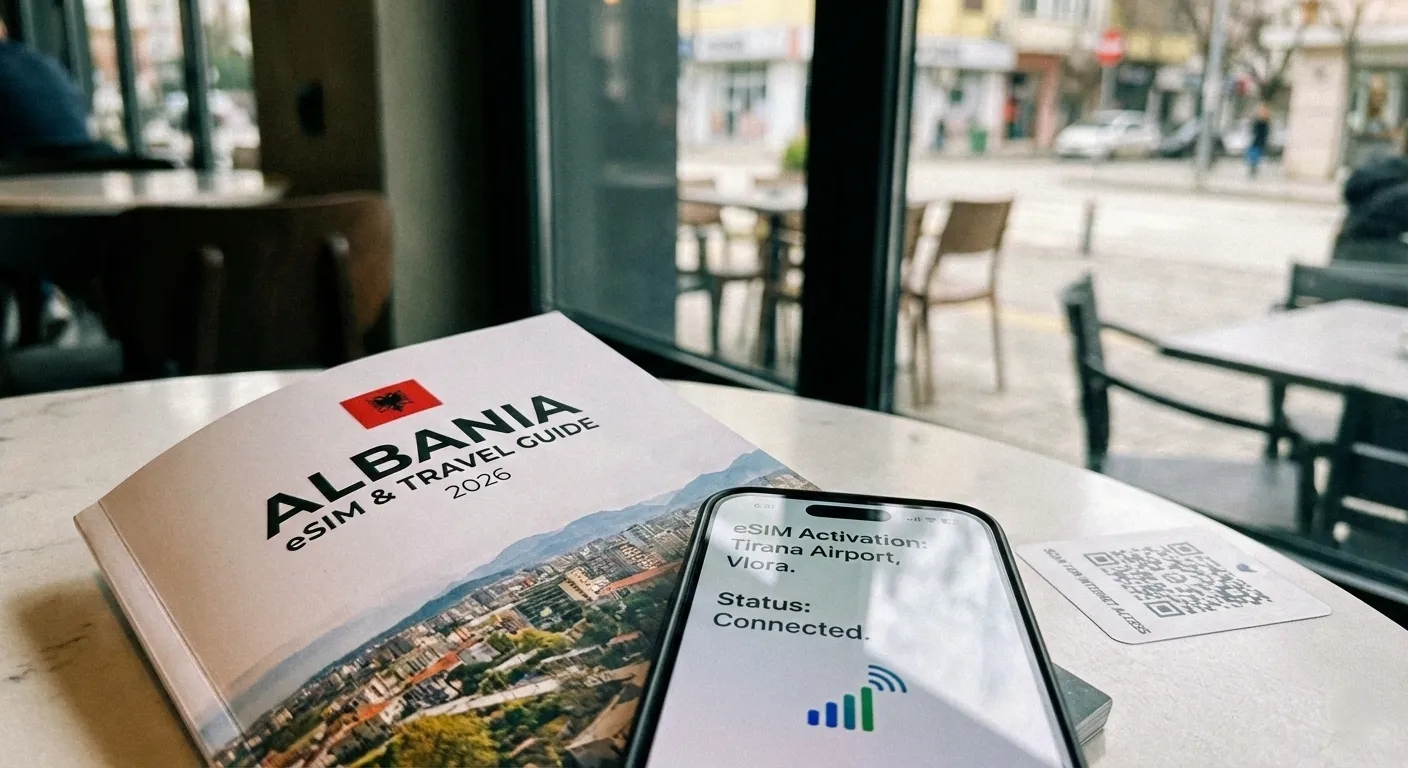
Eat at tavernas and byrek stalls rather than tourist-strip restaurants and you will eat better for less. Travel in June or September instead of peak August for cheaper rooms and a calmer coast. Share a rental car with others to split the best-value transport. Base yourself in two or three spots rather than moving daily, saving on transfers. And set up an eSIM before you fly to dodge roaming fees. None of this feels like scrimping, it just means your money goes further.
Two more that cost nothing. Walk one street back from any promenade or main square before choosing where to eat, and take the apartment with a kitchen for at least part of the trip, since market produce here is superb and absurdly cheap.
Four smaller ones that quietly work. In the mountains, take the guesthouse that includes dinner, which is almost always cheaper than eating out and usually better. Buy water from a shop rather than a restaurant, which sounds trivial until July. Remember that the best things here are free: the beaches without sunbeds, the mountain trails, the old towns and the churches. And know that tipping is appreciated rather than obligatory, so rounding up is normal and there is no percentage you are failing to meet.
For the decisions that move the total rather than the line items, our Albania on a budget guide covers where the savings actually are and where spending more is the right call.
The short version
Albania flexes to any budget: around €30 to €45 a day as a backpacker, €55 to €90 mid-range, more for comfort. Move your dates out of August before you economise on anything else, pay in lek, carry cash for tavernas and drivers, withdraw larger amounts less often from bank ATMs, and budget for the small things: sunbeds, fuel, parking and fish by weight. Put your money toward a few great experiences rather than everyday basics that barely cost anything. It is the cheapest good coast in Europe, and it will feel generous no matter what you spend.
What is your daily budget, and is the flight or the coast eating most of it?
Knowing what things cost is half of it, and getting the money into your hand without paying for the privilege is the other half. Our guide to ATMs, cash and cards in Albania covers which machines charge least, why the yellow ones cost more than they look, and where cash is still the only option.