Here is the short answer most travellers want: for a lot of passports, you do not need a visa for Albania at all. The country runs one of the most open entry regimes in Europe, and for the majority of visitors the border is a passport scan, a possible stamp and a “mirë se vini” (welcome). But “most” is not “all”, and the exceptions matter, so here is exactly how it works in 2026, whichever passport you carry.
Who can enter visa-free
Albania allows visa-free entry to citizens of over 90 countries. The standard allowance is 90 days within any 180-day period, with one famous exception: US citizens can stay up to a full year.
| Passport | Visa needed? | Maximum stay |
|---|---|---|
| United States | No | Up to 1 year |
| United Kingdom | No | 90 days in 180 |
| Ireland and other EU / EEA countries | No | 90 days in 180 |
| Australia | No | 90 days in 180 |
| Canada | No | 90 days in 180 |
| New Zealand | No | 90 days in 180 |
| Japan, South Korea, Singapore, UAE, and many others | No | 90 days in 180 |
| South Africa | Yes, apply in advance | Per visa issued |
The row at the bottom is the one worth pausing on, because it is easy to assume an English-language guide is written only for visa-free passports. South African travellers do need a visa for Albania, normally applied for online through the government’s e-visa system before departure, along with a passport valid well beyond the stay and proof of onward travel.
A useful bonus rule that solves this for a lot of people: travellers of any nationality who hold a valid multiple-entry Schengen, US or UK visa that has already been used once, or a residence permit from those places, can generally enter Albania visa-free for 90 days. If you are a South African who already holds a used multiple-entry Schengen visa, for instance, that is usually your route in. Otherwise, apply through the e-visa system before travelling.
Rules do change, so treat this as an accurate snapshot and confirm the current requirement for your own nationality on an official source before booking. For our general first-trip advice beyond paperwork, start with the first-timer guide.
If you do need a visa
Check the bonus rule above first, because it saves a great deal of work for anyone who already holds a used multiple-entry Schengen, US or UK visa or a residence permit from those places. If it does not apply to you, the route is Albania’s official e-visa system, completed online before you travel.
Expect to supply the usual short-stay evidence: a passport with comfortable validity, photographs to specification, proof of accommodation for your dates, onward or return travel, and evidence that you can support yourself during the stay. Allow several weeks rather than several days, especially over the summer when volumes are highest, and do not book non-refundable flights before you have a decision. Use only the official government portal: the lookalike sites that charge a fee to fill in a form on your behalf are a recurring nuisance for exactly the nationalities that need the visa most.
Passport validity, the one rule people miss
Albania is refreshingly relaxed here. Officially your passport needs to be valid for the duration of your stay, with no strict six-month rule of its own. In practice, though, your airline and any neighbouring country you continue to may apply stricter standards, and border officers everywhere prefer documents with obvious life left in them. The comfortable play: travel with at least three months of validity beyond your planned departure, and six if you are touring the wider Balkans.
One more quiet requirement: have at least one blank page if you want that entry stamp, and keep the passport itself in decent physical shape. Water-damaged documents cause more border delays than expiry dates do.
Arriving by air
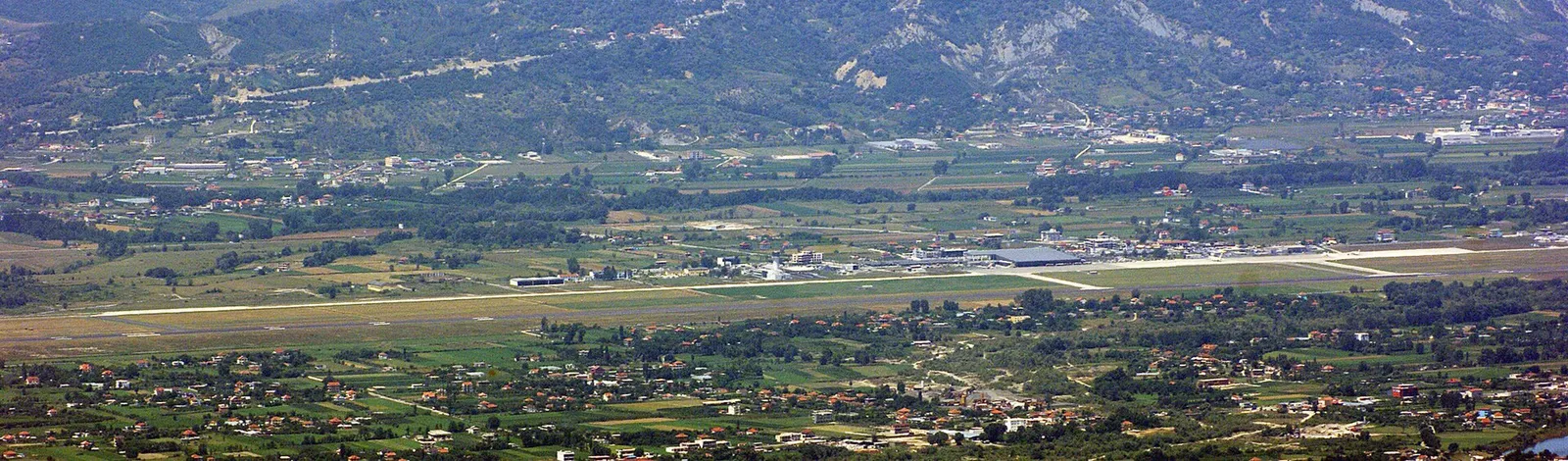
Nearly everyone flies into Tirana International Airport (TIA), also called Rinas or Nënë Tereza. Vlora’s new airport in the south is not an option: it has not obtained certification, announced routes were cancelled and it is not handling scheduled commercial flights, whatever the guides promising a Riviera arrival say. Plan on Tirana. Arrival is simple: passport control, an electronic scan, sometimes a stamp, and you are out. There is no arrival card, no online form and no entry fee. Queues at TIA move fast outside the July and August peak, when a busy evening bank of arrivals can mean 30 to 45 minutes.
Officers rarely ask anything at all. When they do, it is the standard trio: where are you staying, how long are you staying, and is the visit tourism. A hotel name and a rough plan answer all three. Proof of onward travel is almost never requested, but airlines occasionally check it at your departure airport, so having a return or onward booking on your phone avoids check-in friction.
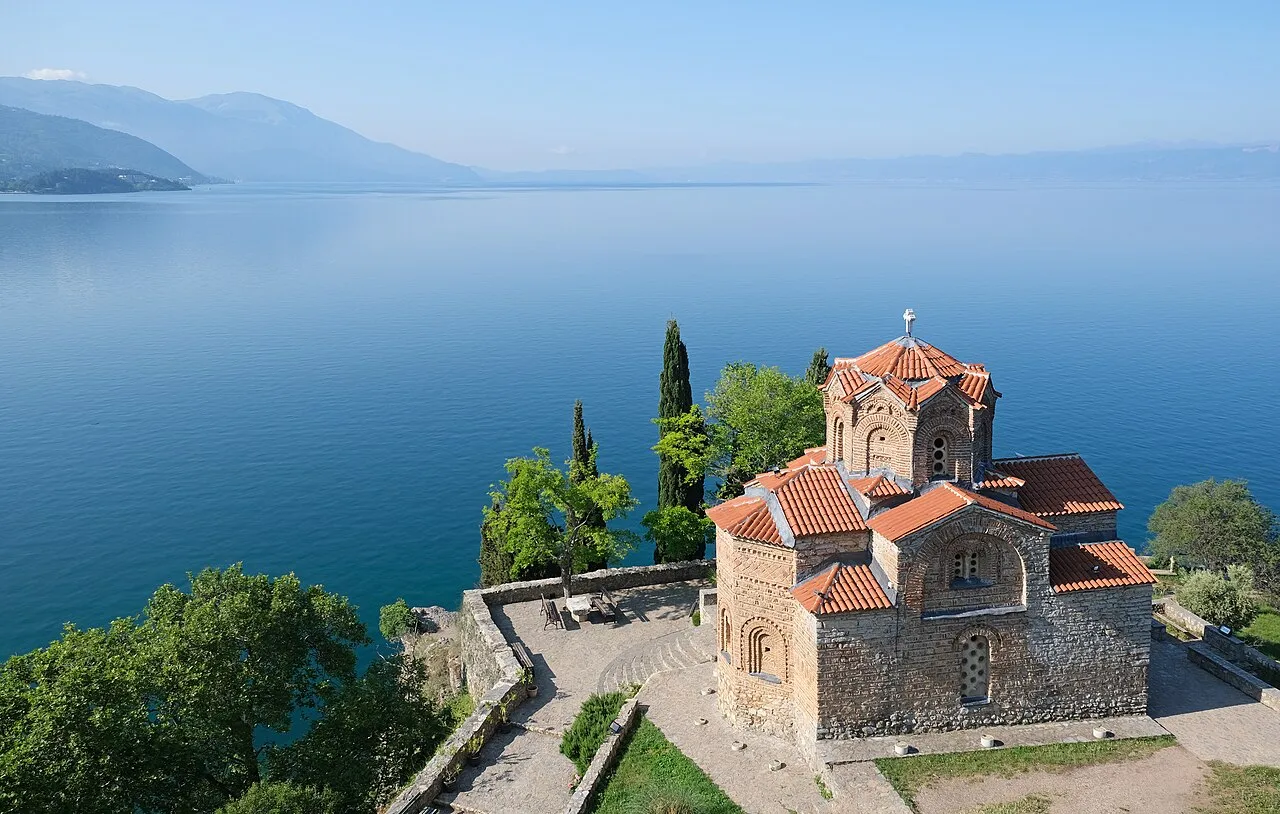
One trip puts these rules to work twice in a single day. A day trip east to Lake Ohrid leaves Albania and enters North Macedonia, which sets its own entry requirements separately, and our Ohrid day trip guide covers what that means at the crossing and the rental car restriction that catches people out.
Arriving by land or sea
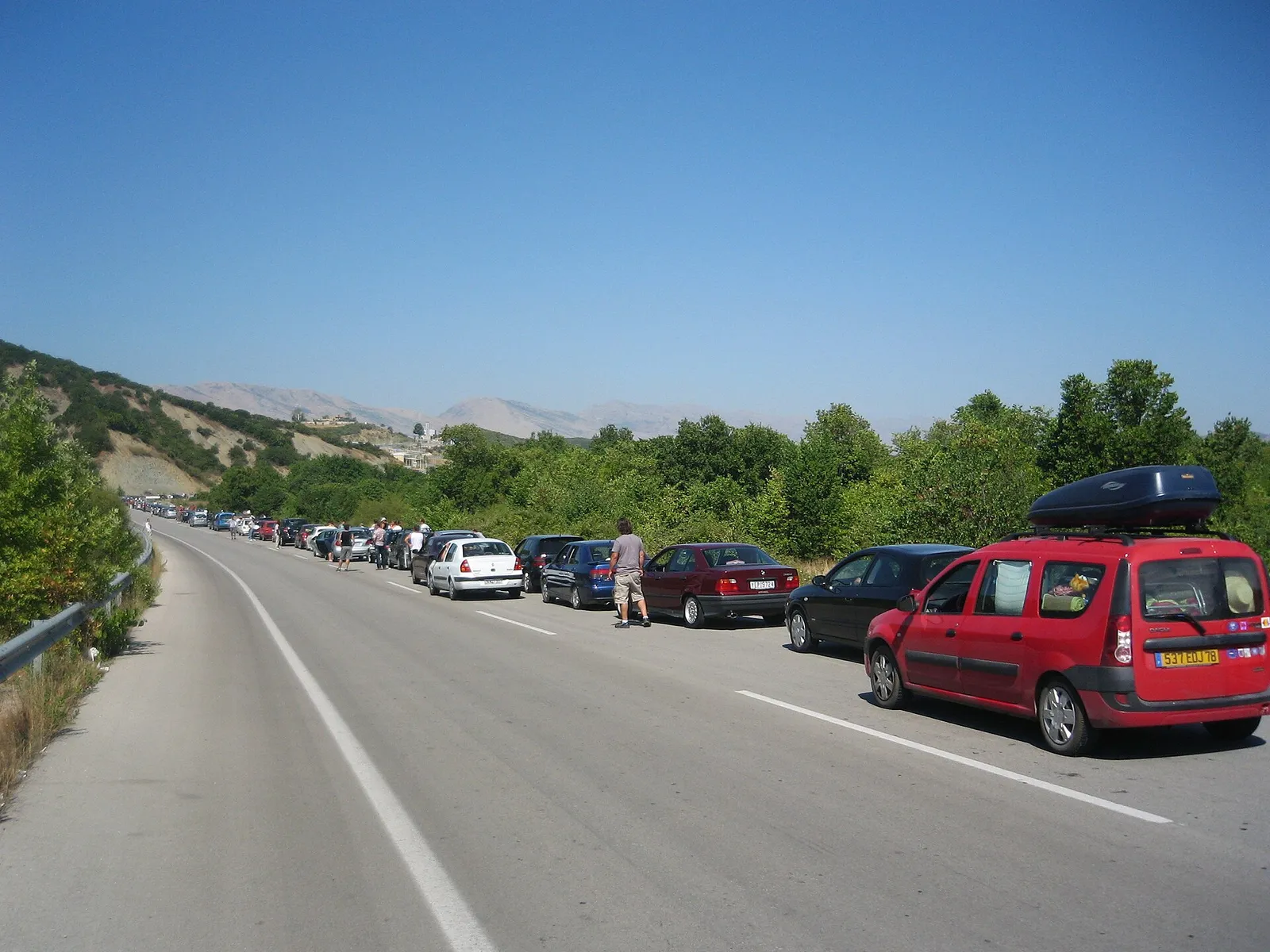
Albania shares land borders with Montenegro, Kosovo, North Macedonia and Greece, and the crossings are busy, functional and generally quick. The Greek crossing at Kakavia is the main artery to Saranda and the Riviera, and it is the one place where summer queues get serious: on peak weekends, expect waits of an hour or more in each direction. Crossings from Montenegro (Muriqan, Hani i Hotit) and North Macedonia (Qafë Thanë, near Lake Ohrid) are usually much lighter.
The process is identical to the airport: passports checked, sometimes stamped, no fee. If you cross by bus, the driver typically collects passports and handles the window for the whole vehicle. If you cross in a rental car, you need written permission from the rental company to take the car across the border, arranged in advance for a fee, plus a green card insurance document. Ferries from Corfu to Saranda and from Italy to Durrës run passport control at the port, and the Corfu hop in particular is an easy, scenic way in.
Customs: what you can bring
Albanian customs are standard European fare and rarely trouble tourists. Duty-free allowances for arrivals from outside the country include roughly 200 cigarettes, 1 litre of spirits, 2 litres of wine and personal-use quantities of perfume and gifts. Two rules actually worth knowing:
Cash declaration. Amounts over the equivalent of about 10,000 euros must be declared on entry and exit. Under-declared large sums can be seized, so cross that threshold on paper, not in a money belt.
Drones and medication. Drones are allowed but flying them is regulated, and permits are needed near airports and some sites. Personal medication is fine; bring prescriptions for anything unusual, especially strong painkillers.
Going the other way matters too. Olive oil, honey and raki are the classic things to carry home from Albania, and what you may bring in duty free depends entirely on your destination country, with different allowances for the UK, Ireland, the US, Canada, Australia, New Zealand and South Africa. Check your own rules before you buy in quantity, and remember that liquids travel in the hold.
Insurance, and the cover that does not follow you here
This is the gap that catches out the travellers who are usually best protected. An EHIC or a UK GHIC does not cover you in Albania, because the country sits outside the arrangement those cards belong to. EU and British visitors who are accustomed to walking into a European hospital on the same terms as a local do not have that here, and neither does anyone else: travellers from the US, Canada, Australia, New Zealand and South Africa should assume they are paying for treatment unless their own insurer says otherwise.
That matters more in Albania than the low prices suggest, because the trip itself tends to involve mountain roads, boat trips, hikes in valleys with slow rescue and long drives between towns. Our guide to travel insurance for Albania covers what a policy should include here and the exclusions worth reading twice, particularly around driving excess and hiking above a stated altitude.
Travelling with children and other documents
Children need their own passports, and the same validity advice applies. Requirements for minors travelling without both parents vary by the child’s nationality, by the airline and occasionally by the border, and can include a consent letter or a birth certificate showing the relationship. It is not a single Albanian rule, so check with your own authorities and your airline before you book rather than at the desk.
Two smaller points. If you hold two passports, decide before you fly which one you are entering on, since the visa-free allowance differs sharply between nationalities here and the airline needs to see the document your onward journey depends on. And if your name differs across passport, ticket and booking, carry whatever document links them.
Overstays, extensions and the long-stay game
The 90-day clock works like Schengen’s: days in any rolling 180-day window count, and border computers do track them. Overstaying brings fines scaled to the length of the overstay and can complicate future entries. If you fall in love with the place, US citizens simply enjoy their year, while others can apply for a residence permit locally on grounds like remote work, study or family, a process best started well before day 90.
Because Albania sits outside Schengen, it has become a favourite pause button for long-term travellers: three months on the Riviera costs a fraction of Greece next door and resets nothing on your Schengen count. Pair it with Montenegro and North Macedonia, also outside Schengen, and you can roam the Balkans for a very long time, perfectly legally.
The arithmetic still needs doing carefully, since the Albanian and Schengen windows run independently and both count your arrival and departure days. Keep a simple note of entry and exit dates for each, and leave a margin rather than planning to the final day of either.
If something goes wrong at the border
Two scenarios are worth thinking through once, in advance. If your passport is lost or stolen during the trip, report it to the police, keep the report, and contact your own country’s embassy or consulate for an emergency travel document. Not every nationality has representation in Tirana, and some are covered from a neighbouring capital, so it is worth knowing before you travel which applies to your passport rather than discovering it on the day.
Refusal of entry is rare for visa-free tourists arriving with a return ticket and an address to give, and the practical protection is simply having those things reachable on your phone rather than buried in checked luggage. If it does happen, the decision is recorded in writing, and arguing at the desk does not help.
The short version
Check your passport is valid for your stay, plus a sensible buffer. Confirm your nationality is on the visa-free list, which many are but not all (South Africans need to apply in advance), and remember Americans get a full year. Carry a hotel name and onward plan for the rare question at the desk, declare cash over 10,000 euros, arrange border paperwork in advance if you are driving a rental across, and do not assume your European health card covers you here, because it does not. That is genuinely the whole game: Albania’s border is one of the easiest in Europe, and the country on the other side of it is the reason you came.