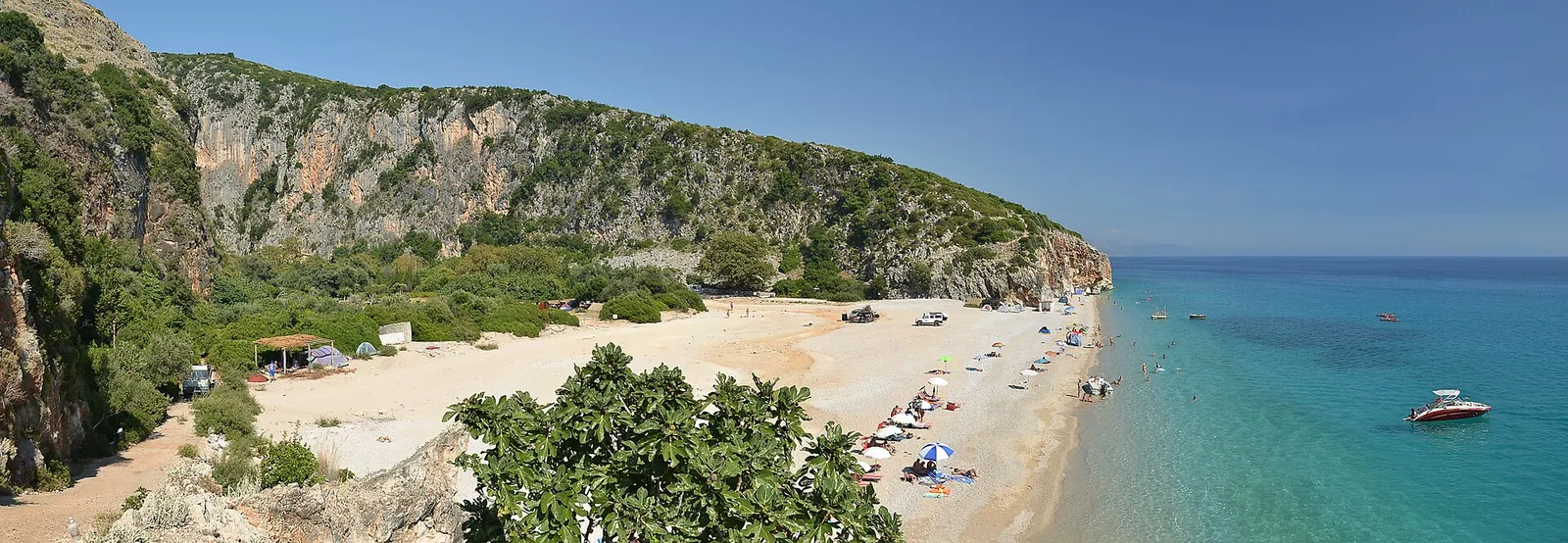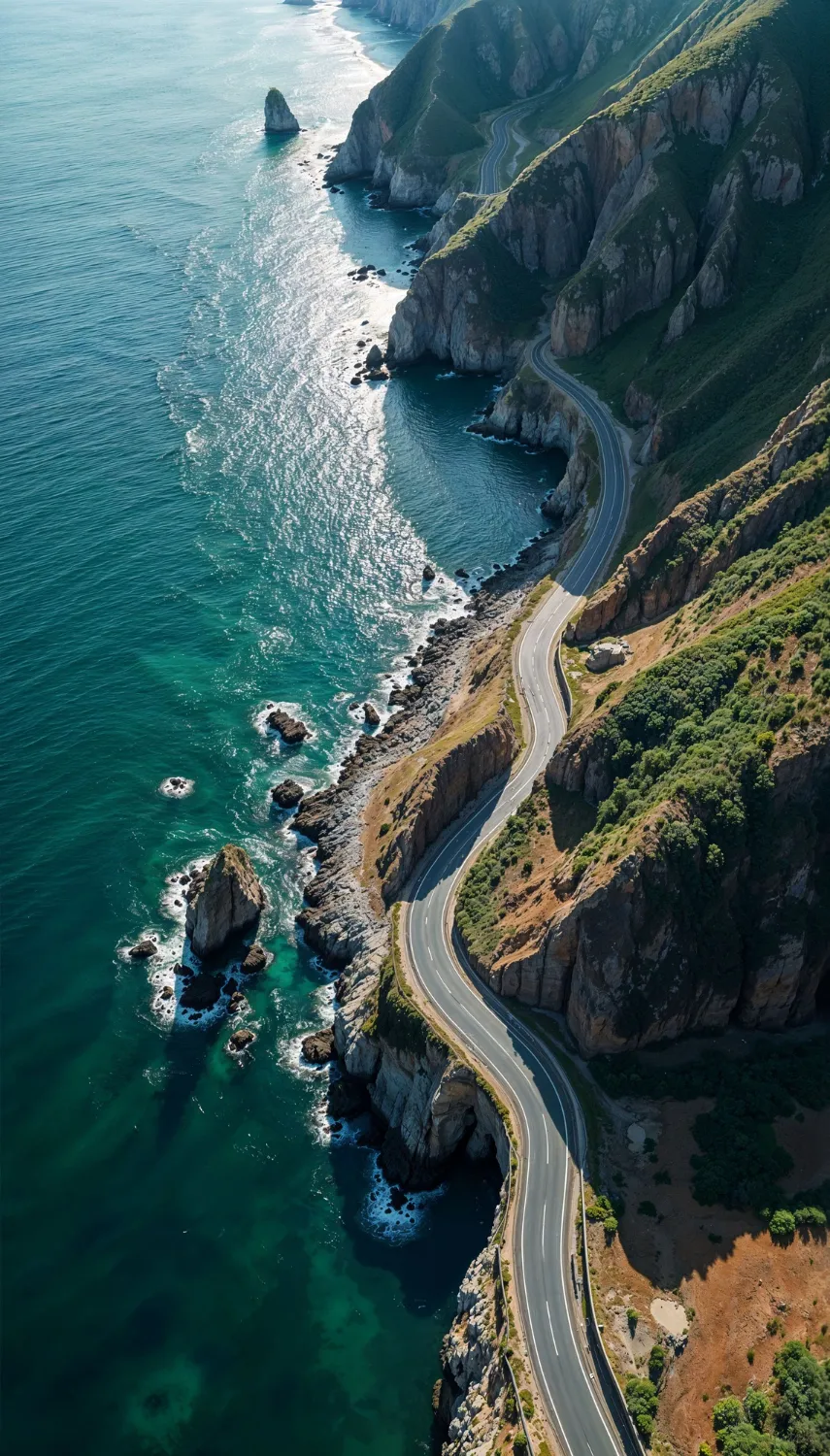
If there is one piece of advice that changes an Albania trip, it is this: rent a car. The country’s best moments, an empty Riviera cove, a village at golden hour, the plunge down the Llogara pass, a lunch stop you would never find on a timetable, all live at the end of roads that no bus reaches. Driving here is cheaper than almost anywhere in Europe, the freedom is enormous, and the roads, while quirky, are more than manageable. Here is everything you need to do it with confidence.
Why a car beats the alternatives
Albania’s public transport is cheap and characterful but genuinely limited. The furgon, a shared minibus that leaves when it fills, and intercity buses connect the main towns, but they run mostly in the morning, keep informal schedules, and skip the small beaches, mountain villages and viewpoints that are the whole point of coming. A car collapses a day of waiting into an hour of driving and lets you follow every impulse: pull over for that view, chase the empty beach, stay an extra hour at lunch. For the Riviera and the Alps especially, it is transformational.
The economics help too. Split between two or three people, a rental car frequently costs less than a week of taxis and organised day trips, which is the comparison that matters rather than the headline daily rate. Our breakdown of what Albania costs sets the car against the other ways of getting around, along with the fuel and parking that the daily rate does not include.
What it costs
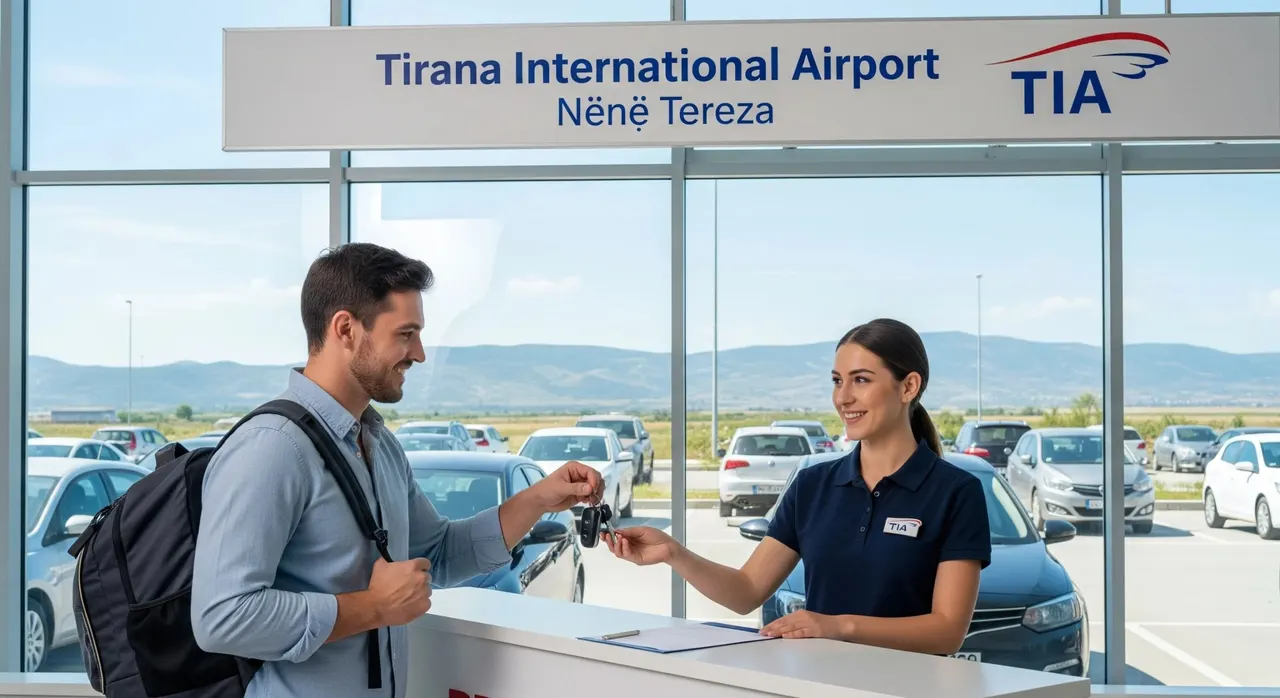
Rental is one of the great bargains here. Small cars often start around €25 to €40 a day in the shoulder months, climbing in July and August when demand outstrips the modest local fleet. A week-long rental usually beats a string of short ones, and picking up at Tirana airport gives you the widest choice and best rates. Budget for fuel, which is priced in line with Europe and your biggest running cost, plus the odd parking fee and toll. Even all in, a self-drive week costs a fraction of the same trip in Italy or Greece.
Before you sign: the things that actually cost money
The daily rate is the least interesting number on the agreement. Five details decide what the rental really costs and how smoothly it goes.
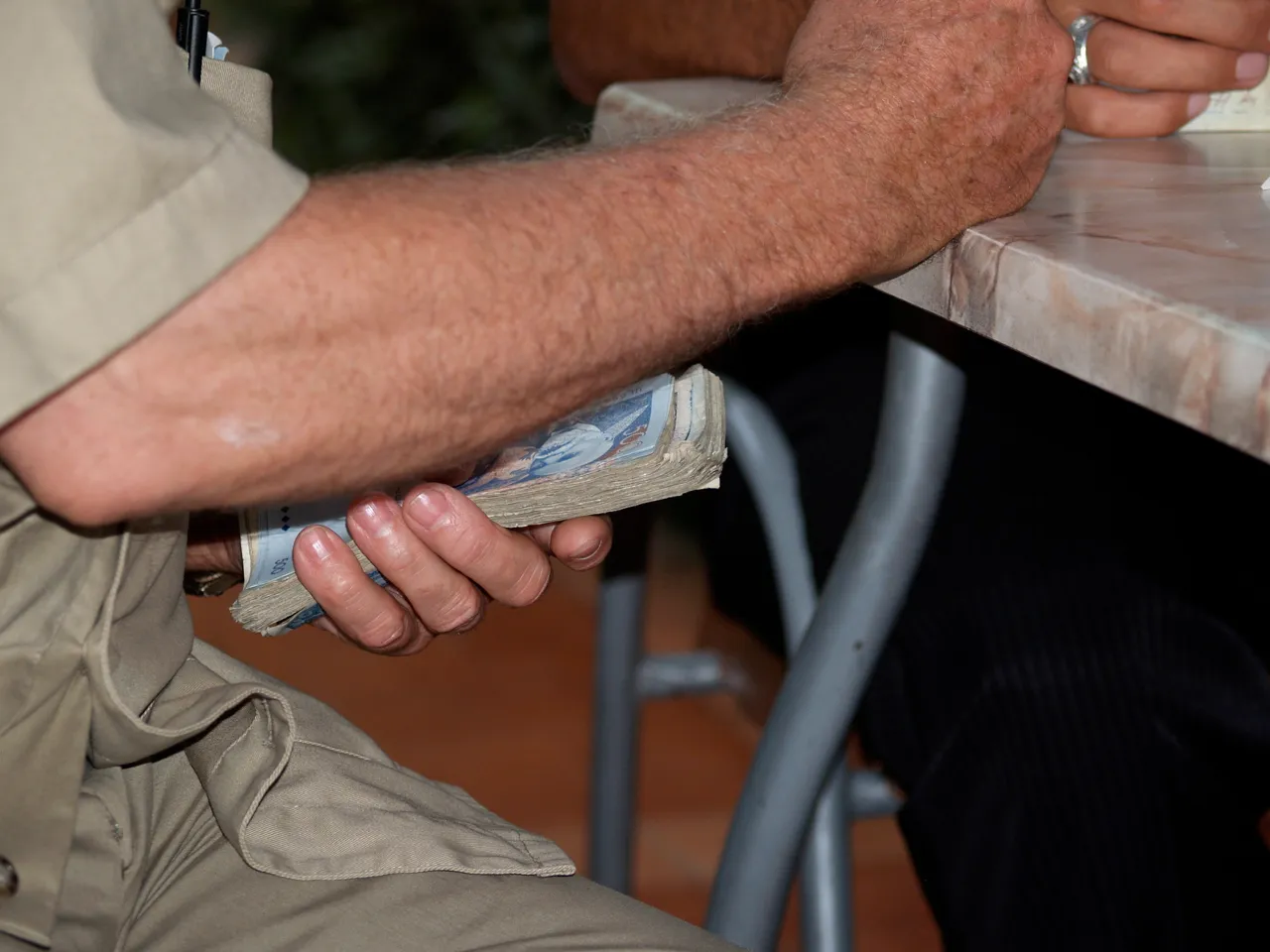
- The deposit. Expect a hold on a credit card in the main driver’s name, and check the amount when you book. Debit cards and third-party cards are frequently refused, and this is the single most common way a booking falls apart at the desk.
- The fuel policy. Full to full is the fair and usual arrangement. Anything that involves buying a tank up front is worth avoiding.
- Mileage. Most rentals here are unlimited, but confirm it, because an Albanian week covers more ground than you would expect.
- Extra drivers, young drivers and one-way fees. All are chargeable, all are cheaper arranged in advance, and a one-way drop in a different city can cost more than a day of rental.
- Cross-border permission, covered below, which cannot be sorted after you arrive at the border.
Photograph or film the car thoroughly at pickup, including the wheels, the windscreen and the roof, and do the same at return. It takes five minutes and it is the only evidence you will have.
The roads, honestly
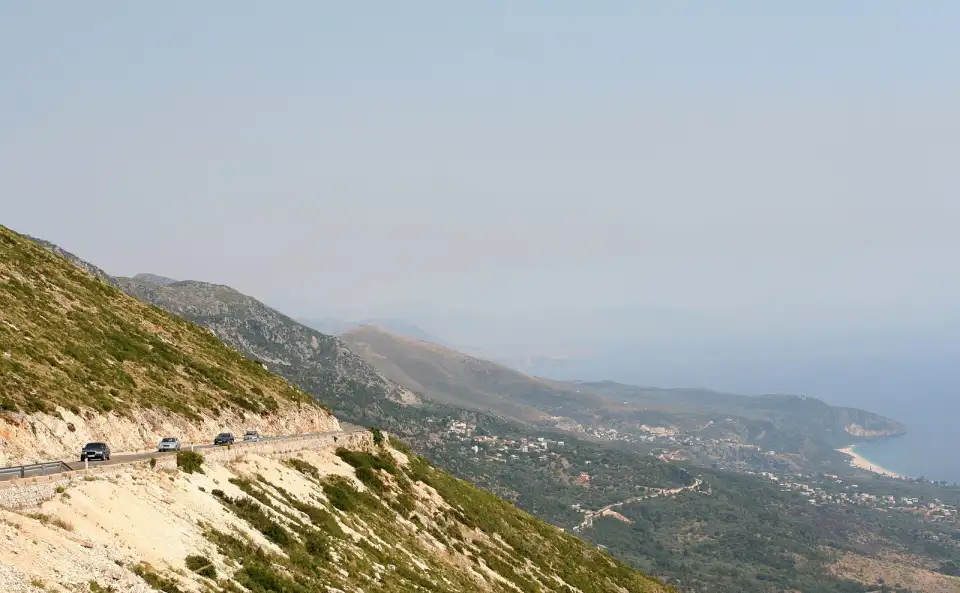
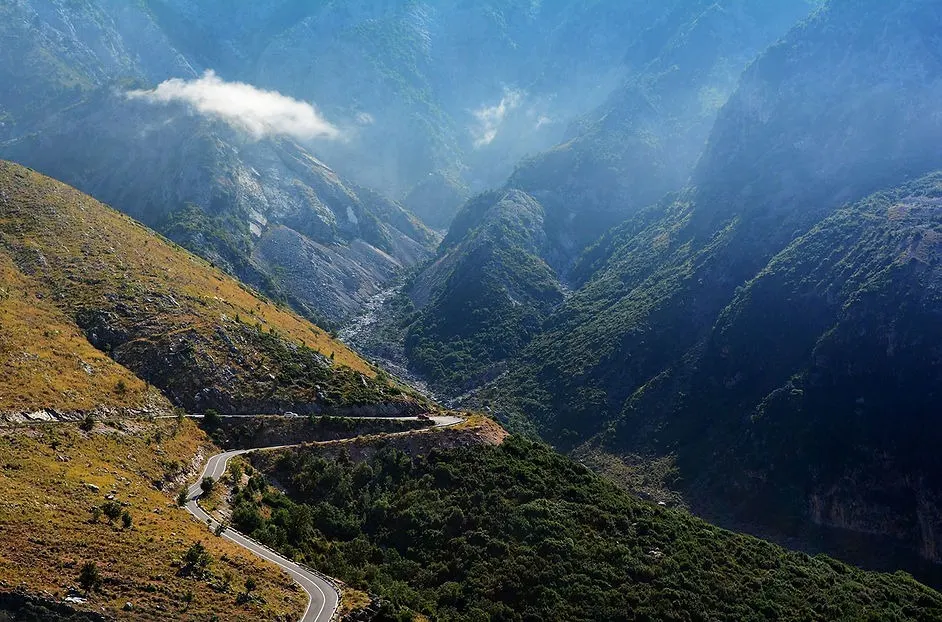
Albania’s roads have improved dramatically, and the main arteries are now good, smooth highways. That said, keep your wits about you. Away from the main routes you will still meet potholes, unlit stretches, sharp mountain switchbacks, the occasional herd of goats, and drivers who overtake with optimism. City traffic, especially in Tirana, is busy and assertive, and parking can be a scramble. None of this is scary once you expect it: drive defensively, keep your speed sensible, leave space, and plan to be parked before dark rather than driving rural and mountain roads at night, where lighting and markings thin out.
The mistake almost every visitor makes once is trusting the estimated journey time. Mountain roads, villages, livestock and slow lorries mean a hundred kilometres can eat three hours, and the Llogara pass in particular is a long sequence of hairpins that cannot be hurried. Plan half the daily distance you would at home, and never schedule the pass or a mountain road for after dark, on an arrival day or any other.
The rules, and the checkpoints
A few habits keep you out of trouble. Follow the posted signs rather than the traffic, since limits change frequently between built-up and open stretches and both cameras and roadside checks are common. Seatbelts are for everyone in the car. If you are travelling with young children, arrange the appropriate child seat with the rental company in advance rather than hoping, because they are not always available on the day.
On alcohol, the rule here is stricter than many visitors expect and stricter again for newly qualified drivers, so the only sensible approach is to treat driving and drinking as mutually exclusive and to check the current limit on an official source. This matters more in Albania than it might elsewhere, because raki is offered as hospitality and refusing feels awkward until you explain that you are driving, at which point nobody minds at all.
Police checkpoints are routine and almost always a wave-through. Slow down, be polite, have your documents to hand, and the whole thing takes seconds.
Pick the right car for your routeA small car is perfect for the coast, but an SUV earns its keep on the mountain roads northInsurance, paperwork and what you are liable for
Read the insurance carefully. The cheap headline rate often comes with a high excess (deductible), so understand what you are liable for, and consider adding full cover or a standalone excess policy for peace of mind, especially given the rougher rural roads. Carry your national licence, and ideally an International Driving Permit too. An IDP is genuinely required if your licence is not in the Latin alphabet, and merely sensible otherwise, but rental desks ask for one often enough that it is worth the small fee. Buy it from a motoring body at home before you travel, since you cannot get one in Albania. Keep the rental agreement, insurance papers and your passport in the car. Police run routine checkpoints, which are almost always a quick wave-through, so slow down, be polite, and have your documents ready.
Two exclusions catch people out on exactly the roads Albania is famous for: tyres, windscreen and undercarriage are frequently excluded from basic cover, and damage sustained on an unpaved track may not be covered at all. Ask specifically about both, because the gravel access road down to a beach is precisely where the damage happens. Your own travel policy is a separate question again, and our guide to travel insurance for Albania covers what a policy does and does not do around driving, including the point that a car excess is usually not covered by a standard travel policy at all.
Crossing a border
This is the detail that ruins the most plans. Taking a hire car out of Albania normally requires a green card insurance document and written permission from the rental company, usually for an additional fee, and some suppliers refuse certain destinations outright. It has to be arranged when you book, not at the border, and turning up without it means turning around.
It matters because the neighbours are close and tempting. If you are weighing a combined trip up the Adriatic, our comparison of Albania and Montenegro covers what each offers and how the two fit together, and the practical footnote is simply this: sort the paperwork first, or plan to leave the car behind and cross as a foot passenger.
Fuel, parking and practicalities
Petrol stations are plentiful on main roads and many still offer full service, so a simple “mbushe” (fill it up) does the job. In towns, look for paid parking zones and guarded lots rather than leaving the car anywhere overnight. An SUV or a car with decent clearance pays off if you plan to reach the northern Alps or rougher village tracks, while a small hatchback is perfect for the coast. Download offline maps before you go, as signal drops in the mountains, and keep some cash for tolls, parking and fuel in smaller places.
Two additions. Fill the tank when you pass a station rather than when you need one, since the gaps on mountain routes are longer than the map implies. And tolls are rare here, with the highway heading north-east towards Kosovo the notable exception, so keep a little cash for it if that is your route.
A sample self-drive route
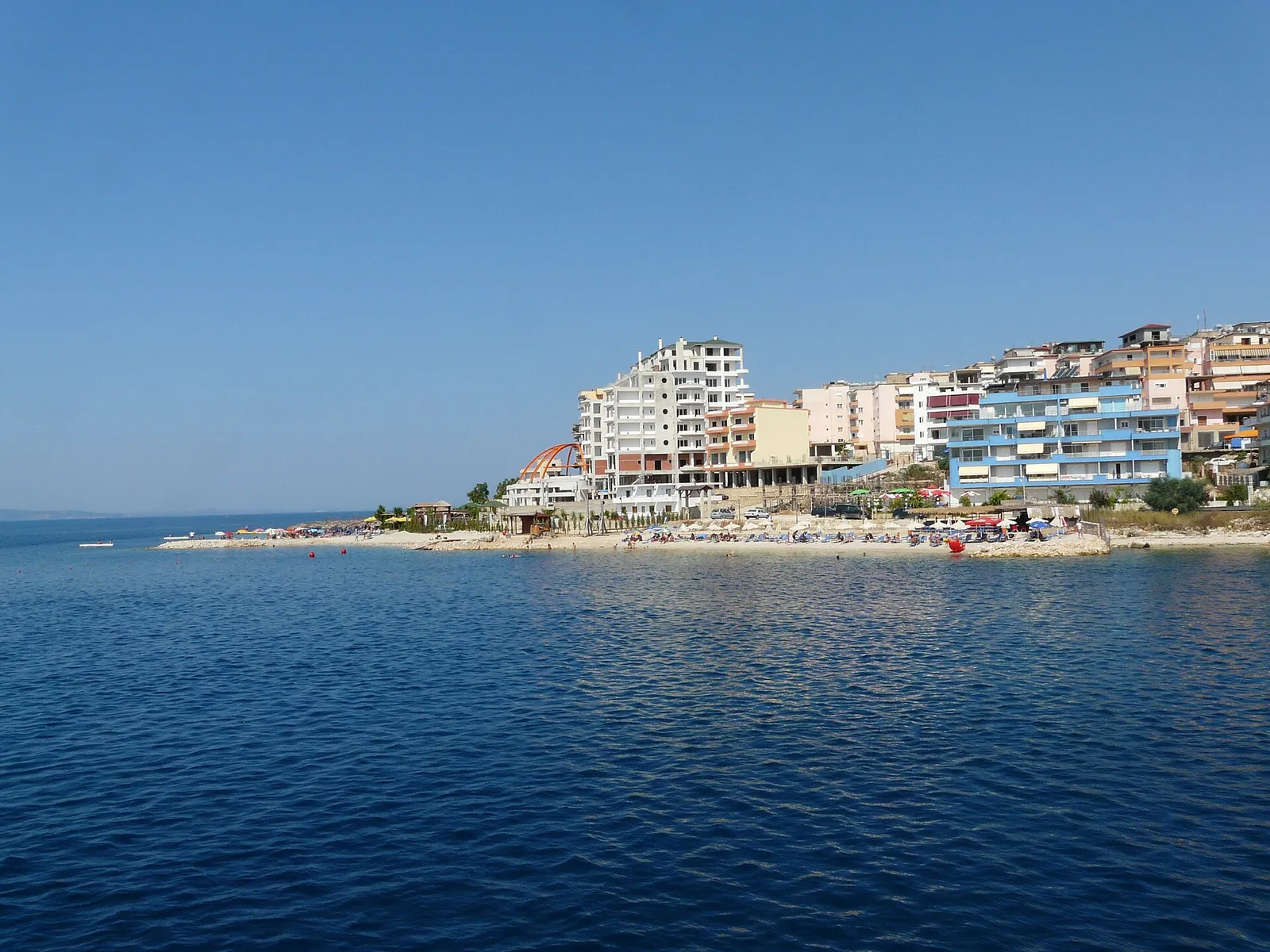
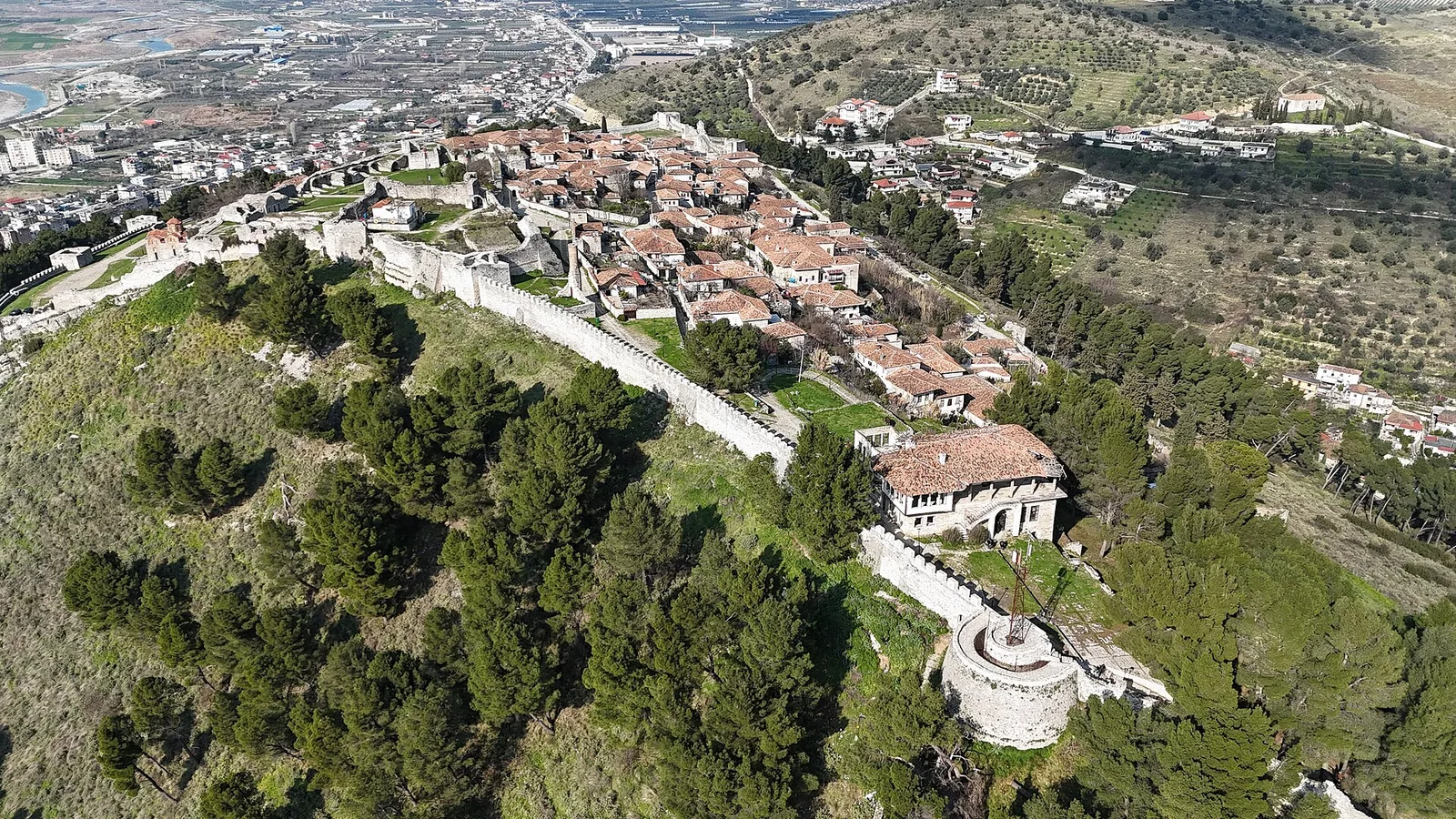
To picture it: fly into Tirana, pick up the car, and head south. Cross the spectacular Llogara pass to the Riviera, basing a few nights around Dhërmi or Himarë, then continue to Saranda and Ksamil for the islands, the Blue Eye and Butrint. Loop back inland through the stone town of Gjirokastër and the UNESCO old town of Berat, then return the car in Tirana. That week alone shows why the car is the hero of any Albania trip, and every mile of it is a bargain.
Give that loop seven nights rather than five if you can, and resist the urge to move hotel every night. Two coastal bases and one inland stop is the shape that works, because the driving is the slow part and the swimming is the point.
If you would rather not drive
Plenty of people have a wonderful trip without a car, and there is no shame in deciding the mountain roads are not your idea of a holiday. Furgons and intercity buses cover the main towns cheaply, if informally, and they are perfectly workable if you base yourself in two or three places rather than chasing remote coves.
The middle path is to go carless most of the time and buy the specific days you need: a boat trip for the coves that have no road, an organised day tour for the inland sites, or a driver for a day to cover a long transfer without doing it yourself. On a short trip, that combination often costs less than a week of rental, insurance and fuel, and it removes the parking problem entirely.
The short version
Rent a car in Albania and the whole country opens up. It is cheap, the roads are better than their reputation, and the freedom to reach the coves, villages and passes that buses never touch is worth every euro. Book ahead for summer, check the deposit and the fuel policy before you sign, ask specifically about tyres, glass and gravel, arrange any border crossing in advance, carry your papers for the checkpoints, halve the distance you would drive at home, and stay off the mountain roads after dark. Do that, and the driving becomes one of the best parts of the trip.
Are you driving the whole loop, or picking up a car just for the coast?