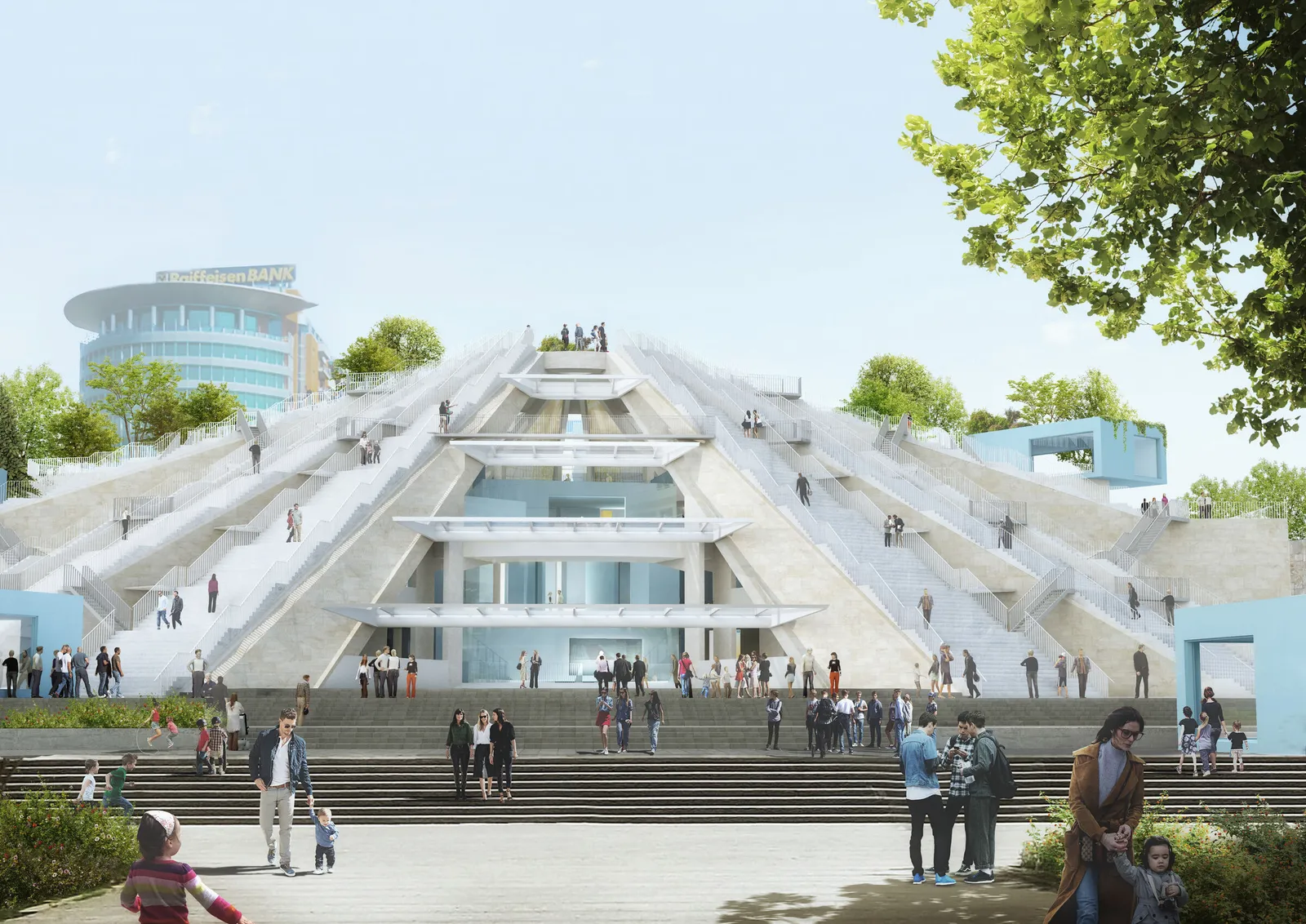
Tirana is a capital that catches everyone off guard. A generation ago it was grey and closed off; today it is one of the most colourful, energetic and downright fun cities in Europe, where communist-era relics sit beside painted tower blocks, third-wave coffee and a nightlife that runs till dawn. It is compact, cheap, safe and endlessly surprising, and it makes the perfect start or end to any Albania trip. Here is everything worth doing.
Getting in from the airport
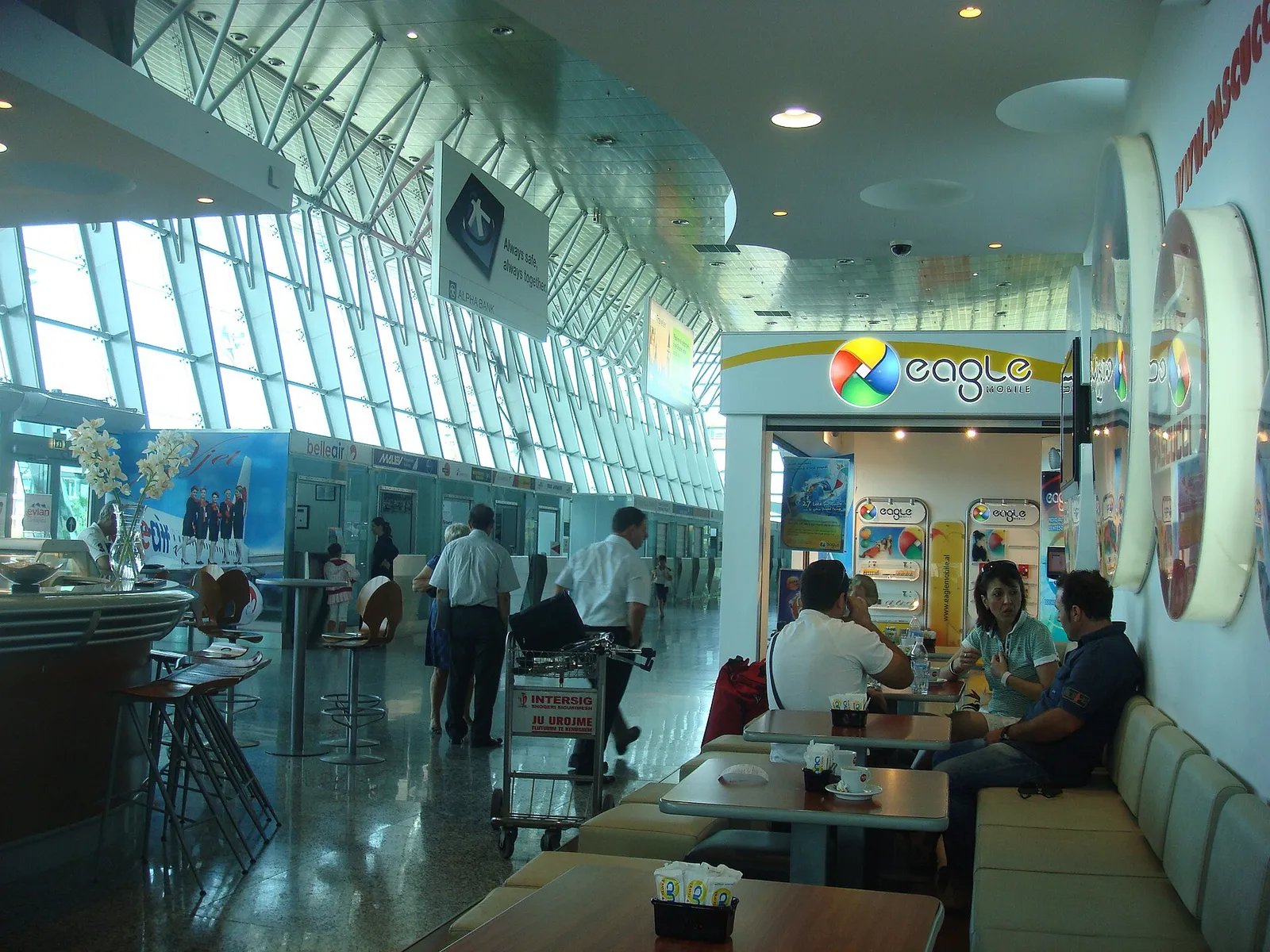
The international airport sits a short drive north of the city, and the journey in is straightforward rather than glamorous. There is a scheduled bus into the centre that costs very little, along with taxis and pre-booked transfers, and which one suits you depends mostly on your arrival time and how much luggage you are wrestling with. Our guide to Tirana airport transfers walks through the options, the rough costs and the late-night catch, which is that the bus does not run around the clock.
One habit worth adopting on arrival: agree the fare before you get into an unmetered taxi, or use one of the ride-hailing apps that operate in the city. It is not that drivers are dishonest, it is that a price agreed in advance removes an argument at the end of a long travel day.
Skanderbeg Square and the colourful centre
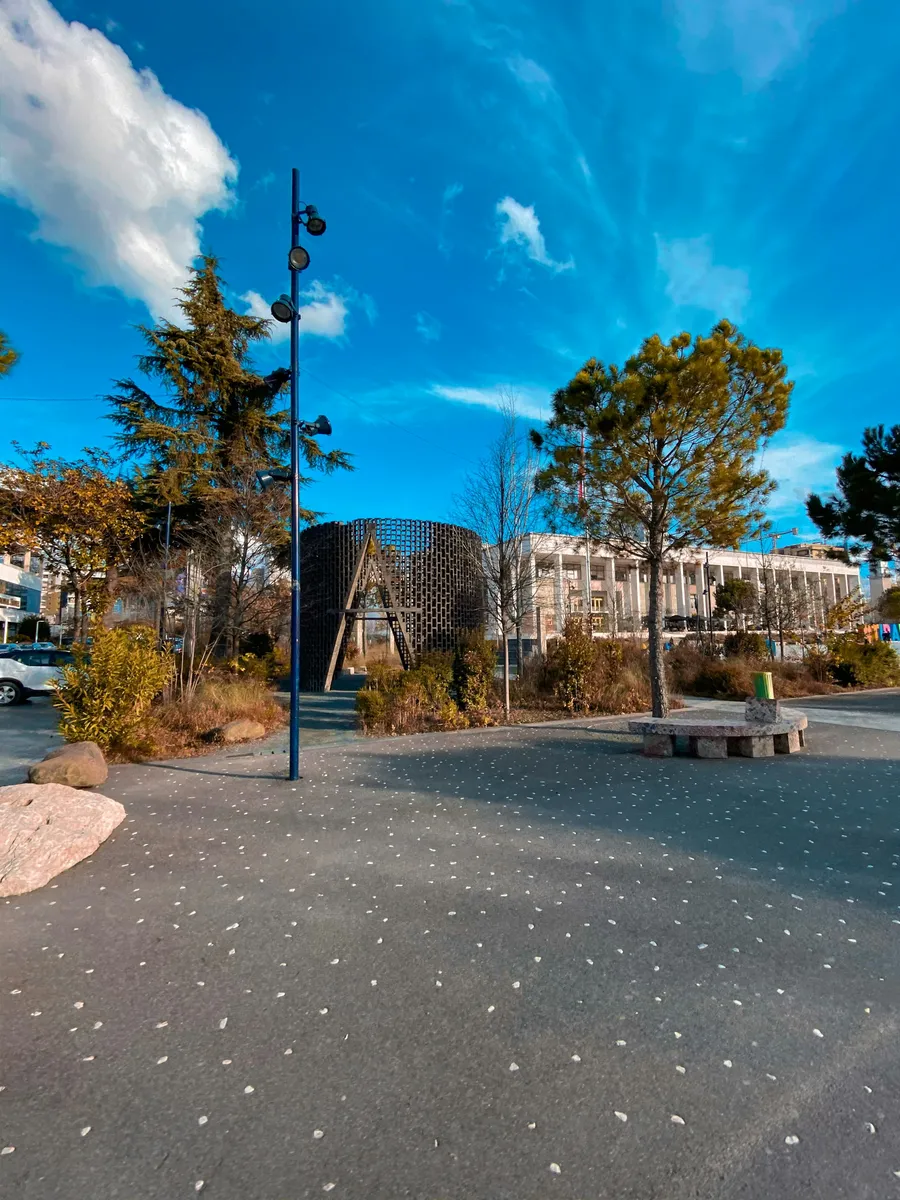
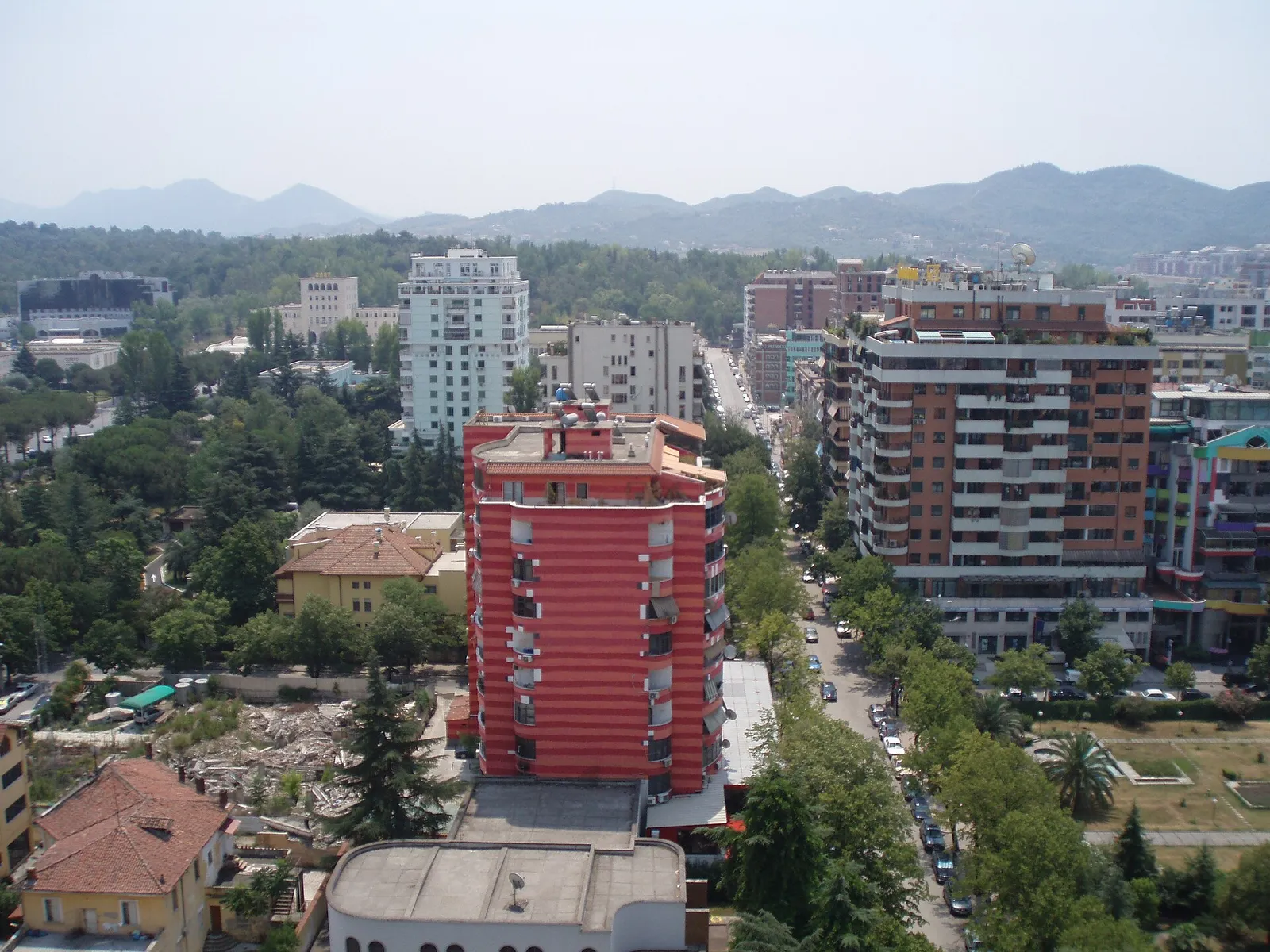
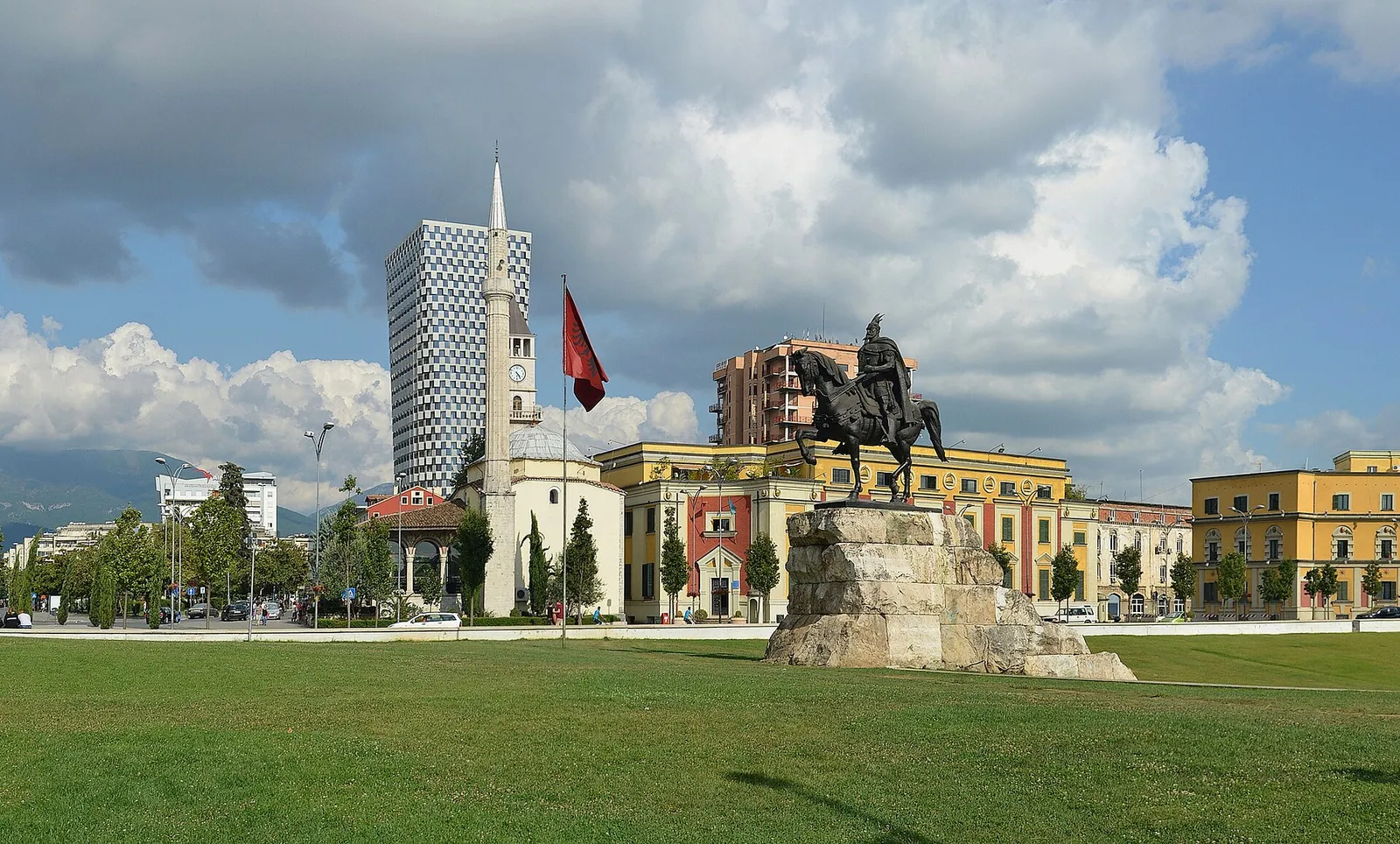
Start where the city does, at vast Skanderbeg Square, the pedestrianised heart named for Albania’s national hero, whose statue rides across it. Around the edges stand the National History Museum with its huge socialist-realist mosaic, the elegant Et’hem Bey Mosque, the Opera House and the clock tower you can climb for a view. The square itself is a great piece of modern urban design, all open space and fountains, and the streets radiating off it show off the city’s famous painted buildings, drab blocks splashed in bold colour by a former mayor to lift the mood. Simply wandering here is half the fun.
The square is also the best short lesson in what makes Albania unusual. Within a few minutes’ walk you pass a mosque, an Orthodox cathedral and a Catholic church, and nobody finds that remarkable. Religious coexistence here is genuine and long-standing, and it is one of the first things Albanians will tell you about their country if you ask.
Diving into the communist past
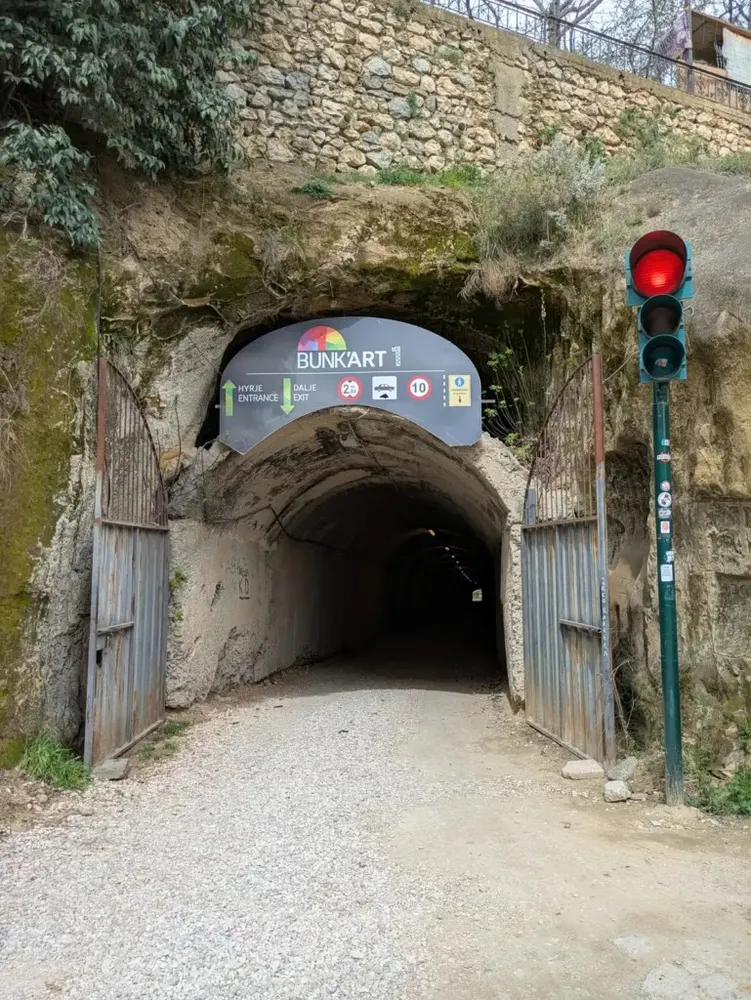
Tirana’s most powerful sights confront its dictatorship years, and they are essential. Bunk’Art, set in a colossal nuclear bunker built for the regime’s elite, is now a haunting museum of history and art (there are two branches, Bunk’Art 1 on the edge of town and the smaller Bunk’Art 2 in the centre). The nearby House of Leaves, the former secret-police surveillance HQ, tells the chilling story of a spied-on nation. Together with the eerie concrete Pyramid of Tirana, built in the 1980s as a museum glorifying the dictator Enver Hoxha and now reborn as a bright cultural space you can climb, they make the past vivid and unforgettable.
How to fit them together
These sites are heavy going, and stacking all three into one afternoon is more than most people want. The efficient plan is to pair Bunk’Art 1 with the Dajti cable car, since they sit near each other on the same side of town, and to keep Bunk’Art 2 and the House of Leaves for a central morning, as they are a few minutes’ walk apart.
Two practical notes. Bunk’Art 1 is genuinely large, cold underground even in August, and takes far longer than visitors expect, so allow more time than the map suggests and bring a layer. And these are not abstract museums to Albanians: the events they describe ended within living memory, which is worth carrying with you as you walk round.
Blloku: cafes by day, bars by night
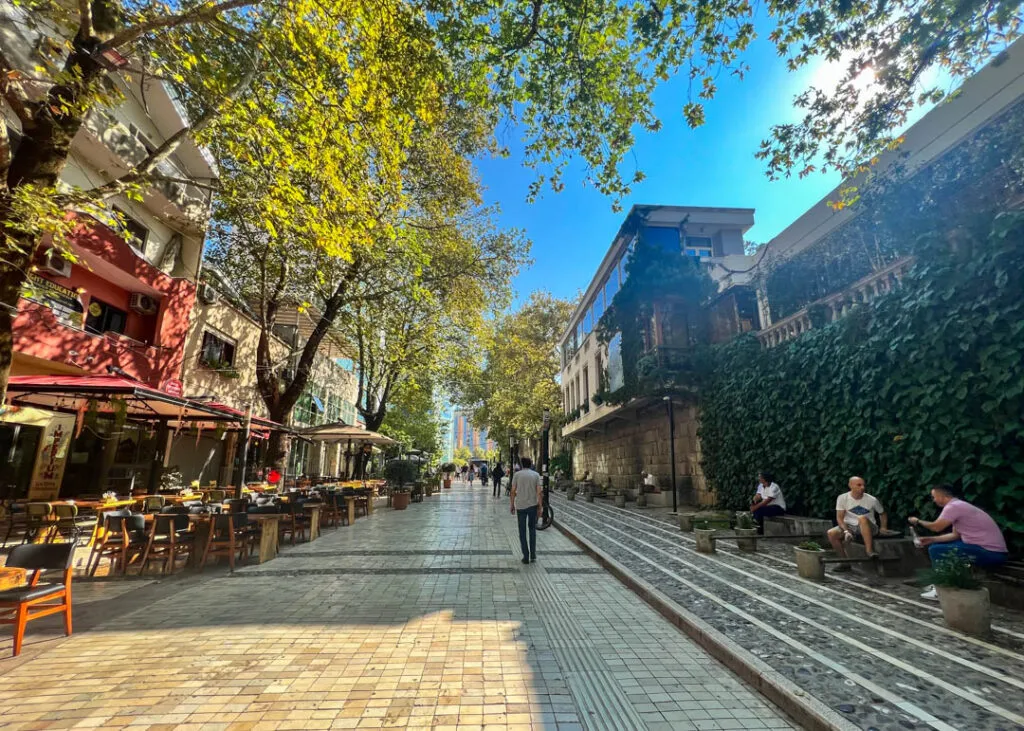
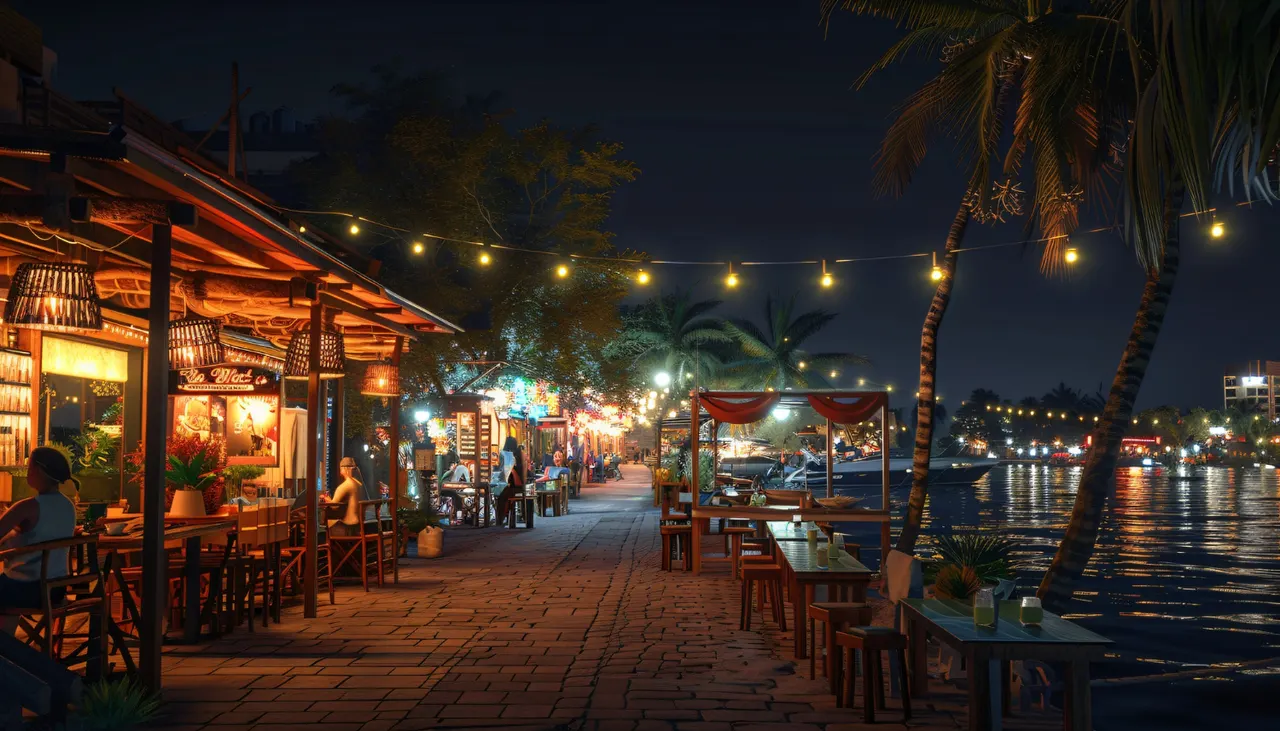
No visit is complete without time in Blloku, the compact district that was once sealed off for the communist elite and is now the beating heart of Tirana’s social life. By day it is all leafy streets, brunch spots and buzzing cafes, since Albanians take coffee seriously. By night it transforms into the city’s nightlife hub, packed with cocktail bars, wine terraces and clubs. Evenings here start late and unfold slowly, and it is all wonderfully cheap and safe. Even if you are not a night owl, a drink on a Blloku terrace is a lovely way to feel the city’s pulse.
The coffee culture deserves its own mention, because it is the single most Albanian thing about daily life here. People sit for a long time over one small cup, meetings happen in cafes rather than offices, and nobody will hurry you along. Order an espresso or a macchiato, take an outside table, and you have understood more about the city than any museum will tell you.
See the layers with a local guideA walking or history tour turns Tirana bunkers and painted blocks into a story that sticksUp Dajti mountain by cable car
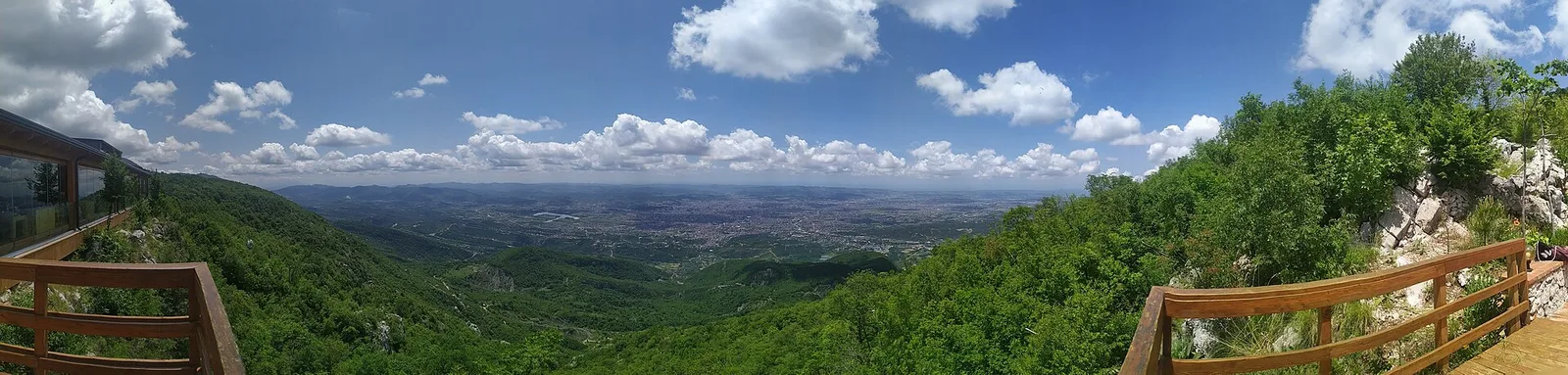
For a total change of pace, ride the Dajti Ekspres cable car, a 15-minute glide that lifts you from the edge of the city up Mount Dajti for a sweeping panorama over Tirana and the plain beyond. At the top there are walking trails, a restaurant, and cool mountain air that is a blessing in the summer heat. It is one of the best-value half-days in the city, especially at golden hour, and a favourite escape for locals at the weekend.
Check before you set out, because the cable car does not run in high wind and its operating days and hours change with the season. Take a layer even in midsummer: the temperature difference between the city and the summit is significant, and it is the one place near Tirana where a July afternoon can feel genuinely cool.
Eating and drinking well
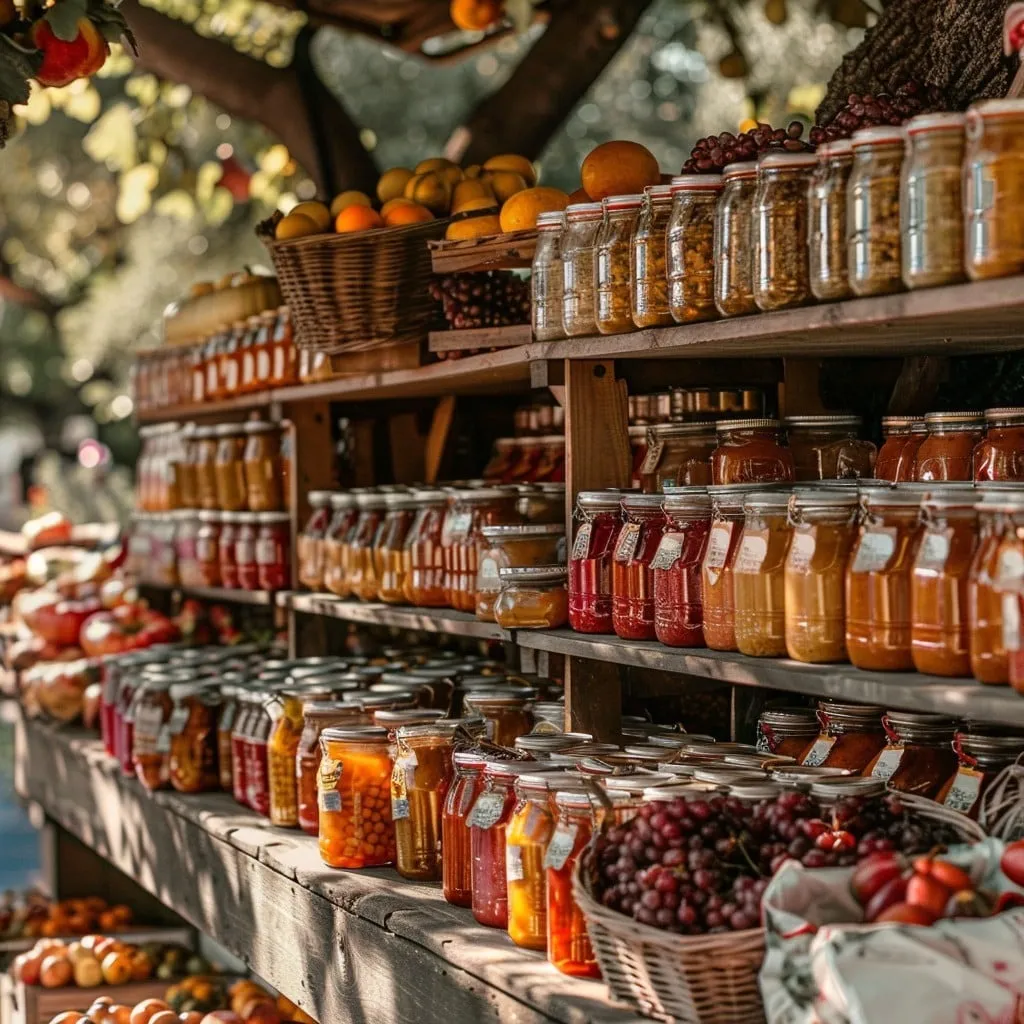
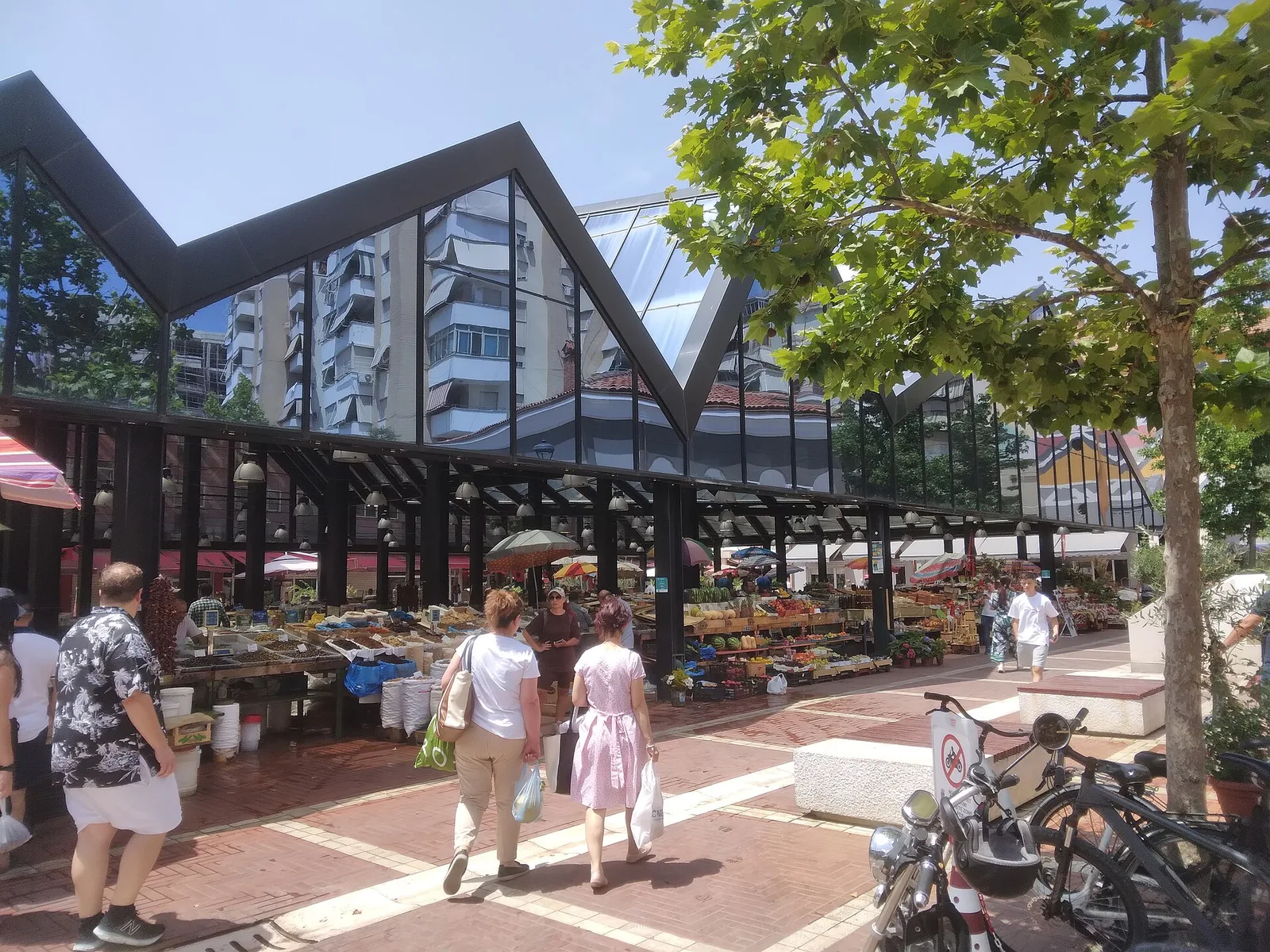
Tirana is a fantastic and absurdly cheap place to eat. Start the day with byrek from a bakery, graze the traditional tavernas for tavë kosi, fërgesë and grilled meats, and explore the growing crop of modern bistros around Blloku putting a fresh spin on Albanian ingredients. Don’t miss the Pazari i Ri (New Bazaar), a revamped market square ringed with restaurants, cafes and stalls of fresh produce, cheese, olives and spices, the best single spot to eat and browse. Finish, as locals do, with a strong coffee or a glass of raki.
What to order if you do not know where to start
Ask for tavë kosi, baked lamb under a soft yoghurt and egg crust, which is the national dish and better than that description makes it sound. Fërgesë is a rich pepper, tomato and cottage-cheese bake, served bubbling and eaten with bread. Byrek is the everyday pastry, filled with cheese, spinach or meat, and it is what most of the city eats for breakfast standing up.
Portions are large, grilled meat is excellent and inexpensive, and vegetables are genuinely good in season, which makes vegetarian eating easier here than the meat-heavy reputation suggests. Raki is the homemade spirit that will be offered to you, often on the house, and it is stronger than it looks.
Green spaces and easy day trips
When you need a breather, the Grand Park around the Artificial Lake is where Tirana comes to jog, stroll and picnic, a leafy loop just south of the centre. And the city makes a superb base for day trips: the castle and old bazaar of Krujë, the beach at Durrës, the mountain at Dajti, and, with a car, historic Berat further afield. Tirana rewards both the city days and the escapes from them.
Of those, Krujë is the one to prioritise on a short trip: a hilltop castle, a cobbled Ottoman bazaar that is still a working street of craft shops, and a museum to Skanderbeg himself, all reachable in under an hour. Berat, the town of a thousand windows, is a long day trip from Tirana and much better as an overnight stop if your itinerary can take it.
Where to stay and how to get around
Two areas do the job for almost every visitor. Around Skanderbeg Square puts the museums, the bazaar and the boulevard within a few minutes’ walk. Blloku trades some of that for cafes, restaurants and nightlife on the doorstep, at the cost of a noisier night. Both are walkable to everything else, and city stays here cost a fraction of what a comparable room costs in most European capitals.
Getting around is mostly a matter of walking, since there is no metro and the centre is flat and compact. City buses exist and are cheap but opaque to a visitor, while ride-hailing apps work well and cost very little. The genuine adjustment is the traffic: crossings are treated as a suggestion, and the safest technique is the local one, which is to cross deliberately alongside somebody who lives here.
Money, language and staying comfortable
The currency is the lek, and while cards work in hotels and larger restaurants, a great deal of daily life still runs on cash. Withdraw a sensible amount rather than making repeated small trips to a machine, since fees are charged per withdrawal. Prices are low enough that most visitors spend less than they budgeted.
Albanian is the language, English is widely spoken by younger people and anyone in tourism, and Italian is common among older generations. Tirana is a safe city by European standards, with low levels of the street crime that plagues bigger capitals, and the usual sensible habits are enough. Summer in the city is hot and there is limited shade in the centre, so the local rhythm of a long lunch and a late evening is worth copying.
How long to stay, and where Tirana fits
Two days is the honest answer for the city itself, three if you want a day trip in the middle. Tirana works best as the first or last stop of a bigger Albanian trip rather than a destination on its own, and it is the natural place to start because the airport is here and the roads south begin here.
If you are still assembling the wider route, our beginner’s guide to Albania covers the shape of a first trip, when to come and what it costs.
For an afternoon in the capital itself, our guide to shopping in Tirana covers the bazaar, the craft lane and what is worth carrying home.
The short version
Tirana is a joyful, offbeat capital that deserves two days: Skanderbeg Square and the painted centre, the powerful communist-era sites at Bunk’Art and the House of Leaves, the cafes and nightlife of Blloku, the cable car up Dajti, and superb cheap food at the tavernas and the New Bazaar. Pair Bunk’Art 1 with the cable car to save a journey, carry cash, walk everywhere, and give the coffee culture the time it deserves. It is compact, safe, cheap and full of energy, and it sets the tone for everything Albania has in store.
Is Tirana your first stop or your last, and how many days are you giving it?
The best half day out of the capital is a castle town half an hour up the mountain. Our guide to a day trip to Kruje covers the fortress, the old bazaar and the Skanderbeg museum inside the walls.