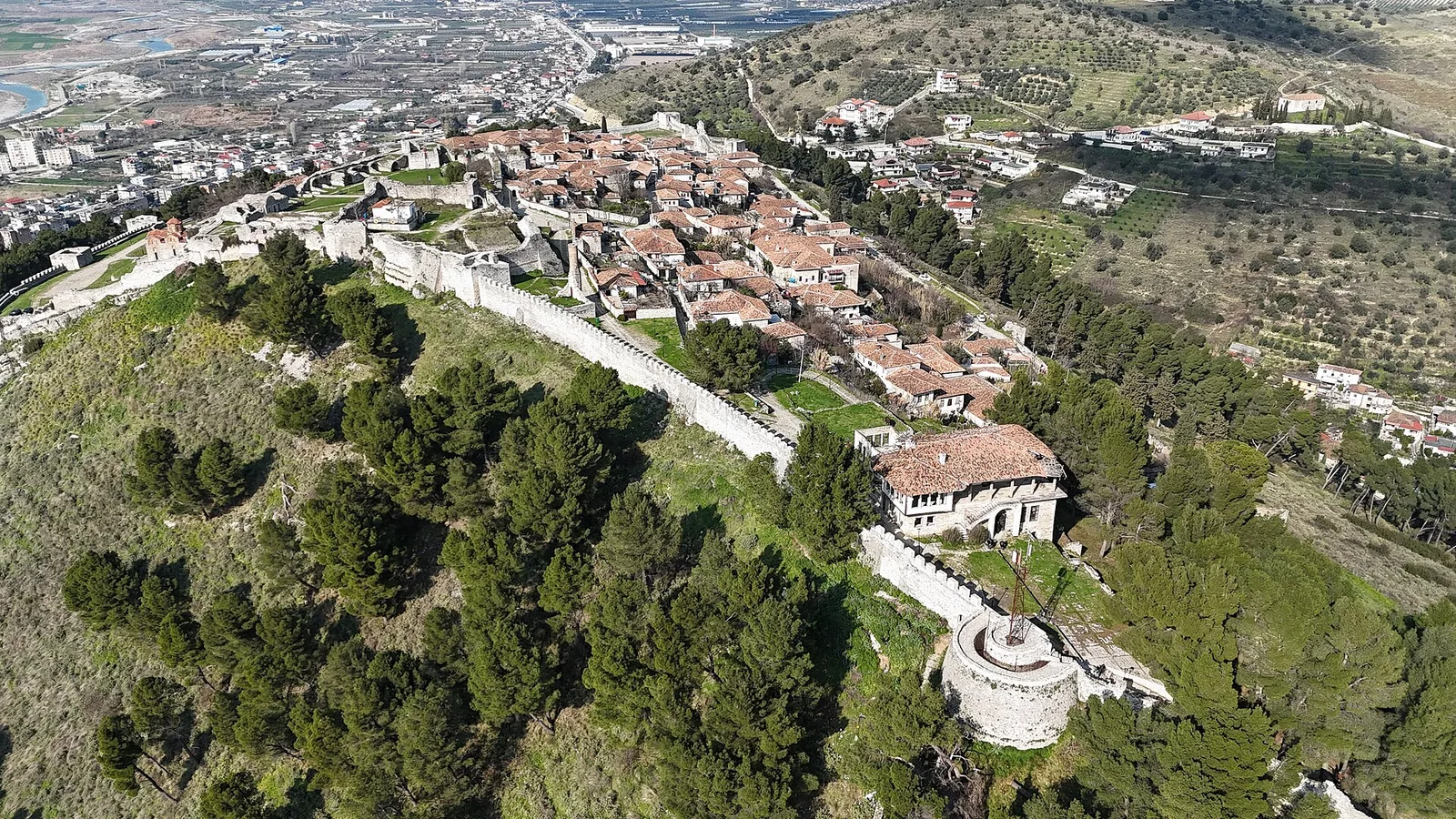
Albania is one of the safest-feeling countries in Europe to travel, and also one where travel insurance earns its keep. The things that make it special, wild mountains, a dramatic coast road, cheap boat days, a healthcare system that is still catching up, are the same things that turn a small mishap into a big bill if you are not covered. This guide walks through the real risks, what a good policy for Albania should include, and how to choose one without overpaying.
Why Albania specifically calls for insurance
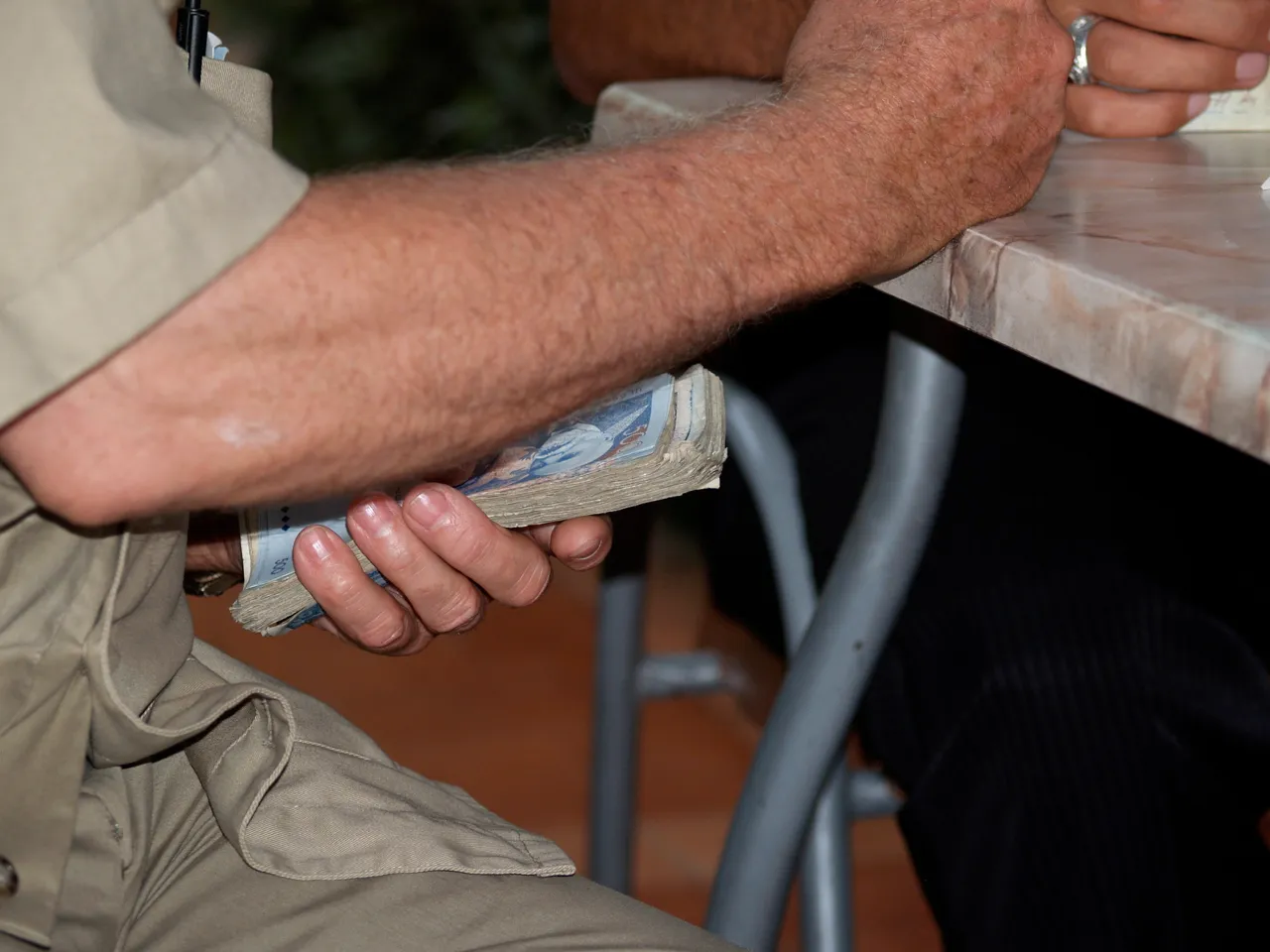
Albania is not in the EU, so European health insurance cards and most national reciprocal agreements do not apply here. Public hospitals exist, but outside Tirana they are basic, and even in the capital most travellers who need care end up in private clinics, paying upfront. For anything serious, the standard route is medical evacuation to Italy, Greece or home, and an air ambulance across the Adriatic runs into tens of thousands of euros. That is the core case for insurance: not the scraped knee, but the one bad day that would otherwise empty a savings account.
Mountains: the Accursed Alps and beyond
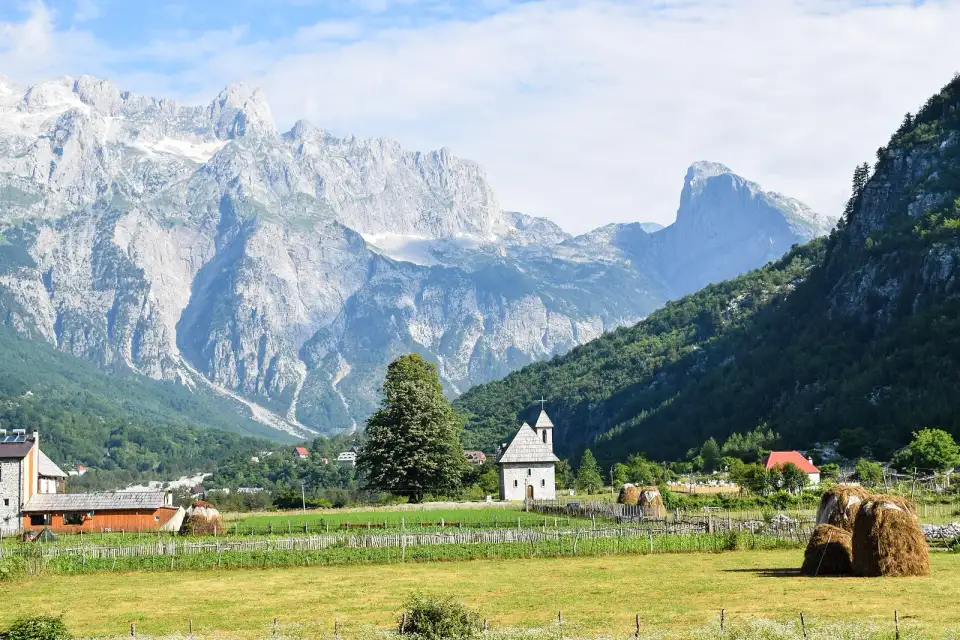
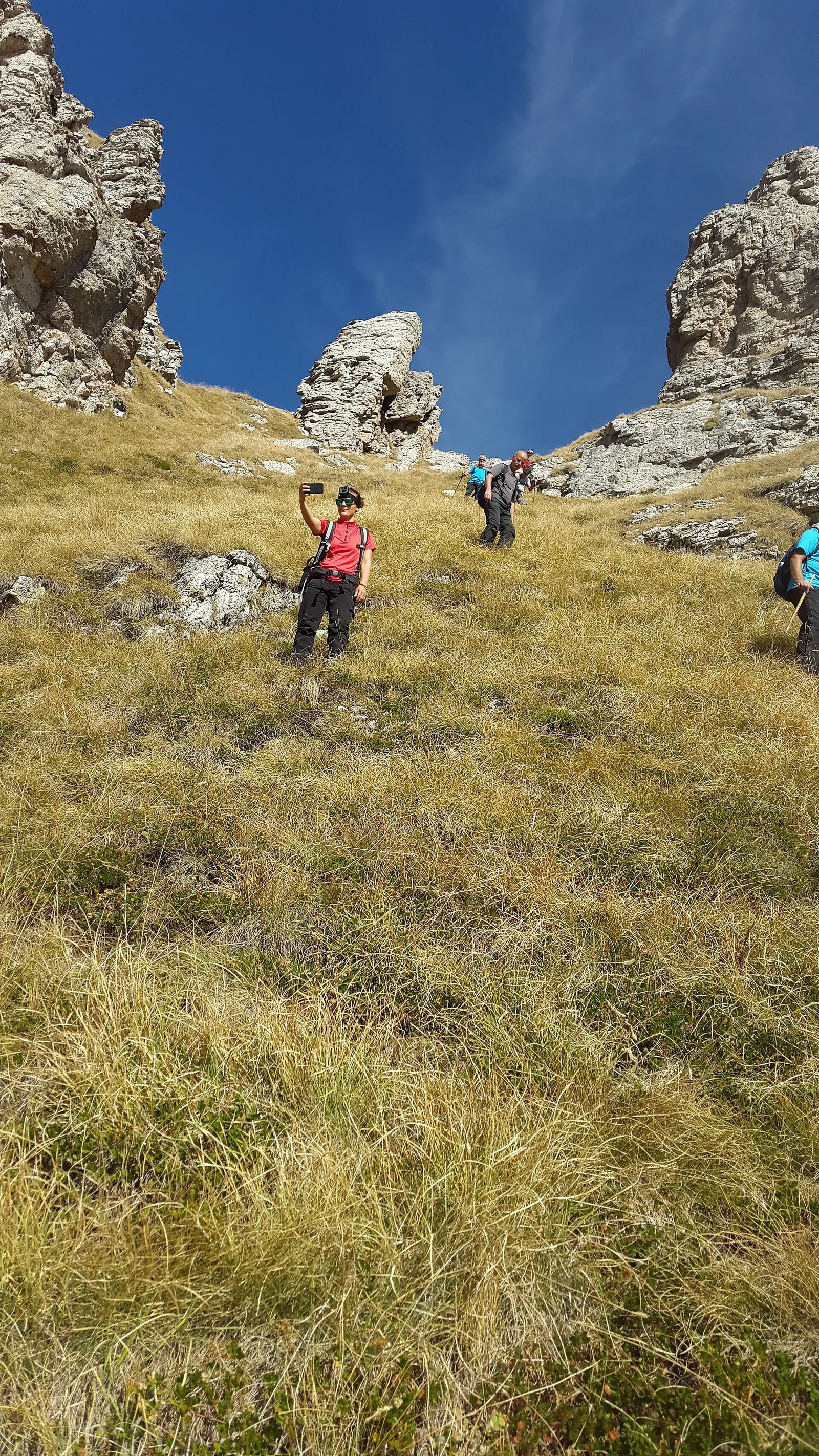
The north of the country is dominated by the Accursed Alps, and the famous Theth to Valbona crossing is now one of the great hikes of the Balkans. It is a real mountain day: a high pass, loose rock, fast-changing weather and long stretches with no road access, where a twisted ankle means a mule or a helicopter rather than a taxi. Two things matter in your policy here. First, that hiking or trekking is a covered activity, since some base policies exclude it entirely. Second, the altitude limit: many policies cap coverage around 2,000 or 3,000 metres, and the popular trails flirt with those numbers. If you plan bigger routes, buy the adventure add-on. Our Albanian Alps guide covers the trails themselves.
Roads: beautiful, winding and unforgiving
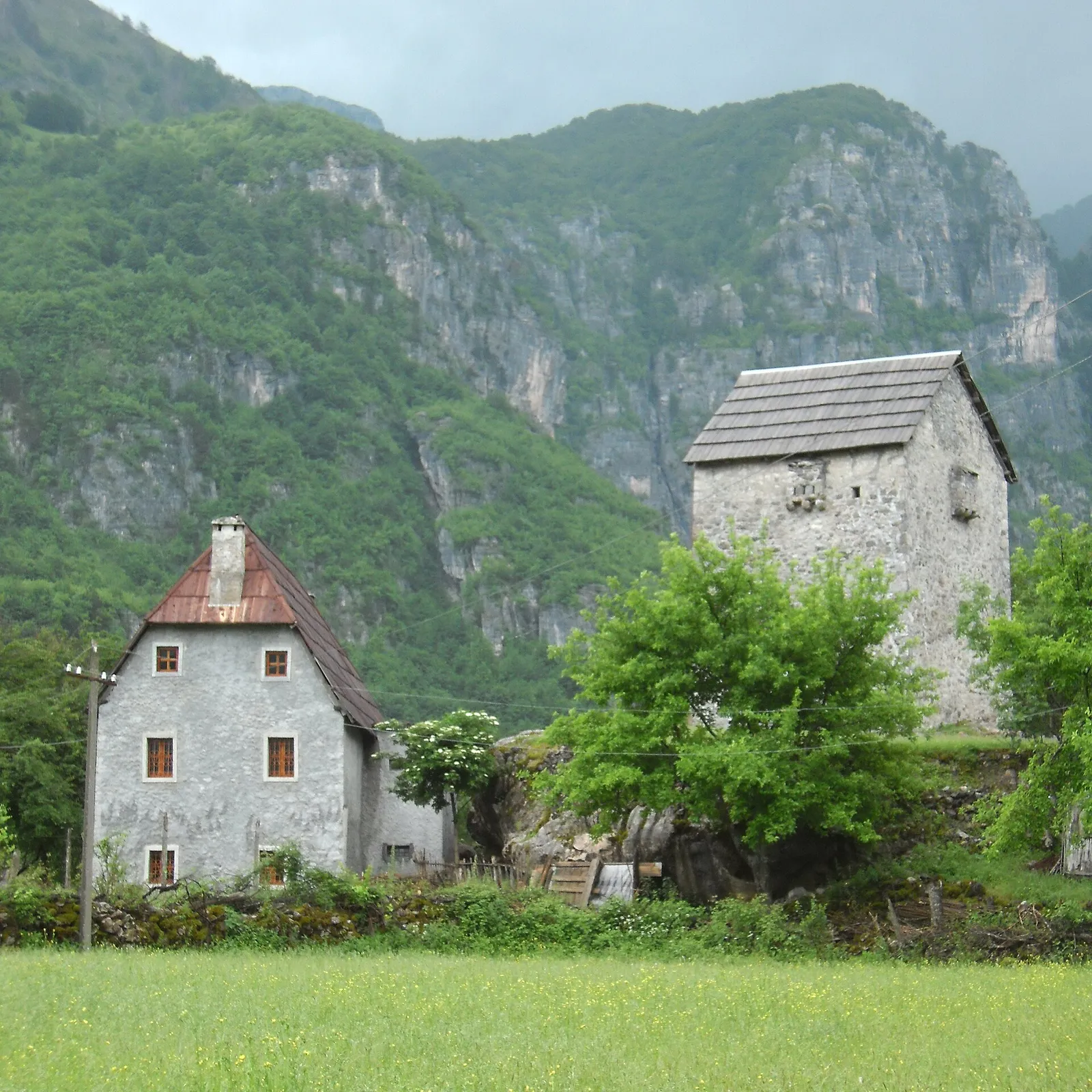
Driving in Albania is one of the joys of the trip, and also its most statistically real risk. The coastal SH8 over the Llogara pass is a run of hairpins with sheer drops, mountain roads narrow without warning, and local driving culture is assertive. Accidents are more common here than in Western Europe. Your travel insurance handles your medical care after a crash; the car itself is a separate question, covered by the rental company or a standalone excess policy, and many rental agreements exclude gravel roads, which Albania has plenty of. Read both documents before you drive, and see our guide to renting a car in Albania for the road-level details.
One clause catches people out on exactly the trip this country invites: crossing a border. A great many visitors pair Albania with its neighbour, and both the hire agreement and the policy need to say so, since cover that stops at the frontier is worth nothing on the far side of it. Our comparison of Albania and Montenegro covers how that combined trip usually gets built.
One policy, the whole tripMedical care, evacuation, theft and cancellations in a single plan that costs less than a boat dayWater: the Riviera side of the equation
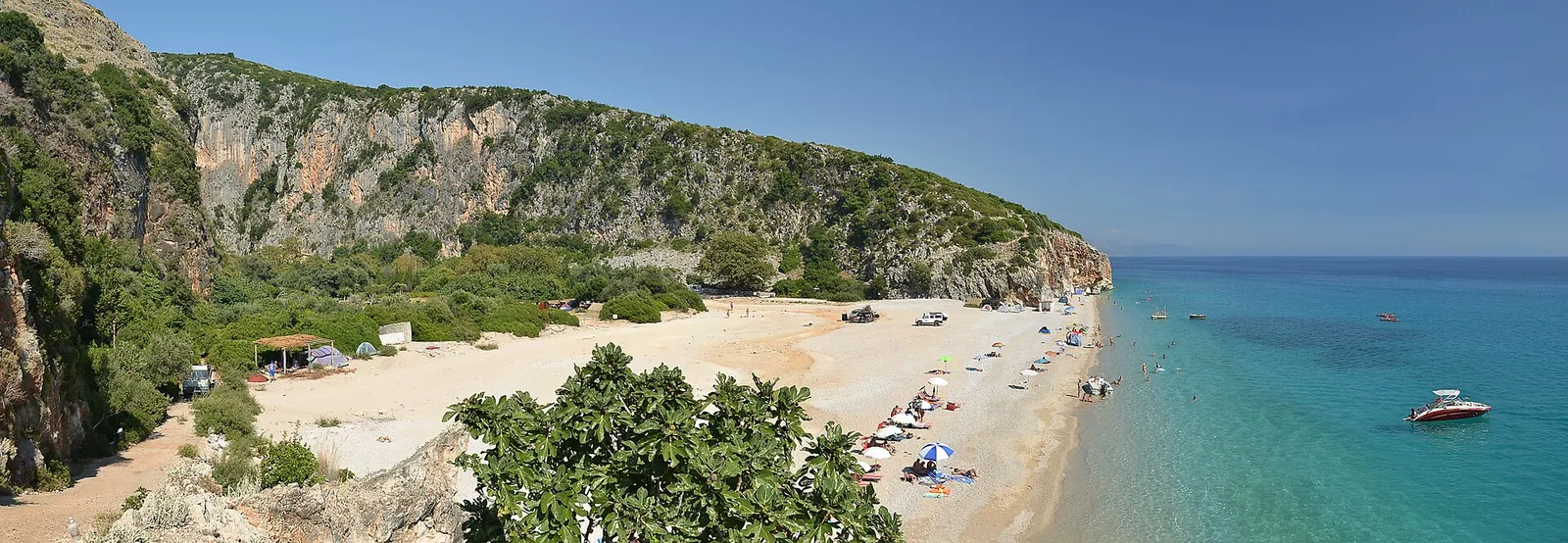
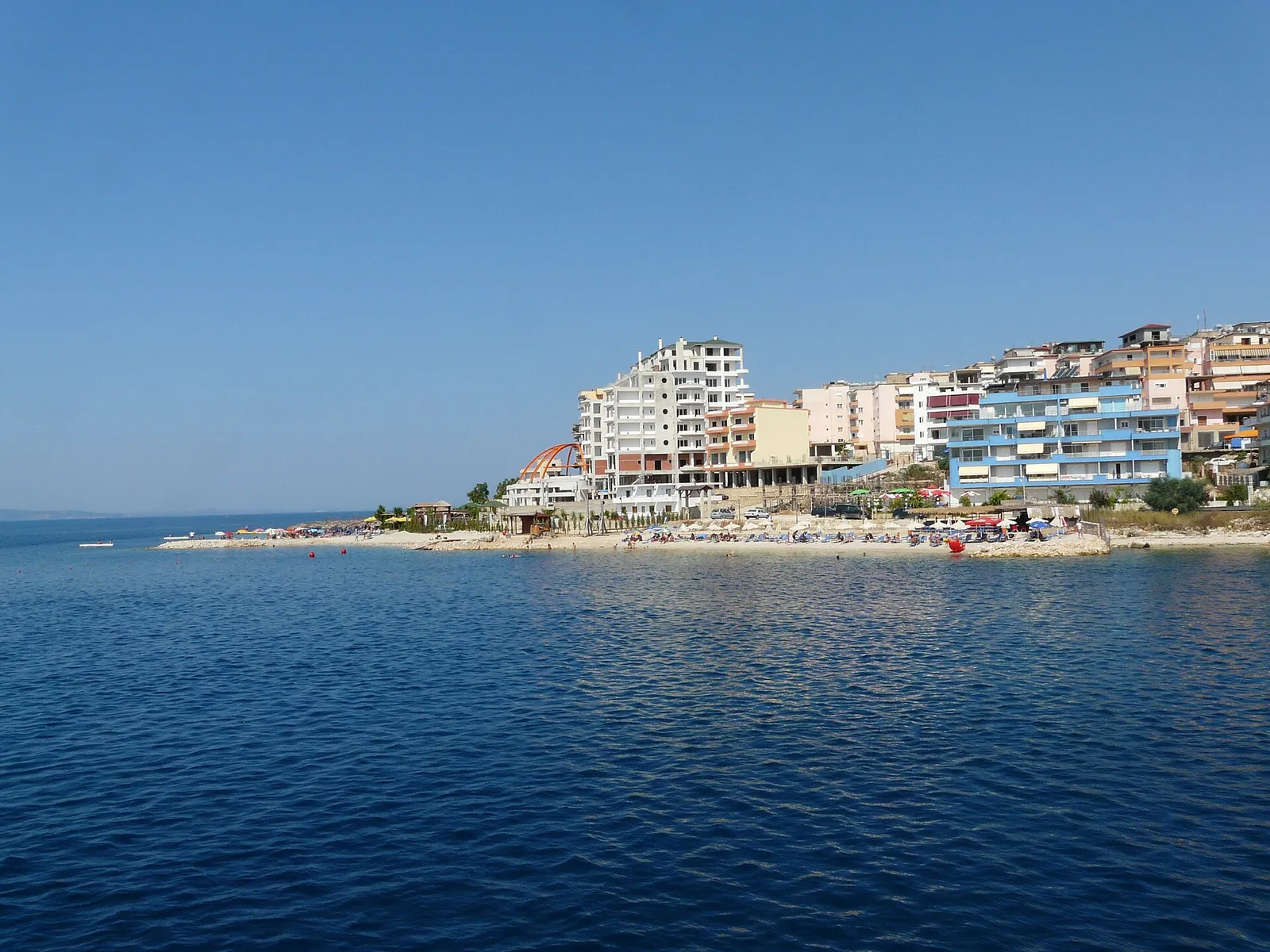
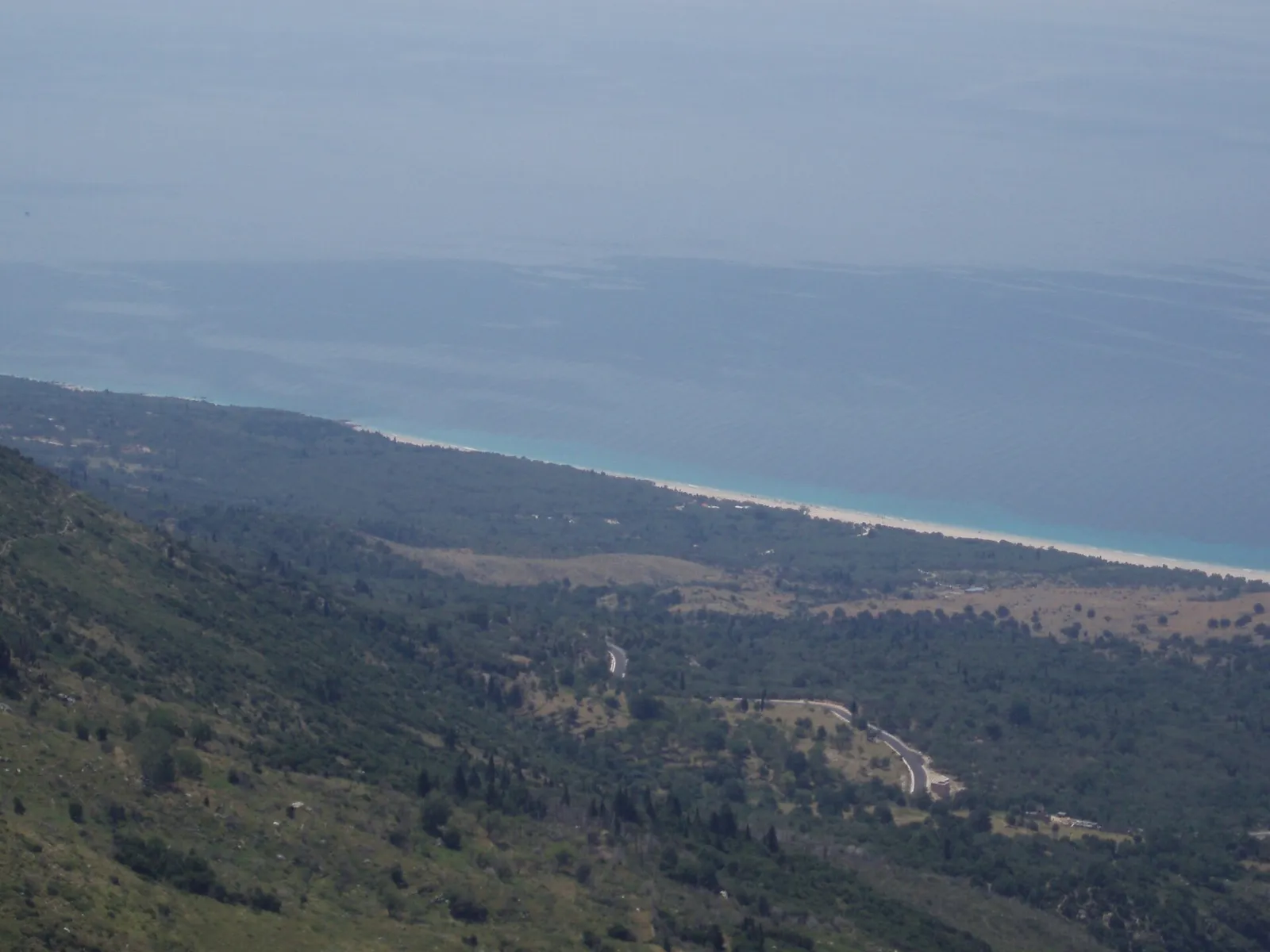
Summer on the Riviera means boat trips, kayaking, paddleboards, jet skis and cliff-adjacent swimming, and insurers treat these very differently. Swimming and kayaking are almost always covered; jet skis, diving and parasailing often are not unless you tick an add-on. If your plans include anything with a motor or a regulator, check the activity list before you buy rather than after the incident. It is also worth knowing that policies typically will not pay out if alcohol was involved, which matters on a coast where the beach bar is part of the scenery.
Clinics, evacuation and how a claim actually works
If something goes wrong, call your insurer’s 24-hour assistance line first, since they will direct you to an approved clinic in Tirana, Saranda or wherever you are, and can guarantee payment so you are not fronting large sums. Keep every receipt and report. For theft, you will need a police report filed within 24 hours for the claim to stand, plus proof you owned what was taken. It is unglamorous admin, but it is the difference between a paid claim and a rejected one.
Save the local emergency numbers alongside your insurer’s line, because the two work together rather than as alternatives: the local service gets you stabilised, the insurer decides where you go next and who pays. Our guide to emergency numbers in Albania covers which number does what and how the public and private systems split.
Choosing a provider
There is no single right answer, and international providers such as SafetyWing, World Nomads, Allianz and IMG all cover Albania, each with different strengths: some are built for long-term and adventurous travellers, others for families and package trips, others for high medical limits. Rather than crowning one, compare on the points that matter for this country: medical coverage of at least €100,000 with evacuation included, hiking covered to the altitude you will reach, watersports you actually plan to do, theft coverage that matches your gear, and a deductible you could pay without pain. For a one to two week trip, expect roughly €30 to €80 per person, a small line in a budget for a country this affordable, as our Albania cost breakdown shows.
The short version
Albania is safe, warm and welcoming, and still a place where the mountains are genuinely wild, the roads genuinely winding and the hospitals genuinely uneven. Buy a policy with strong medical and evacuation limits, check the hiking altitude and watersports clauses, keep the assistance number saved offline, and then forget about it and enjoy the trip. The best insurance is the kind you never think about again.