Search this question and you get two answers, both unhelpful. One is a wall of reassurance that mentions hospitality and stops. The other is a single alarming anecdote quoted back at itself across a dozen sites.
The reality sits between them, and it is specific enough to be useful. Albania is a good country to travel alone in, and it has one recurring friction that is worth knowing about in advance, because knowing about it is most of the work.
The short version
Three things, stated plainly.
Violent crime against visitors is rare. Albania’s reputation abroad is decades out of date and is not what the accounts of people actually travelling here describe. Walking around a town in the evening is normal and ordinary.
Hospitality towards foreigners is real. It is a cultural norm with a name and a long history behind it, not a tourist board slogan, and solo travellers consistently report being helped rather than hassled by the people whose job is not to sell them anything.
The recurring issue is persistent male attention. Comments, prolonged staring, being approached repeatedly, and having to decline more than once. It is mostly non threatening. It is also genuinely tiring, and pretending it does not happen is how these guides lose credibility.
What travellers actually report
Read enough first person accounts and the same shape emerges. Women describe feeling safe and describe being bothered, and they do not experience those as contradictory.
The attention is verbal and visual rather than physical in the overwhelming majority of accounts. It is more common from groups than from individuals, more common at night than in the day, and more common around bars and beach strips than anywhere else.
One widely shared account advises avoiding certain towns entirely. That is one traveller’s experience, and it is worth reading, but it is not consensus. The broader body of reports describes those same towns as pushy and busy rather than unsafe, and plenty of solo women have had a good time in them. Take it as a data point, not a verdict.
Where it concentrates, and where it does not
This is the part that turns a vague worry into a plan, because the distribution is not even.
Where it is reported most: the busiest coastal towns in peak season, specifically around nightlife strips, beach bars and promenades in July and August. High season, high alcohol, transient crowd. The same profile you would expect anywhere on the Mediterranean.
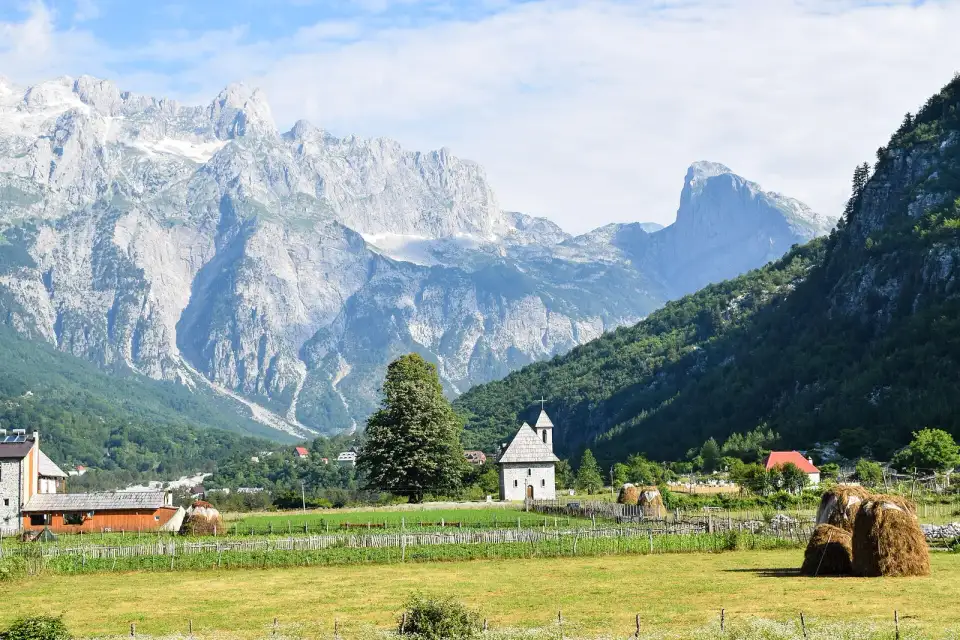
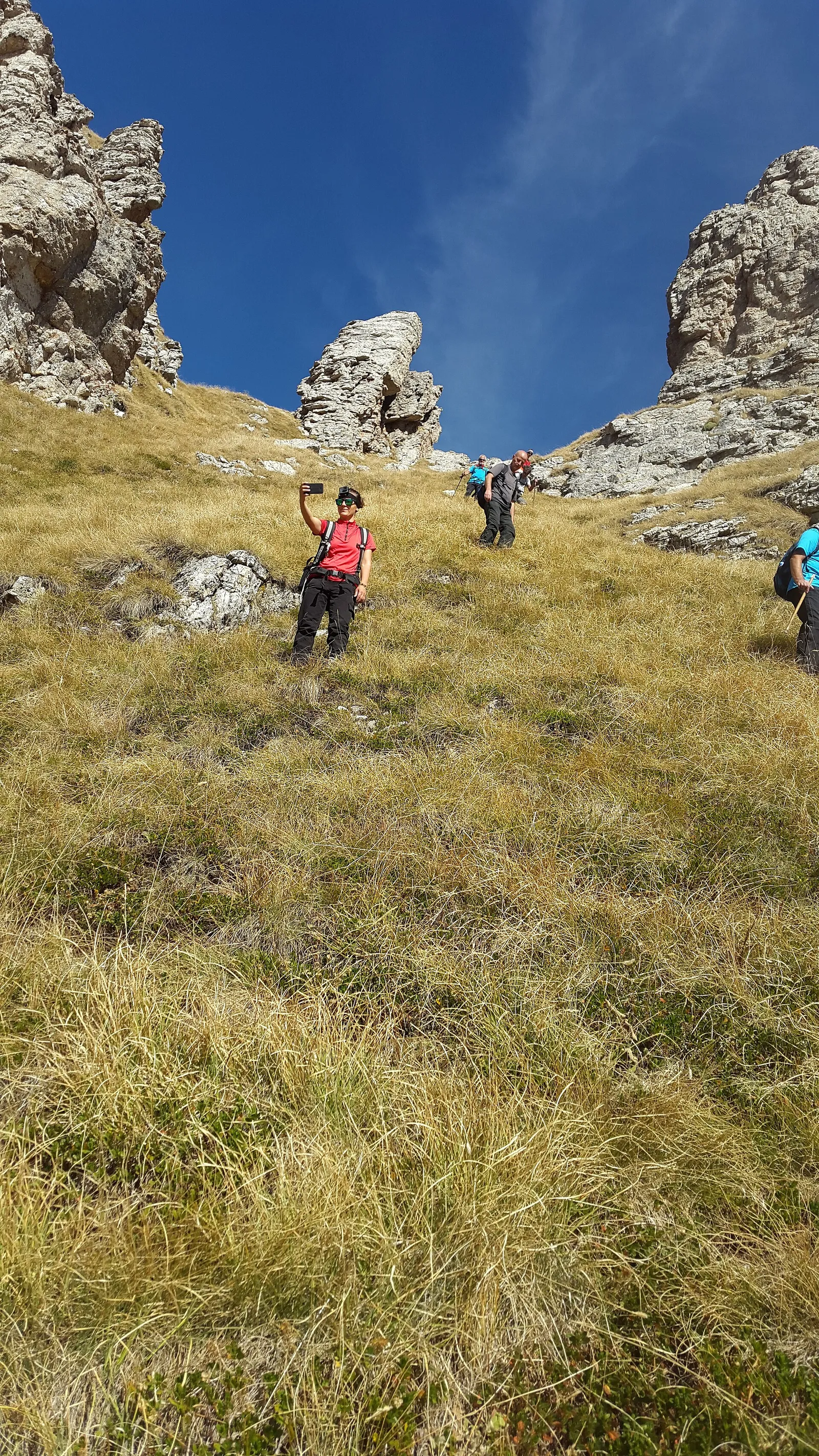
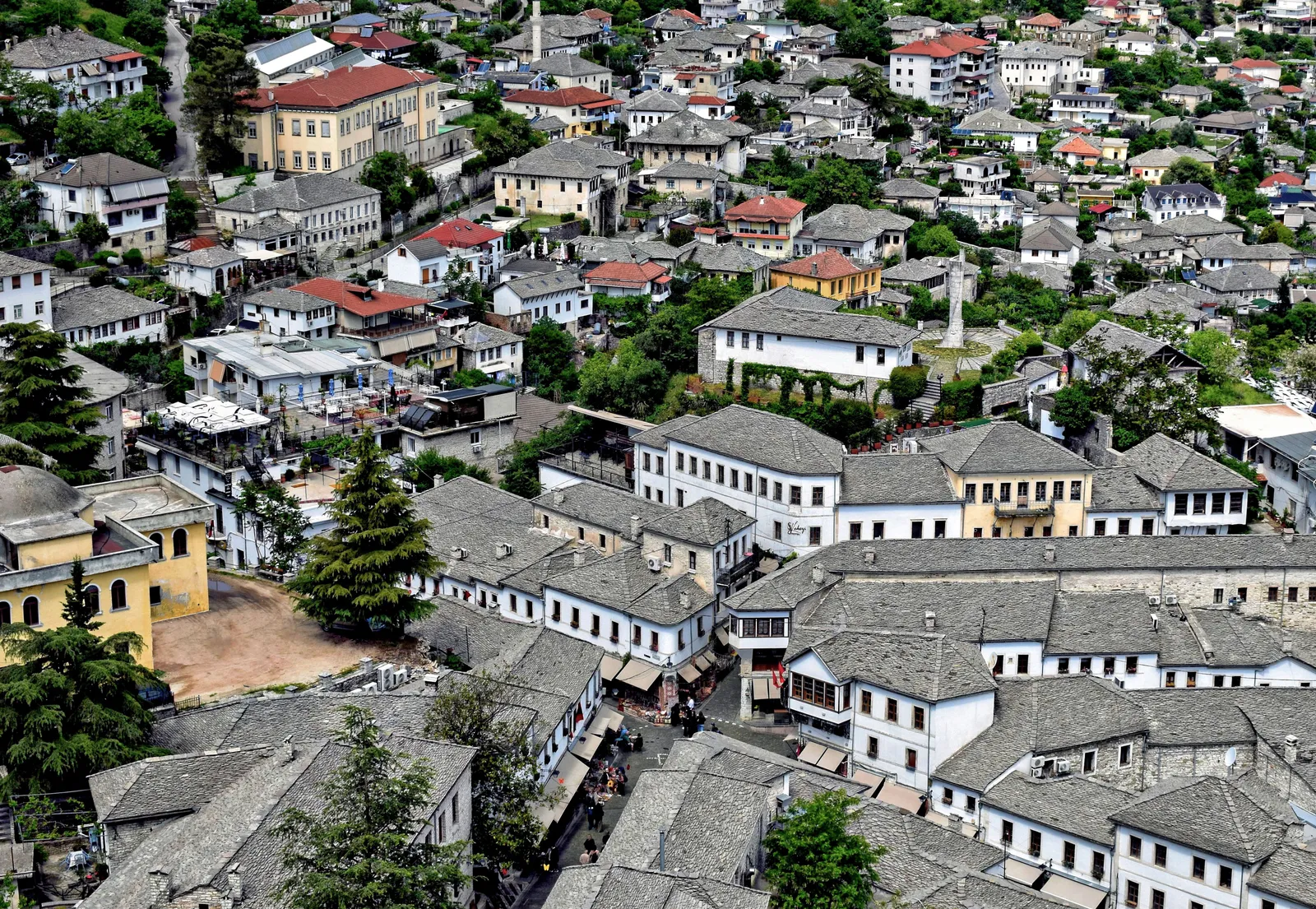
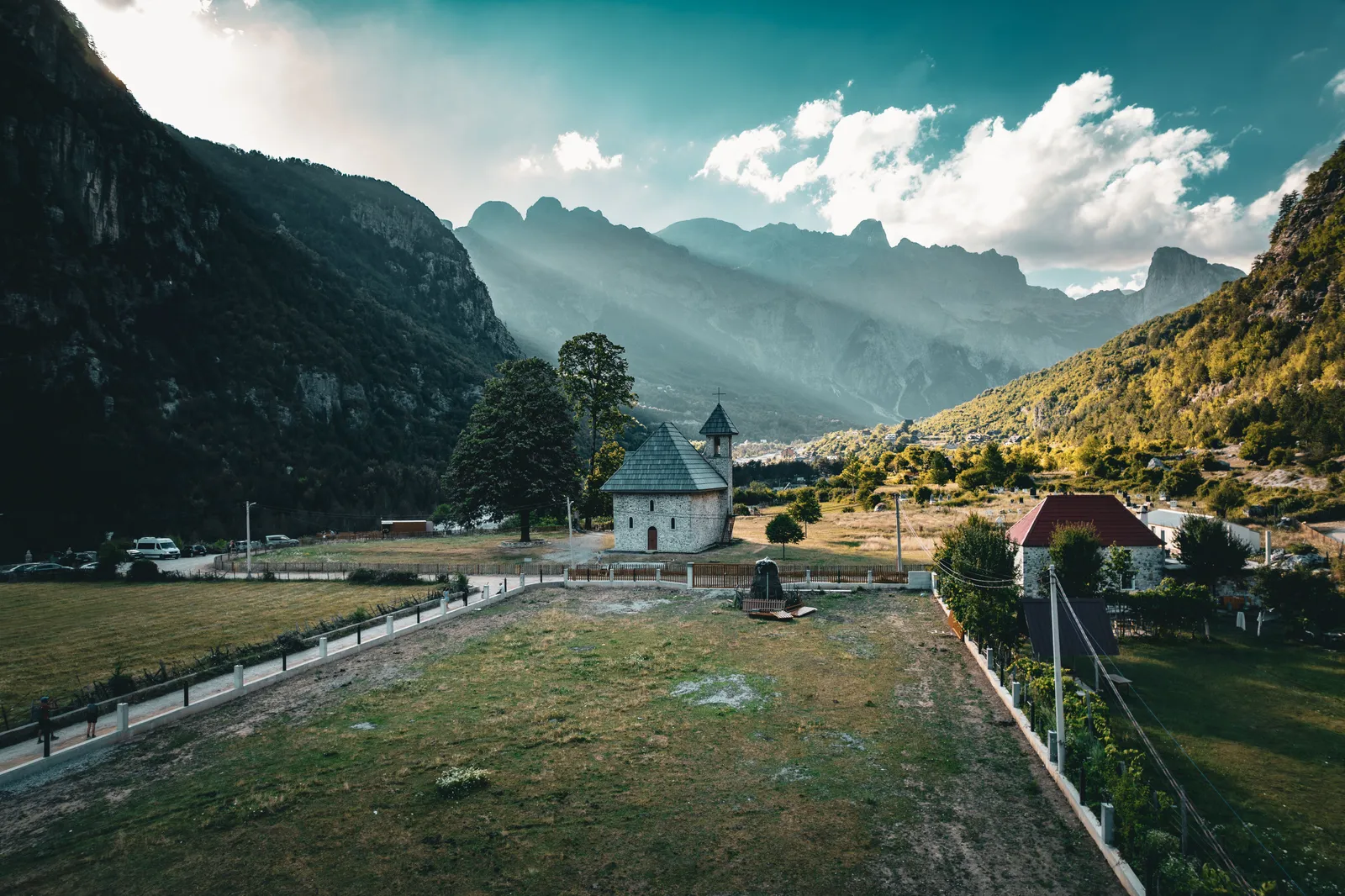
Where it is reported least: inland towns, the Ottoman old towns, family run guesthouses and the mountain villages. Travellers describe these as comfortable, low key and easy, and the mountains in particular come up again and again as the most relaxed part of a solo trip.
🔑 The practical read: if you build a trip that is not exclusively the peak coastal party circuit, you have already removed most of the friction. If the coast in August is exactly what you came for, go, and go in with the expectation set correctly.
There is a timing dimension to it too. The pattern the accounts describe is tied to the peak weeks and the nightlife economy that runs in them, so the same towns in June or September are a quieter proposition simply because there are fewer people and less of that scene operating. Moving a coastal week out of August is worth considering for more reasons than the price.
Health cover, and the gap that catches Europeans out
This is the single most consequential practical point in this article, and it has nothing to do with crime.
An EHIC or a UK GHIC does not cover you in Albania. Those cards apply to state healthcare within the EU, and for the GHIC to a defined list of countries, and Albania is outside that arrangement. EU and British travellers are the ones caught out here, because they are covered almost everywhere else they go in Europe and reasonably assume the card travels with them.
Everyone else never had that cover in the first place. Travellers from the US, Canada, Australia, New Zealand, South Africa and elsewhere should assume they are paying for treatment unless their own policy says otherwise.
It matters more for a solo trip than a group one, because there is nobody with you to organise things if you are the one in the hospital. What a policy needs to actually say, including the clauses on hiking altitude and hire cars, is in our guide to travel insurance for Albania.
 Your European health card does not work hereAlbania sits outside the EHIC and GHIC arrangement entirely
Getting around on your own
Public transport is straightforward and is how a lot of solo travellers cover the country.
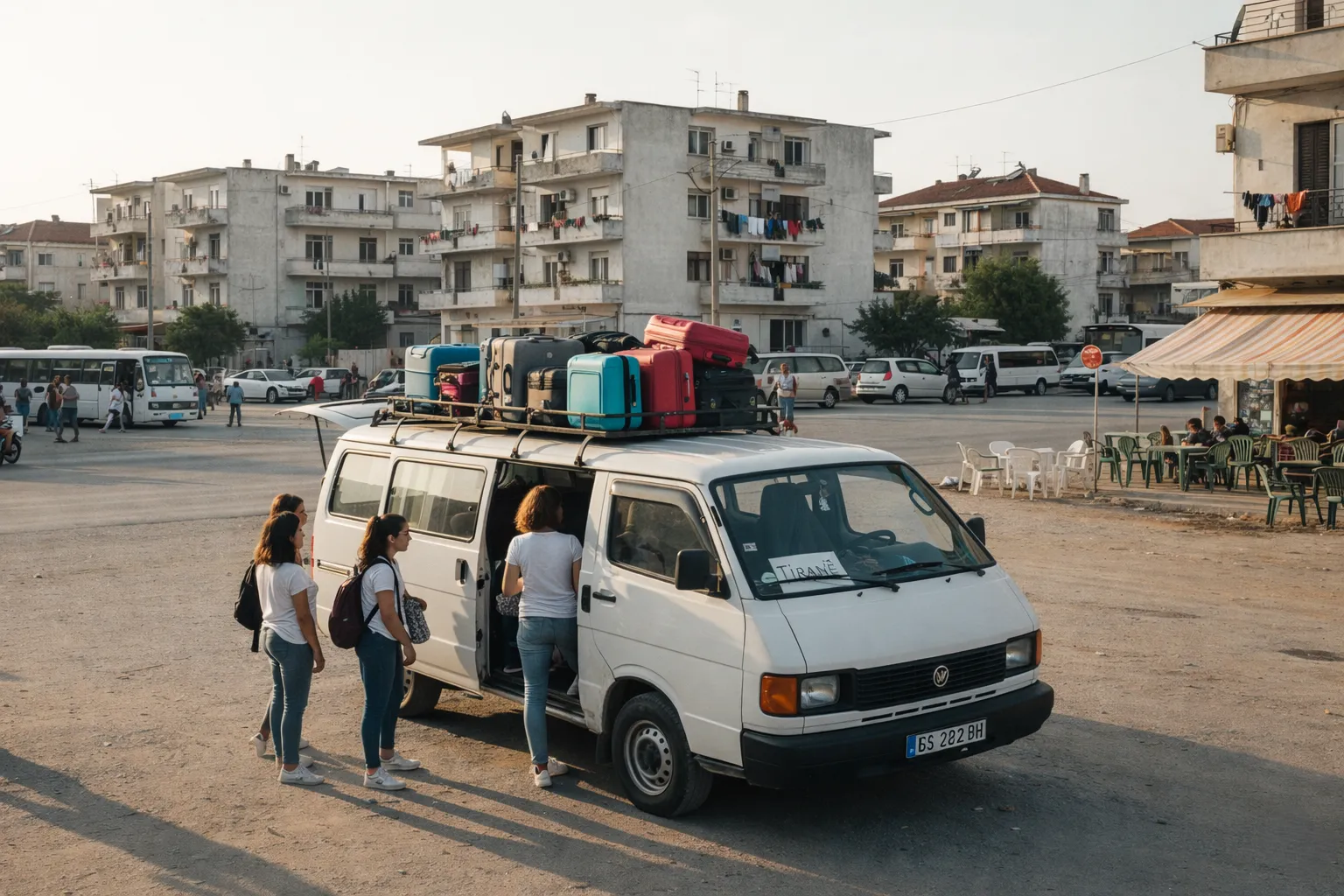
The shared minibuses, furgons, are ordinary local transport: families, students, people going to work. Drivers are generally helpful about luggage and about telling you where to get off. The difficulties are logistical rather than about safety, since departures often go when full rather than to a timetable and information is informal. How the system actually works is covered in our guide to public transport in Albania.
Two habits are worth keeping. Arrive before dark where you can, particularly in smaller towns where the last stretch may be an unlit walk. And use taxis booked through an app or arranged by your accommodation at night rather than flagged in the street, which is standard practice anywhere.
Habits that make the difference
None of this is Albania specific. All of it lowers the friction.
Be unambiguous. A polite but flat no, once, and then disengagement. Softening it to be nice tends to prolong the conversation rather than end it.
Use the guesthouse. Family run places are the most useful safety infrastructure in the country. Ask them about the walk back, the taxi, the trail, the bus. They will tell you straight.
Keep the numbers ready. Save the emergency contacts before you need them and know which one does what, which our guide to Albania’s emergency numbers sets out.
And keep the frame right. The thing you are managing here is nuisance, not menace. Albania is one of the easier countries in Europe to travel alone in, and it has a specific, predictable, avoidable irritation attached to a specific kind of place at a specific time of year.