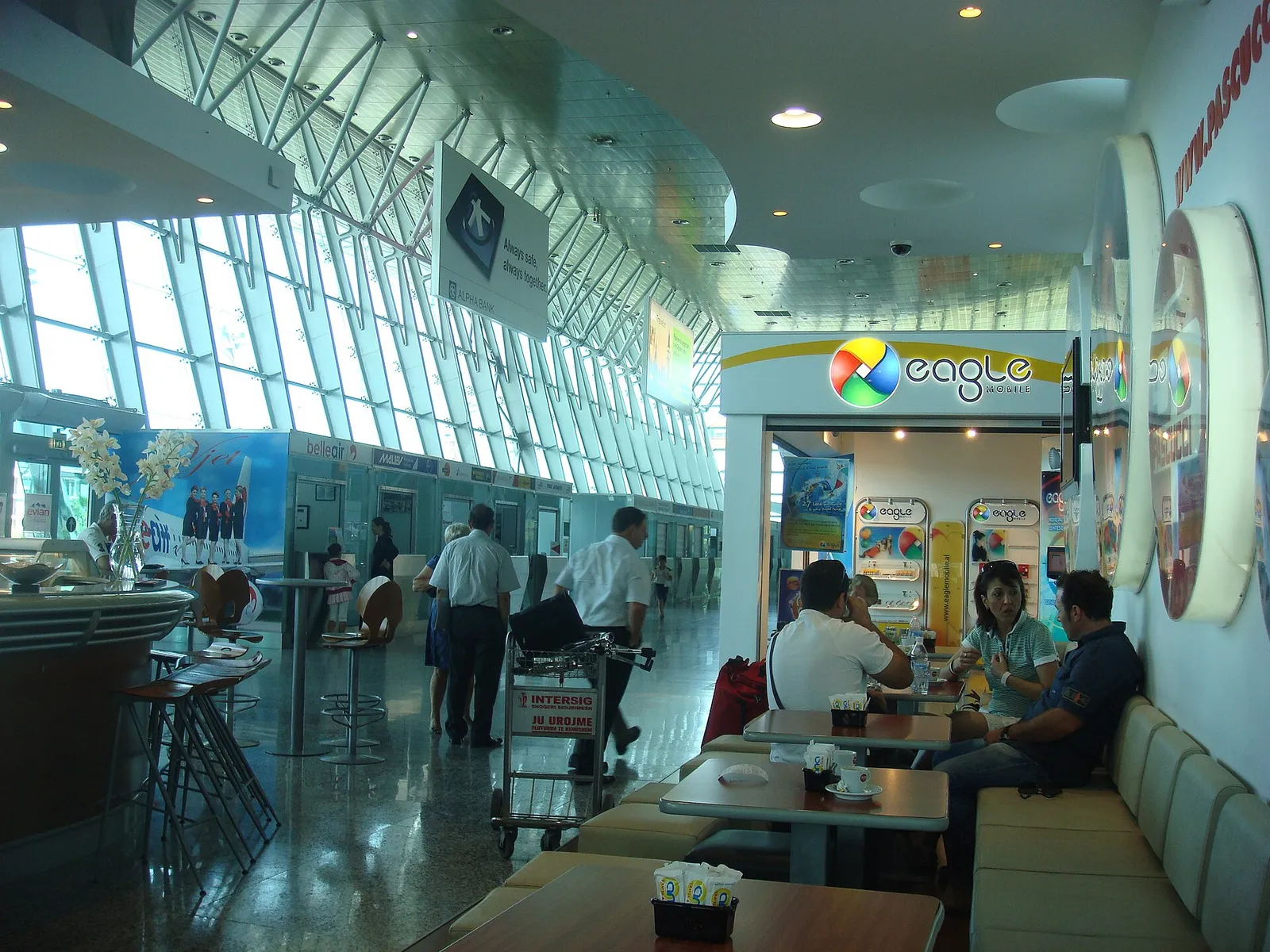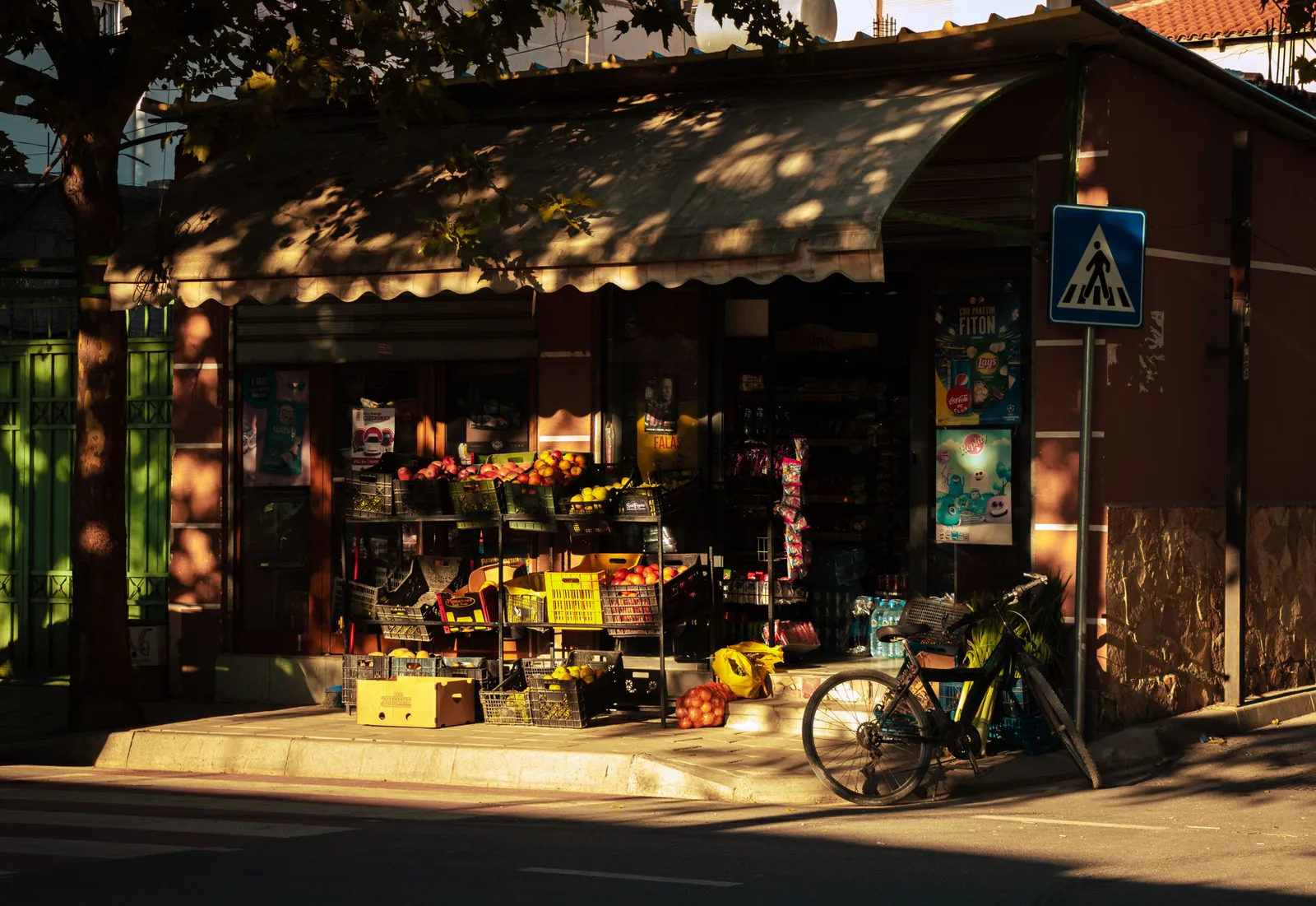
Albania is cheap, which means most visitors stop thinking about money the moment they arrive and then lose a surprising amount of it to three or four small, avoidable habits.
None of them are scams. They are the ordinary machinery of paying for things abroad: a helpful looking button at a cash machine, a flat fee that punishes small withdrawals, and a beach bar that only takes cash forty minutes from the nearest bank. Here is how the money actually works here.
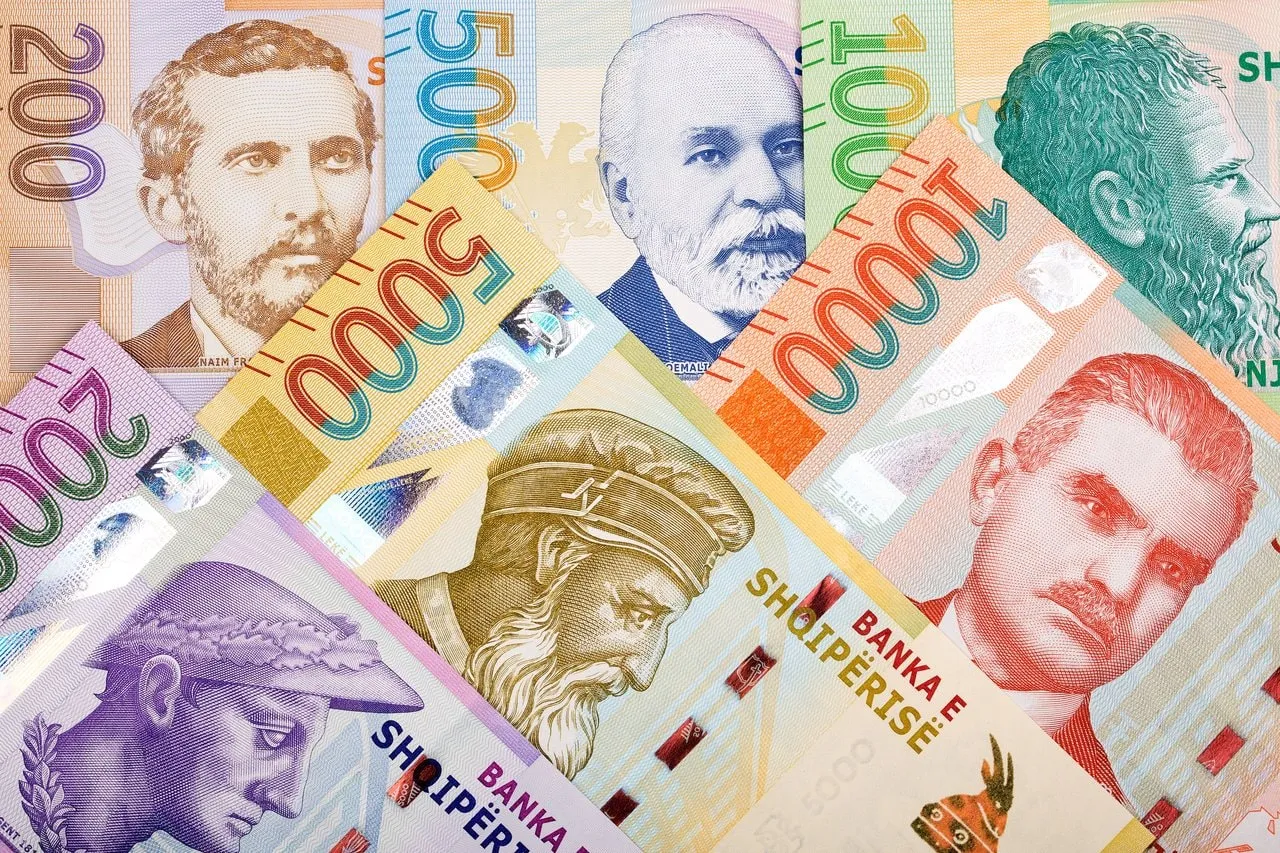
The lek, and why you always pay in it
The currency is the Albanian lek, written ALL. It is not pegged to the euro and its value moves, which is why you will not find a rate quoted anywhere on this page: any number printed in a guide is out of date by the time somebody reads it. Check a currency app in the week you travel and carry the rough figure in your head.
Euros are accepted in some coastal businesses, and this is a trap dressed as a convenience. The rate is set by the seller, not by a bank, and it is reliably worse than the one you would get by simply paying in lek. Over a fortnight of restaurants, taxis and sunbeds the gap is not trivial.
One local quirk worth knowing: a spoken price and a written price can occasionally differ by a factor of ten, a hangover from an old revaluation that some people still use in conversation. It is not an attempt to overcharge you. If a number sounds wildly out of line with the menu, ask for it in writing or point at the printed figure, and the confusion resolves in a second.
Dynamic currency conversion, the expensive button
This is the single most costly habit a visitor can bring to Albania, and it takes one second to fix.
When a cash machine or a card terminal offers to charge you in your own currency and shows you a friendly looking number in pounds, euros or dollars, decline it and choose lek. Every time, without exception.
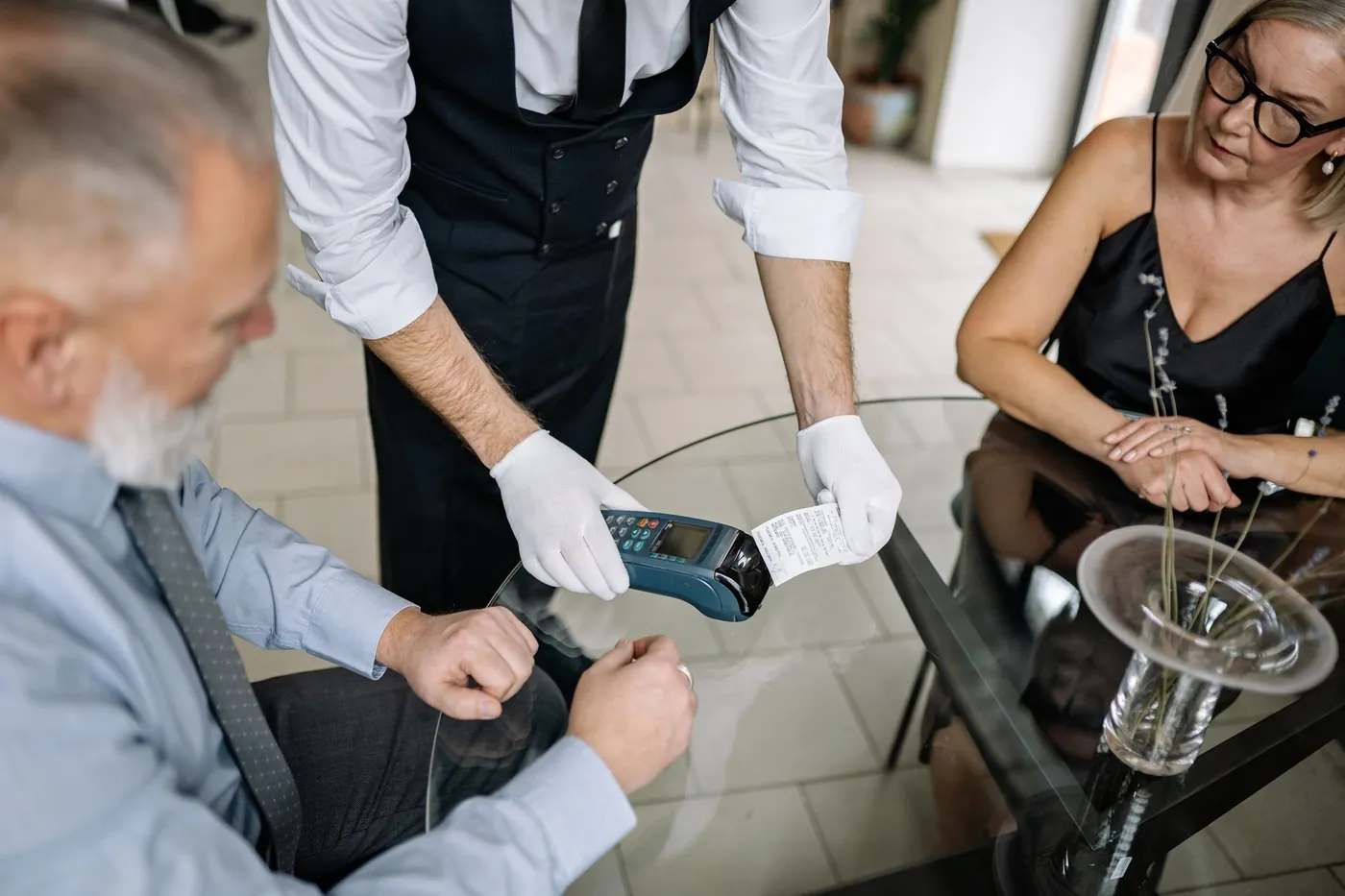
That offer is called dynamic currency conversion. Accepting it hands the conversion to the machine operator or the merchant’s payment processor, who apply a rate they have chosen, and that rate is consistently worse than the one your own card issuer would use. The cost is usually several percent, and it is presented as a convenience precisely because it is a fee.
The screens are designed to make accepting easy. The home currency option is often the larger, brighter button, and the wording implies that declining leaves you exposed to an unknown rate. It does not. Declining simply means your own bank performs the conversion, which is the outcome you want.
Cash machine fees, and how not to pay twice
Albanian cash machines charge for the service, and they do it in a way that rewards planning.
The operator fee is commonly somewhere in the 500 to 800 lek band per withdrawal, and it is usually a flat charge rather than a percentage. That means taking out a small amount five times costs five times as much in fees as taking out a larger amount once.
Your own bank’s fee comes on top, typically around 2 to 3 percent as a foreign transaction charge, plus a possible flat withdrawal fee depending on the account. Some travel focused accounts waive both, which is worth checking before you fly rather than after.
The habits that follow are simple. Use machines attached to a real bank branch rather than the standalone ones in tourist strips, read the fee disclosure on screen before confirming, take out larger sums less often, and decline the conversion offer as above so you are not paying the operator’s fee and the operator’s rate on the same transaction.
Our breakdown of what Albania costs sets out how far a withdrawal actually goes, which is the other half of deciding how much to take out at once.
Where cards work, and where only cash does
The line is fairly predictable once you know where it falls.
Cards work in Tirana generally, in hotels and larger guesthouses, in supermarkets, in the bigger restaurants in the cities and the main coastal towns, at fuel stations on the main routes and at car hire desks.
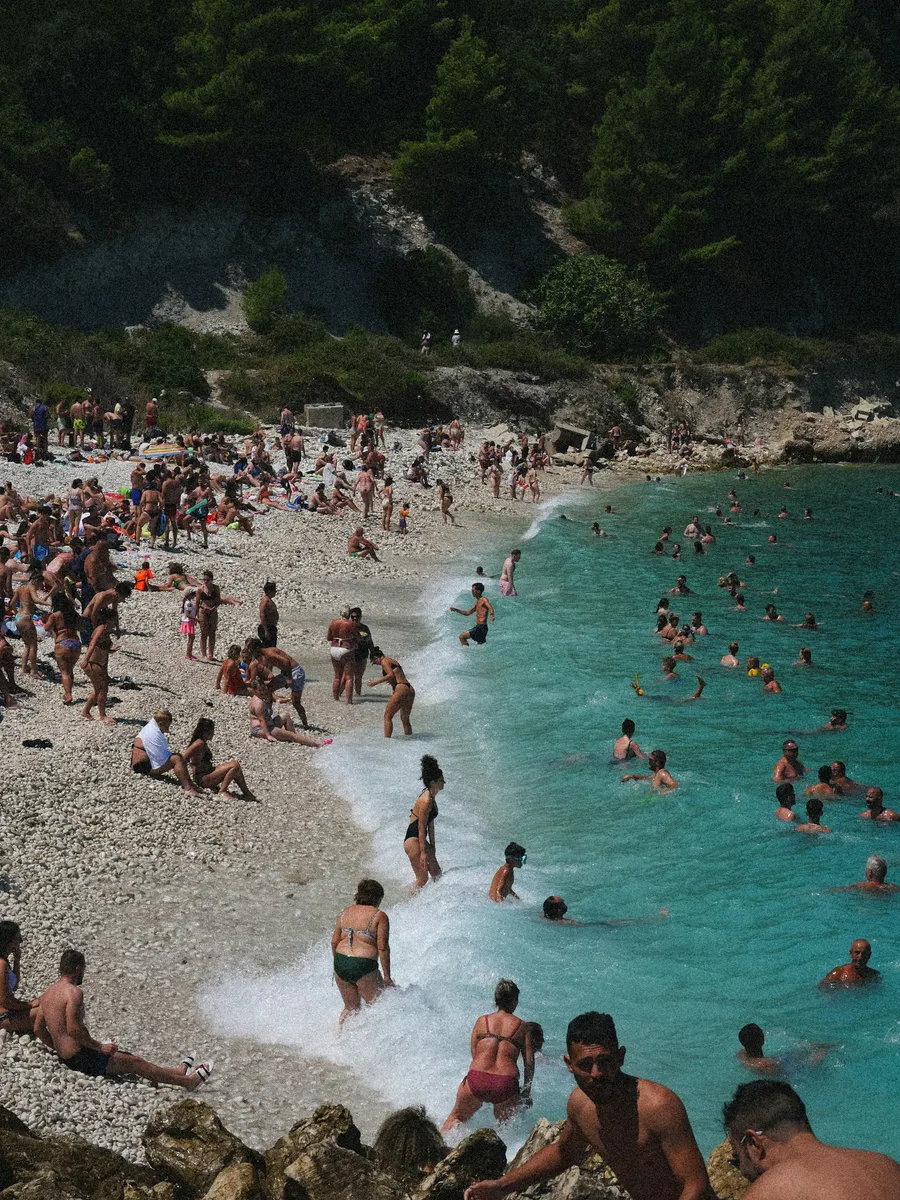
Cash is the only option at village tavernas, beach bars, sunbed operators, market stalls, most furgons and local buses, many rural guesthouses, small shops, parking attendants and a great many taxis.
That second list is most of what makes a trip here enjoyable, which is why the standing advice is to hold two or three days of cash and top up in a town rather than a village. Small notes matter more than you expect: drivers, market sellers and beach bars frequently cannot change a large note early in the day.
Tipping is relaxed. Rounding up a restaurant bill or leaving a small amount is normal and appreciated, and nothing more is expected. Our Albania budget tips cover where the money genuinely goes further and where paying more actually buys something.
The gap your card and your EHIC do not cover
This is the money question that costs the most when it goes wrong, and it catches out exactly the travellers who are usually best protected.
An EHIC or a UK GHIC does not cover you in Albania. Those cards apply within the EU and, for the GHIC, a defined list of countries, and Albania sits outside that arrangement entirely. EU and British visitors who are accustomed to walking into a European hospital on the same terms as a local do not have that here.
Nobody else does either. Travellers from the US, Canada, Australia, New Zealand and South Africa should assume they are paying for treatment up front unless their own insurer says otherwise, and that private clinics in Tirana and the coastal towns expect payment at the time. Our guide to travel insurance for Albania covers what a policy needs to say, particularly if driving or hiking is in the plan.
The one gap that is genuinely expensiveAlbania sits outside the EHIC and GHIC arrangement, so cover is on you
The accommodation tax, and the tax that is not yours
Two different things get confused here, so take them separately.
The municipal accommodation tax is real and you will pay it. It varies by municipality and by the class of property, it is normally charged per person per night, and it is usually collected at the property rather than through an online booking. It is small. It is also inconsistently applied between municipalities, which is why it sometimes appears as a surprise line at check out. Ask when you book what it comes to for your stay.
The 15 percent short term rental tax is not yours. It took effect on 1 January 2026 and it is a flat tax on the rental income of hosts and property owners. It is not a tourist tax, it is not charged to guests, and it will not appear on your bill. Any effect on you is indirect, through what hosts decide to charge, and it should not be treated as a second accommodation levy.
If a property tries to present it as a guest charge, that is worth querying politely, because the two taxes are separate and only one of them is yours to pay.