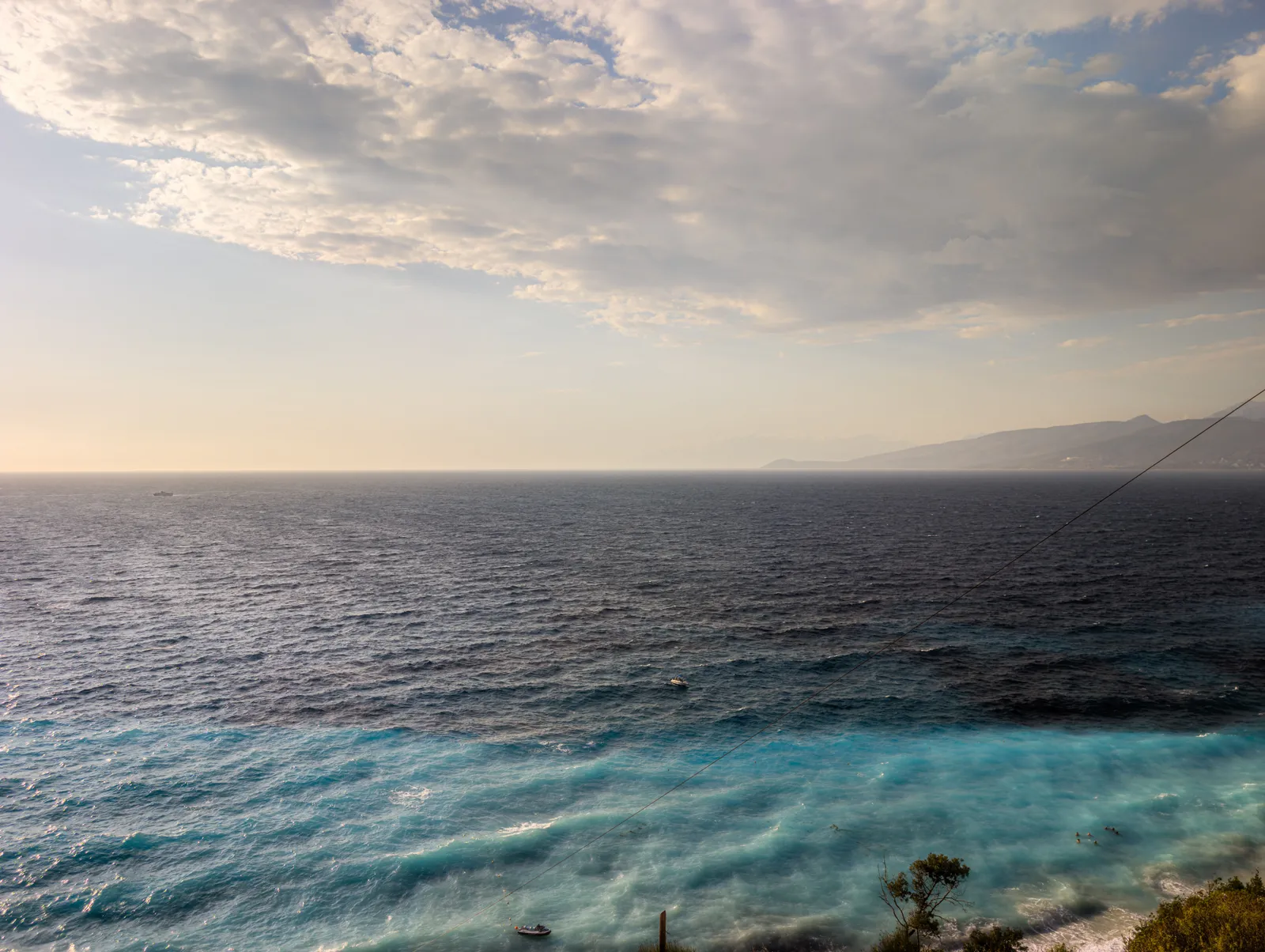
Albania is a forgiving country. People are warm, prices are gentle, and it is genuinely hard to ruin a trip here completely. Even so, there is a short list of mistakes that catches nearly everyone who visits for the first time, and most of them are not down to a lack of information. They come from assumptions travellers bring with them: that a small country on the map means short driving times, that a card works everywhere, that a beach is just a beach, and that transport runs the way it does back home.
Distances are measured in hours, not kilometres
This is the mistake almost everything else grows out of. Albania looks compact on a map and is mountainous from coast to border.
Planning by kilometres. A drive that an app shows as two hours regularly takes three on the ground, more in summer. The reason is not road condition but terrain: mountain passes, endless bends, slow lorries climbing, and villages the main road runs straight through. Plan by time, and pad it generously.
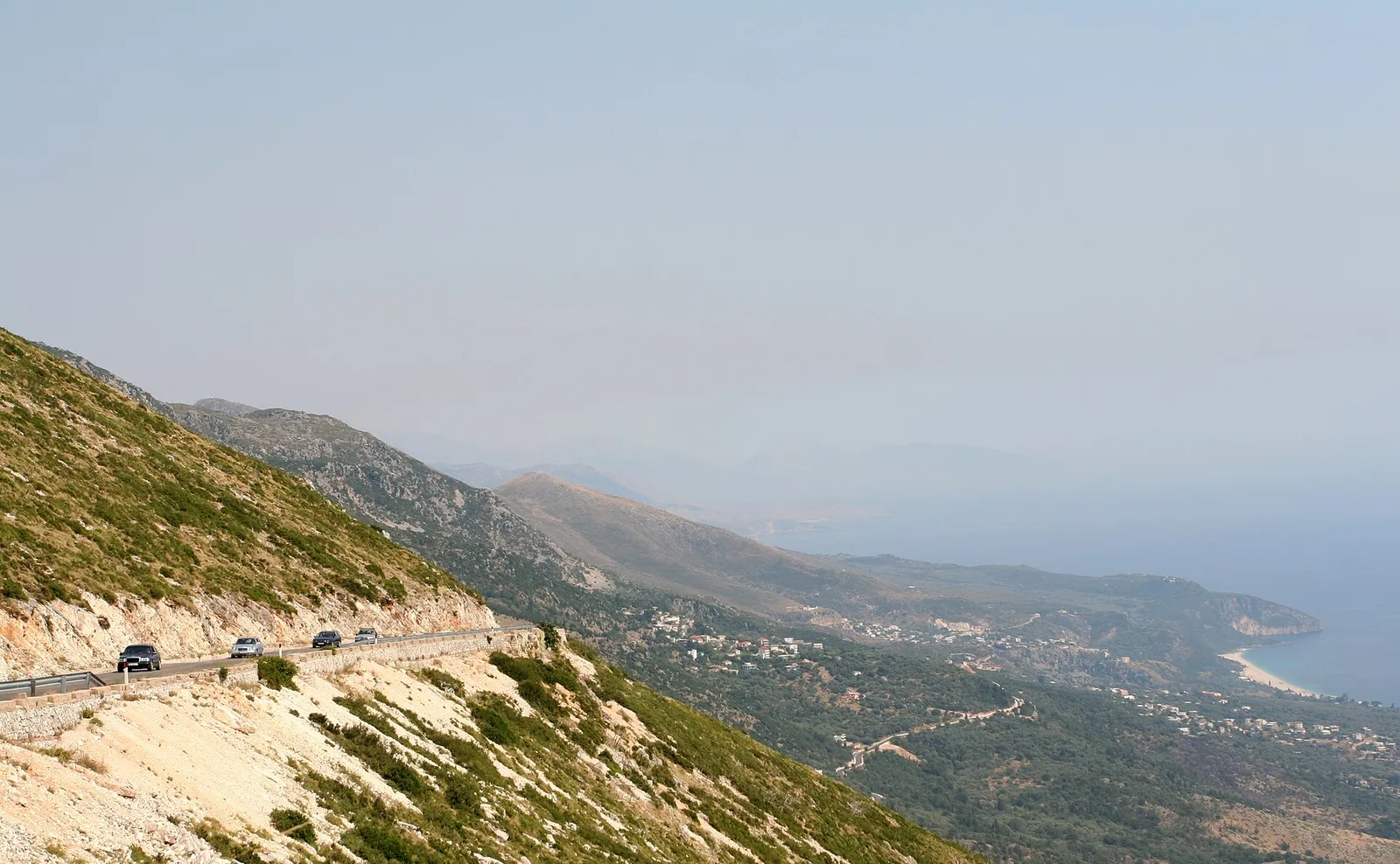
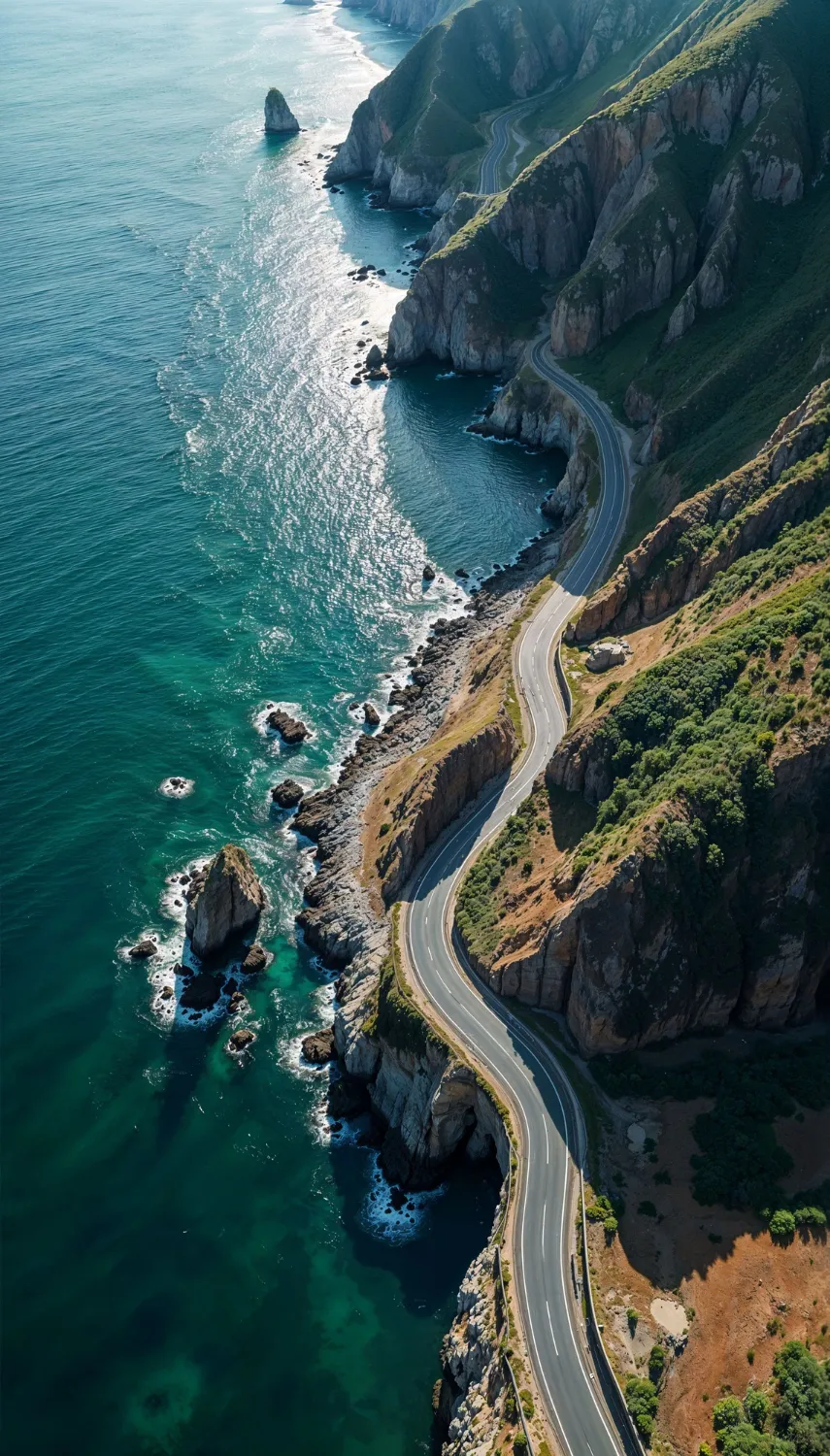
Assuming the coast road is quick. The prettiest stretch is also the slowest. The road cut into the cliffside above the Riviera twists without end, and in season it fills with traffic hunting for parking at every bay. The Llogara tunnel, which opened in 2024, shortens part of the route, but a drive from Tirana down to the Saranda area is still a full day out, not an afternoon.
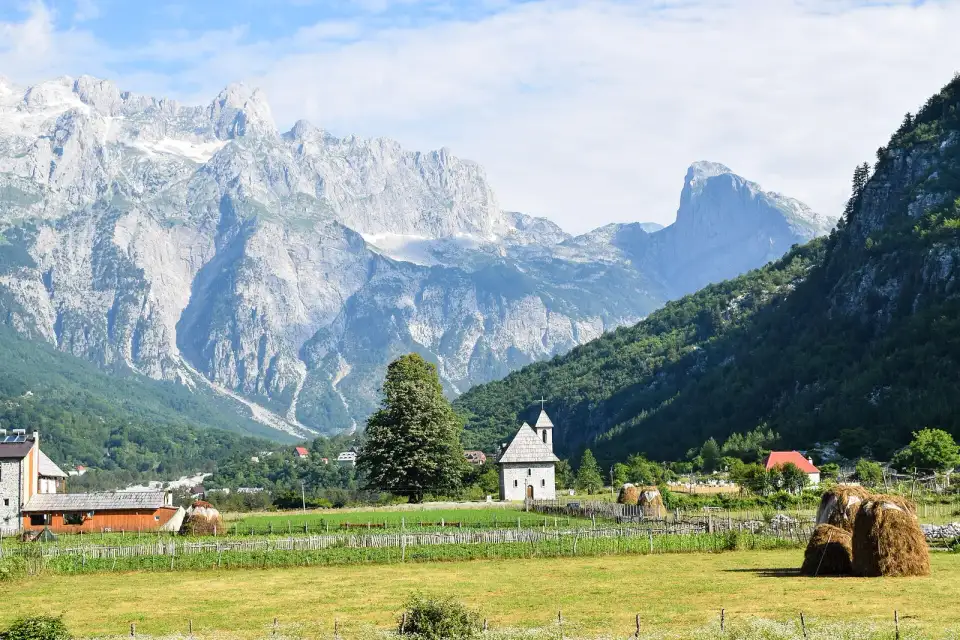
Squeezing the Alps and the Riviera into one week. The north and south sit at opposite ends of the country, and reaching the Alps is its own piece of logistics: a drive to Shkoder, then several more hours further in. Doing both eats two full travel days out of seven and leaves you tired in both places instead of happy in one. On a week, pick a side. On ten days or more, a combined route becomes realistic.
Don’t build an itinerary out of single nights
Half of every changeover day disappears into packing, checkout, driving and check in. Three or four nights in the same base, then one move, is the difference between a trip and a chain of transfers. Our beginner’s guide to Albania sets out a workable split for a first visit if you want the fuller version of this idea.
Cash is still king outside the big towns
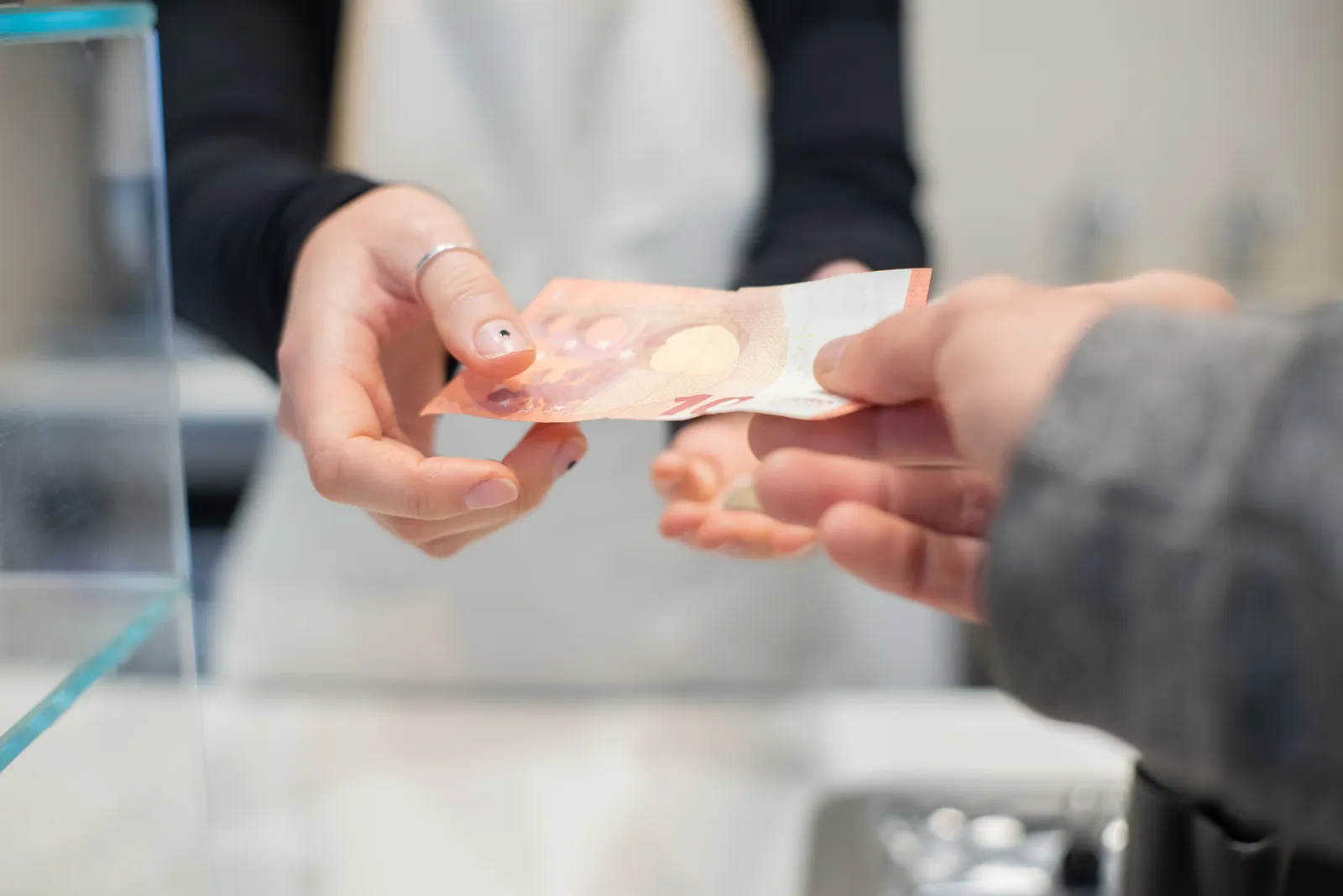
Leaving a city without cash. This is not a country where a card solves everything, and certainly not outside the main towns. A coastal car park, a small beach bar, a mountain guesthouse and a market stall will all ask for local currency in cash, and so will plenty of taxis. In peak season, cash machines in small towns can run dry on weekends, and the next one can be half an hour away. The rule that works is to withdraw in a large town before heading into a rural area, not to wait until you run out.
Accepting the conversion a cash machine offers. When the machine asks whether to charge you in your own currency instead of the local one, that is exactly the moment you lose a chunk of the exchange rate. Always choose the local currency, and do the same at businesses that offer to charge you in euros.
Assuming cards work everywhere. In hotels and the better restaurants in the cities, generally yes. In markets, taxis, family run businesses and villages, less so. American Express is barely accepted, so anyone travelling with only that card needs a backup.
Timing the Riviera right
Arriving after mid morning. In peak summer this is the difference between calm turquoise water and a long hunt for parking. Turn up early and you get the beach from the photos; arrive at midday and you get a queue, followed by a slow crawl out once tour buses block the narrow coast road.
Thinking the beach itself is free. The sand and the sea are. The set of two sunbeds and an umbrella, which covers most of any developed beach, is the real daily cost of a day by the sea, and it runs noticeably higher in the busiest villages than in quieter bays further along the coast. Anyone who brings a towel and looks for an open stretch pays nothing.
Turning up off season without checking what is open. Between roughly October and April, much of the Riviera closes for the year, and the most popular villages are the extreme case. That does not make an off season visit a bad idea, the scenery is still there and prices drop, but it does decide whether you have anywhere to eat that evening. Saranda is lived in year round and is the sensible base for these months. Confirm what is actually open with your accommodation the day before, not a week in advance.
Cover the parts a happy Albania trip rarely thinks aboutTrip cancellation, medical costs and rental car excess are the mistakes with the highest price tag, and none of them are visible on the day you bookGetting around without your own car
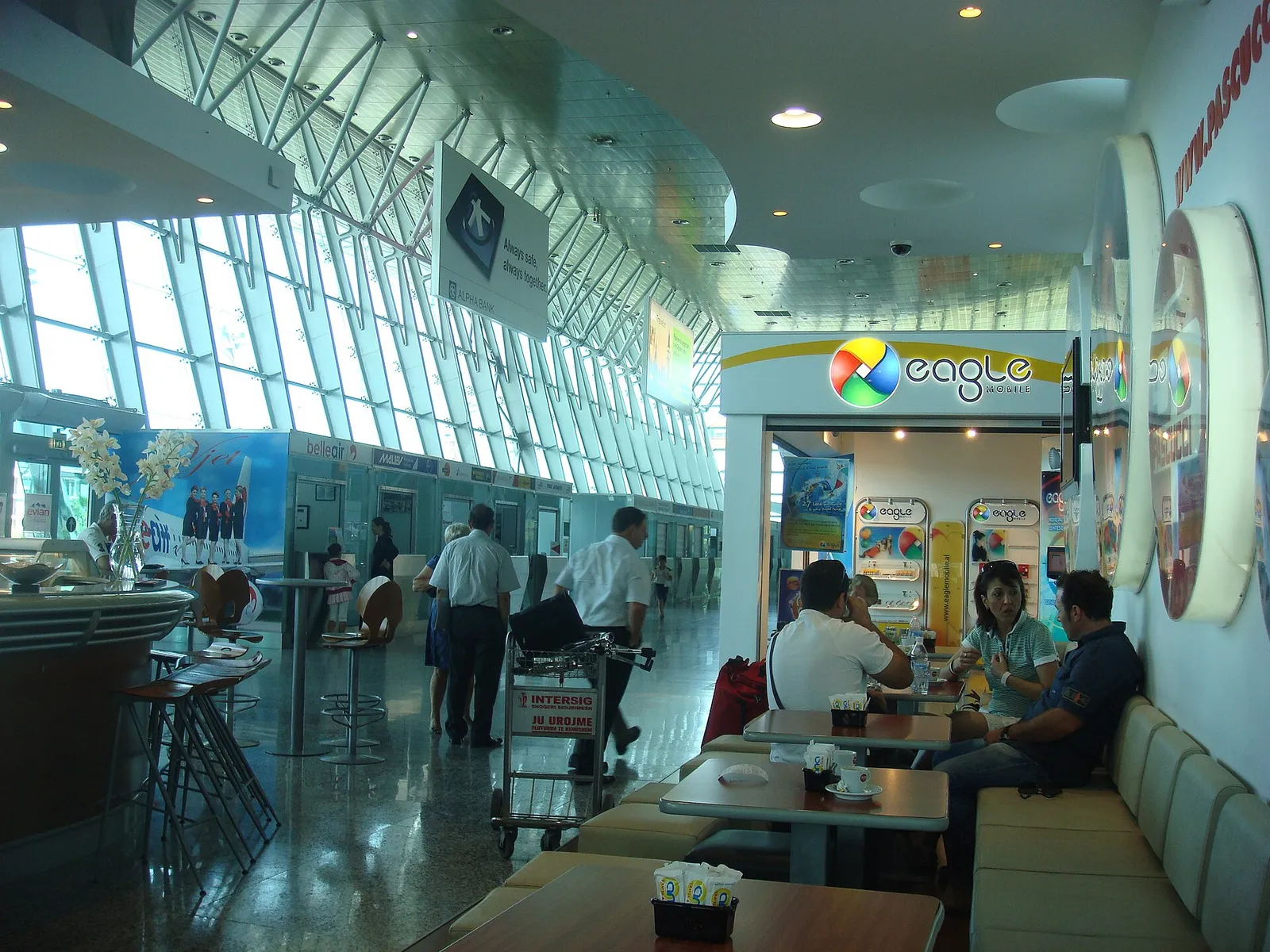
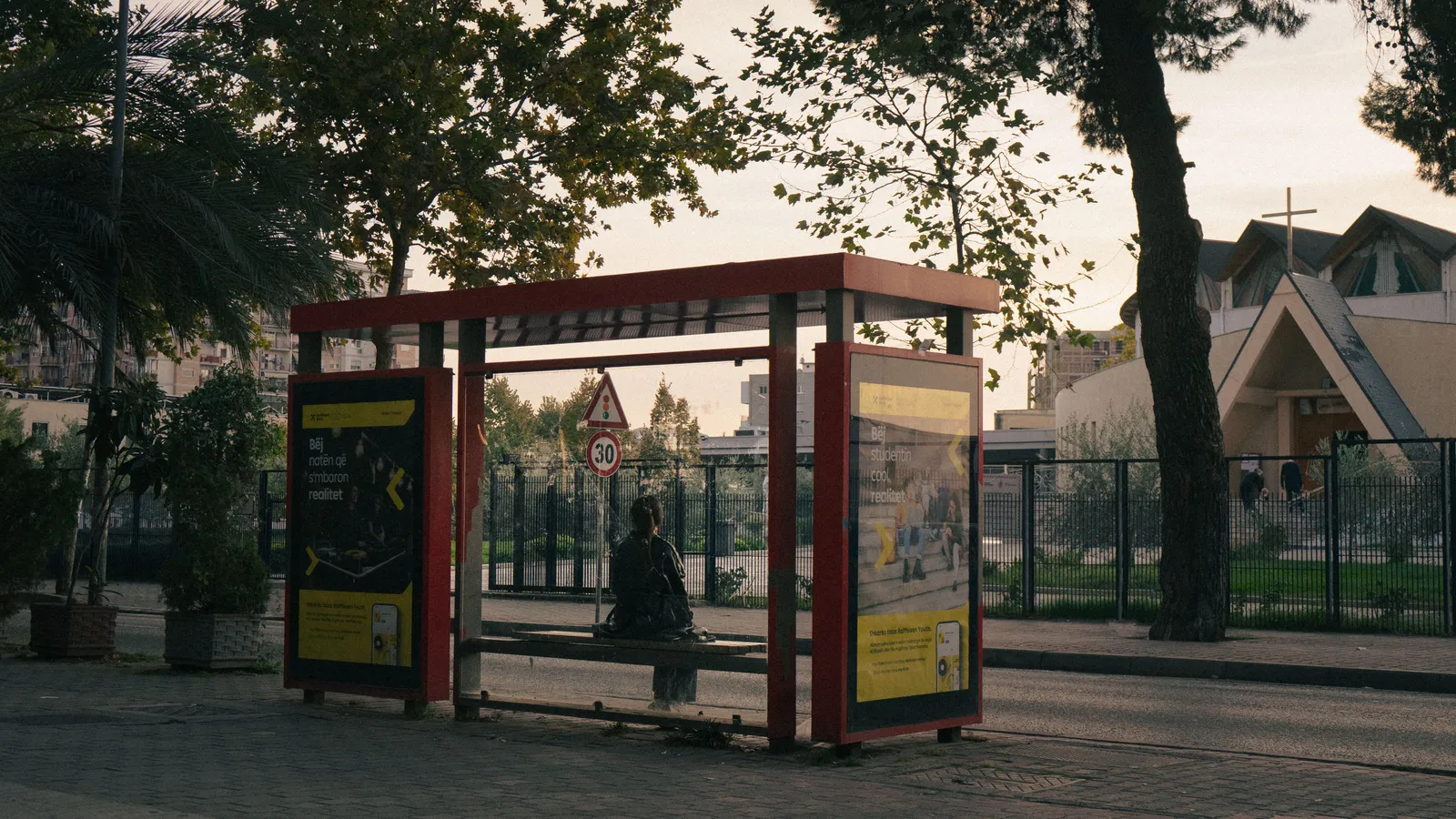
Assuming familiar ride hailing apps work. They do not operate in Albania, which is an unwelcome surprise at two in the morning at the airport. A local app fills that gap, alongside phone dispatch taxi firms in Tirana and the larger towns, and it is worth installing and registering before you land rather than after. For journeys with a street hailed taxi, agree the fare before you get in.
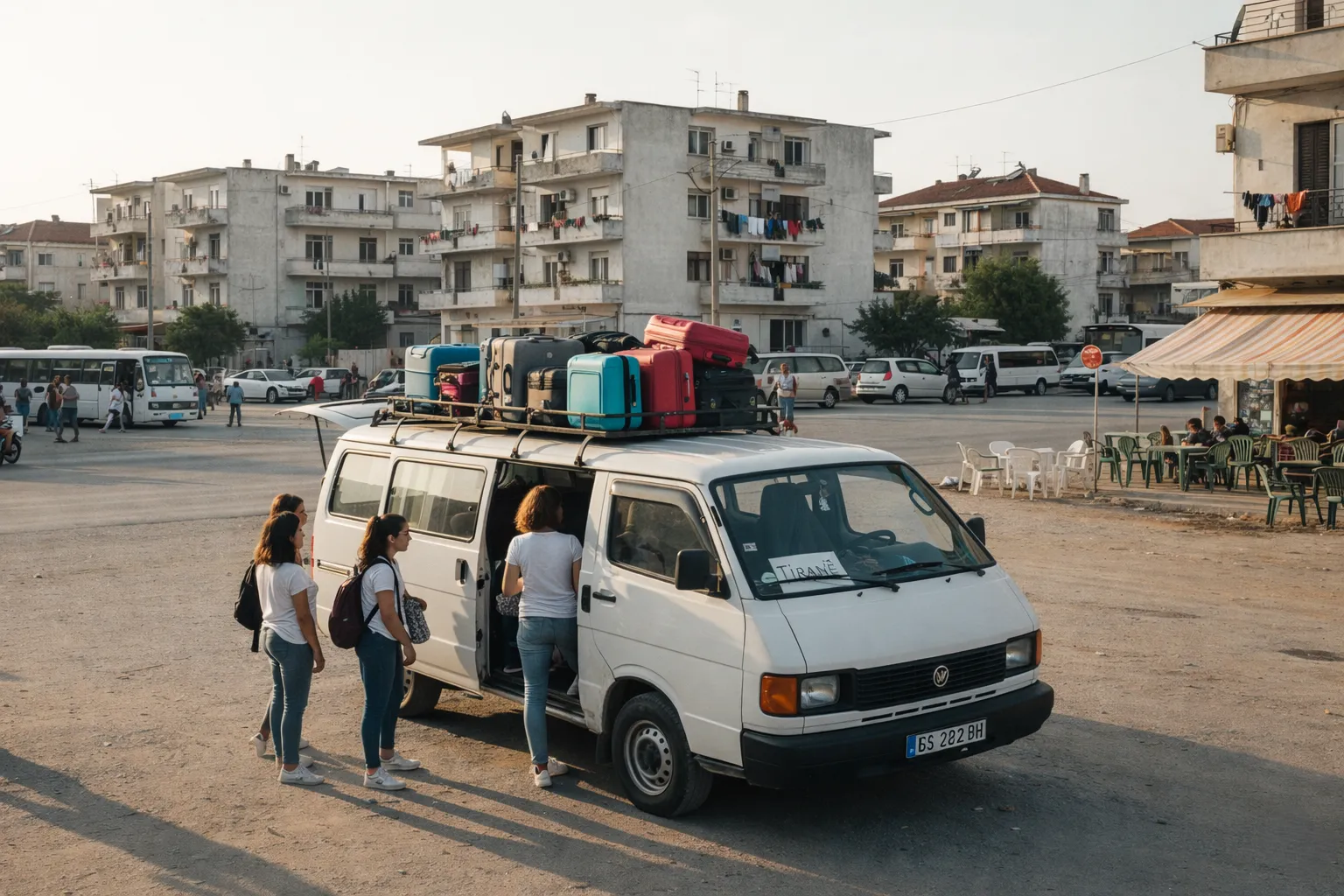
Turning up at the wrong terminal in Tirana. The city has several separate departure points, and furgons, the shared minivans that link most towns, do not all leave from the same one. Confirm the terminal name with your accommodation or the driver the evening before, since map apps here are not always reliable, and note that most furgons run in the morning; afternoon departures are a gamble. Our guide to getting around Albania without a car covers the furgon network in full.
Turning up at the Koman Lake ferry without a booking. In peak summer the boats fill up, and arriving without a ticket can mean losing an entire day in a mountain schedule with few alternatives. Book ahead and confirm the departure time the day before.
Roads and trails where the mistake costs more
Descending to Gjipe beach in sandals at midday. The path down is around twenty minutes of steep, loose gravel, and the climb back up in the heat is the hard part. Go early, wear closed shoes, carry at least two litres of water per person, and plan to be climbing back up before the sun is at its highest. Parking at the trailhead is cash only.
Heading to the Alps off season without checking the road. The road to Theth village is paved and any car manages it in summer, but the reliable window is roughly mid May to October, and snow can close it outside that period. Even in summer, after heavy rain it is worth asking a local before setting out.
For our full breakdown of driving in Albania, including road conditions and what you actually need to carry in the car, the details are worth a proper read before you rent.
Entry fees and opening hours that catch people out
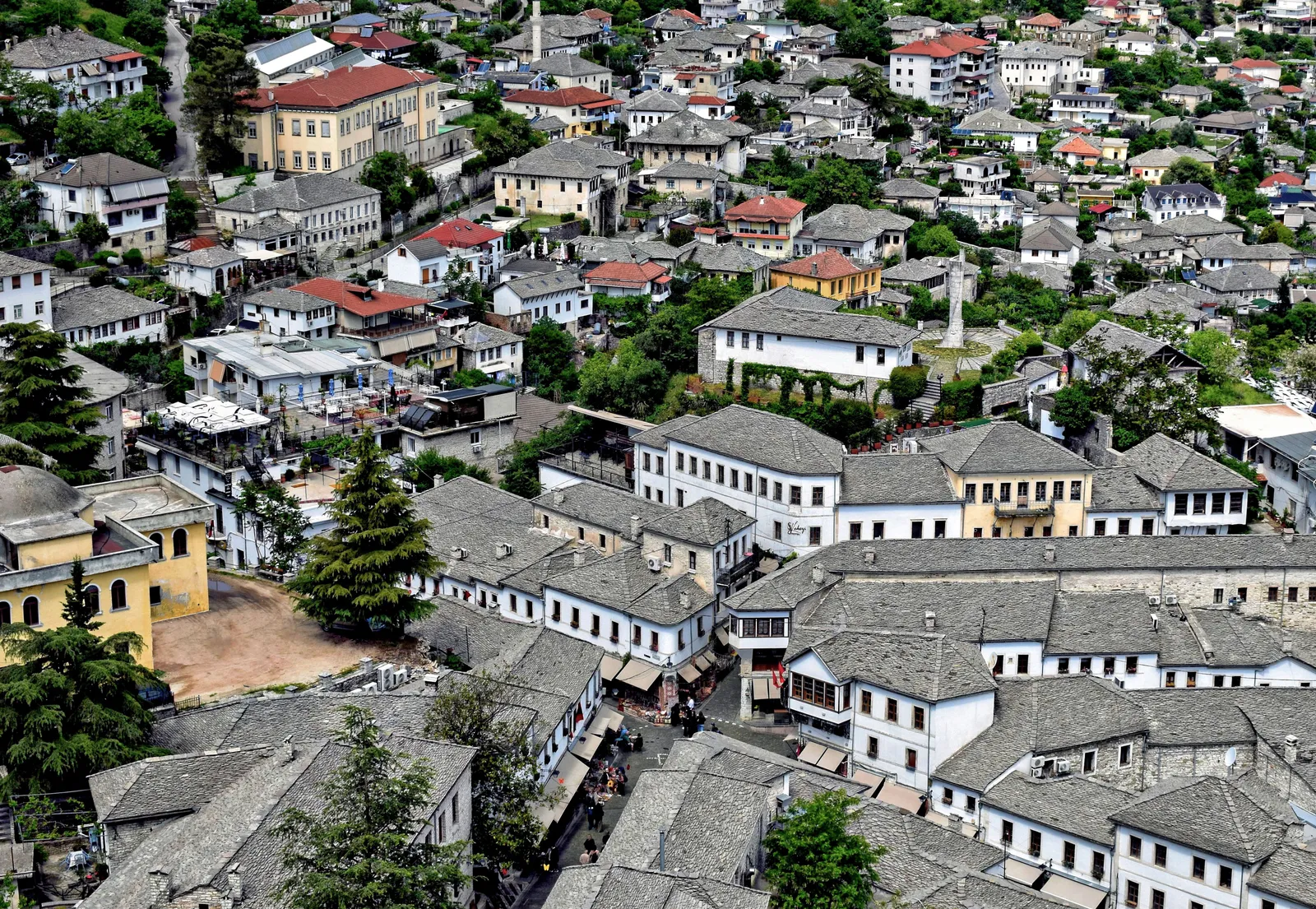
Assuming famous sites are free. The castles at Berat and Gjirokaster charge admission, Bunk’Art in Tirana is a paid museum rather than an abandoned bunker you wander into, and the Blue Eye spring charges for both entry and parking. None of the sums involved are large, but arriving without cash or without expecting a charge is a small, avoidable annoyance.
Trusting posted opening hours. Small businesses in Albania close when there is no demand and open when there is, and what is listed online is not always current. It sounds minor until you drive an hour to a village for one highly recommended restaurant and find the door shut. A short phone call or message beforehand saves the trip, especially off season, on Sundays and in villages.
None of these mistakes will ruin a trip, and that is really the point: Albania will forgive all of them. But fix the first three, the cash, the timing at the beach and the driving pace, and you get back a full day or two of a week long trip, which is usually the difference between a trip that was fine and one you want to repeat.