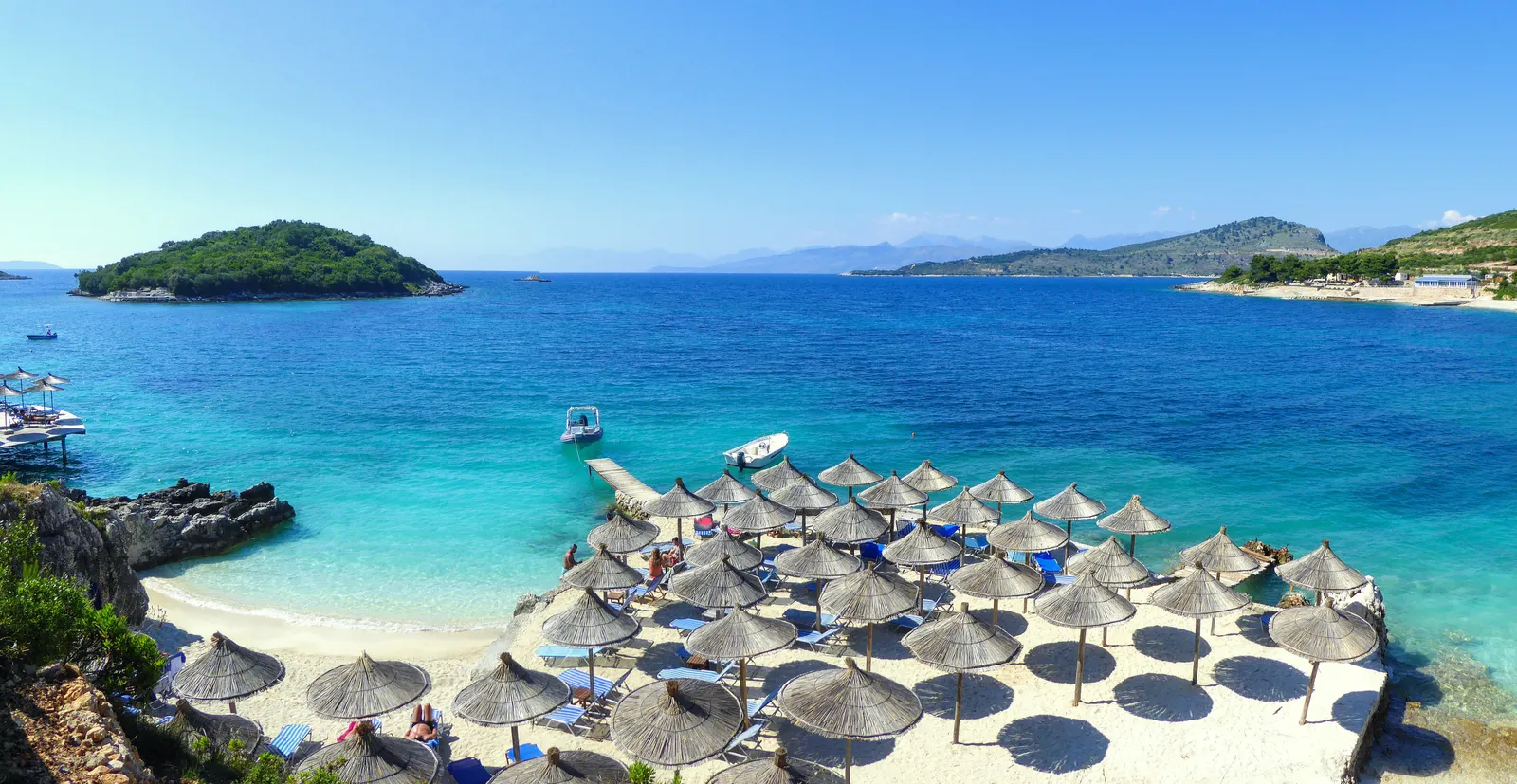
The commonest packing mistake for Albania is packing for Greece. It sounds reasonable, since it is the same corner of the Mediterranean, but Albania compresses three different environments into one trip: coastline, steep stone towns, and genuine mountains above two thousand metres. You can easily come out of the water in Ksamil at two in the afternoon and be reaching for long sleeves in cold air the same night.
This list is built around what actually happens on the ground.
The base layer, every season
| Item | Why here specifically |
|---|---|
| Closed shoes with grip | Polished stone paving in every historic town |
| Thin windproof jacket | The mountains are cold in the evening, even in August |
| Small lek notes | Markets, car parks and small cafes |
| European plug adapter | Two round pins, types C and F |
| Small daypack | Days are built from a series of short walks |
| Refillable water bottle | Water is easy to find, plastic bottles are not needed |
| Prescription medication, original packaging | Brands differ, and choice thins outside cities |
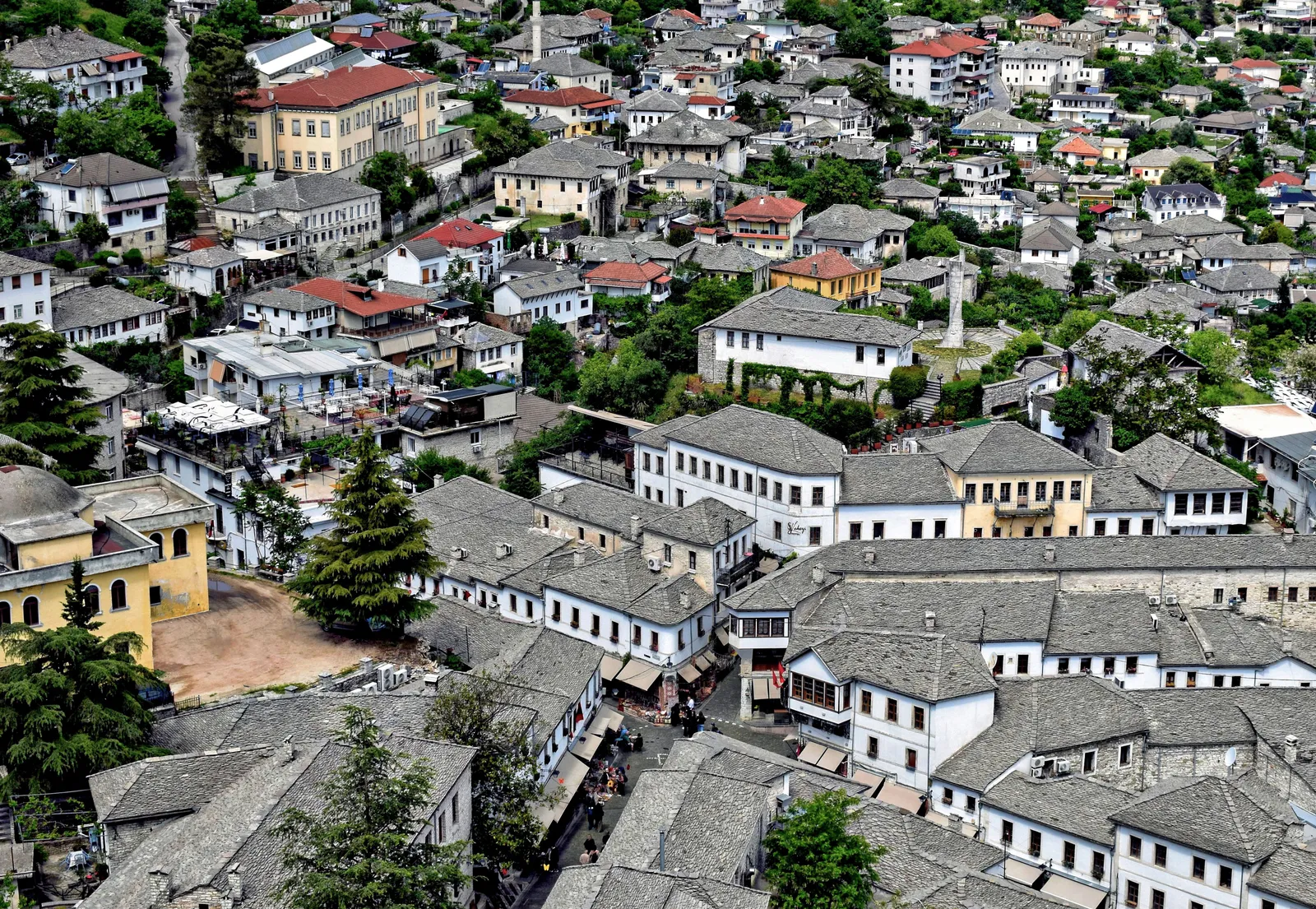
The first line is the one worth labouring. Almost everyone books Albania in their head as a beach trip, then spends a full day in Berat or Gjirokaster walking on stones that generations of feet have worn smooth. Flat sandals are not enough there, and that is true in dry weather, not just wet.
Summer, June to September
Albanian summer is hot and dry inland, with noticeable humidity on the coast. In practice you need fewer clothes than you think and more protection.
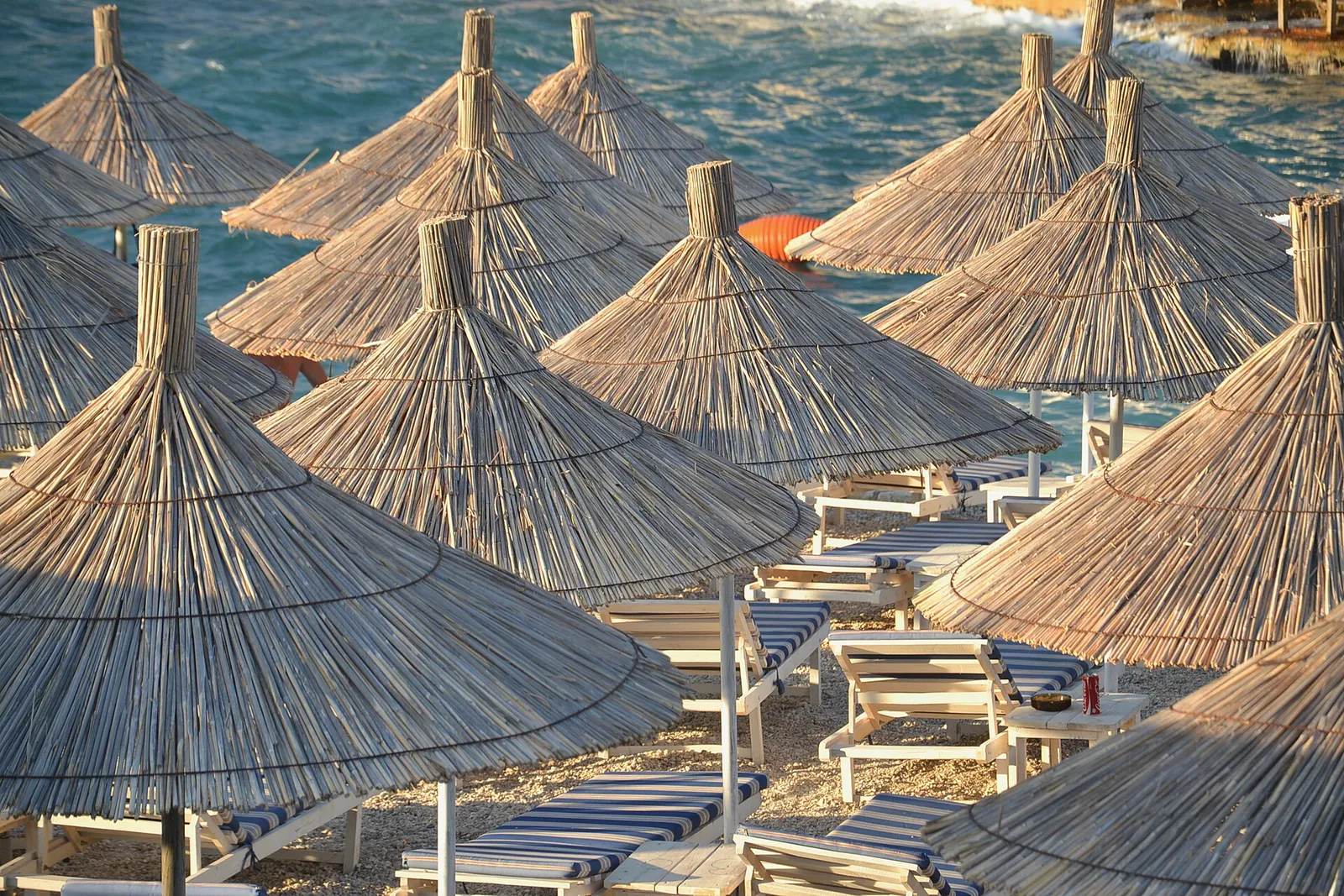
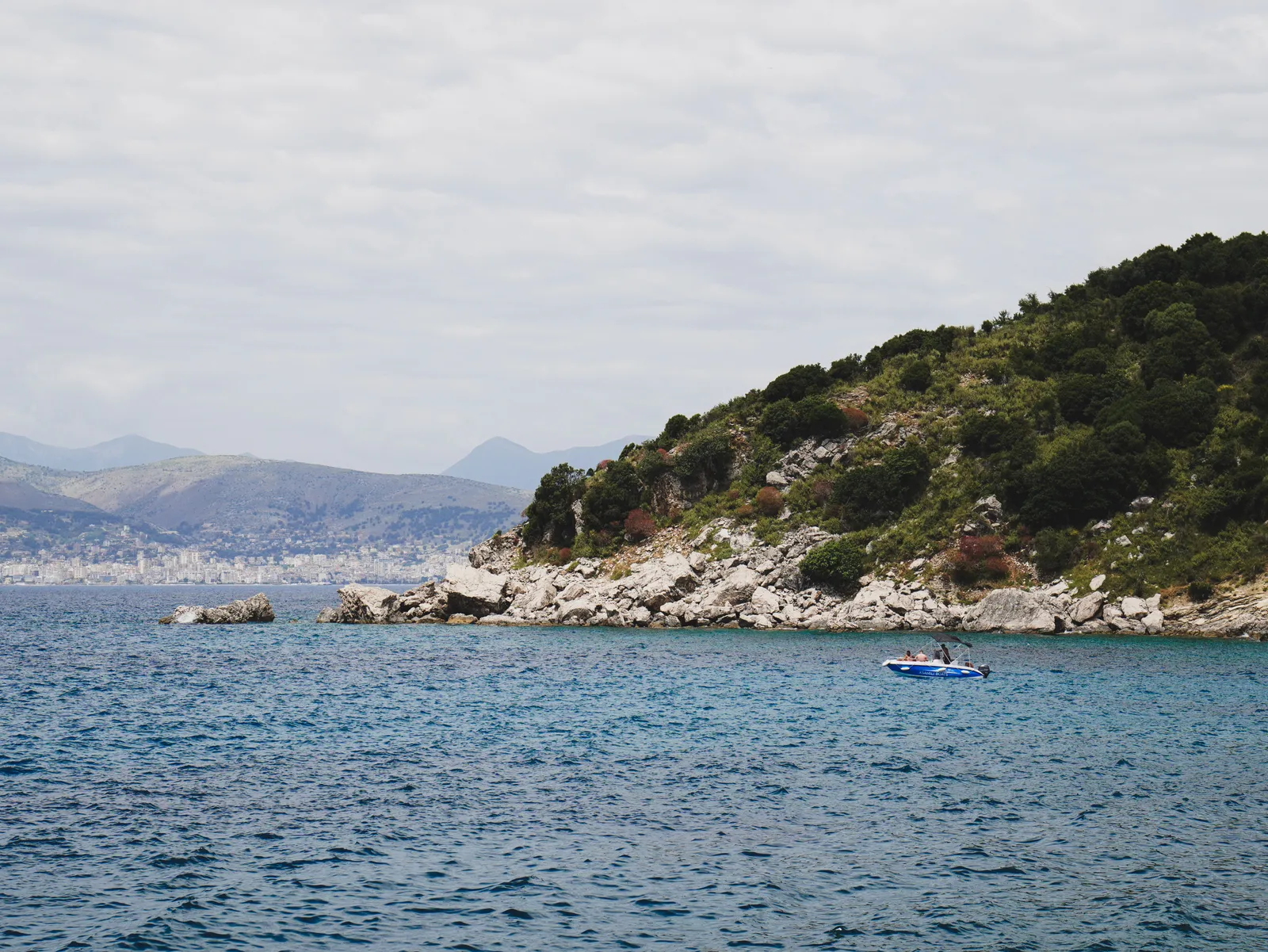
Light breathable clothing, two swimsuits so one is always dry, a wide brimmed hat and sunglasses. High factor sunscreen in a real quantity, because it costs meaningfully more in tourist resorts than it does at home. Water shoes, as above, because a lot of the Riviera is pebble.
What you still need despite the heat: one long layer. An evening on the Riviera in September, a night drive through the mountains or an evening in Korça will all be cooler than you expect.
What is dead weight: a large beach towel from home, which you can buy there cheaply, and four pairs of shoes. Two is plenty, one closed and one open.
Shoulder season, April to May and October
These are the best months to travel and the hardest to pack for, because the weather changes day to day. The only workable rule is layers.
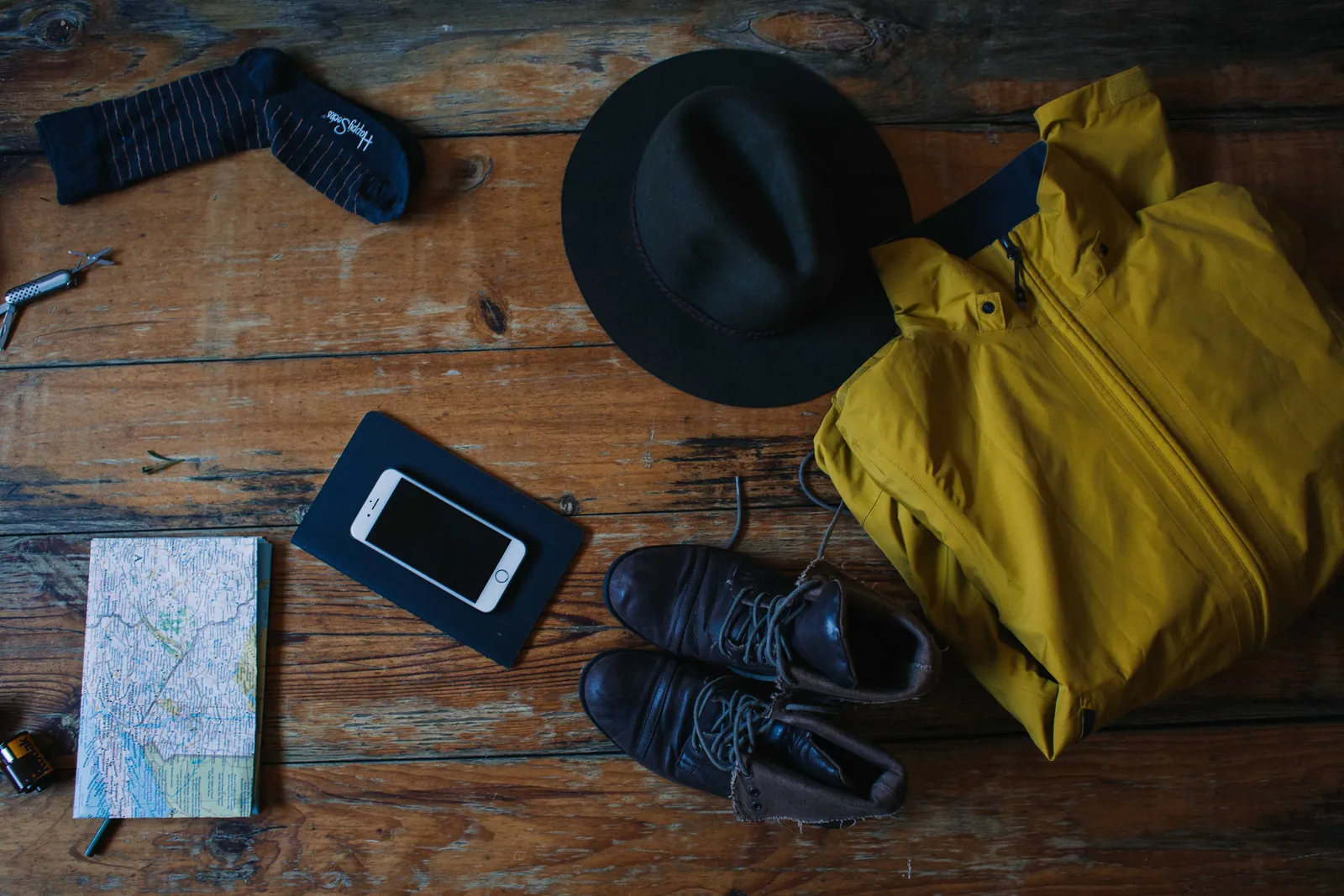
A short sleeve, a mid layer, and a light waterproof jacket. A folding umbrella or a hooded shell, because rain in April and October is not unusual. At least one pair of long trousers, and a swimsuit anyway, since late October in the south still occasionally delivers a swim.
Month by month detail is in our Albania weather guide, and anyone still choosing dates will find the answer in the best time to visit guide.
Winter, November to March
Winter in Albania is not about beaches. It is about cities, food, low prices and quiet.
Tirana and the coastal cities are cold and damp, the inland valleys are colder, and the mountains have real snow. Bring a proper winter coat, not a thin jacket, and shoes that keep water out, because pavements and drainage in the cities do not always cooperate. A thermal layer, hat and gloves if you are going up in altitude.
⚠️ Do not assume the room will be warm. In a good number of places the heating is an air conditioning unit and nothing else, and anyone who feels the cold will be glad of long sleepwear.
If you are going up to the Alps
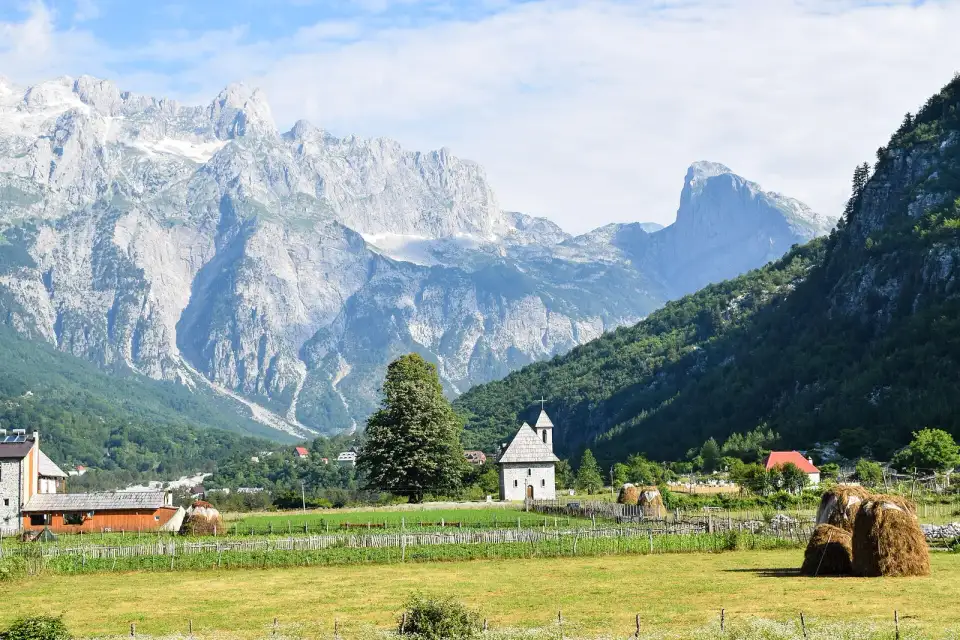
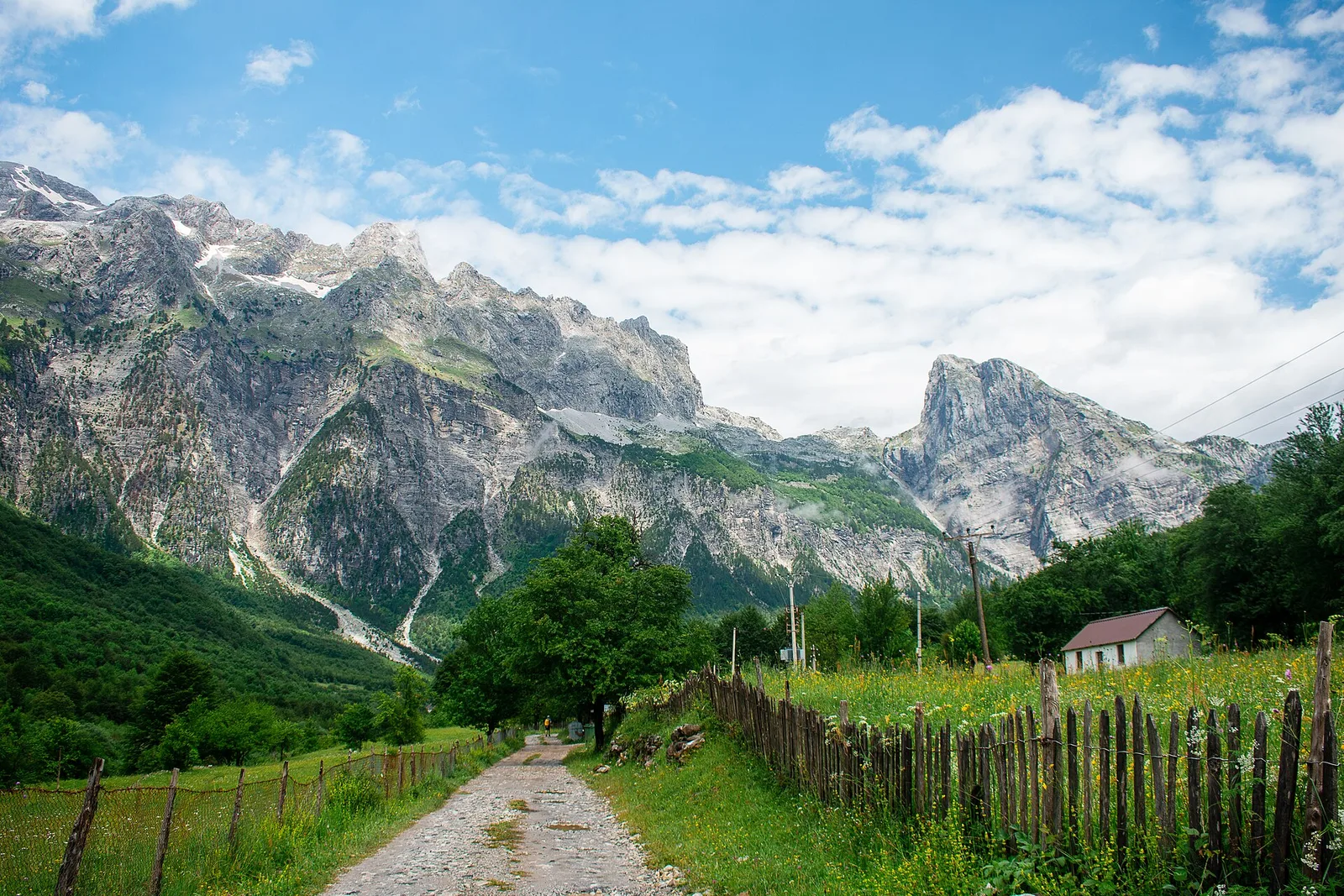
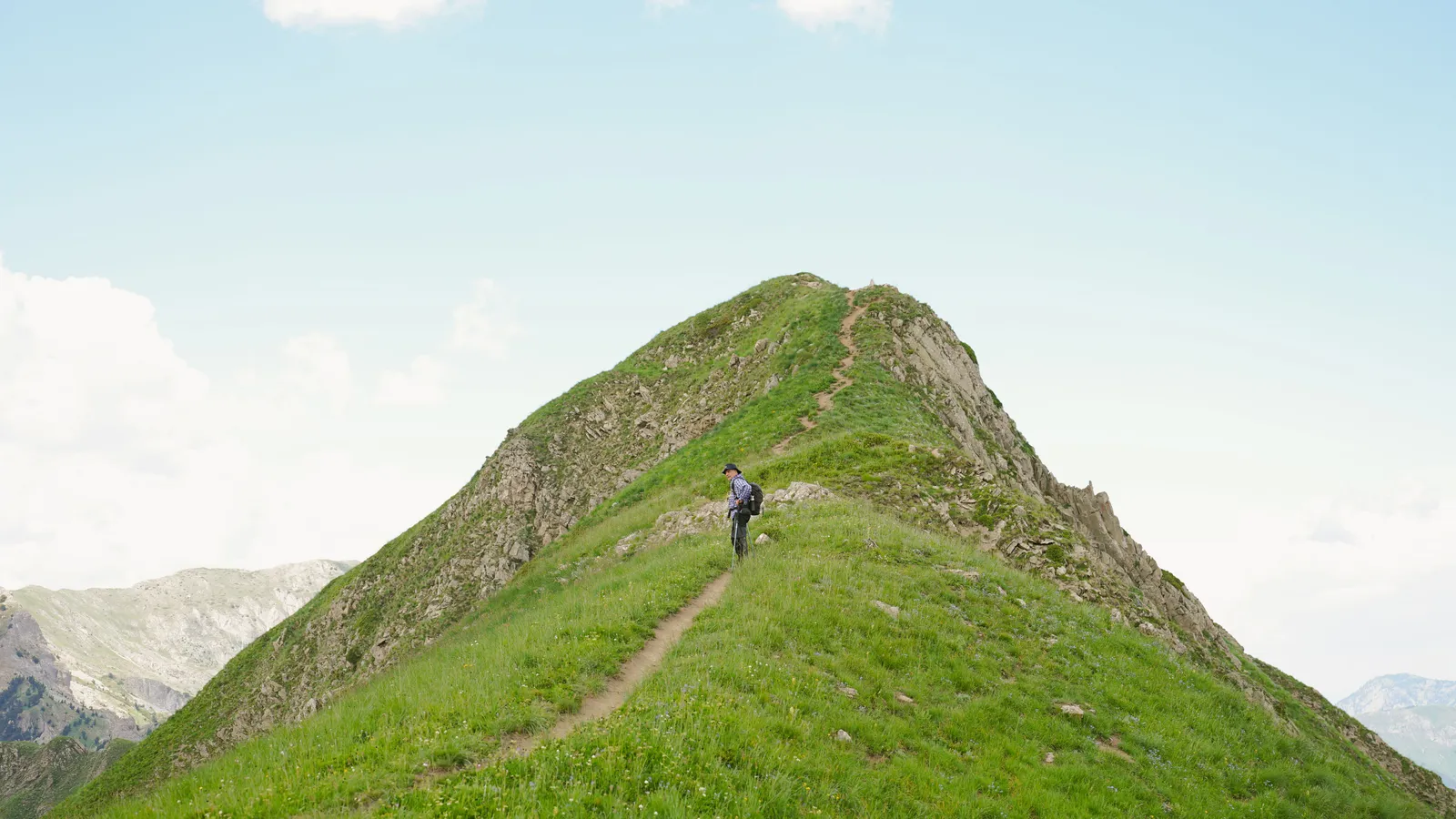
This is a separate list, not an extension of the general one. Theth, Valbona and the routes between them ask for kit, and none of it is a luxury.
Walking shoes already broken in, not a new pair out of the box. Two warm layers, because the nights up there are cold even in summer. A waterproof windproof shell, a head torch, walking poles if you use them, and water in quantity.
Two details that sound minor and are not. Mobile coverage in the mountain valleys is patchy and not continuous, so download offline maps before you go up rather than assuming a signal. And bring a power bank: guesthouses in the mountains have electricity, but it is sometimes off for hours at a time.
Anyone planning actual walking rather than a scenic drive should read the hiking trails guide alongside this list.
 Hiking or driving mountain roads?Check the activity cover before you fly
What is hard or expensive to find there
This is the part that turns a generic list into an Albania list, and every item comes from something that is genuinely missing.
Prescription medication, enough for the whole trip. Pharmacies exist in every town, but trade names differ and a foreign prescription is not always sufficient. Photograph the prescription as well.
Outdoor gear. The choice is very limited outside Tirana, and someone planning mountains or camping will not find a replacement for a torn boot.
A plug adapter, if you are coming from outside continental Europe.
A spare cable and charger. It sounds unnecessary until you remember that the phone is also the map, the translator and the booking, and a day without a charger in a mountain village is a complicated day.
What not to bring at all
A hairdryer, since almost everywhere has one. Large quantities of toiletries, since there is a supermarket and a pharmacy in every town. And smart clothes, because even the good restaurants in Albania have no strict dress code, and clean trousers with a decent shirt will open any door.
And the last item, which is really the first: leave space in the bag. Olive oil, mountain tea, honey and local cheese are things people buy there without planning to, and market prices are low enough that it will happen to you too.