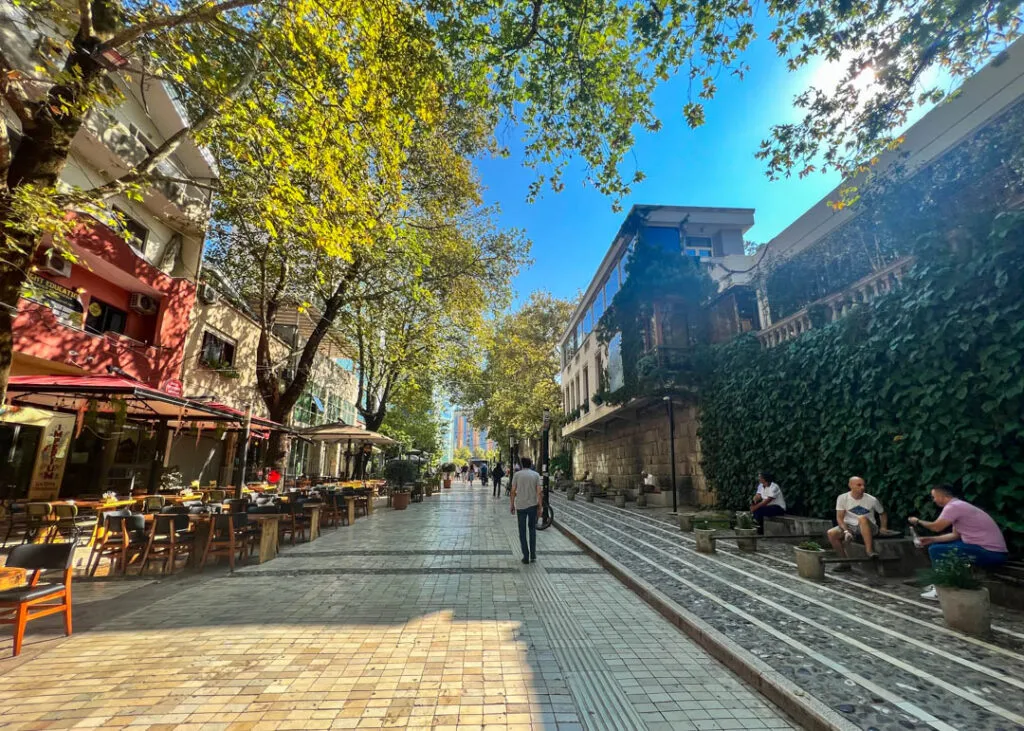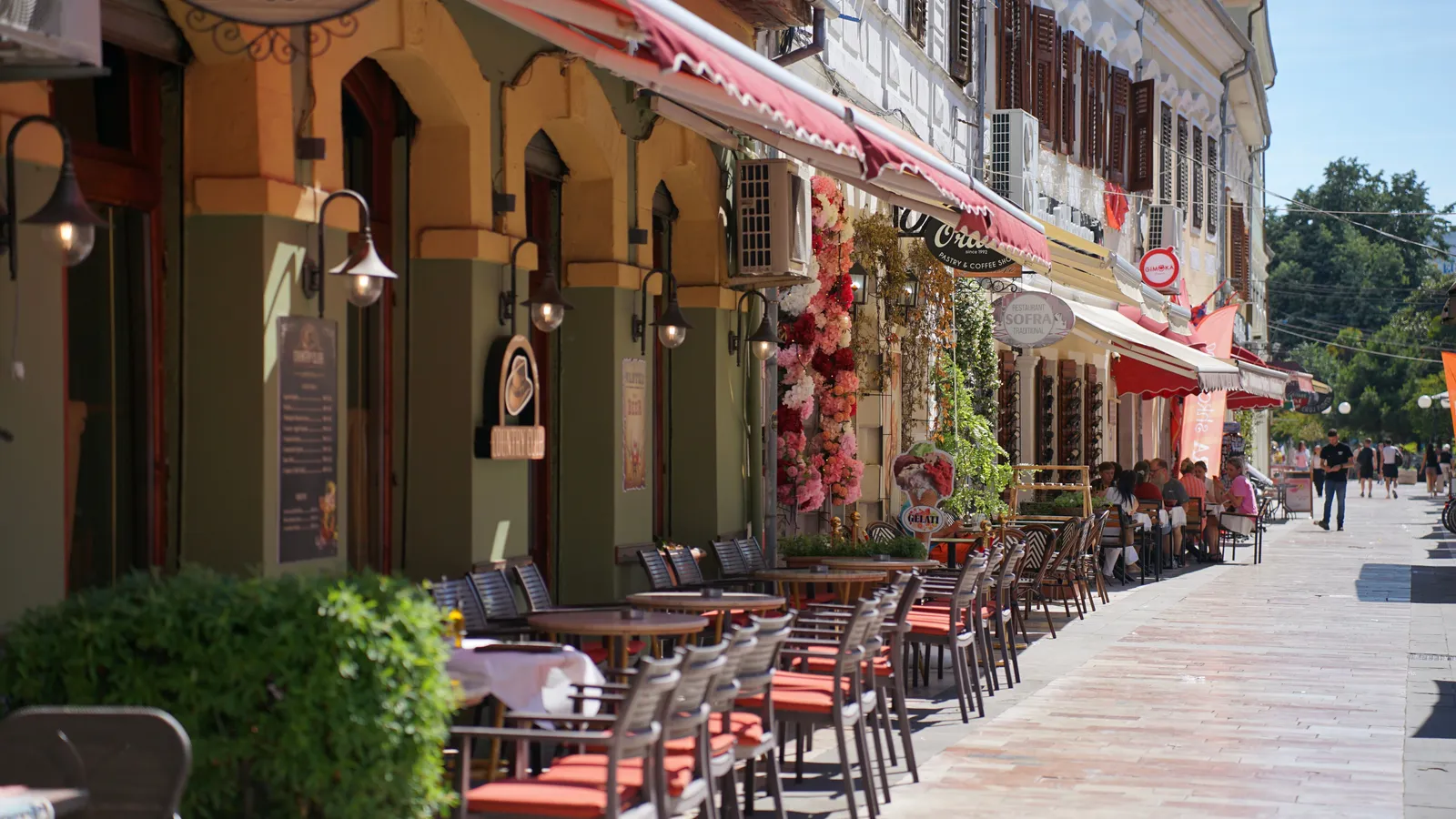
The first thing you notice in Tirana is that every chair in the city faces outwards. Every pavement, every side street, every small square, dozens of tables of people sitting and watching the road go by. It is Tuesday. It is ten in the morning.
Ask when everyone goes to work and you get a puzzled look, because they are at work. They are just working from there.
Albania has one of the highest cafe densities per head anywhere in the world, and that is not a fun statistic. It is an explanation of how the country runs. Business meetings, job interviews, political arguments and two hours with no purpose at all happen around a small cup.
In short: Albanian coffee culture is about sitting, not about drinking quickly: the cafe doubles as an office and a living room, and nobody will hint that you should free the table. If you just say coffee you get an espresso; kafe turke is Turkish coffee with the grounds settled in the cup, a makiato adds a little foamed milk, and çaj mali is the caffeine free mountain tea. An espresso costs around 100 to 150 lek in a neighbourhood cafe and 200 to 300 lek in the designed places of central Tirana. Sit down, let the waiter come to you, pay at the end and round up rather than tipping big.
Ordering without getting it wrong
The menu is shorter than you are used to, which is a mercy. Four orders cover almost every visit:
| What you say | What arrives | When |
|---|---|---|
| Espresso | A short, strong Italian espresso | Any hour, this is the default |
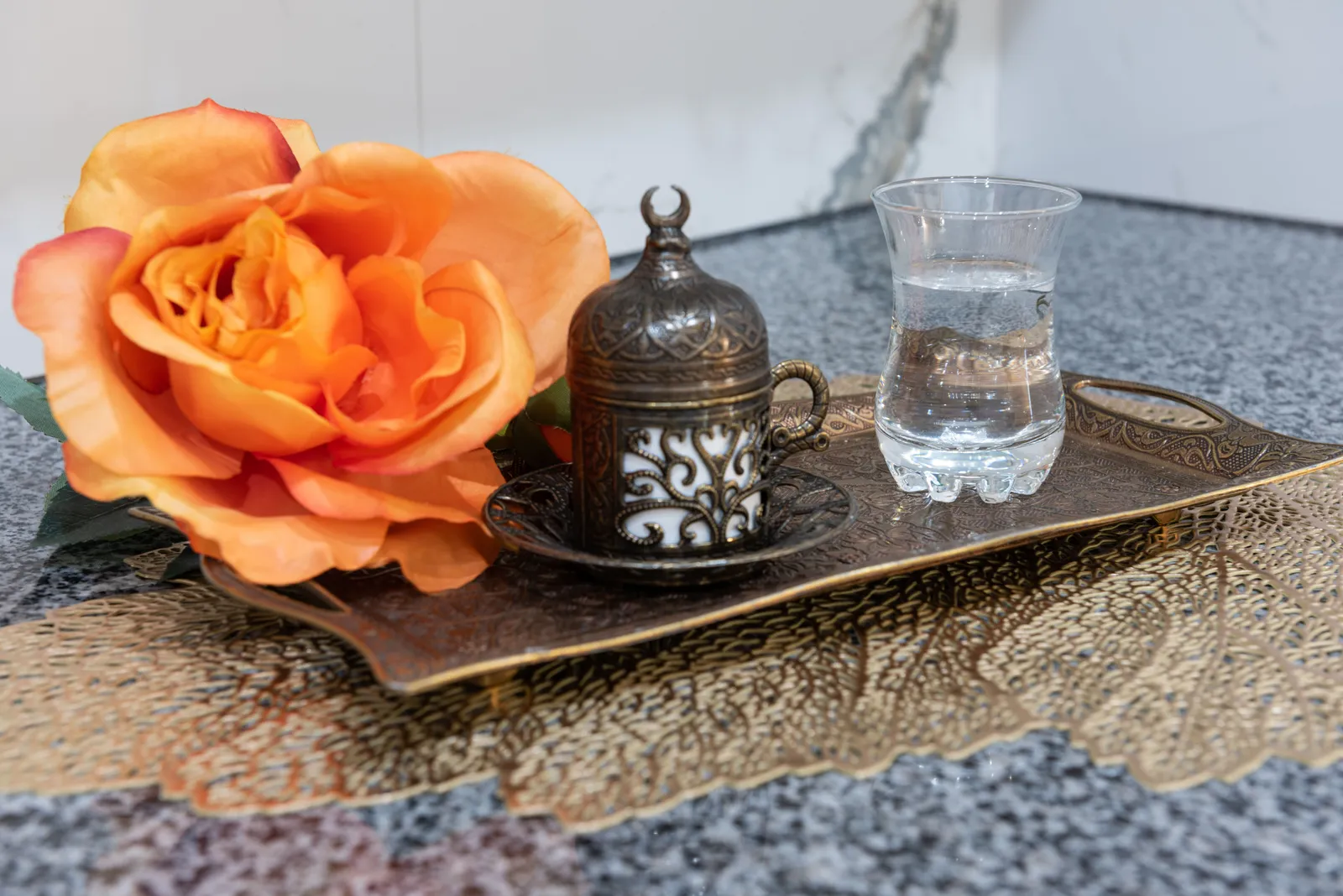
| Kafe turke | Turkish coffee in a small cup, with grounds | A slow morning, or a traditional cafe |
| Makiato | Espresso with a little foamed milk | Afternoon |
| Çaj mali | Local mountain tea, caffeine free | Evening, or when you have had enough coffee |
One word saves most confusion. If you just say coffee, you will get an espresso. Ask for an americano if you want a long cup, and a cappuccino if you want a lot of milk, though cappuccino is understood there as a morning drink. Ordering one after dinner is not forbidden, but you will get a look.
Why it is so cheap, and what that changes
An espresso in an ordinary neighbourhood cafe sits around 100 to 150 lek. In the designed places in the centre of Tirana it climbs towards 200 to 300. Even the upper end is below what most visitors pay at home, and the lower end is small change.
The practical consequence is that there is no reason to ration it. You walk, you get tired, you go in, you sit for half an hour, you carry on. That is the correct way to see Tirana, and it is close to the only bearable way in high summer, when walking through the middle of the day is unpleasant. Plan a route with stops rather than a dense itinerary.
Location moves the price sharply. A table with a view of Skanderbeg Square costs roughly double a table two blocks back on a side street, and in both cases the coffee comes out of much the same machine.
Where to sit in Tirana
Blloku is where to start. Until the early 1990s this was the closed district where the communist elite lived and ordinary citizens were not allowed in. Today it is the liveliest quarter in the city, and every street in it has cafes that turn into bars after dark. Our guide to Blloku goes through it properly.
The main boulevards around the central square give you the opposite experience: less designed, more local, cheaper. Older men in the morning, whole families in the evening.
And the experience most worth seeking out is the plainest one: a small cafe in a residential street, no impressive sign, four tables, an owner who knows everyone who walks in. The price is at the bottom of the range and the coffee is not necessarily worse.
 Staying where the cafes areRooms in Blloku and central Tirana
The xhiro, which nobody tells you about
Around six in the evening, particularly in the smaller towns, something happens. The main street fills with people out for a walk. Not going anywhere. Just up and back, meeting neighbours, stopping to talk.
It is called the xhiro, and it is a Mediterranean habit that Albania has kept intact while much of the region let it slide. Coffee is part of it: you stop halfway, drink something, carry on.
If you are in Berat, Shkoder or Korça at that hour, go outside and walk with it. It is one of the genuinely unstaged things you can do in Albania, and it costs nothing.
Three rules of behaviour
You sit, you do not order at the counter. In most places a waiter comes to the table. Walking up to the till is a tourist move, and sometimes they simply will not understand what you want.
You pay at the end, usually at the table. Signal for the bill and wait. Paying up front is not a thing.
Tips are not obligatory and you round up. Leave the change, or add a hundred lek, and that reads as generous. Twenty percent will cause confusion rather than delight.
The last rule is really the whole idea: do not rush. If you finish a coffee in eight minutes and stand up, you have missed the thing you came to see.
When the table turns into the evening
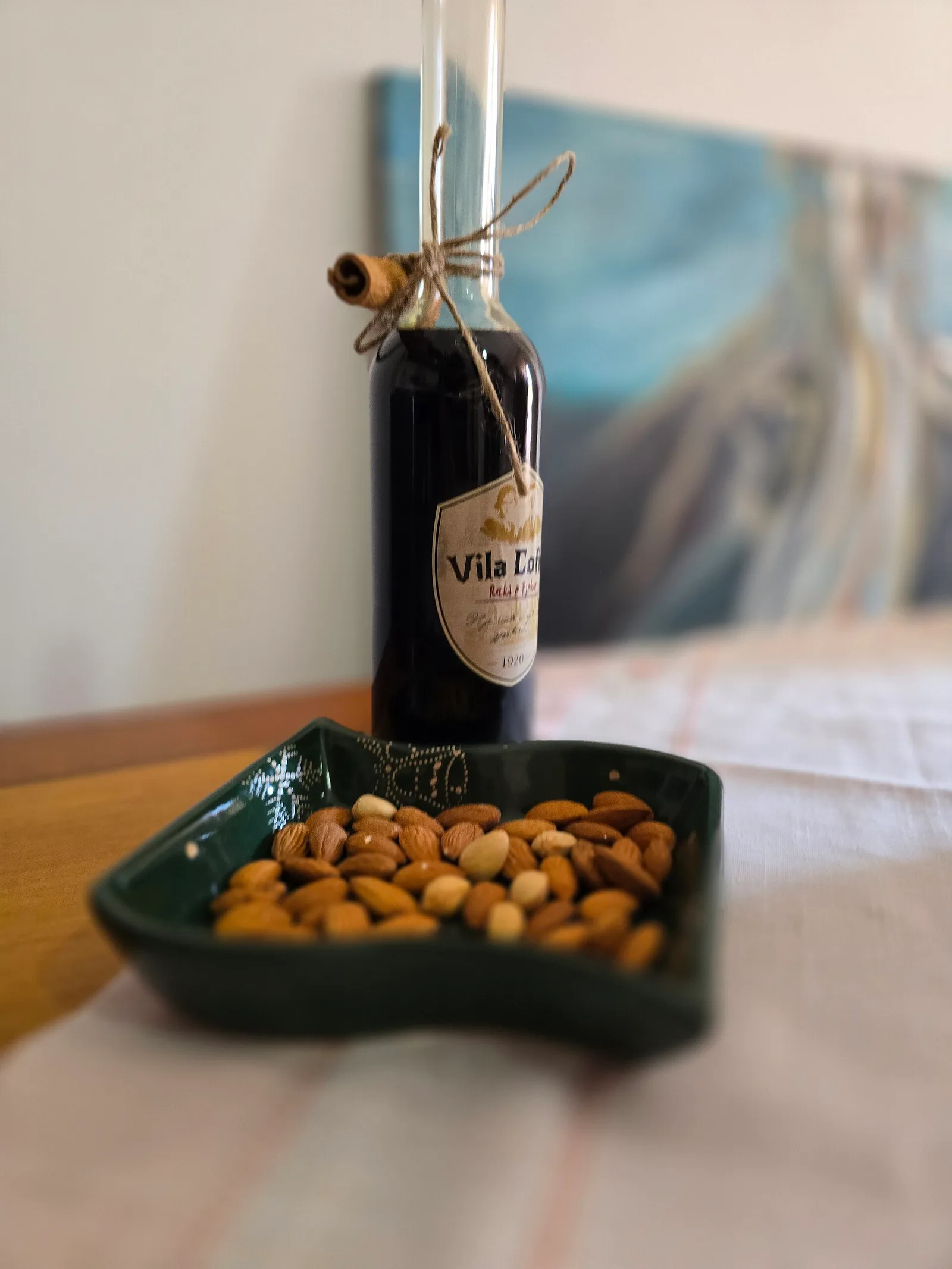
At some point the coffee ends and the table continues. Local beer is cheap and perfectly good, and raki, the homemade fruit brandy, sometimes appears without being ordered as a gesture from the owner. It is considerably stronger than it looks and deserves respect. Everything that gets poured there is covered in our guide to Albanian drinking culture.
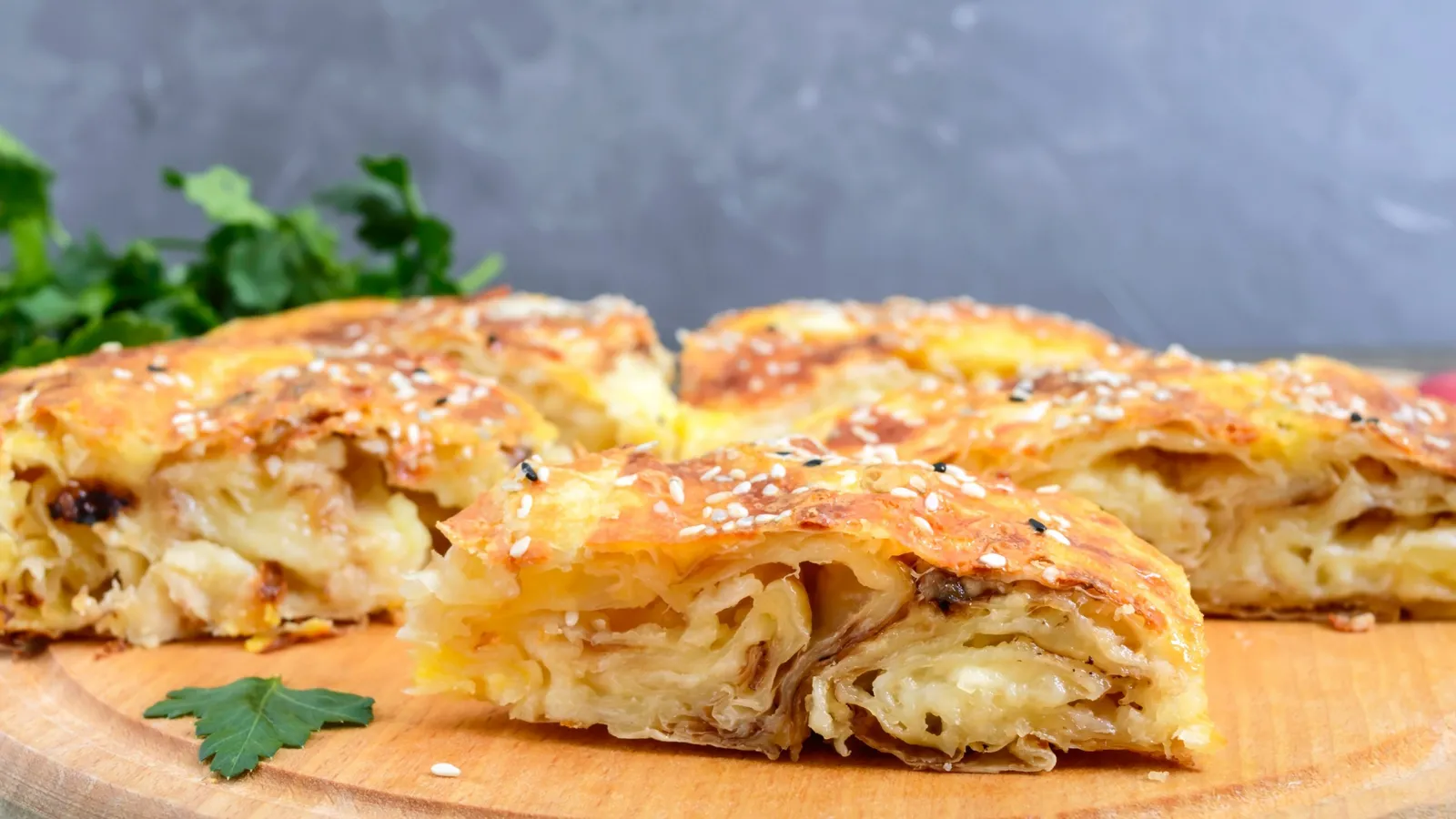
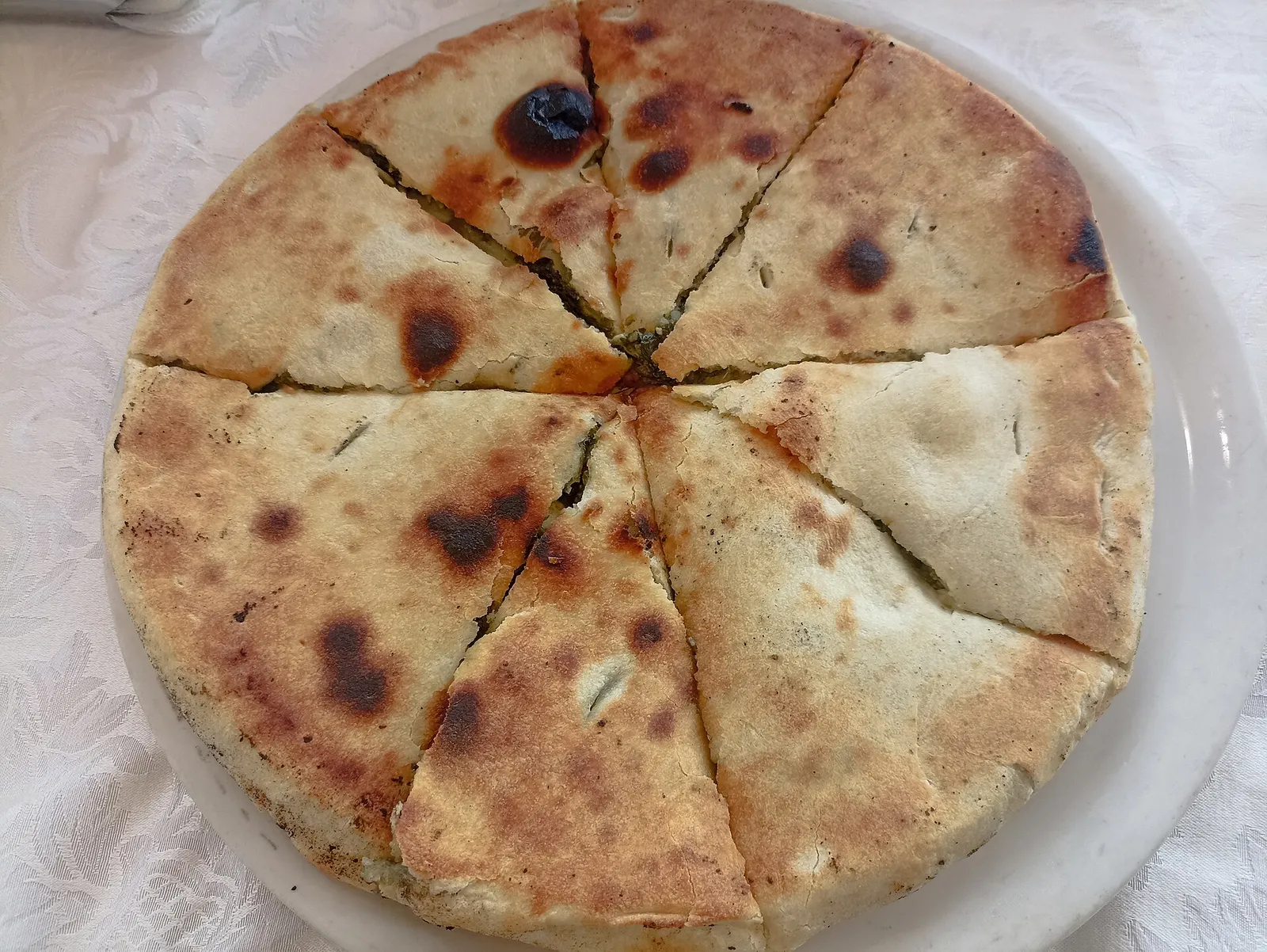
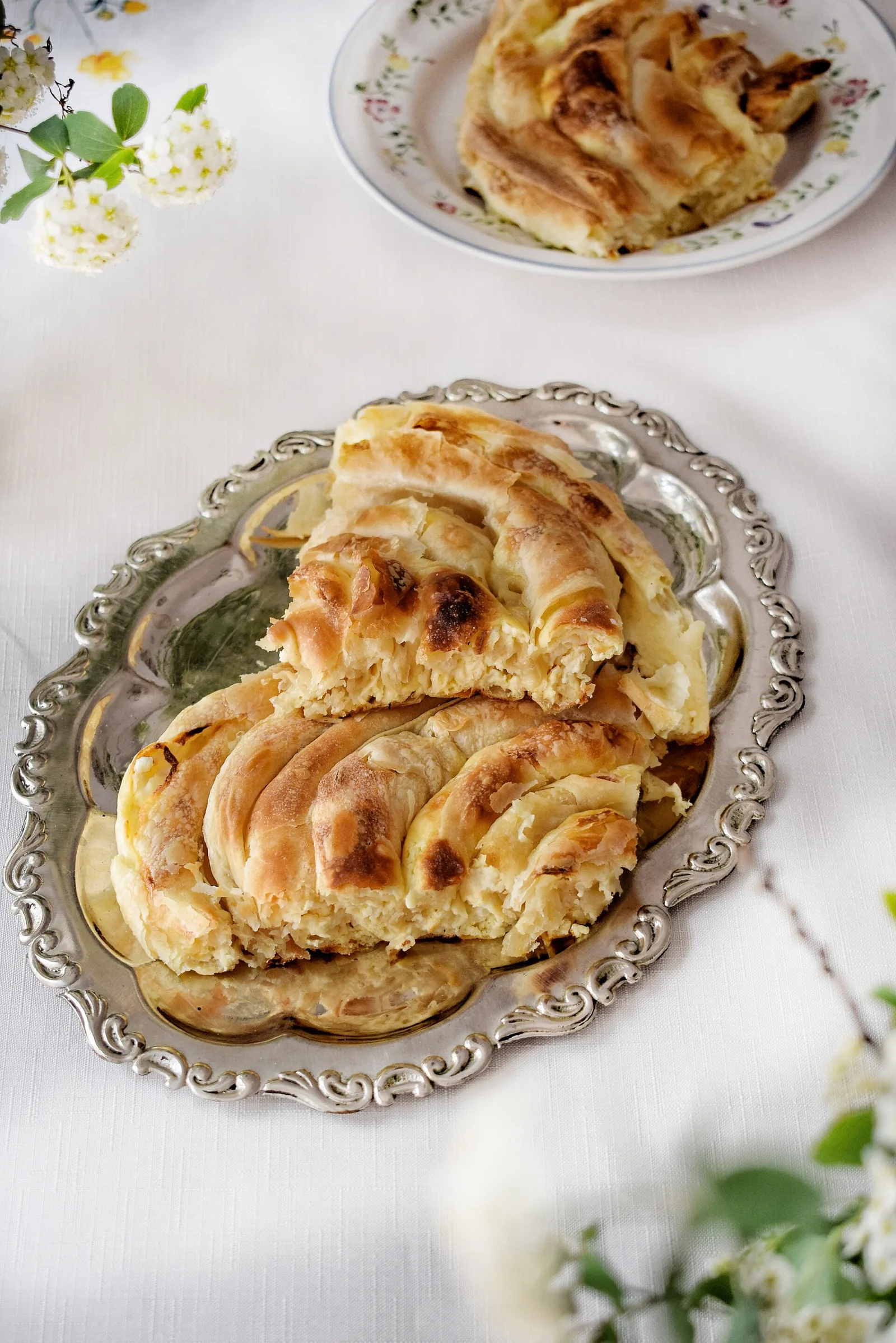
For the food that sits alongside all of it, from the morning byrek to what arrives in the evening, there is the full Albanian food guide.
Why there are so many
This is the observation every visitor makes in the first hour: the number of cafes per person looks impossible, and you can count ten on a single Tirana street.
The explanation is not only cultural. A cafe is a business you can open with relatively little capital, and it is also a social space filling a role that elsewhere is split between the home, the office and the pub. People meet there to work, to talk family business, and to sit doing nothing in particular.
For a traveller the result is straightforward convenience. There is always somewhere to sit, there is always a toilet, and there is almost always wifi. In Albania the cafe is the most reliable waypoint in any day of sightseeing, and learning to use it that way changes how the country feels.